Ataşehir Mah. Feza Sk. No:3 İstanbul / Türkiye
 English
  German
Introduction
Facial fat transfer uses the patient's own fat to restore volume lost through ageing. It is an alternative to dermal filler. One of the most common questions is how long the results last. Facial fat transfer after 5 years is the benchmark patients use to evaluate longevity. Unlike filler, which dissolves within months, transferred fat that survives the initial period can persist for years or even permanently. Understanding what happens to facial fat transfer after 5 years helps patients assess whether the procedure is worth the investment. This article explains how fat transfer longevity works and what patients can expect over the long term.
How Facial Fat Transfer Works
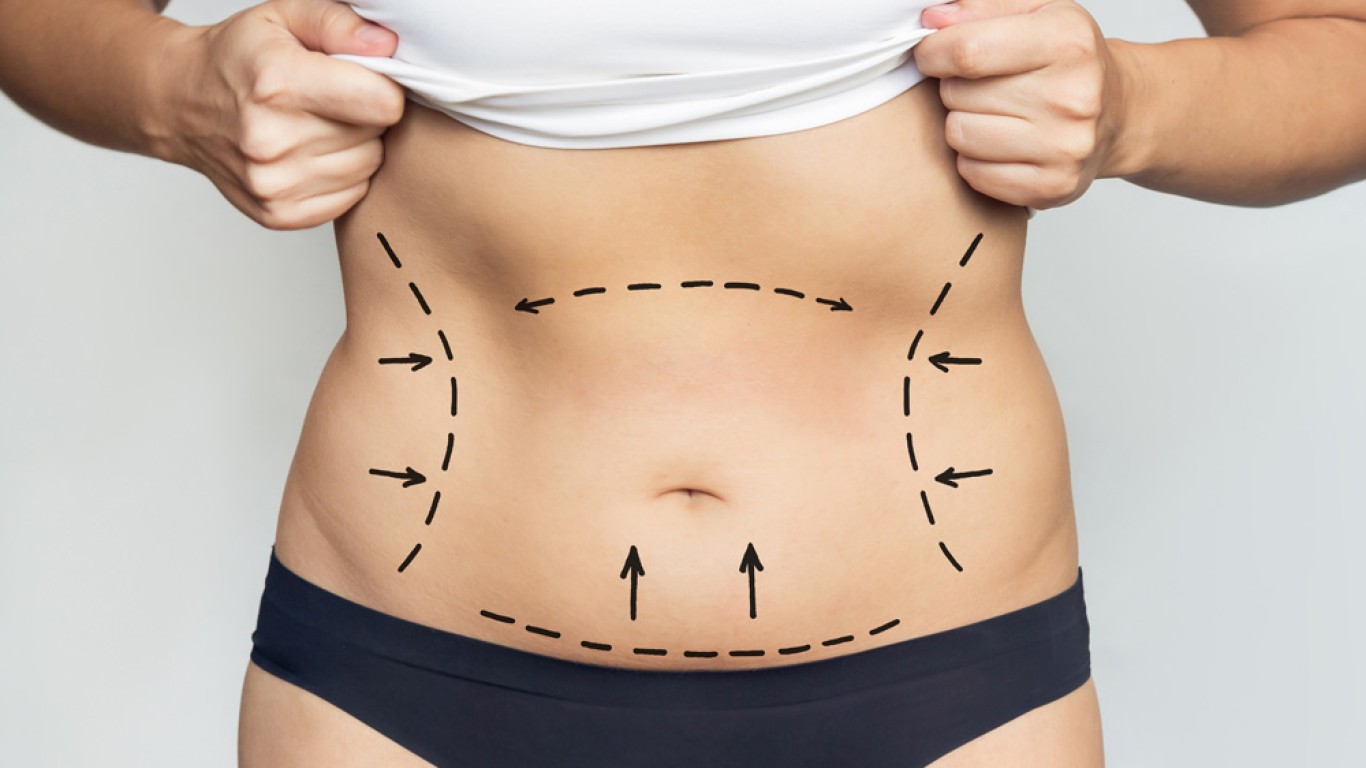
Fat is harvested from another part of the body using liposuction. Common donor sites include the abdomen, thighs and flanks. The fat is processed to remove blood, oil and damaged cells. The purified fat is injected into the face in small quantities. It is placed in multiple layers and tiny droplets. This technique maximises the contact between injected fat and surrounding tissue. Facial fat transfer after five years depends on how successfully the transferred fat establishes a blood supply. Each fat cell must develop connections to local blood vessels. Cells that establish blood supply survive. Those that do not are reabsorbed by the body during the first three to six months. Facial fat transfer after five years reflects only the fat that survived this critical establishment period. The initial survival rate determines the long-term result.
How Much Fat Survives After Facial Fat Transfer?
Not all transferred fat survives. The survival rate varies between patients and practitioners. Approximately fifty to seventy percent of transferred fat typically survives the establishment phase. Facial fat transfer after five years retains the volume that survived the first six months. Once fat cells establish a blood supply, they behave like native fat tissue. They persist indefinitely in most cases. Facial fat transfer after five years shows stable volume in patients whose fat survived well initially. The volume present at six months is generally the volume present at five years. This is the key advantage over dermal filler. Filler dissolves completely within six to twenty-four months. Facial fat transfer after five years still shows meaningful volume from the original procedure. The longevity makes fat transfer appealing to patients wanting a lasting solution to facial volume loss.
What Does Facial Fat Transfer After 5 Years Look Like?
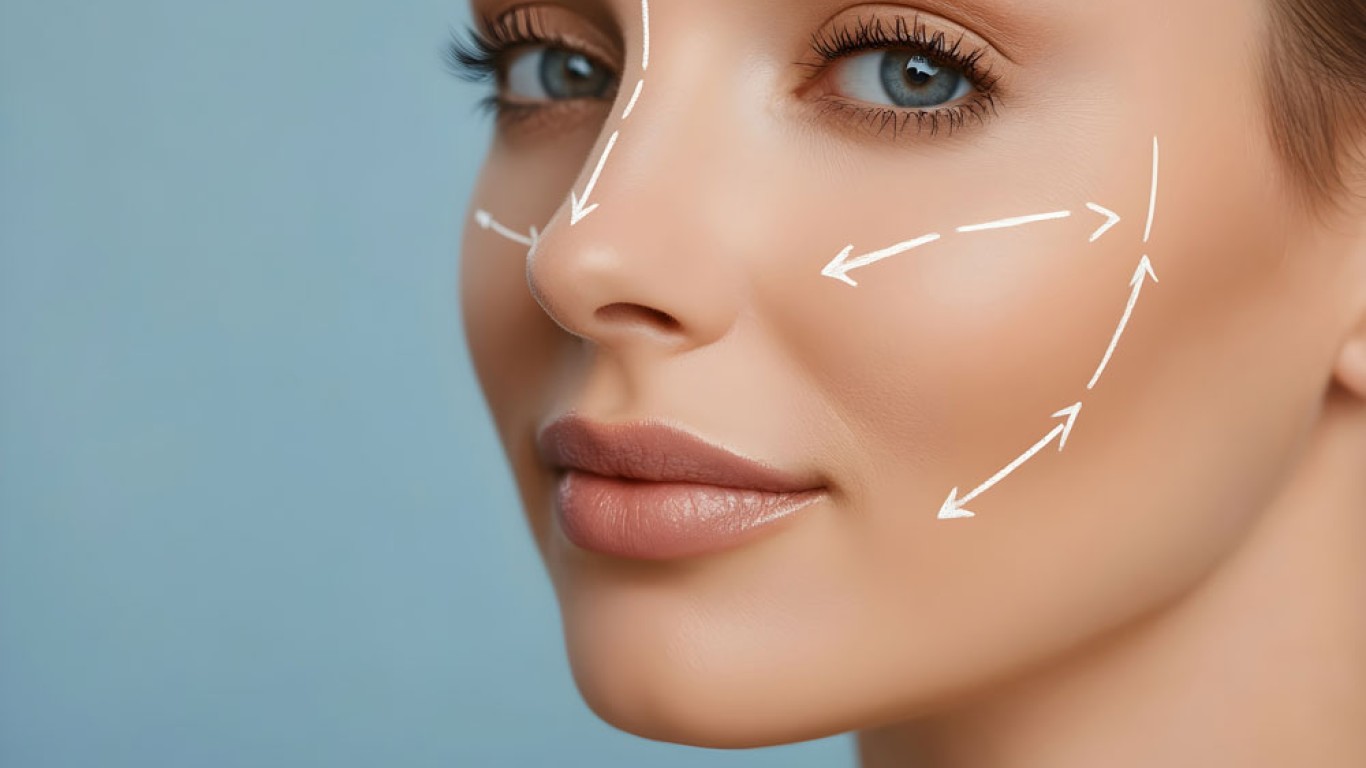
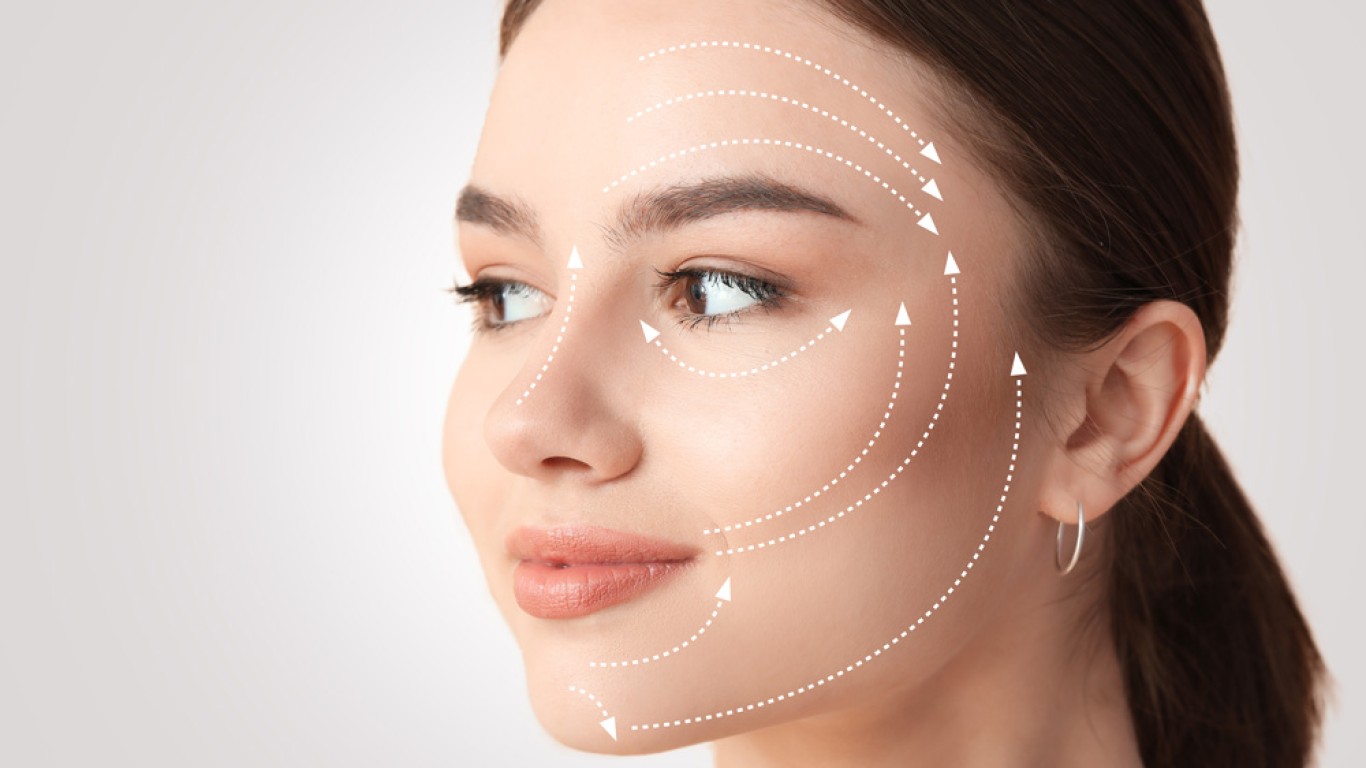
Most patients report stable, natural-looking volume at the five-year mark. Facial fat transfer after 5 years shows the cheeks, temples and under-eyes retaining the fullness that was present once initial swelling resolved. The face appears naturally youthful. The fat ages with the patient. It responds to the same biological processes as native facial fat. Facial fat transfer after five years looks natural because the transferred fat is living tissue. It moves and behaves like the patient's own fat. It does not produce the stiffness or product-specific feel that filler creates. The texture is indistinguishable from natural facial tissue. Facial fat transfer after five years in many patients looks like they simply aged well rather than having had a procedure. This natural ageing alongside the transferred fat is one of the procedure's most valued characteristics.

Factors That Affect Facial Fat Transfer After 5 Years
Several factors influence long-term survival. Surgical technique is the most significant. The processing method and injection technique directly affect how much fat survives. Facial fat transfer after five years produces the best results when performed by experienced practitioners using refined technique. Small-droplet injection in multiple tissue layers maximises blood supply contact. Weight changes affect facial fat transfer after five years. Significant weight loss can reduce the volume of transferred fat. The fat cells shrink as body fat decreases.
Facial fat transfer after 5 years in patients who maintain stable weight shows the most consistent volume retention. Weight gain can increase the volume of transferred fat. The fat cells expand. This may create more fullness than intended. Facial fat transfer after 5 years is influenced by overall weight stability. Maintaining a consistent weight produces the most predictable long-term appearance. Ageing naturally affects all facial fat including transferred tissue. Volume depletion continues alongside the ageing process. Some patients choose a top-up procedure after several years to address this natural progression.
Facial Fat Transfer After 5 Years vs Dermal Filler
The longevity comparison favours fat transfer decisively. Facial fat transfer after five years retains meaningful volume from a single procedure. Dermal filler has fully dissolved long before the five-year mark. Five years of maintained filler results requires approximately five to ten separate filler sessions. The cumulative cost of filler maintenance over five years often exceeds the single investment in fat transfer. Facial fat transfer after five years represents superior long-term value for patients wanting sustained facial volume. Filler offers convenience. Each session is quick with no liposuction required. However, facial fat transfer after 5 years demonstrates that patients willing to invest in the more involved procedure achieve longer-lasting results. The initial recovery is more significant. The long-term reward is substantially greater. Facial fat transfer after five years also avoids the complications of repeated filler injection. Migration, overcorrection and product accumulation are not concerns with transferred fat.
Does Facial Fat Transfer After 5 Years Need a Top-Up?
Some patients choose additional fat transfer over time. Facial fat transfer after 5 years may show stable volume but continued age-related changes elsewhere on the face. A top-up procedure can address new volume loss that has developed since the original treatment. Facial fat transfer after five years top-ups are typically smaller than the original procedure. Less fat is needed. The previous transfer provides the foundation. The top-up refines and supplements. Not every patient needs a top-up. Facial fat transfer after 5 years with good initial survival and stable weight may look excellent without further intervention. The decision depends on individual ageing progression and personal preference. Facial fat transfer after five years assessment during a follow-up consultation helps patients evaluate whether additional volume would benefit their appearance. Many patients find that the five-year result is entirely satisfactory without further treatment.
Conclusion
Facial fat transfer after 5 years shows stable, natural-looking volume in the majority of patients. Approximately fifty to seventy percent of transferred fat survives the initial establishment phase. Surviving fat persists for years or permanently. Facial fat transfer after five years outperforms dermal filler for longevity and natural feel. Weight stability supports the most consistent long-term results. Top-up procedures are available but not always needed. Patient satisfaction at five years is consistently high. Professional consultation ensures realistic expectations. Turkey offers facial fat transfer at competitive pricing with experienced surgeons.
For more information about facial fat and to book a consultation visit the ACIBADEM Beauty Center Aesthetics page.
Frequently Asked Questions
Yes. Fat that survives the initial establishment phase typically persists for five years and beyond.
Approximately fifty to seventy percent. The surviving fat behaves like permanent tissue.
Some patients benefit from a smaller top-up after several years. Many do not need one.
Yes. Weight loss shrinks transferred fat cells. Weight gain expands them. Stability is ideal.
For longevity and natural feel, yes. Filler offers convenience but requires ongoing maintenance.