Ataşehir Mah. Feza Sk. No:3 İstanbul / Türkiye
 English
  German
  Spanish
Introduction
The under-eye area is one of the first places to show visible ageing. Bags, puffiness and excess skin create a tired appearance. Lower lid blepharoplasty addresses these concerns surgically. It is one of the most effective procedures for refreshing the eye area. Lower lid blepharoplasty can take years off the face by eliminating the heavy, fatigued look that ageing under-eyes create. Understanding what the procedure fixes and how it works helps patients evaluate whether it suits their concerns. This article explains lower lid blepharoplasty in detail.
What Does Lower Lid Blepharoplasty Fix?
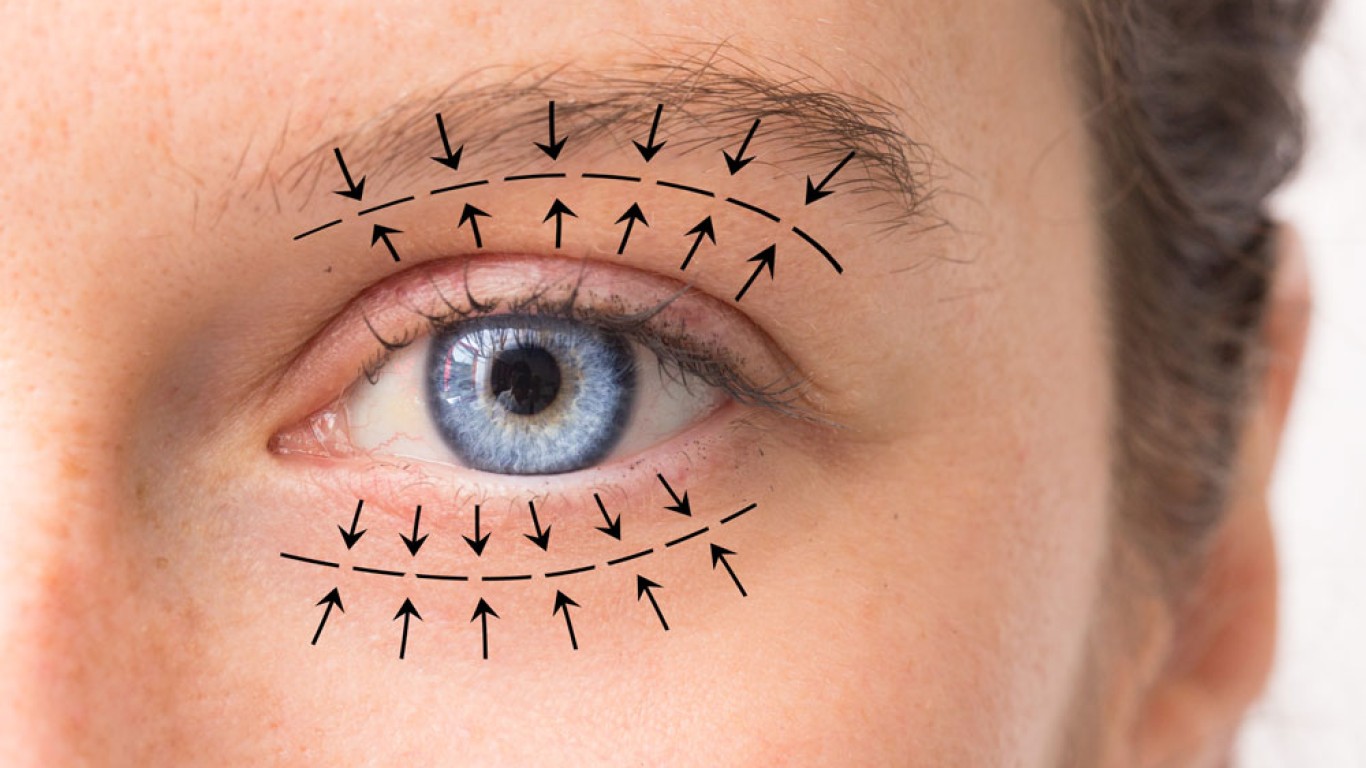
Lower lid blepharoplasty addresses several under-eye concerns. Prominent under-eye bags are the most common reason patients seek the procedure. These bags result from orbital fat protruding through weakened muscle. Lower lid blepharoplasty removes or repositions this fat. The bags disappear. A smooth, flat under-eye contour replaces the puffy appearance. Excess lower eyelid skin is another concern addressed. Loose, crepey skin beneath the eyes creates an aged look. Blepharoplasty trims surplus skin to create a tighter, smoother surface. Tear trough hollowing can also be improved. Blepharoplasty repositions protruding fat into the hollow trough area. This fills the depression while reducing the bag. The dual correction produces a naturally smooth transition from lower eyelid to cheek. Dark circles caused by shadowing from prominent bags improve as the bags are corrected. The shadow is eliminated. The under-eye area appears brighter.
How Lower Lid Blepharoplasty Works
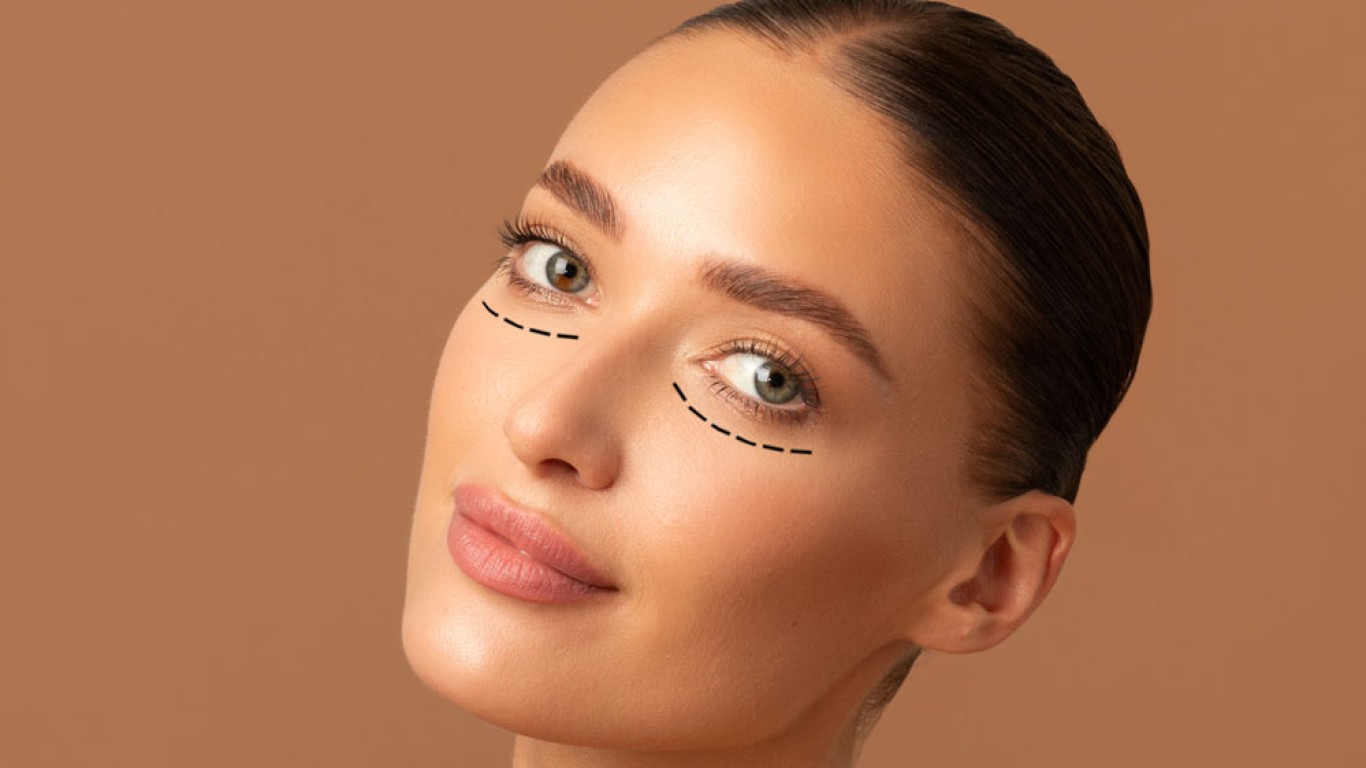
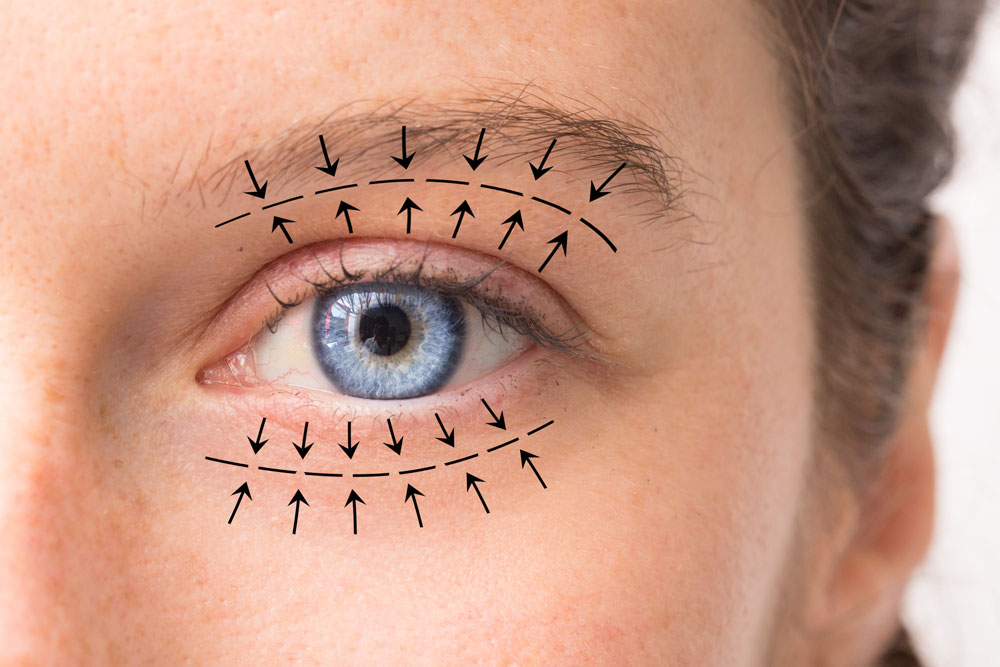
Two main approaches exist. The transconjunctival technique places the incision inside the lower eyelid. No visible external scar results. Lower lid blepharoplasty using this approach accesses the fat pads from within. Fat is removed or repositioned. This technique suits patients with fat protrusion but minimal excess skin. The external approach places the incision just below the lower lash line. Blepharoplasty through this route allows both fat management and skin removal. The scar sits in the natural crease beneath the lashes. It heals to become virtually invisible. This technique suits patients with both fat protrusion and excess skin. Blepharoplasty takes one to two hours. Local anaesthesia with sedation is standard. Some patients choose general anaesthesia. The procedure is performed as day surgery. Most patients go home the same day. The surgeon selects the most appropriate technique based on individual anatomy and concerns.
Lower Lid Blepharoplasty Recovery
Recovery is straightforward. Blepharoplasty produces swelling and bruising around the eyes for one to two weeks. Cold compresses during the first forty-eight hours help manage both. The eyes may feel tight or slightly dry during early healing. Lubricating eye drops maintain comfort. Blepharoplasty sutures are removed within five to seven days for the external approach. Transconjunctival sutures dissolve on their own. Most patients feel socially presentable within seven to ten days. Makeup conceals residual bruising effectively from this point. Blepharoplasty restrictions include avoiding strenuous activity for two weeks. No contact lenses for two weeks. No swimming for three weeks. Reading and screen use may tire the eyes during the first week. Short breaks help. Lower lid blepharoplasty final results are visible at two to three months once all swelling has resolved. The under-eye area appears refreshed, smooth and rested.
Lower Lid Blepharoplasty: Who Is a Good Candidate?
The procedure suits patients with specific under-eye concerns. Lower lid blepharoplasty candidates typically have visible under-eye bags that create a tired appearance. Patients with loose lower eyelid skin benefit from the procedure. Those with hollowing caused by the contrast between protruding fat and the tear trough improve with fat repositioning. Blepharoplasty suits adults of most ages. It is most commonly performed from the late thirties onwards. Good general health is required. Eye health should be assessed before surgery. Patients with dry eye conditions should discuss this during consultation. Blepharoplasty is not appropriate for patients with dark circles caused by pigmentation alone. The procedure addresses structural concerns. Pigmentation requires different treatment. Realistic expectations support the highest satisfaction. Blepharoplasty refreshes the under-eye area. It does not eliminate all signs of ageing around the eyes. The improvement is meaningful and visible.
Lower Lid Blepharoplasty vs Non-Surgical Alternatives
Patients sometimes compare surgical and non-surgical options. Lower lid blepharoplasty produces the most comprehensive and lasting under-eye improvement. Dermal filler addresses hollowing but not fat protrusion or skin excess. Filler disguises shadows. It does not remove bags. Blepharoplasty removes the bags permanently. Energy-based treatments such as radiofrequency and ultrasound tighten skin mildly. They do not address fat protrusion. Blepharoplasty produces more dramatic improvement than any non-surgical alternative. Chemical peels and laser improve skin texture but not structural concerns. Blepharoplasty is the definitive treatment for under-eye bags.
Non-surgical options suit patients with mild concerns or those who prefer to avoid surgery. Moderate to significant under-eye bags respond best to blepharoplasty. The surgical result is permanent. Non-surgical results require ongoing maintenance. Age and skin quality also influence which approach provides the greatest benefit. Younger patients with early hollowing may achieve sufficient improvement without surgery. However, structural changes usually require surgical correction as ageing progresses.
Combining with Other Procedures
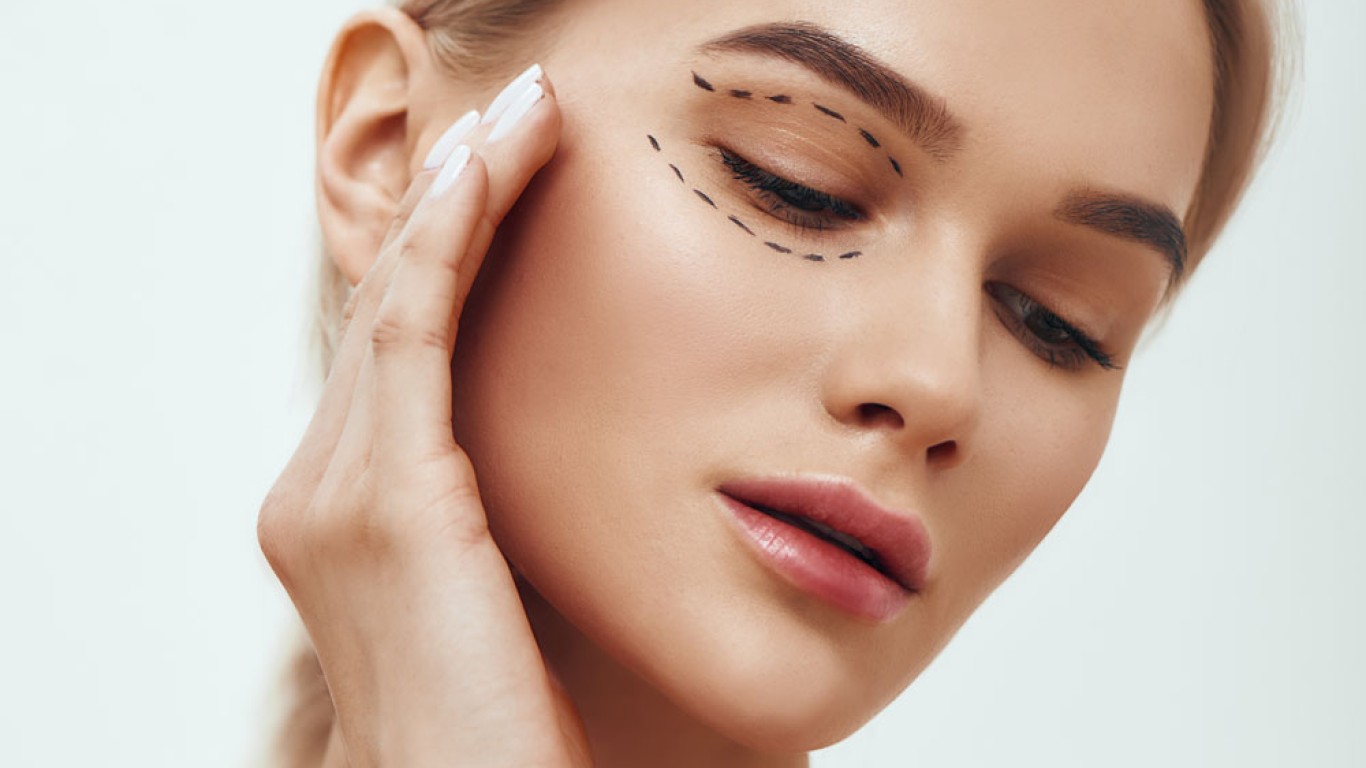
Many patients combine the procedure with complementary treatments. Lower lid blepharoplasty alongside upper blepharoplasty addresses both eyelids simultaneously. The combination provides comprehensive eye rejuvenation within a single recovery period. Blepharoplasty with chemical peel or laser to the eyelid skin improves texture alongside structural correction. Facelift or brow lift may be combined for broader facial rejuvenation. Blepharoplasty within a comprehensive facial surgery plan maximises the value of a single recovery period. Patients travelling to Turkey often combine multiple procedures for maximum treatment efficiency. Blepharoplasty in combination with other treatments provides comprehensive rejuvenation during one trip. Careful planning ensures combined procedures remain appropriate and safe. The surgeon considers overall operating time, recovery requirements and individual health before recommending multiple treatments together. Combining treatments can also create more balanced facial improvement. Addressing surrounding ageing changes prevents the rejuvenated lower eyelids from appearing disconnected from other facial areas.
Conclusion
Lower lid blepharoplasty addresses under-eye bags, excess skin and tear trough hollowing. The transconjunctival approach leaves no visible scar. The external approach allows skin removal alongside fat management. Recovery takes seven to ten days for social comfort. Results are visible at two to three months. Blepharoplasty produces the most comprehensive and lasting under-eye improvement available. Non-surgical alternatives suit mild concerns. Moderate to significant bags respond best to surgery. Professional consultation ensures the most appropriate approach. Turkey offers blepharoplasty at competitive pricing with experienced surgeons. Results can provide a refreshed appearance without changing natural facial character. Careful technique preserves eyelid function while creating smoother contours and a less tired appearance.
For more information about blepharoplasty and to book a consultation visit the ACIBADEM Beauty Center Aesthetics page.
Frequently Asked Questions
Under-eye bags, excess skin and tear trough hollowing caused by fat protrusion.
Transconjunctival technique leaves no visible scar. External incision scars hide beneath the lash line.
Seven to ten days for social comfort. Final results at two to three months.
Yes. Removed or repositioned fat and trimmed skin produce lasting correction.
One thousand to two thousand five hundred pounds all-inclusive.