Ataşehir Mah. Feza Sk. No:3 İstanbul / Türkiye
 English

Introduction
Nose surgery is one of the most common facial procedures performed around the world. Two terms appear again and again in consultations: rhinoplasty vs septorhinoplasty. They sound similar and share several surgical techniques, but they are not the same operation. Rhinoplasty focuses on the outer shape and structure of the nose. Septorhinoplasty combines that work with correction of the septum inside the nose. The septum is the wall of cartilage and bone that separates the two nostrils. Understanding the difference helps you ask better questions when you meet a surgeon. This guide explains what each procedure involves, who it tends to suit, and what recovery usually looks like.
What Is Rhinoplasty?
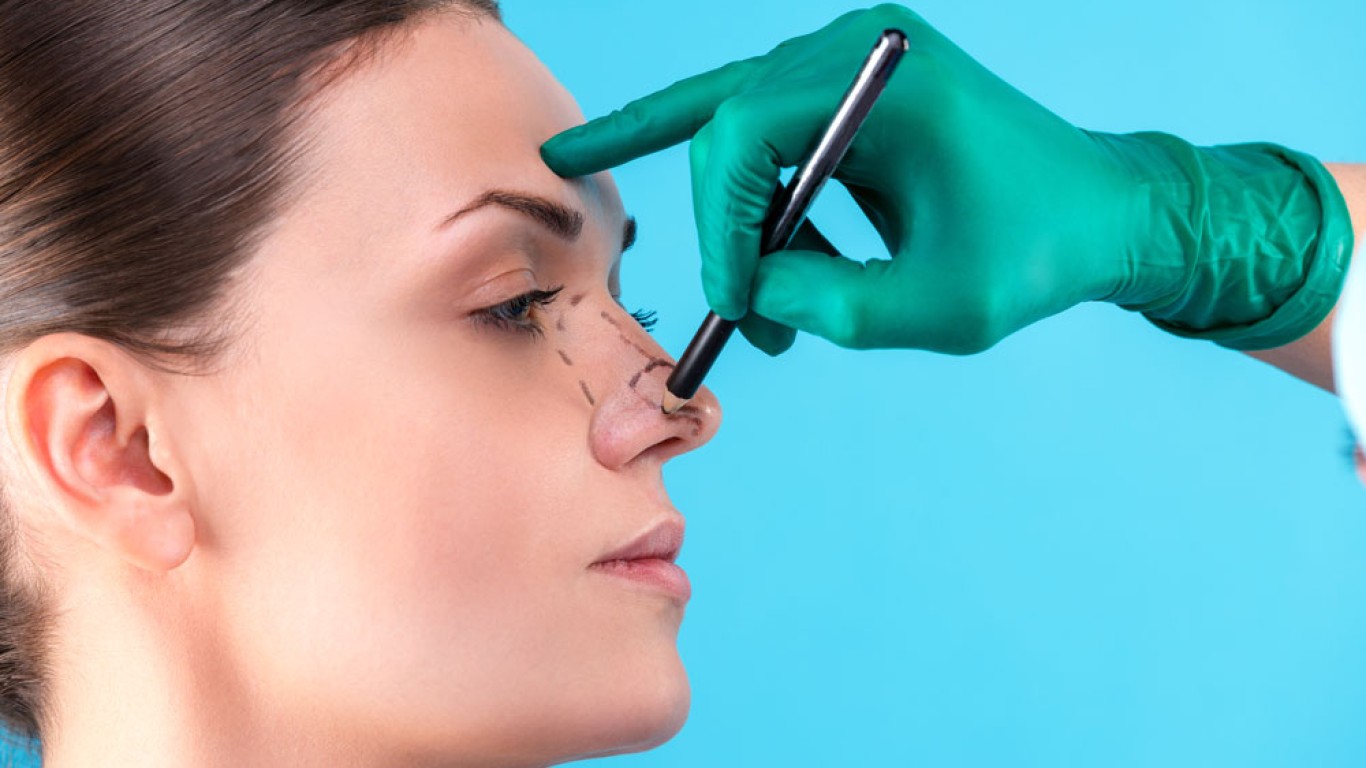
Rhinoplasty is surgery to change the shape, size or proportions of the nose. Many patients choose it for cosmetic reasons, and it is often called a nose job. Common goals include reducing a bump on the bridge or refining a wide tip. Some patients want to narrow the nostrils or straighten a nose that looks crooked. Others simply want better balance between the nose and the rest of the face. Rhinoplasty can also address some functional problems, such as weak nasal valves that restrict airflow. However, it does not usually involve direct work on the septum itself. During surgery, the surgeon reshapes bone, cartilage and soft tissue to reach the agreed result. Changes can be subtle or more noticeable, depending on the plan agreed at consultation.
What Is Septorhinoplasty?
Septorhinoplasty combines rhinoplasty with a second procedure called septoplasty. Septoplasty straightens a deviated septum, which sits off centre and can narrow one or both airways. This combined approach treats the inside and outside of the nose in a single operation. It is often recommended when a patient has breathing problems and also wants cosmetic changes. It is also common after a nasal injury, where both shape and function have been affected. Symptoms that may point towards the need for septal correction include:
- Persistent blockage on one or both sides of the nose
- Regular mouth breathing, especially during sleep
- Frequent sinus infections or recurring nosebleeds
- Snoring that is linked to restricted nasal airflow
Treating both areas together means a single anaesthetic and one recovery period rather than two.
Septorhinoplasty vs Rhinoplasty: The Core Difference
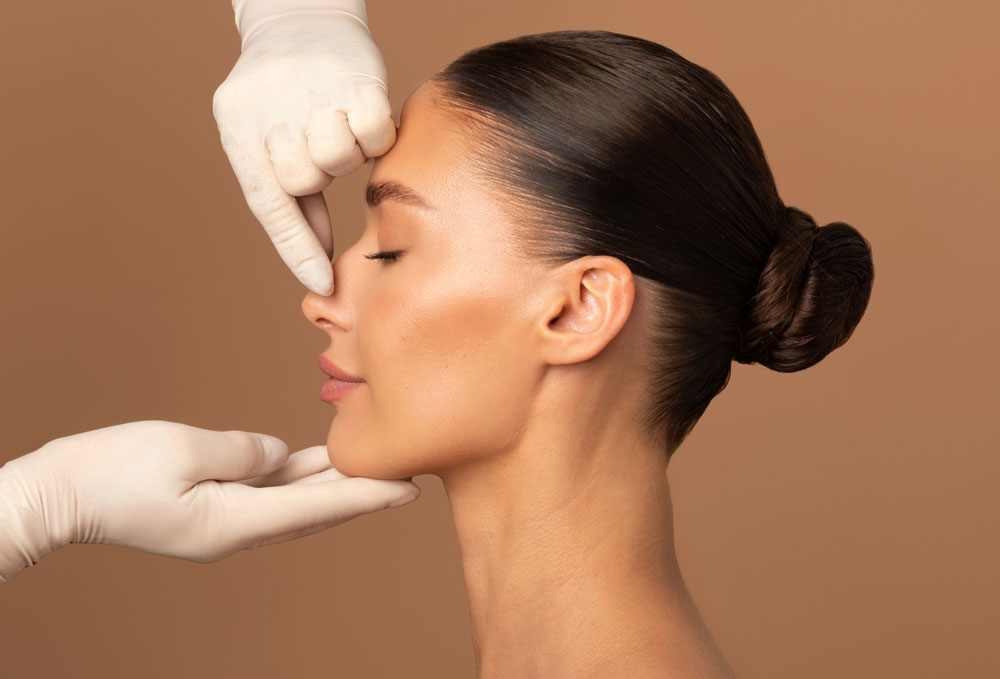
The core difference in septorhinoplasty vs rhinoplasty is whether the septum is corrected. Rhinoplasty changes how the nose looks and sometimes improves how it works. Septorhinoplasty adds direct repair of the internal wall that divides the airways. Septorhinoplasty vs rhinoplasty , rhinoplasty is mainly about form, while septorhinoplasty addresses both form and breathing. The septum also provides important support for the nasal tip and bridge. A twisted septum can make the outside of the nose appear crooked as well. In these cases, reshaping the outer nose alone may not give a stable, lasting result. Surgeons may also use cartilage taken from the septum as graft material. This cartilage can strengthen or reshape the tip and bridge during the same operation.
Septorhinoplasty vs Rhinoplasty: Side-by-Side Comparison
The table below summarises the main practical differences between the two procedures. Exact details always vary according to the individual patient and the surgical plan.
| Feature | Rhinoplasty | Septorhinoplasty |
| Main focus | External shape and proportions | External shape plus internal septum |
| Typical reasons | Cosmetic refinement, minor function issues | Breathing problems with cosmetic goals, injury |
| Typical surgery time | 1.5 to 3 hours | 2 to 4 hours |
| Anaesthesia | Usually general | Usually general |
| Nasal splint | Around 1 week | Around 1 week, sometimes with internal splints |
| Breathing improvement | Not usually the main aim | A key aim of surgery |
Both procedures are normally carried out under general anaesthesia. Many patients go home on the same day or after a single overnight stay.
Who Is a Suitable Candidate?
Suitability depends on your general health, your nasal anatomy and your personal goals. A surgeon will examine the inside and outside of the nose before recommending an approach. Rhinoplasty may suit you if you breathe comfortably but are unhappy with how your nose looks. Septorhinoplasty may be more suitable if you have cosmetic concerns alongside ongoing airflow problems.
General criteria for either procedure usually include the following:
- Facial growth is complete, which is usually from the late teens onwards
- You are in good general health with no uncontrolled medical conditions
- You do not smoke, or you are willing to stop before and after surgery
- You have realistic expectations about what surgery can achieve
A thorough consultation should also cover allergies, previous nasal surgery and any history of injury.
How the Surgery Is Performed
Both operations use one of two main approaches, known as open and closed surgery. In open surgery, the surgeon makes a small incision across the skin between the nostrils. In closed surgery, all of the incisions are hidden inside the nose. During rhinoplasty, the surgeon reshapes cartilage and bone to change the outer contour. During septorhinoplasty, the surgeon also lifts the lining that covers the septum. Bent or excess cartilage and bone are then straightened, trimmed or carefully repositioned. Some patients also need their turbinates reduced at the same time. Turbinates are structures inside the nose that warm and humidify the air you breathe. When they are enlarged, they can add to a feeling of blockage. At the end of surgery, an external splint is usually placed over the nose. Soft internal splints or light packing may also be used for a few days.
Conclusion
Septorhinoplasty vs rhinoplasty share many techniques, but they serve different purposes. Rhinoplasty reshapes the outer nose, while septorhinoplasty also corrects the septum to improve airflow. Recovery is similar for both, with visible bruising fading within weeks and final results appearing within a year. If you are considering nose surgery, a detailed assessment with a specialist is the best first step.
Learn more about septorhinoplasty vs rhinoplasty at ACIBADEM Beauty Center and arrange a consultation to discuss your goals.
Frequently Asked Questions
Most patients describe discomfort rather than severe pain after either procedure. Septorhinoplasty may cause more nasal congestion during the first week of recovery. This usually improves noticeably once any splints have been removed.
Rhinoplasty can improve some functional problems, such as weak or collapsing nasal valves. However, breathing problems caused by a deviated septum usually need direct septal correction. This is why septorhinoplasty is often recommended for patients with these symptoms.
The results of both procedures are generally considered to be long lasting. The nose will continue to age naturally along with the rest of the face. A significant injury to the nose can also change the result over time.
Closed surgery leaves no visible external scar because all incisions are inside the nose. Open surgery leaves a small scar across the base of the nose between the nostrils. This scar usually fades well and becomes difficult to see over time.
Many surgeons advise waiting around 7 to 10 days before taking a flight. This allows the splints to be removed and a follow-up check to take place. Your surgeon will confirm the right timing based on your individual recovery.