Ataşehir Mah. Feza Sk. No:3 İstanbul / Türkiye
 English

Introduction
Secondary rhinoplasty is surgery to correct or improve the results of a previous nose operation. Most patients are happy with their first rhinoplasty. However, some experience cosmetic or functional problems afterwards. These may include an uneven shape, a collapsed tip or difficulty breathing. Revision surgery is more complex than a first rhinoplasty. Scar tissue, altered anatomy and reduced cartilage all present challenges. Despite this, skilled surgeons can achieve significant improvements. This article explains why revision surgery is needed and how it works. It also covers timing, cartilage grafts, recovery and choosing the right surgeon.
What Is Secondary Rhinoplasty?
Secondary rhinoplasty is also known as revision rhinoplasty. It refers to any nose surgery performed after a previous rhinoplasty. The aim may be cosmetic, functional or both. Some patients need only minor refinements to a small area. Others require a more extensive reconstruction of the nasal framework. The surgeon works with tissues that have already been altered and scarred. This makes careful assessment and planning especially important. Revision surgery is usually performed under general anaesthesia. It often takes longer than a first operation, typically three to five hours.
Common Reasons for Secondary Rhinoplasty
Patients seek revision surgery for many different reasons. A residual bump on the bridge is a common cosmetic concern. Some patients have a tip that looks pinched, drooping or asymmetrical. Others develop a fullness above the tip, known as a pollybeak deformity. Over-removal of cartilage can cause a scooped or collapsed bridge. This is sometimes called a saddle nose deformity. The nose may also appear crooked or uneven after healing. Functional problems are equally important. Narrowed nasal valves or a deviated septum can make breathing difficult. Some patients simply feel the result does not suit their face.
Why Revision Surgery Is More Complex
Revision surgery presents unique challenges compared with primary surgery. Scar tissue forms naturally after any operation. This scar tissue can make the nasal structures harder to identify and reshape. Previous surgery may have removed cartilage that is now needed for support. Skin can also become thicker or less flexible after earlier surgery. Blood supply to the tissues may be reduced. Each of these factors makes the outcome less predictable. Surgeons therefore need advanced techniques and extensive experience. Patients should understand that improvement, rather than perfection, is the usual goal.
When Is the Right Time for Secondary Rhinoplasty?
Timing is an important consideration in revision surgery. Most surgeons recommend waiting at least twelve months after the first operation. This allows swelling to settle and tissues to soften. Some changes only become clear once healing is complete. The nasal tip, in particular, can take more than a year to settle. Operating too early may make results less predictable. In some cases, urgent functional problems may require earlier treatment. A surgeon will assess each patient individually to decide the best timing. Patience during this period often leads to a better final result.
The Consultation and Assessment
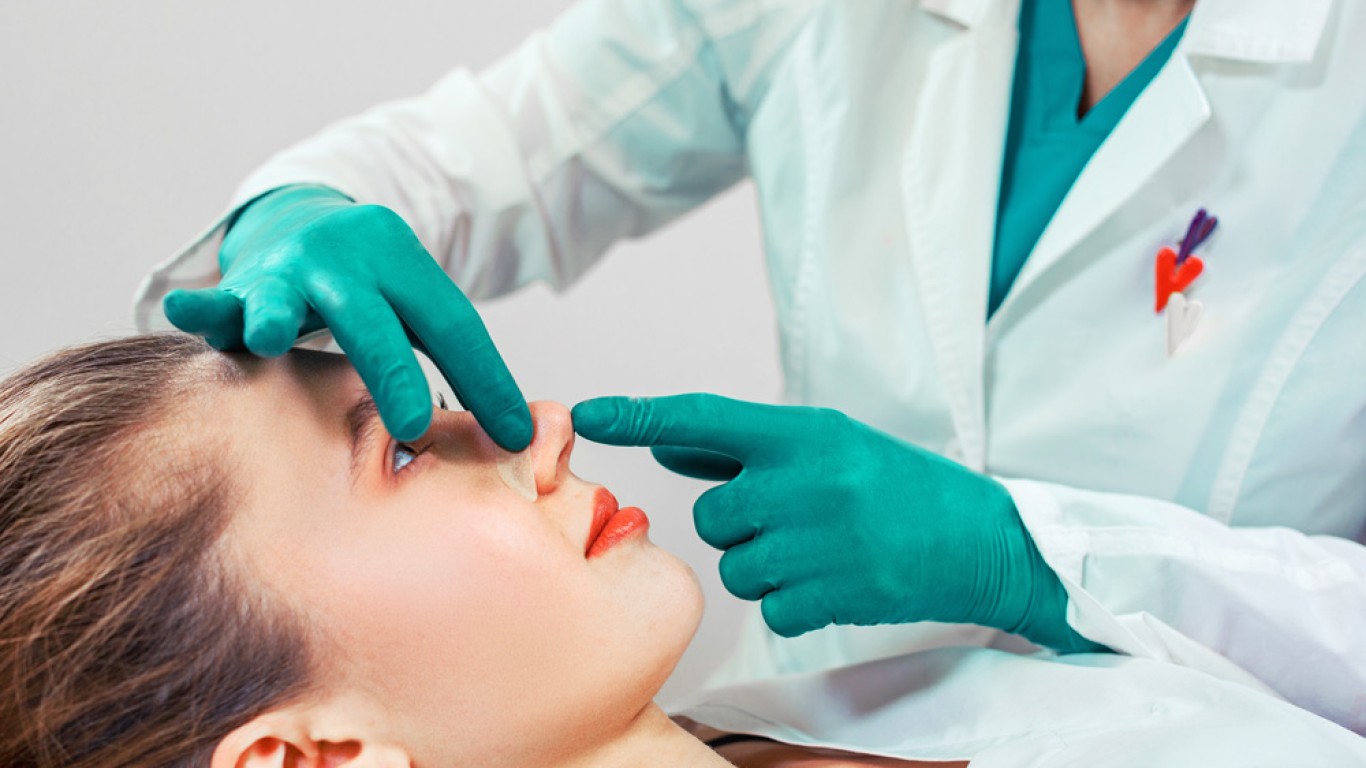
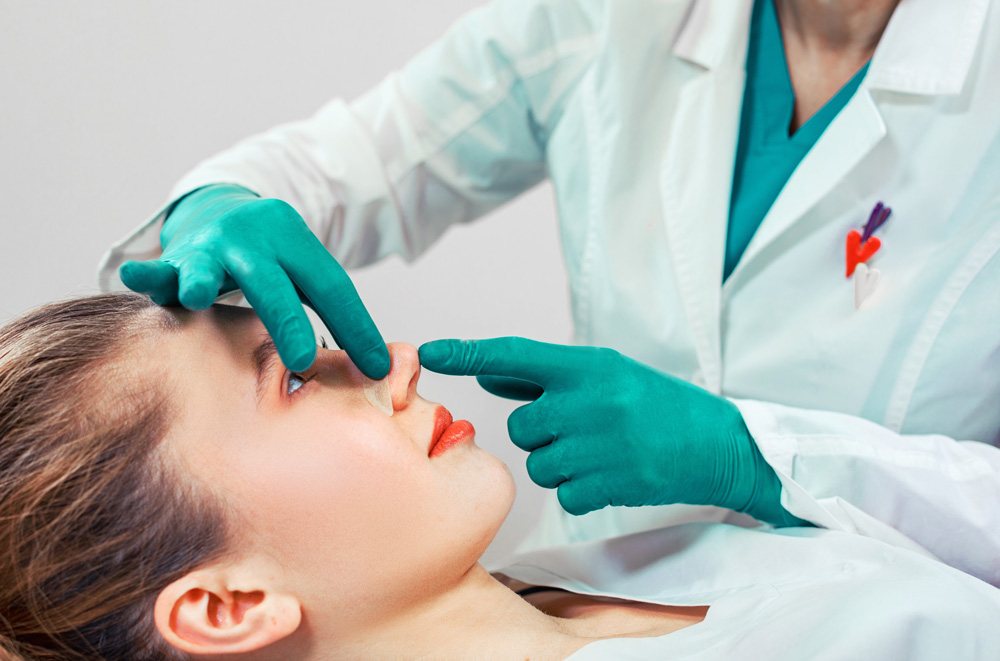
A detailed consultation is essential before any revision surgery. The surgeon reviews the patient's concerns and previous surgical history. Records from the original operation are helpful if available. The surgeon examines the nose externally and internally. They assess cartilage support, skin thickness and breathing function. Imaging, such as a CT scan, may be recommended in some cases. Photographs and digital imaging help agree on realistic goals. The surgeon will explain what can and cannot be achieved. Honest discussion at this stage builds trust and sets clear expectations.
How Secondary Rhinoplasty Works
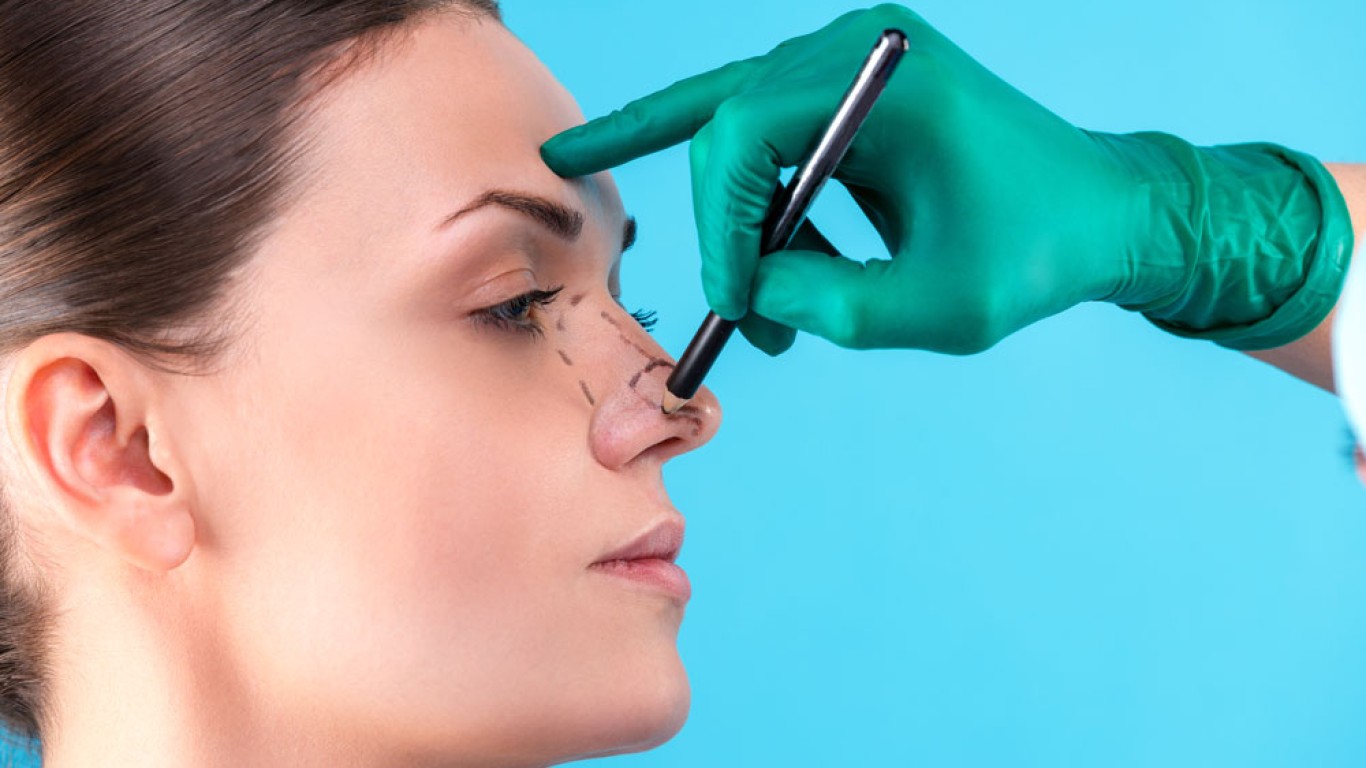
Most revision procedures use an open approach. A small incision across the columella allows the surgeon a clear view of the nasal structures. The surgeon carefully releases scar tissue to access the underlying framework. Damaged or weakened areas are then rebuilt and reinforced. Cartilage grafts are often used to restore support and shape. The surgeon may straighten the septum to improve breathing. Bone may be reshaped to correct asymmetry or residual bumps. The tip may be refined, supported or repositioned. Finally, the skin is redraped and the incisions are closed with fine sutures.
Cartilage Grafts Used in Revision Surgery
Many revision procedures need additional cartilage to rebuild the nose. The following table outlines the main graft sources.
| Graft Source | Main Features | Typical Use |
| Septal cartilage | Straight and strong; may be limited after previous surgery | Small structural grafts and tip support |
| Ear cartilage | Curved and flexible; leaves a hidden scar | Tip shaping and minor contour correction |
| Rib cartilage | Plentiful and strong | Major reconstruction and bridge support |
The surgeon will choose the most suitable source based on how much cartilage is needed.
Recovery After Secondary Rhinoplasty
Recovery after revision surgery is similar to a first rhinoplasty, but often longer. A nasal splint is usually worn for around one week. Swelling and bruising peak within the first few days. Most bruising fades within two weeks. Patients whose surgery used rib cartilage will also have chest discomfort. Most patients return to work within one to two weeks. Strenuous exercise should be avoided for around six weeks. Swelling, especially at the tip, can last longer than after primary surgery. Final results may take eighteen months to two years to appear.
Non-Surgical Options for Minor Irregularities
Not every concern after rhinoplasty requires further surgery. Small dips or irregularities can sometimes be softened with dermal filler. This is often called a non-surgical nose job. Filler can smooth minor contour defects and improve symmetry. Results are temporary and usually last nine to eighteen months. However, filler cannot reduce size or correct breathing problems. Injecting a previously operated nose also carries specific risks. Scar tissue can affect blood supply and increase the risk of complications. Only experienced practitioners should perform filler in a post-surgical nose. A surgeon can advise whether filler or revision surgery is more appropriate.
Preparing for Revision Surgery
Careful preparation helps support a successful outcome. Patients should gather records from their previous surgery if possible. Smokers should stop at least four to six weeks before the operation. Some medications and supplements may need to be paused. Patients needing rib cartilage should prepare for additional chest discomfort. Arranging two weeks off work allows time for early recovery. Patients travelling for surgery should plan to stay locally for around ten days.
The Emotional Side of Revision Rhinoplasty
Revision surgery can be an emotional experience for many patients. Some feel disappointed or anxious after their first result. Others worry about undergoing another operation. These feelings are understandable and should be discussed openly. A supportive surgeon will take time to listen and answer questions. Clear, realistic goals help reduce anxiety before surgery. Patients should allow plenty of time to make a confident decision. Support from family or friends can also help during recovery.
Conclusion
Secondary rhinoplasty corrects cosmetic or functional problems after a previous nose operation. It is more complex than a first rhinoplasty because of scar tissue and altered anatomy. Most surgeons recommend waiting at least twelve months before revision. Cartilage grafts are often used to rebuild support and improve shape. An experienced revision surgeon gives patients the best chance of a successful outcome.
To find out more information about secondary rhinoplasty and to book a consultation, visit the ACIBADEM Beauty Center Rhinoplasty webpage.
Frequently Asked Questions
Most surgeons recommend waiting at least twelve months after the first operation.
Yes. Scar tissue and reduced cartilage make revision surgery more complex.
Many revision procedures use grafts from the septum, ear or rib.
Most patients return to work within two weeks, but swelling lasts longer.
Yes. Revision surgery can correct structural problems that affect breathing.