Ataşehir Mah. Feza Sk. No:3 İstanbul / Türkiye
 French
  English
  German
  Spanish
Introduction
Stubborn abdominal fat is one of the most common concerns for patients seeking body contouring. Even with consistent exercise and balanced nutrition, fat around the stomach area can remain resistant. This often leads people to explore targeted aesthetic treatments. Stomach fat removal focuses on refining the midsection and enhancing natural contours. Beyond fat reduction, many patients are also interested in improved core definition. Understanding how results develop helps set realistic expectations. This article explains treatment approaches, outcomes, and factors influencing abdominal contouring results.
Why Stomach Fat Is Difficult to Reduce
Fat stored around the stomach is influenced by genetics, hormones and lifestyle factors. This area often responds slowly to traditional weight loss methods. The body tends to preserve central fat stores for metabolic reasons. As a result, even lean individuals may notice persistent abdominal fullness. Stress and ageing can also affect fat distribution. Over time, changes in muscle tone contribute to a softer appearance. Stomach fat removal addresses these stubborn deposits directly. Targeted approaches focus on reshaping rather than weight reduction. This distinction is important for outcome expectations.
What Stomach Fat Removal Treatments Aim to Achieve
The primary goal of stomach fat removal is improved contour rather than significant weight change. Treatments aim to reduce localised fat layers - this creates a flatter and more proportionate abdominal profile. Results focus on shape and definition. Many patients seek smoother transitions between the waist and abdomen. Subtle contouring can enhance overall body balance. Core contouring also supports clothing fit and silhouette. The emphasis is on refinement rather than transformation - understanding this goal supports satisfaction.
Stomach Fat Removal Compared to Weight Loss
Stomach fat removal is not a substitute for weight loss. Weight reduction affects overall body fat distribution. Contouring targets specific areas resistant to change. The two approaches serve different purposes. Patients often pursue contouring after stabilising their weight. This supports predictable outcomes. Understanding this distinction prevents unrealistic expectations. Shape improvement is the primary aim.
How Core Contouring Enhances Abdominal Definition
Core contouring goes beyond fat reduction alone, it considers the natural shape of the abdominal muscles. Strategic fat removal highlights underlying muscle structure. This can create a more athletic appearance. Even without prominent muscles, contouring improves firmness. Balanced shaping avoids an over-treated look and surgeons plan contours carefully to suit individual anatomy. Core contouring complements natural movement. Results appear more harmonious as a result.
Areas of the Stomach Commonly Treated
Stomach fat removal can target several abdominal zones.
- The upper abdomen often holds resistant fat pockets.
- The lower abdomen is another common concern, particularly after weight changes.
- Flanks may also be included for balanced results.
Treating multiple areas together improves contour continuity. Planning considers symmetry and proportion given that the goal is a smooth, natural outline. Individual anatomy guides treatment scope. Area selection influences overall outcome.
Stomach Fat Removal and Body Proportions
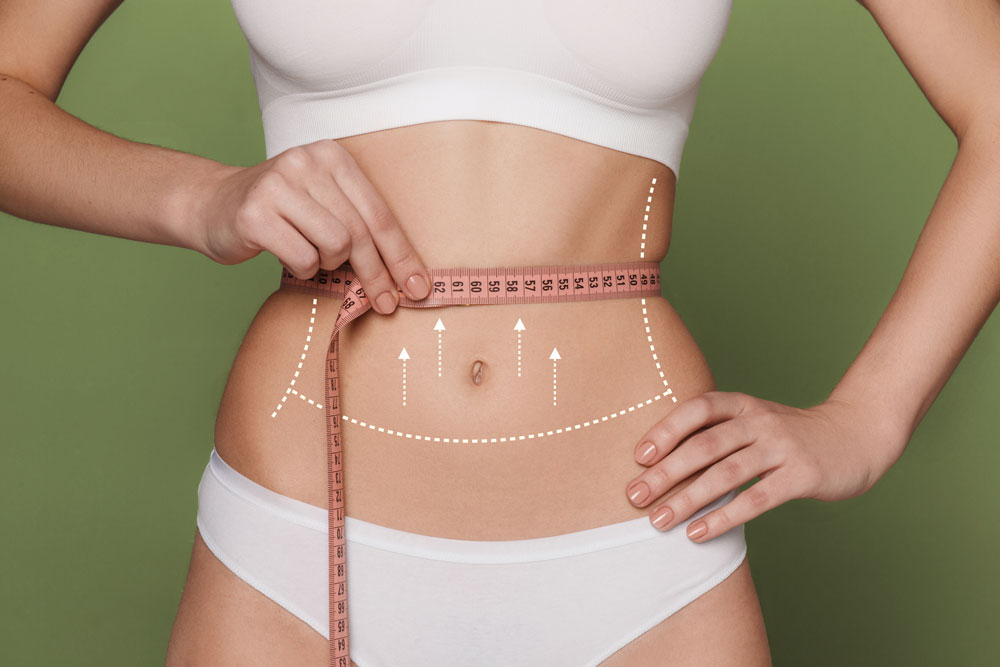
Abdominal contouring affects overall body proportions. Reducing central fullness can visually lengthen the torso and enhance the appearance of the waistline. Balanced proportions contribute to aesthetic harmony. Core contouring often works alongside waist shaping. The relationship between the abdomen and hips is considered. Subtle changes can have a significant visual impact and proportion matters as much as fat volume.
Upper Versus Lower Abdominal Contouring Differences
The upper and lower abdomen respond differently to contouring treatments.
- Upper abdominal fat is often firmer and distributed more evenly.
- Lower abdominal fat tends to be softer and more localised.
- These differences influence how stomach fat removal is planned. Surgeons adjust technique based on fat texture and location.
- Upper abdominal contouring focuses on smooth transitions near the ribcage.
- Lower abdominal contouring prioritises flattening and balance.
- Treating both areas together improves harmony.
- Understanding these distinctions supports better outcomes.
Core Contouring and Natural Muscle Definition
Core contouring aims to enhance natural muscle outlines rather than exaggerate them. Even without visible muscle separation, shaping can improve firmness. Strategic fat reduction allows the underlying structure to appear more defined - this creates a toned appearance. Surgeons consider muscle placement carefully. Over-removal is avoided to maintain natural movement. Subtle contouring supports realistic definition - results appear athletic rather than artificial.
The Impact of Posture on Abdominal Appearance
Posture plays a significant role in how abdominal contours appear. Poor posture can make the stomach project forward. Improved posture enhances core definition visually, this effect complements stomach fat removal results. Many patients notice improved awareness of posture after contouring. Stronger core engagement supports overall appearance. While posture doesn’t change fat distribution, it affects visual outcome. Surgeons may discuss this during consultation. Body mechanics influence perception.
How Clothing Fit Changes After Stomach Fat Removal
One noticeable result of stomach fat removal is improved clothing fit. Waistbands often sit more comfortably and garments drape more smoothly over the abdomen. This practical benefit is important for many patients. Clothing fit reflects contour improvements clearly. Patients may feel more confident choosing fitted styles because core contouring supports a streamlined silhouette. This everyday impact enhances satisfaction. Functional benefits matter alongside aesthetics.
Managing Expectations for Athletic Versus Soft Contours
Not all patients seek an athletic appearance - some prefer a softer, natural abdominal contour. Stomach fat removal can be tailored accordingly. Surgeons discuss aesthetic preferences carefully. Athletic contours require precise shaping whereas softer contours prioritise smoothness. Both approaches aim for balance and proportion. Personal goals guide technique selection.
How Core Contouring Results Age Over Time
Abdominal contours continue to evolve with natural ageing as skin tone may change gradually. However, fat reduction results are typically long lasting. Weight stability supports sustained improvement. Surgeons plan contours that age naturally. Extreme shaping is avoided because balanced results maintain harmony over time. Understanding how ageing impacts these treatments over time supports realistic expectations.
How Results Develop Over Time
Results from stomach fat removal develop gradually. Initial changes may be visible once swelling reduces. Over time, contours continue to refine. Final results become clearer as tissues settle. Patience is hugely important during this process. The abdomen adjusts slowly to contour changes and both skin tone and elasticity influence progression. Gradual improvement is expected. Understanding the timeline supports realistic expectations.
The Role of Skin Quality in Final Results
Skin quality plays an important role in how results appear. Elastic skin adapts more easily to reduced volume, and firmer skin supports smoother contours. Age and genetics influence elasticity. Surgeons assess skin condition during consultation to help guide treatment planning. In some cases, contouring focuses on subtle refinement. Skin response affects overall appearance.
Lifestyle Factors That Influence Core Contouring Results
Lifestyle habits influence how results are maintained. Regular activity supports muscle tone and balanced nutrition helps stabilise body composition. Hydration supports skin quality. While fat cells are reduced, the remaining cells can still change size. Healthy routines support long-term results and surgeons will often discuss maintenance strategies. Consistency matters after treatment.
Stomach Fat Removal in Turkey
Turkey has become a popular destination for body contouring procedures. Clinics in Istanbul, in particular, offer modern facilities and experienced specialists. Stomach fat removal is commonly performed within structured care pathways and international patients value organised treatment plans. Leading Turkish healthcare clinics focus on personalised assessment. Treatment planning considers personal anatomy and goals while advanced techniques support precise contouring. Turkey combines expertise with accessibility, a key reason why it attracts patients worldwide.
Understanding Realistic Core Contouring Outcomes
Realistic expectations are essential for satisfaction. Stomach fat removal enhances shape rather than creating dramatic change - the results aim to look natural and proportionate. Over-contouring is avoided. Remember that surgeons prioritise balance and subtle definition. Individual anatomy sets boundaries for outcomes and honest consultation supports better understanding. Viewing before-and-after examples will help provide clarity pre-surgery.
Long-Term Appearance and Maintenance
Long-term appearance depends on several factors. Body weight stability plays an important role. Natural ageing continues to influence skin tone. However, contour improvements are typically long lasting. Maintenance focuses on healthy routines. Periodic assessment supports long-term satisfaction. Patients often appreciate lasting shape enhancement. Understanding maintenance supports planning. Long-term value is an important consideration.
Conclusion
Stomach fat removal offers a targeted approach to refining abdominal contours. It focuses on shape, balance and core definition rather than weight loss. Results develop gradually and depend on individual anatomy, but skin quality and lifestyle influence final appearance. When planned carefully, outcomes appear natural and proportionate. With expert care, stomach fat removal can enhance confidence in body contours.
For more information and to book a consultation visit the ACIBADEM Beauty Center website.
Frequently Asked Questions
It focuses on localised abdominal fat resistant to lifestyle changes.
No, it reshapes specific areas rather than reducing overall body weight.
Initial changes appear gradually as swelling reduces over time.
Yes, skin elasticity influences how smoothly contours appear.
Turkey offers experienced specialists and organised care pathways.