Ataşehir Mah. Feza Sk. No:3 İstanbul / Türkiye
 English
  German
  Spanish
Introduction
A TCA chemical peel is one of the most effective treatments for improving skin texture and tone. TCA stands for trichloroacetic acid. It is used at varying concentrations to treat a wide range of skin concerns. These include fine lines, sun damage, uneven pigmentation, acne scarring and dullness. Understanding the before and after journey helps patients approach the treatment with realistic expectations. This article explains what happens to the skin before, during and after treatment. It covers each stage of healing in detail. It also explains what results patients can realistically achieve and how to maintain them long term.
What Is a TCA Chemical Peel?
A TCA chemical peel uses trichloroacetic acid to penetrate the skin. The acid removes the outer layers and triggers natural skin renewal. New, healthier skin forms during the healing process. TCA is available in a range of concentrations. Superficial peels use lower concentrations of ten to twenty percent. These target surface-level concerns with minimal downtime. Medium-depth peels use concentrations of twenty to thirty-five percent. These penetrate the upper dermis and produce more significant results. Deep TCA peels are less common. They are reserved for more severe skin concerns under clinical supervision. The concentration used depends on the individual's skin concerns and tolerance. A qualified practitioner selects the appropriate strength during the pre-treatment consultation.
Before a TCA Chemical Peel: Preparation
Preparation before a TCA chemical peel is important for safety and results. The skin should be primed in the weeks before treatment. Retinoids and skin-brightening products prepare the skin for more even acid penetration. A hydroquinone-based primer may be recommended for patients with pigmentation concerns. It reduces the risk of post-inflammatory hyperpigmentation during healing. Sun exposure must be avoided in the four weeks before treatment. Sun-damaged skin is more reactive to TCA acid. Retinoids and active acids should be paused in the days before the session. The practitioner confirms the full pre-treatment protocol during consultation. Arriving with clean, product-free skin is standard practice. Photographs are taken before treatment to allow clear before and after comparison later.
During the TCA Chemical Peel Treatment
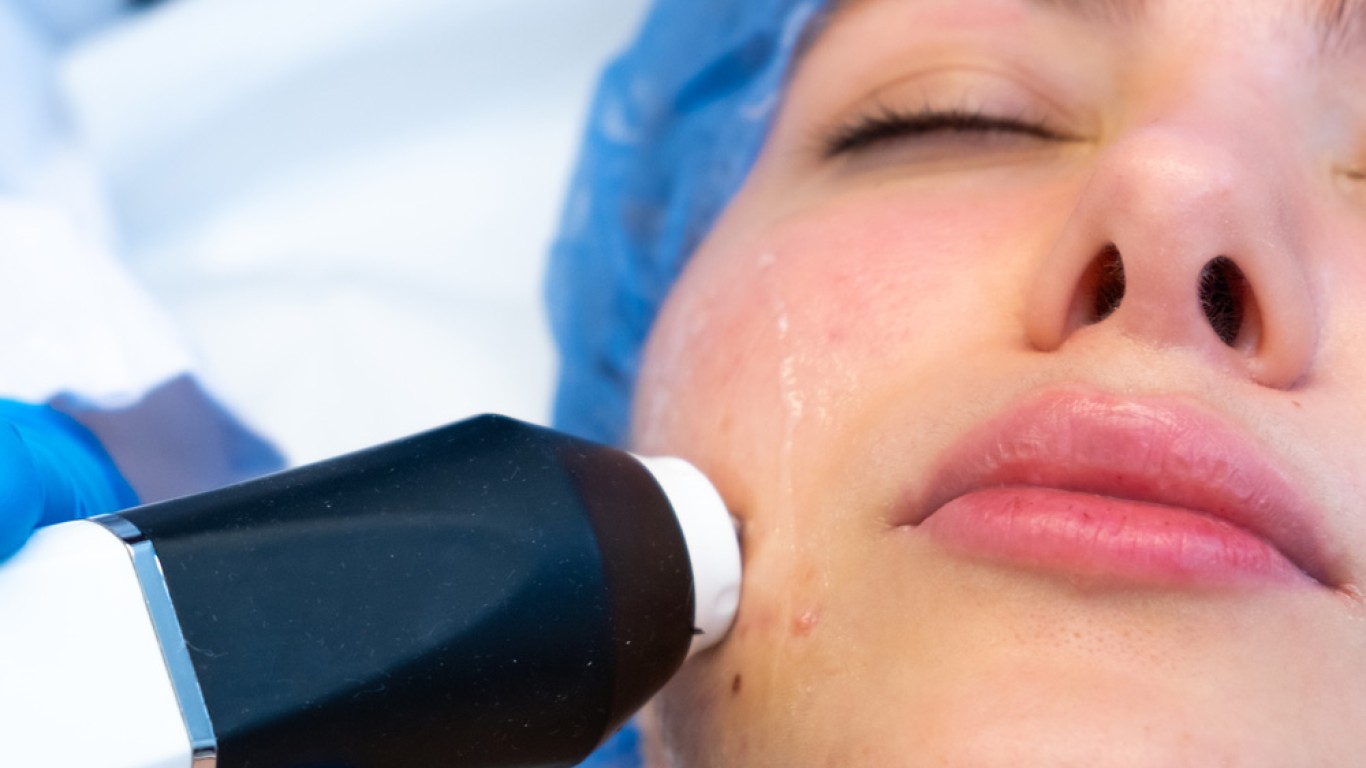
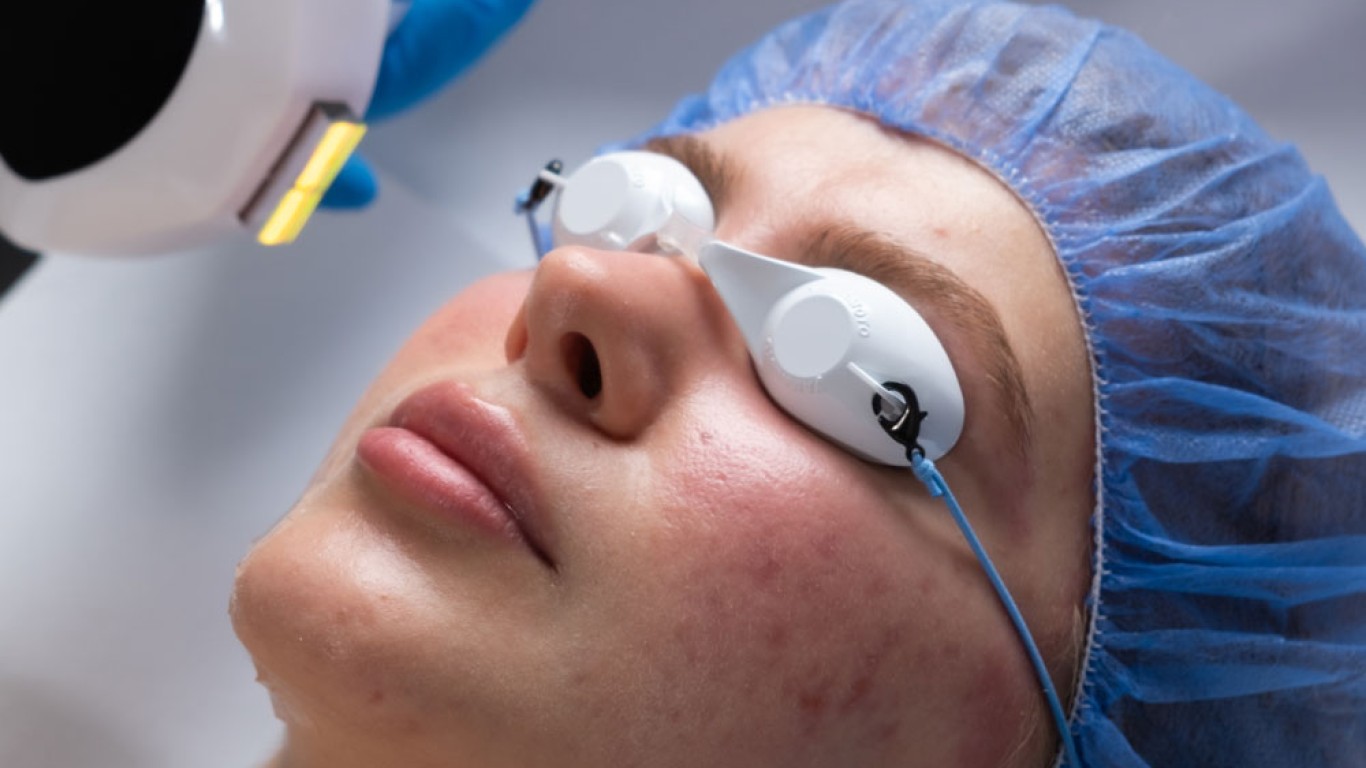
The treatment begins with thorough skin cleansing. The TCA acid is applied using a brush or gauze in controlled layers. A stinging or burning sensation is felt as the acid makes contact. This is normal and expected. The intensity depends on the concentration being used. A white frosting appears on the skin as the acid works. This indicates the depth of penetration being achieved. The frosting fades as the session progresses. Cool air or a fan reduces the stinging sensation during application. The practitioner monitors the skin carefully throughout. A neutralising agent is applied once the desired effect is achieved. The skin appears red and tight immediately after treatment. The procedure takes thirty to sixty minutes depending on the area and concentration used.

Days One to Three: TCA Chemical Peel Before and After Begins
The first three days after a TCA chemical peel involve the most visible immediate changes. The skin appears red, swollen and feels tight. A sunburn-like sensation is common. This is the skin responding to the controlled acid injury. Peeling does not begin immediately. The skin may feel papery and stiff. Keeping the skin moisturised is the priority during this period. Prescribed ointments are applied generously to support the barrier. Avoid washing the face with anything other than gentle lukewarm water. Do not pick or rub the skin. Sun exposure must be avoided completely during this phase. Most patients take time off work for the first three days. The redness and swelling are the most visible signs of healing beginning.
Days Four to Seven: Peeling and TCA Chemical Peel Recovery
Days four to seven are when the visible peeling phase begins. The skin starts to shed the treated outer layers. Peeling typically begins around the mouth and chin first. It then spreads across the rest of the face. Skin sheds in sheets or flakes depending on the concentration used. This is the most dramatic-looking stage of the TCA chemical peel healing process. It can feel alarming but is entirely normal. Resist the urge to peel the skin manually. Premature removal can cause scarring or pigmentation. Continue applying moisturiser generously throughout the day. Use a gentle, non-foaming cleanser. Avoid makeup until the peeling has fully resolved. Stay hydrated and eat well to support healing from within.
Week Two: New Skin Revealed After TCA Chemical Peel
By week two, most of the peeling has resolved. The new skin beneath is visible. It appears pink, fresh and noticeably smoother than before treatment. Redness gradually fades during this week. The skin feels softer and looks brighter. This is the beginning of the visible TCA chemical peel before and after transformation. Some residual pink tone is normal. It continues to fade over the following weeks. Most patients feel comfortable returning to social activities by day ten to fourteen. Mineral makeup can be applied once peeling is fully resolved. Continue using SPF50 sunscreen daily. The new skin is sensitive to UV light. Sun protection is the most important aftercare step during this period.
Weeks Three to Six: TCA Chemical Peel Before and After Results Develop
The TCA chemical peel before and after improvement continues during weeks three to six. Collagen production stimulated during healing becomes visible. Fine lines appear softer. Skin tone becomes more even. Pigmentation and sun damage fade progressively. Texture improves as pores appear finer. The skin looks more youthful and refined. Patients often describe this phase as when they begin to see the real value of treatment. Residual pinkness continues to fade. Most patients look fully healed and natural by week six. SPF use remains essential throughout this period. Adding a vitamin C serum supports ongoing brightening and collagen protection during this phase.
TCA Chemical Peel Before and After: What Results to Expect
The TCA chemical peel before and after results vary depending on the concentration used and the concern being treated. Fine lines respond well to medium-depth treatment. Patients notice smoother skin with softer surface lines after a single session. Pigmentation and sun damage improve significantly. Age spots and uneven tone fade noticeably. Acne scarring shows visible improvement after medium-depth treatment. Multiple sessions may be needed for deeper scarring. Skin texture becomes noticeably refined. Pores appear smaller. Overall radiance improves dramatically. Patients consistently describe looking fresher and more rested after treatment. A single medium-depth peel can produce results lasting one to two years with proper aftercare and sun protection.
Maintaining Results
Maintaining TCA chemical peel results requires consistent aftercare. Daily SPF50 sunscreen is essential. Sun exposure is the primary cause of premature skin ageing and pigmentation recurrence. Retinoids reintroduced six weeks after treatment support ongoing skin renewal. Vitamin C serums protect collagen and maintain brightness. Avoiding smoking supports long-term skin health. Staying hydrated and maintaining a good diet supports the skin from within. A maintenance peel at a lighter concentration can be performed every twelve months. This sustains the improvement achieved by the initial treatment. Professional consultation before any further peels ensures timing and concentration remain appropriate for the individual skin.
Conclusion
A TCA chemical peel produces meaningful and visible skin improvement. Before and after results consistently show softer lines, more even tone and refined texture. Preparation before treatment and careful aftercare during healing are essential. The healing process takes up to six weeks for the full result to be visible. Medium-depth peels produce the most significant improvement for most patients. Results last one to two years with consistent sun protection and skincare. Professional consultation ensures the right concentration for individual skin concerns. Treatment at an accredited clinic delivers safe, effective results that genuinely transform skin quality and confidence.
For more information about TCA peel and to book a consultation visit the ACIBADEM Beauty Center Aesthetics page.
Frequently Asked Questions
It treats fine lines, sun damage, uneven pigmentation, acne scarring and dull skin tone. The concentration used determines how deeply it penetrates and what concerns it addresses.
Initial peeling resolves by day seven to ten. Full results are visible by weeks three to six as new collagen production improves the skin progressively.
A stinging or burning sensation is felt during application. Cool air manages discomfort during the session. Sensations resolve quickly once the acid is neutralised.
Medium-depth results typically last one to two years. Consistent sun protection and annual maintenance peels extend results further over time.
Mineral makeup can be applied from around day ten to fourteen once peeling has fully resolved and the skin barrier has had time to recover.