Ataşehir Mah. Feza Sk. No:3 İstanbul / Türkiye
 French
  English
  German
  Spanish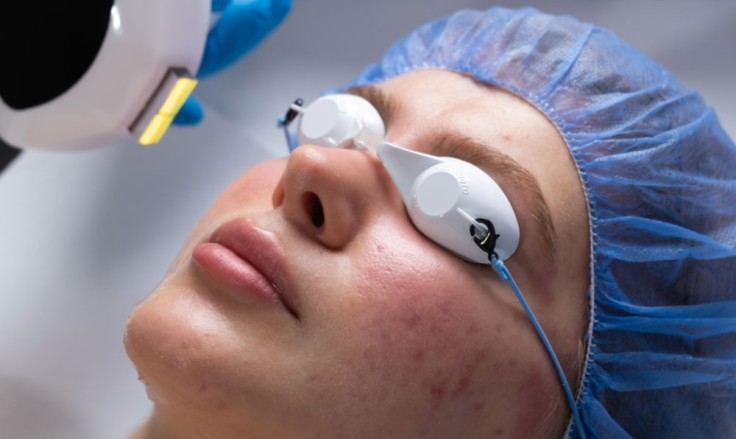
Introduction
Skin ageing, sun exposure and environmental stress can gradually affect complexion quality and resilience. Fine lines, uneven tone, enlarged pores and texture irregularities often develop over time. Lifestyle factors such as pollution and repetitive facial movement can accelerate these visible changes. Laser facial treatments have evolved significantly in 2026, offering more precise and personalised solutions than earlier systems. Modern platforms are designed to target specific skin layers without unnecessary surface damage. The goal is controlled stimulation rather than aggressive resurfacing. Understanding how these treatments work helps patients choose the most appropriate approach for their skin concerns.
How Laser Technology Has Advanced
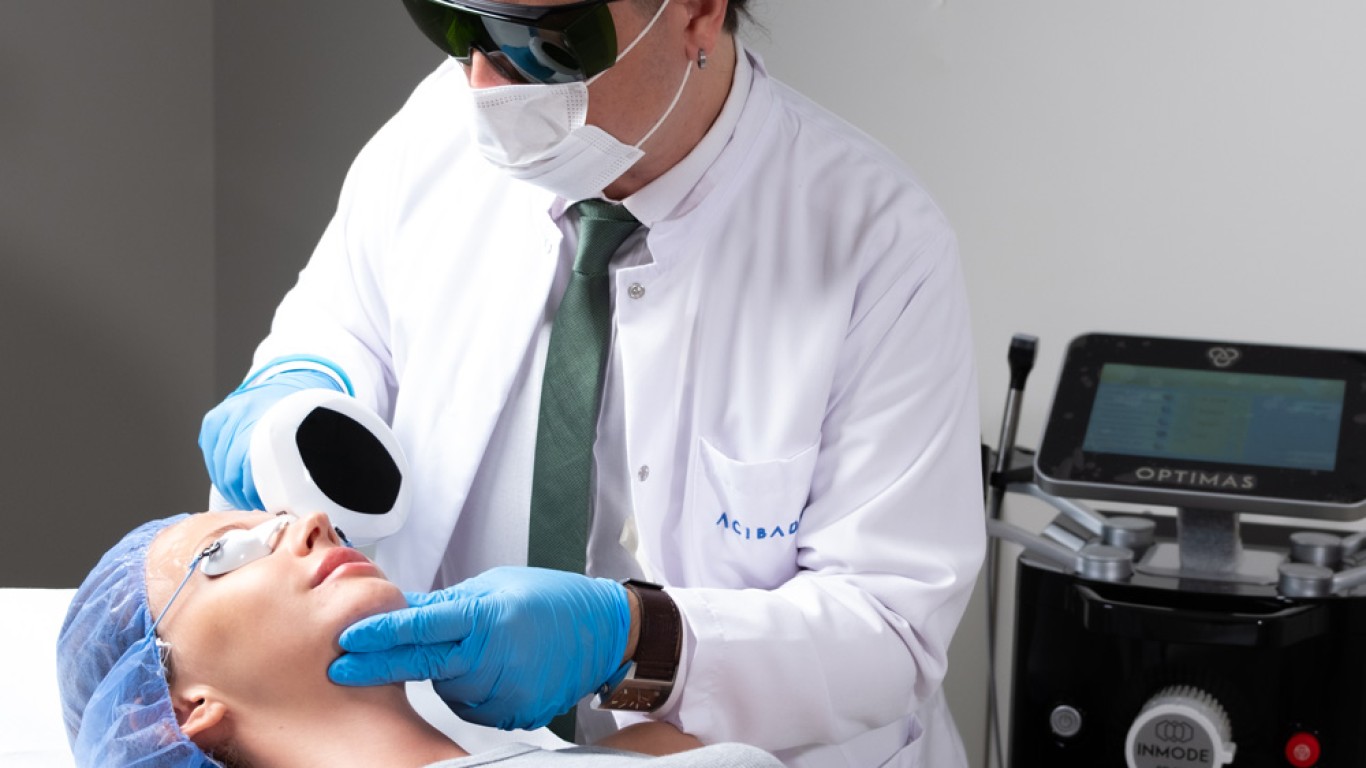
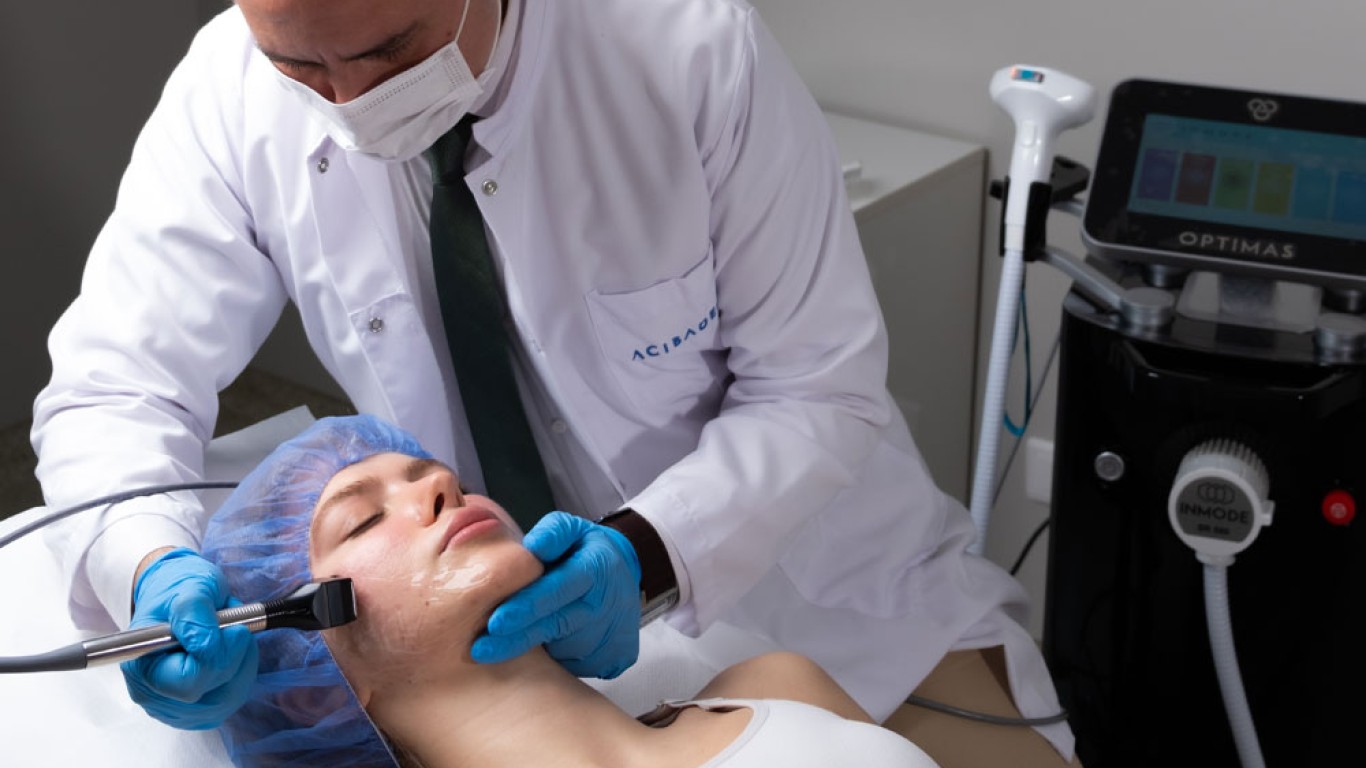
Laser platforms in 2026 are more refined, selective and adaptable than previous generations. Adjustable wavelengths allow customised treatment based on skin type, pigmentation level and sensitivity. Energy delivery is controlled precisely to minimise impact on surrounding tissue. Cooling mechanisms and real-time monitoring improve comfort during treatment. Laser facial treatments now focus on targeted stimulation rather than uniform ablation across the entire surface. This selective approach improves safety while maintaining effectiveness. Technological refinement supports predictable outcomes and allows practitioners to tailor sessions according to individual skin response.
Laser Facial Treatments: Stimulating Collagen Production
One of the primary benefits of laser facial treatments is collagen stimulation within the deeper dermal layers. Controlled thermal energy activates the skin’s natural repair response without damaging healthy tissue unnecessarily. This process encourages fibroblast activity, leading to gradual collagen and elastin remodelling. Over time, skin appears firmer, smoother and more elastic. Results develop progressively as new collagen forms beneath the surface. Improvement may continue for several months following treatment. The enhancement is natural and cumulative rather than immediate or artificial.
Targeting Acne Scars and Textural Irregularities
Acne scarring can create uneven texture and visible depressions in the skin. Laser facial treatments stimulate collagen within scarred areas to soften their appearance. Controlled energy encourages remodelling beneath the surface. Over several sessions, skin texture becomes smoother and more uniform. Results develop progressively as new collagen integrates. Careful spacing between sessions allows optimal healing.
How Laser Facial Treatments Improve Skin Texture and Tone
Uneven texture and pigmentation are common concerns addressed effectively with laser therapy. Laser facial treatments can reduce roughness, refine pore appearance and smooth mild scarring. Targeted energy breaks down excess pigment in selected areas while preserving surrounding tissue. As the skin renews itself, tone appears more even and luminous. Controlled resurfacing enhances smoothness without excessive irritation. Gradual regeneration allows for subtle yet noticeable refinement. Balanced planning ensures improvements look natural rather than overtreated.
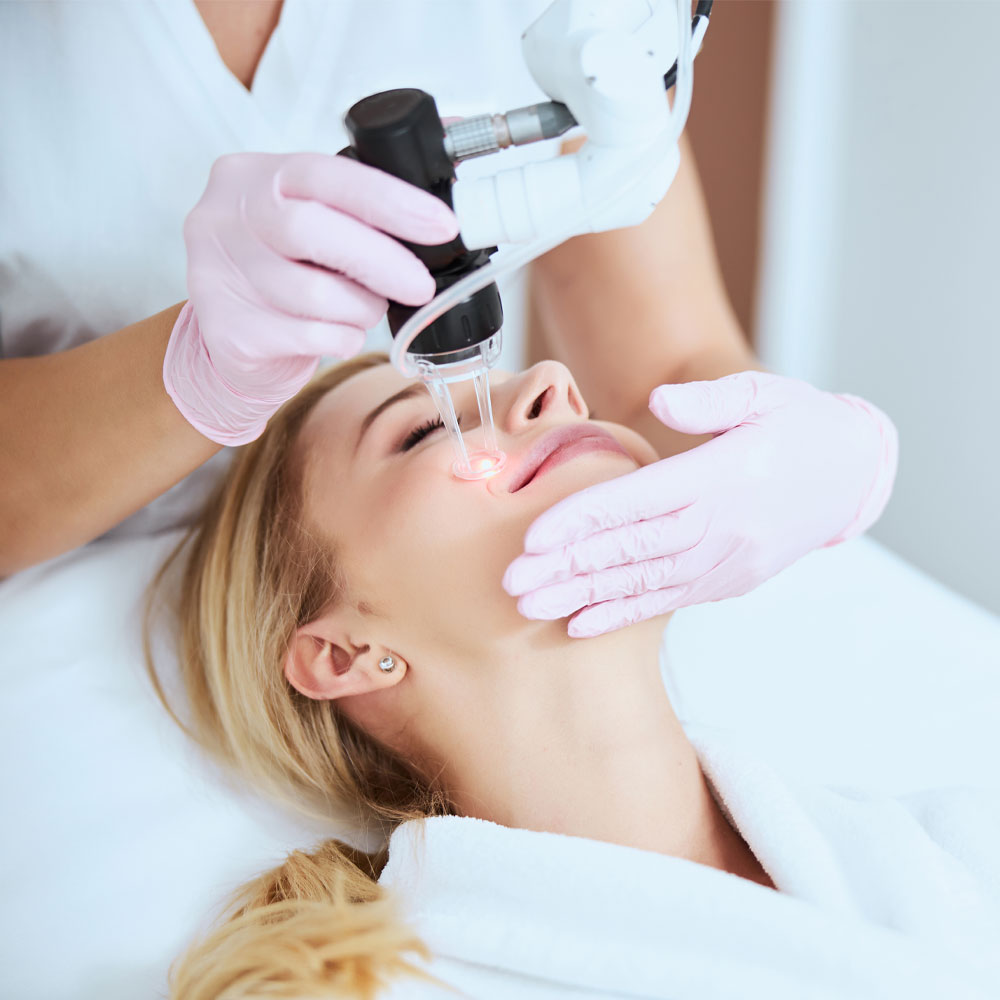
Managing Pore Size and Oil Balance
Enlarged pores often result from excess oil production and reduced skin elasticity. Laser facial treatments stimulate collagen around pore openings, making them appear tighter. Heat energy can also regulate sebaceous gland activity in some systems. Over time, the skin surface appears smoother and more refined. Improved pore appearance contributes to overall clarity.
How Laser Facial Treatments Reduce Fine Lines and Early Wrinkles
Fine lines often form due to repetitive expression, collagen depletion and environmental exposure. Laser facial treatments soften these lines by improving underlying structural support. Heat stimulation tightens superficial layers while encouraging deeper renewal. Subtle lines around the eyes, forehead and mouth may improve gradually. The objective is refreshed appearance rather than dramatic alteration. Maintenance sessions may enhance durability and preserve smoothness. Combining treatment with protective skincare can prolong visible benefits.
How How Laser Facial Treatments Address Sun Damage
Cumulative sun exposure contributes to pigmentation changes, rough texture and loss of clarity. Laser facial treatments target sun spots and uneven tone with precision. Specific wavelengths focus on melanin deposits without harming surrounding tissue. As damaged pigment fragments are cleared, complexion appears brighter and more uniform. Repeated sessions may enhance overall clarity. Sun protection remains essential after treatment to maintain improvements. Long-term care supports sustained brightness and resilience.
Customising Laser Facial Treatments for Different Skin Types
Modern systems allow adjustment based on skin tone, thickness and sensitivity. Laser facial treatments can be tailored for lighter and darker complexions when performed by experienced practitioners. Careful parameter selection reduces the risk of uneven pigmentation or irritation. Consultation determines appropriate intensity, frequency and combination strategies. Personalised planning enhances both safety and effectiveness. Tailored protocols ensure treatment aligns with individual goals.
Enhancing Skin Brightness and Radiance
Dull skin tone may result from accumulated damage and slowed cell turnover. Laser facial treatments promote renewal by encouraging controlled resurfacing. As old, damaged cells shed, fresher layers become visible. Improved circulation also contributes to a healthier glow. Many patients notice enhanced luminosity within weeks. The effect is subtle but contributes to overall vibrancy.
Laser Facial Treatments and Preventative Ageing Strategies
Laser facial treatments aren’t just limited to corrective care. Some patients begin treatment early as part of preventative skin management. Stimulating collagen before significant laxity develops may help delay visible ageing signs. Lower-intensity sessions can maintain firmness gradually. Preventative strategies focus on preservation rather than reversal. Regular evaluation supports long-term skin resilience.
Treating Vascular Concerns
Certain laser systems target vascular irregularities such as redness and visible capillaries. Specific wavelengths are absorbed by haemoglobin within blood vessels - this reduces the appearance of redness over time. Laser facial treatments can improve rosacea-related flushing in selected cases. Gradual improvement occurs as treated vessels fade. Tailored parameters ensure surrounding tissue remains unaffected.
Fractional Versus Full-Field Laser Approaches
Laser facial treatments can be delivered using fractional or full-field techniques.
- Fractional systems treat microscopic columns of skin while leaving surrounding tissue intact. This promotes faster healing and controlled collagen stimulation.
- Full-field resurfacing treats a broader surface area and may produce more dramatic texture improvement.
- The choice depends on skin condition, downtime tolerance and desired intensity.
- Fractional methods are commonly preferred for gradual rejuvenation with reduced recovery.
Recovery and Downtime
Recovery depends on the depth and type of laser selected. Non-ablative treatments typically involve minimal downtime, with mild redness that resolves quickly. Ablative procedures require longer healing but provide more dramatic resurfacing. Laser facial treatments in 2026 emphasise balance between visible improvement and manageable recovery. Aftercare guidance supports hydration and barrier repair. Clear communication about recovery expectations ensures confidence throughout the process.
Combining Lasers With Other Treatments
Laser therapy can be integrated into broader skin rejuvenation plans. Injectable treatments may complement resurfacing by addressing volume or expression lines. Medical-grade skincare enhances collagen support between sessions. Laser facial treatments work most effectively within a structured, personalised programme. Integrated strategies improve overall rejuvenation outcomes and maintain results longer.
Seasonal Considerations for Laser Facial Treatment
Timing may influence laser treatment planning. Reduced sun exposure during cooler months can support safer recovery. Laser facial treatments require diligent sun protection after each session and practitioners often recommend avoiding intense sun exposure during healing. Careful scheduling ensures optimal outcomes without pigment disruption.
Why Many People Choose Turkey for Skin Rejuvenation
Turkey offers advanced dermatological technology and experienced practitioners trained in modern laser systems. Comprehensive consultation ensures personalised treatment planning based on detailed skin analysis. Laser facial treatments are performed using regulated, up-to-date equipment. Patients value professional assessment, structured aftercare and tailored protocols. Precision technique and modern facilities enhance predictable results and patient confidence.
The Importance of Professional Assessment
Comprehensive evaluation is essential before beginning laser therapy. Skin type, pigmentation pattern and sensitivity must be analysed carefully because laser facial treatments require parameter adjustments based on these factors. Professional assessment reduces complications and enhances predictability. A tailored plan aligns treatment intensity with personal goals.
Long-Term Skin Maintenance
While collagen stimulation produces lasting improvement, maintenance sessions may be beneficial. Laser facial treatments can be repeated periodically to sustain firmness and clarity. Ongoing skincare supports treatment longevity. Antioxidants and sunscreen protect regenerated tissue. A long-term maintenance strategy maximises cumulative benefit.
Patient Confidence and Gradual Transformation
Laser therapy often produces incremental change rather than sudden transformation. Many patients appreciate gradual improvement that appears natural. Laser facial treatments enhance confidence without altering facial identity. Subtle refinement aligns with modern aesthetic preferences. Consistency and patience support satisfaction.
Conclusion
Overall, laser facial treatments in 2026 represent a refined, adaptable approach to skin rejuvenation. Through collagen stimulation, pigment correction and texture refinement, they address multiple concerns simultaneously. With professional assessment, personalised planning and long-term maintenance, patients can achieve healthier, brighter and more resilient skin in a controlled and progressive manner.
To find out more about the latest laser facial treatments in 2026, visit the ACIBADEM Beauty Center skin treatments page.
Frequently Asked Questions
They are procedures that use controlled light energy to improve skin quality.
Collagen improvement is long lasting, but maintenance may be needed.
It depends on the depth of treatment selected.
Yes, when parameters are adjusted appropriately.
This varies depending on the concern and treatment intensity.