Ataşehir Mah. Feza Sk. No:3 İstanbul / Türkiye
 French
  English
  German
  Spanish
Introduction
The thread face lift has evolved significantly over recent years. New thread materials and refined techniques have made the treatment more effective than ever in 2026. Many patients seek the procedure as a way to achieve facial lifting without surgical incisions. The treatment continues to grow in popularity due to its short recovery and natural-looking results. Modern thread face lift procedures use bioabsorbable materials that stimulate long-term collagen production. Understanding how the treatment has developed helps patients make informed decisions. This article explains how thread face lift works in 2026, the latest advances in thread technology and what patients can expect from current procedures.
What Is a Thread Face Lift in 2026?
A thread face lift in 2026 uses advanced bioabsorbable sutures to lift and tighten facial tissue. The threads contain small barbs or cones that grip the soft tissue beneath the skin. The practitioner inserts the threads through fine needles. Threads are then positioned to create an immediate lifting effect. The materials used in modern thread face lift treatments dissolve naturally over several months. As they dissolve, they trigger collagen production in the surrounding tissue. This combined mechanical and biological action produces both immediate and progressive results. The procedure represents a middle ground between non-surgical injectables and full surgical facelift options.
Latest Thread Face Lift Technology
Thread technology has advanced considerably by 2026. Three main thread types are now widely used. Polydioxanone threads are the most common and dissolve within four to six months. Poly-L-lactic acid threads last longer and provide stronger collagen stimulation. Polycaprolactone threads offer the longest-lasting results of up to two years. Each material has specific advantages depending on the patient’s needs and goals. Modern thread face lift treatments often combine different thread types for optimal results. The choice depends on individual anatomy and the desired duration of results. The practitioner recommends the most appropriate combination during consultation based on a thorough assessment.
How a Thread Face Lift Works
A thread face lift works through two complementary mechanisms. The first is the immediate mechanical lift created by the threads. Small barbs along the threads catch and reposition the soft tissue. This produces visible lifting at the moment of placement. The second mechanism is biological. The threads stimulate the body’s natural healing response. Fibroblast cells in the surrounding tissue produce new collagen. This creates additional firmness and continued improvement over the following months. The combined effect provides both immediate results and progressive enhancement. The natural collagen production continues even after the threads have fully dissolved, supporting longer-lasting improvement.
Areas Treated with Thread Face Lift
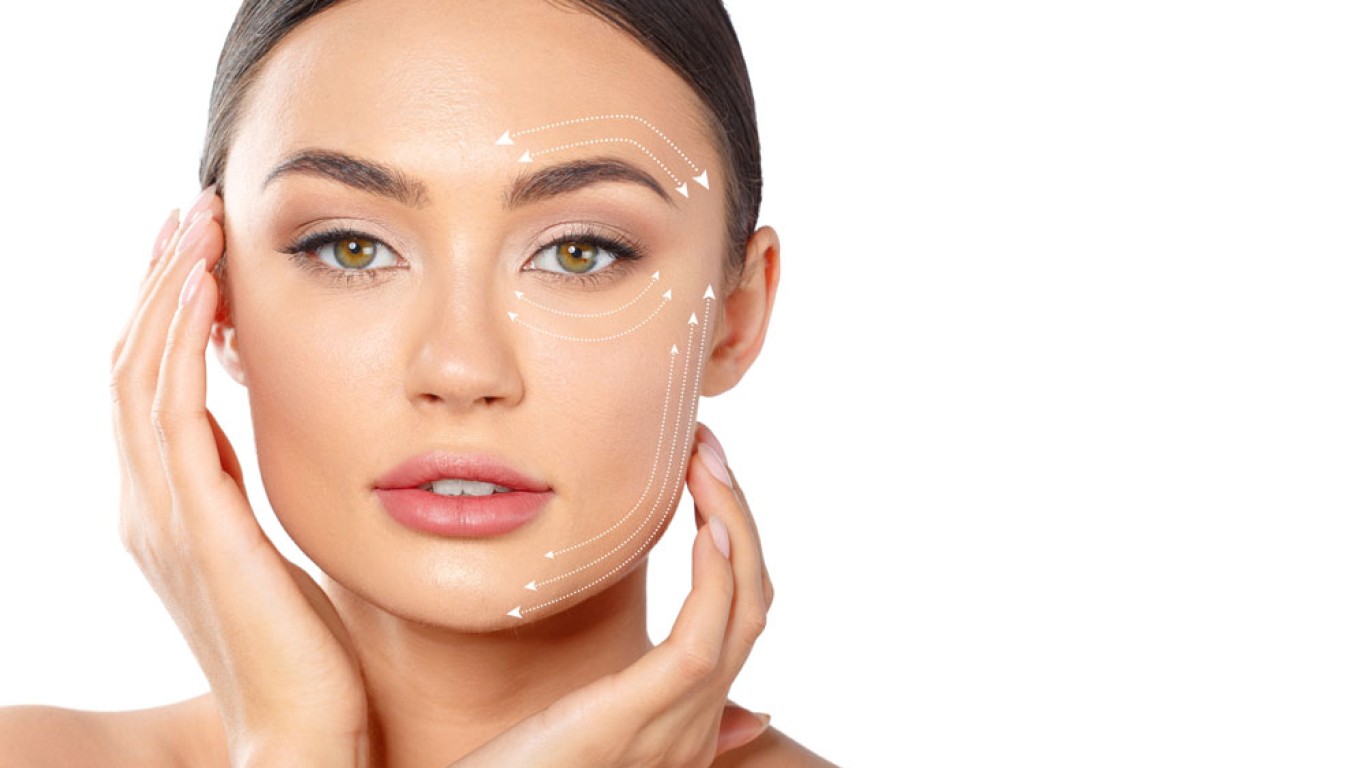
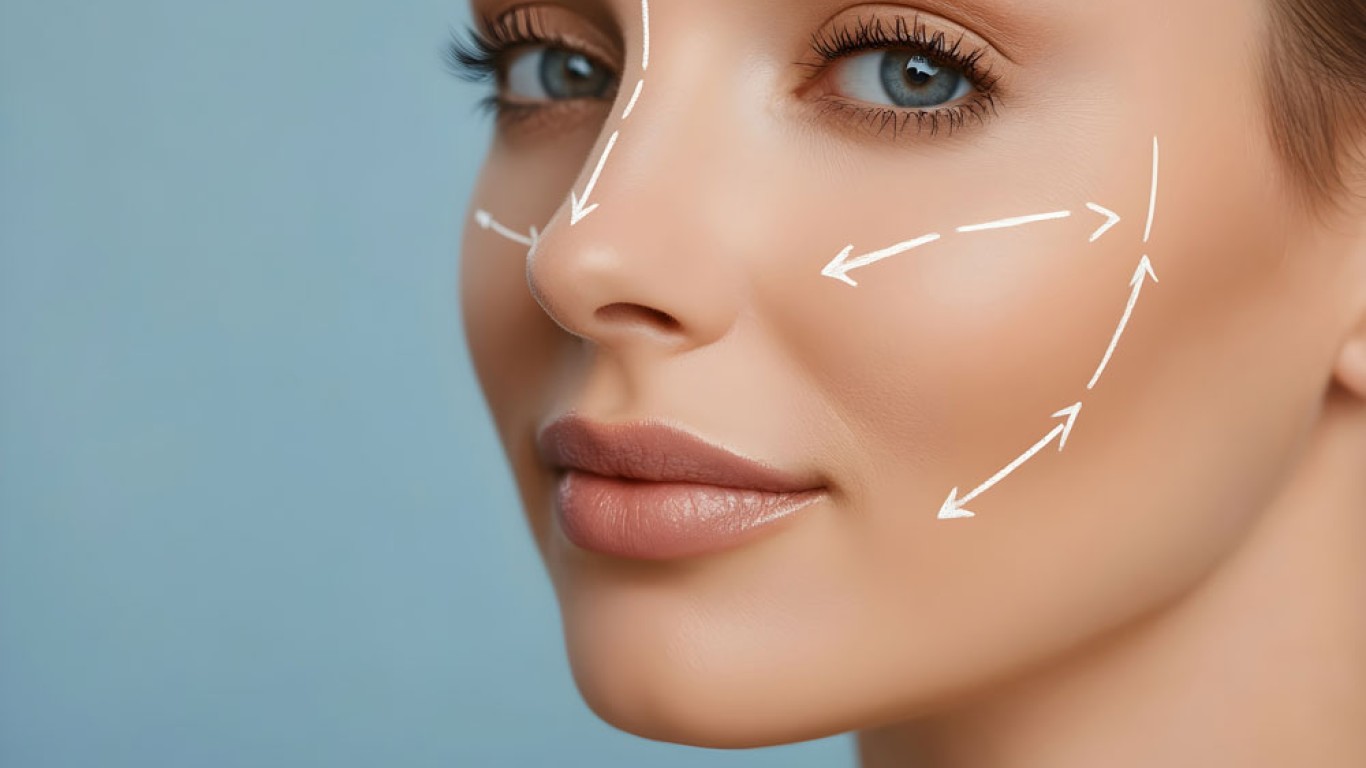
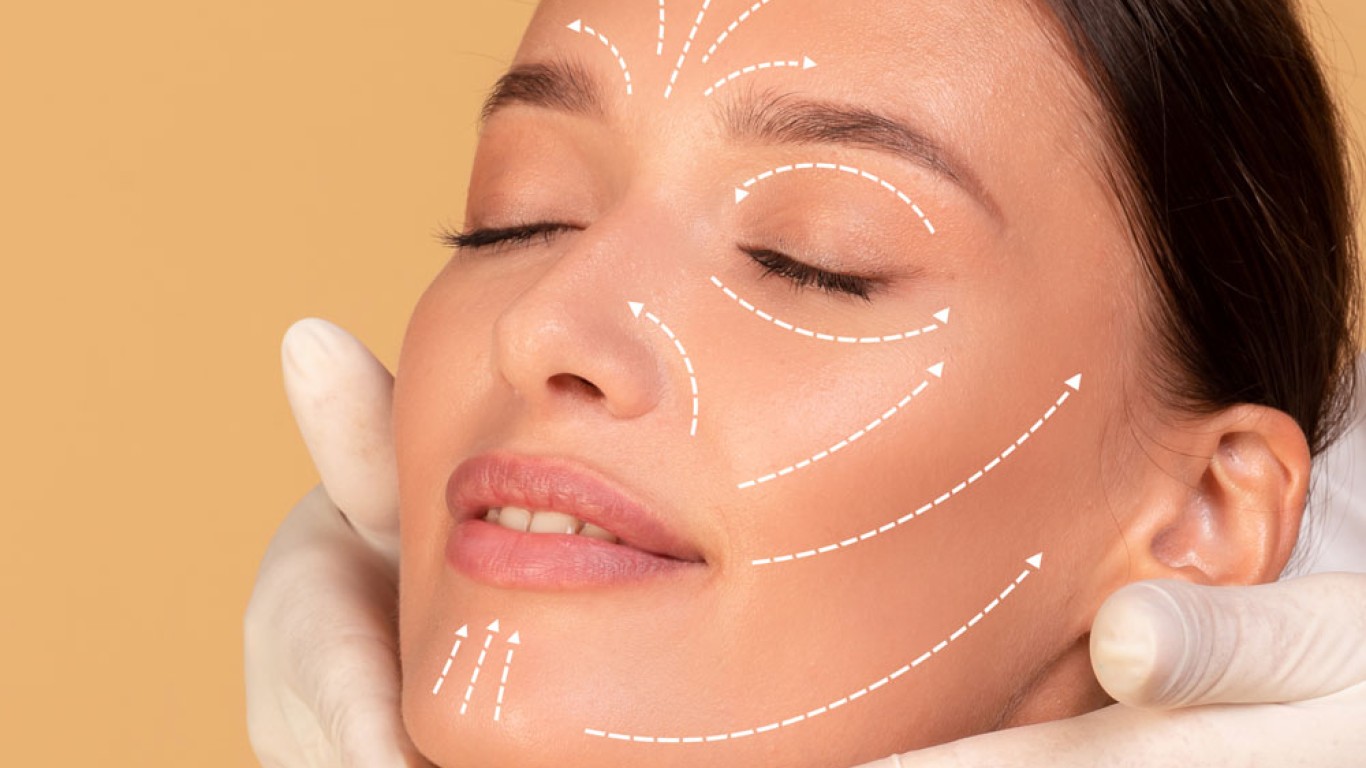
A thread face lift can address several facial areas where mild to moderate sagging occurs. The mid-face is one of the most commonly treated zones. Lifting the cheeks restores youthful contour and definition. The jawline benefits from thread placement to address early jowl development. The neck can be treated to improve mild laxity beneath the chin. Brow area can be lifted to open up the upper face. Nasolabial folds soften with strategic thread placement. The procedure can also enhance facial contours subtly. Each area is assessed individually during consultation to determine the most effective approach for the patient’s specific concerns.
Who Is Suited to a Thread Face Lift in 2026?
A thread face lift suits patients with early to moderate signs of facial ageing. Those in their late thirties through fifties typically achieve the best results. Mild to moderate skin laxity responds well to the treatment. Patients with significant sagging may benefit more from surgical alternatives. Good general health supports safe treatment. Realistic expectations are essential. The thread face lift produces noticeable improvement rather than dramatic transformation. The procedure suits patients who want results without surgical downtime. Those with active lifestyles particularly value the quick recovery. A consultation evaluates each patient’s individual anatomy. The practitioner advises whether the technique will achieve the desired result.
The Treatment Process
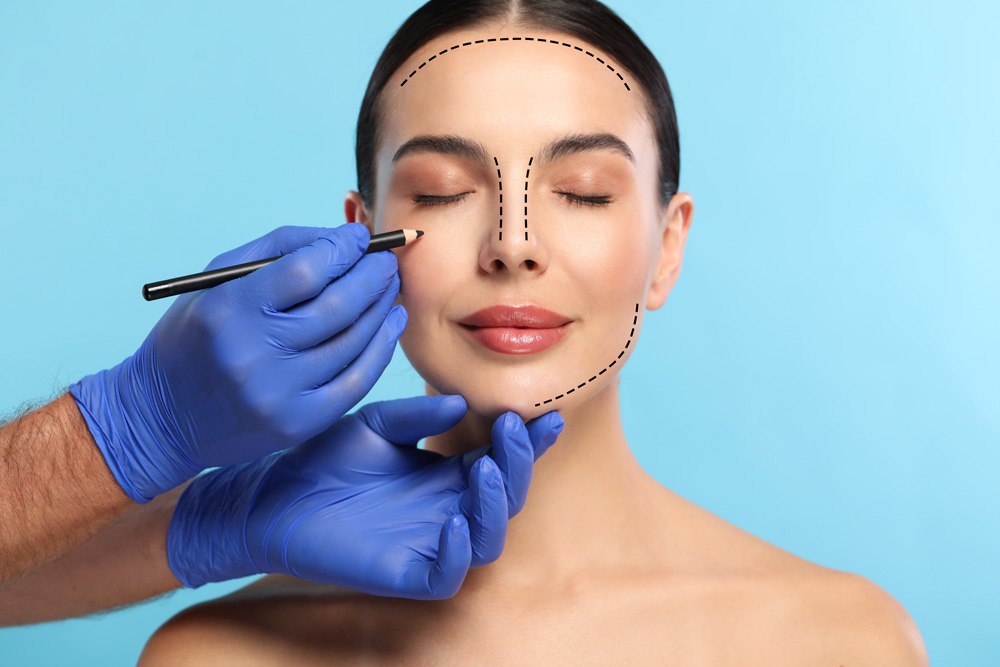
Thread face lift treatment process follows a clear sequence. The face is cleansed thoroughly. Local anaesthetic is applied to the planned entry points for comfort. The practitioner marks the precise thread paths and entry locations. Fine needles are used to insert the threads beneath the skin. Each thread is positioned and gently pulled to create the desired lifting effect. The entry points are checked and any excess thread material is trimmed. The procedure typically takes thirty to sixty minutes depending on the areas treated. Patients see immediate results once the procedure is complete. Mild swelling and tenderness are common during the first few days.
Results from Thread Face Lift
A thread face lift produces both immediate and progressive results. The lifting effect is visible immediately after treatment. The face appears tighter and more contoured. Mild swelling may temporarily affect the initial appearance. Results refine over the following weeks as the inflammation subsides. The collagen stimulation continues to improve skin firmness over several months. Modern thread types in 2026 typically maintain results for twelve to twenty-four months. Polycaprolactone threads can extend benefits even further. The duration varies based on individual factors and lifestyle. Touch-up treatments can be scheduled to extend the benefits. Many patients enjoy the natural-looking and progressive nature of the improvement.
Recovery After Thread Face Lift
Recovery from a thread face lift is straightforward compared with surgical facelift options. Most patients return to work and social activities within one to two days. Mild swelling and bruising at entry points are common. Tenderness in the treated areas typically lasts about a week. Patients should avoid extreme facial movements during initial healing. Sleeping on the back rather than the side helps protect the threads. Vigorous exercise should be avoided for one to two weeks. Facial massages and dental work should be postponed for several weeks. Following aftercare instructions carefully supports the best results. The minimal recovery time is one of the most appealing aspects of the treatment. Maintaining gentle skin care routines supports healing. Most individuals notice continued improvement as the threads settle and collagen production increases over time.
Risks and Considerations
A thread face lift is generally well tolerated when performed by qualified practitioners. Common side effects include mild swelling, bruising and temporary tenderness. These typically resolve within one to two weeks. Less common issues include thread visibility, asymmetry or thread migration. Infection is rare when sterile techniques are followed. Choosing an experienced practitioner significantly reduces the risk of complications. The threads used in modern thread face lift treatments have been used safely in medicine for many years. They dissolve naturally without requiring removal. Realistic expectations support better satisfaction with the result for every patient. Patients should attend follow-up appointments to ensure proper healing and thread positioning.
Combining Thread Face Lift with Other Treatments
A thread face lift combines well with other non-surgical treatments. Botox can complement the lift by smoothing dynamic wrinkles. Dermal fillers add volume to areas that have lost contour. Skin boosters improve overall skin quality and hydration. Energy-based devices such as radiofrequency support skin tightening. Polynucleotide treatments provide additional regenerative benefits. The practitioner plans combination treatments carefully to ensure optimal results. Some treatments are performed in the same session while others are spaced apart. A personalised plan addresses each patient’s specific concerns through complementary approaches for the most comprehensive rejuvenation possible without surgery. Combining treatments allows practitioners to target multiple signs of ageing simultaneously. This layered approach enhances overall facial harmony. Gradual improvements appear more natural and balanced when treatments are carefully timed and tailored to individual needs.
Conclusion
The thread face lift in 2026 offers an effective non-surgical alternative for facial lifting and rejuvenation. Advanced thread materials provide both immediate results and long-term collagen stimulation. Recovery is brief and results last between twelve and twenty-four months depending on the threads used. The treatment suits patients with mild to moderate facial laxity who prefer to avoid surgery. Realistic expectations support the best satisfaction with results. Professional consultation ensures personalised planning for each patient seeking facial rejuvenation through this modern approach. Patients who maintain healthy skincare routines and lifestyle habits may prolong their results. Regular follow-up treatments can help sustain the lifting effect. The combination of innovation and convenience makes this approach increasingly popular among individuals seeking subtle yet noticeable facial enhancement.
For more information and to book a consultation visit the ACIBADEM Beauty Center Face Lift (Rhytidectomy) page.
Frequently Asked Questions
A non-surgical procedure that uses bioabsorbable sutures to lift facial tissue.
Modern threads typically maintain results for twelve to twenty-four months.
Local anaesthetic ensures the treatment is comfortable for most patients.
Most patients return to normal activities within one to two days.
It suits mild to moderate concerns; significant laxity may need surgical treatment.