Ataşehir Mah. Feza Sk. No:3 İstanbul / Türkiye
 English
  German
  Spanish
Introduction
The consultation is the most important step in any plastic surgery journey. It determines the treatment plan, sets expectations and establishes the relationship between patient and surgeon. A plastic surgery consultation is not a sales appointment. It is a clinical assessment. Understanding what happens during the consultation helps patients prepare effectively and use the time productively. This article explains what to expect during a cosmetic assessment and how to get the most from it.
What Happens Before a Plastic Surgery Consultation
Preparation begins before the appointment. A cosmetic assessment is more productive when the patient arrives informed. Research the procedure in advance. Understand the basics of what it involves, what recovery requires and what results are realistic. A plastic surgery consultation patient who arrives with foundational knowledge uses the appointment time more efficiently. Prepare questions in advance. Write them down. Consultations can feel overwhelming. Having a written list ensures nothing is forgotten. A cosmetic assessment covers many topics. It is easy to leave without asking something important if questions are not prepared. Gather reference photographs if relevant. Images showing the desired outcome help communicate goals. The surgeon can assess whether these goals are achievable based on the patient's anatomy. A cosmetic assessment benefits from clear visual communication alongside verbal description.
The Initial Assessment During a Plastic Surgery Consultation
The appointment begins with discussion. A plastic surgery consultation starts with the surgeon understanding the patient's concerns. What bothers the patient? How long has it been a concern? What does the patient hope to achieve? The surgeon listens carefully. A cosmetic assessment should feel like a conversation rather than a lecture. The surgeon asks about medical history. Previous surgeries, current medications, allergies and existing health conditions are all relevant. A cosmetic assessment medical assessment ensures the patient is safe for the proposed procedure. Lifestyle factors are discussed. Smoking status, alcohol consumption and exercise habits affect surgical risk and recovery. A plastic surgery consultation that identifies these factors early allows appropriate planning. The surgeon may request pre-operative tests including blood work. These confirm fitness for surgery.
Physical Examination During a Plastic Surgery Consultation
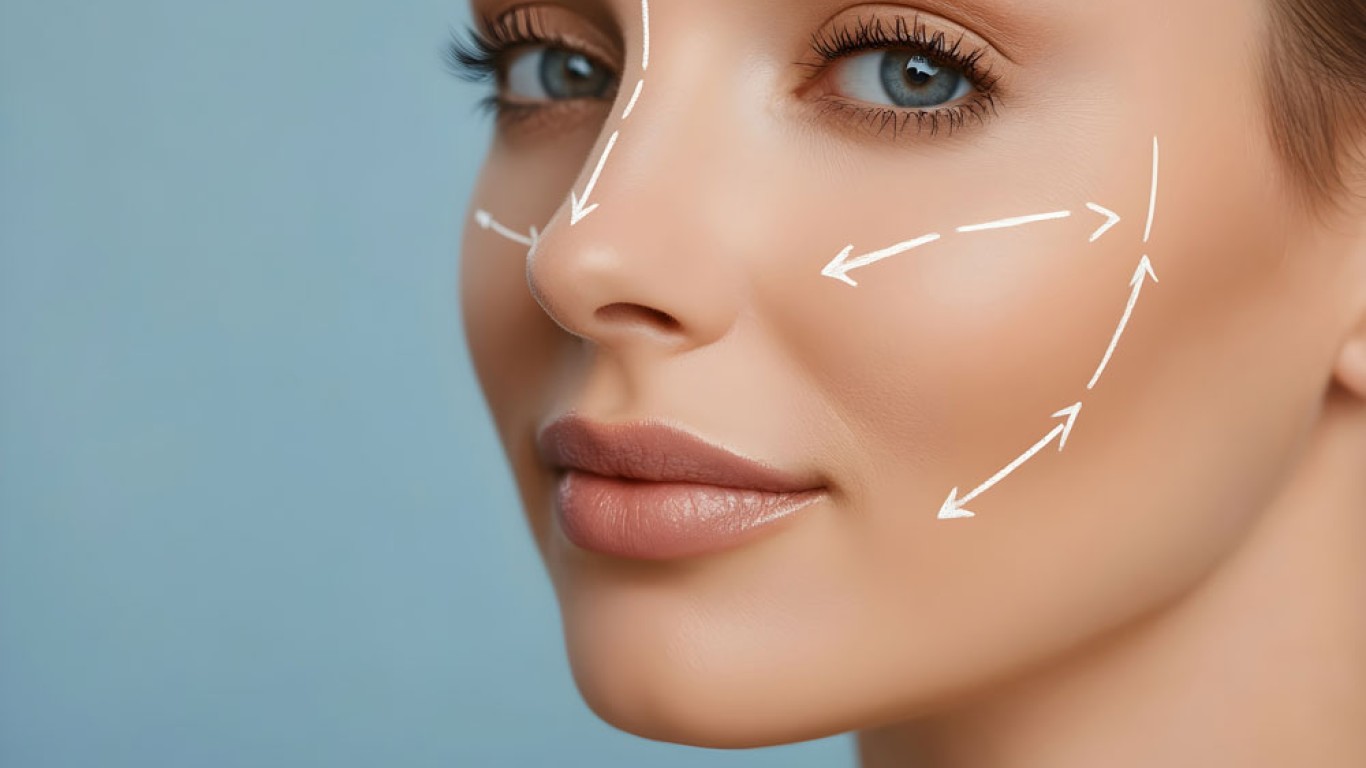
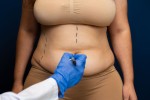
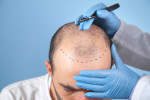
The surgeon examines the area of concern. A plastic surgery consultation includes direct assessment of the anatomy. Facial procedures involve evaluating skin quality, bone structure, tissue volume and symmetry. Body procedures involve assessing skin laxity, fat distribution and muscle tone. A cosmetic assessment physical examination is clinical and professional. The surgeon explains what they observe. They identify the anatomical features that contribute to the concern. They explain what can be changed and what cannot. A cosmetic assessment that includes honest anatomical assessment builds trust. The surgeon should explain limitations clearly. Not every desired change is achievable. Skin thickness, bone structure and tissue quality all influence what surgery can accomplish. A cosmetic assessment that manages expectations honestly produces the highest satisfaction regardless of the surgical outcome.

Treatment Plan Discussion During a Plastic Surgery Consultation
The surgeon presents the recommended approach. A cosmetic assessment includes a clear explanation of the proposed procedure. What technique will be used? Where will incisions be placed? What will the recovery involve? How long until the final result is visible? A plastic surgery consultation treatment plan should be specific to the individual patient. It should not be a generic description of the procedure. The surgeon explains why they recommend this approach for this particular anatomy. A cosmetic assessment may present alternative options. Multiple techniques may achieve similar results. The surgeon explains the advantages and disadvantages of each. The patient participates in the decision. A cosmetic assessment that empowers the patient to make an informed choice produces better outcomes than one that simply tells the patient what to do.
Understanding Risks During a Plastic Surgery Consultation
Risk discussion is an essential component. A plastic surgery consultation must cover potential complications honestly. Every procedure carries risk. The surgeon explains the specific risks relevant to the proposed procedure. General surgical risks include bleeding, infection and adverse reaction to anaesthesia. Procedure-specific risks vary. A cosmetic assessment that minimises or avoids risk discussion should raise concern. A reputable surgeon discusses risks openly. They explain what measures are taken to minimise each risk. They describe how complications are managed if they arise. A cosmetic assessment risk discussion is not intended to frighten the patient. It provides the information needed for informed consent. Understanding risk allows the patient to weigh the benefit against the potential downsides. A cosmetic assessment that covers risk thoroughly demonstrates professionalism and respect for the patient's autonomy.
Reviewing Before-and-After Photographs
Photographs provide evidence of the surgeon's work. A plastic surgery consultation should include review of before-and-after images from previous patients. The surgeon shows cases similar to the patient's anatomy and concern. A cosmetic assessment photograph review demonstrates what the surgeon achieves consistently. Consistency matters more than a single exceptional result. The patient should look for cases with similar starting anatomy. This provides the most realistic preview of their own potential result. A cosmetic assessment should present multiple cases. A single photograph does not establish a pattern. Several cases showing consistent quality provide genuine confidence. Digital imaging may be used to simulate the expected result. A cosmetic assessment with digital preview helps the patient visualise the change. However, simulations are approximations. The surgical result may differ. The simulation guides the conversation rather than guaranteeing the outcome.
Discussing Cost During a Plastic Surgery Consultation
Pricing is typically discussed during or after the clinical consultation. A cosmetic assessment includes a clear breakdown of costs. The surgeon's fee, anaesthesia, facility charges, pre-operative tests and post-operative care should all be itemised. A plastic surgery consultation that provides a single inclusive price offers the most transparent approach. Patients know the total commitment before deciding. A cosmetic assessment should address what is included and what is not. Follow-up appointments, compression garments and revision policy should be clarified. A cosmetic assessment pricing discussion should feel straightforward. The patient should not feel pressured. Deposits and payment terms should be explained clearly. A cosmetic assessment is a clinical appointment first. The pricing discussion should follow the clinical assessment naturally.
Conclusion
A plastic surgery consultation is the foundation of every successful procedure. It involves clinical assessment, treatment planning, risk discussion and expectation setting. Preparation with questions and reference images maximises the appointment's value. The consultation should feel like an honest, two-way conversation. Red flags including pressure tactics, unrealistic promises and incomplete risk discussion should prompt caution. Professional consultation ensures the right procedure, the right surgeon and realistic expectations. Turkey offers comprehensive plastic surgery consultations with experienced specialists at accredited facilities.
To find out more information about plastic surgery and to book a consultation visit the ACIBADEM Beauty Center Aesthetics page.
Frequently Asked Questions
Written questions, reference photographs and a list of current medications and medical history.
Thirty to sixty minutes for a thorough assessment and discussion.
Yes. Physical examination of the treatment area is essential for appropriate planning.
No. A good consultation provides information. The decision to proceed should be made without pressure.
Yes. Many clinics offer video consultations with photograph assessment before committing to travel.