Ataşehir Mah. Feza Sk. No:3 İstanbul / Türkiye
 French
  English
  German
  Spanish
Introduction
The eyes are often the most expressive and focal feature of the face. Subtle changes in the upper eyelid can influence overall facial balance significantly. Some individuals naturally lack a visible upper eyelid crease, which can create a flatter appearance. Double eyelid surgery creates a defined fold in the upper lid while respecting natural anatomy. This procedure enhances contour and light reflection without dramatically altering eye shape. Many patients seek improved symmetry, clearer definition or a more open look. Understanding what to expect helps ensure realistic goals and confident decision making before treatment.
What Is Double Eyelid Surgery?
Double eyelid surgery is a procedure that forms a visible crease in the upper eyelid where one is absent or faint. It is also commonly known as Asian blepharoplasty. The goal is to create a natural fold that complements facial structure and preserves ethnic identity. The procedure does not aim to westernise the eye shape. Instead, it enhances definition and balance while maintaining harmony with surrounding features. Customisation ensures results align with individual anatomy and personal preference.
Who Is a Suitable Candidate for Double Eyelid Surgery?
Suitable candidates are individuals seeking improved upper eyelid definition or symmetry. Some patients desire a clearer crease that enhances eye makeup application. Others wish to reduce heaviness caused by excess skin or mild puffiness. Good skin quality and realistic expectations support predictable healing. A consultation evaluates eyelid thickness, muscle activity and fat distribution carefully. Personal aesthetic goals are discussed thoroughly to ensure alignment with achievable results.
How Double Eyelid Surgery Is Performed
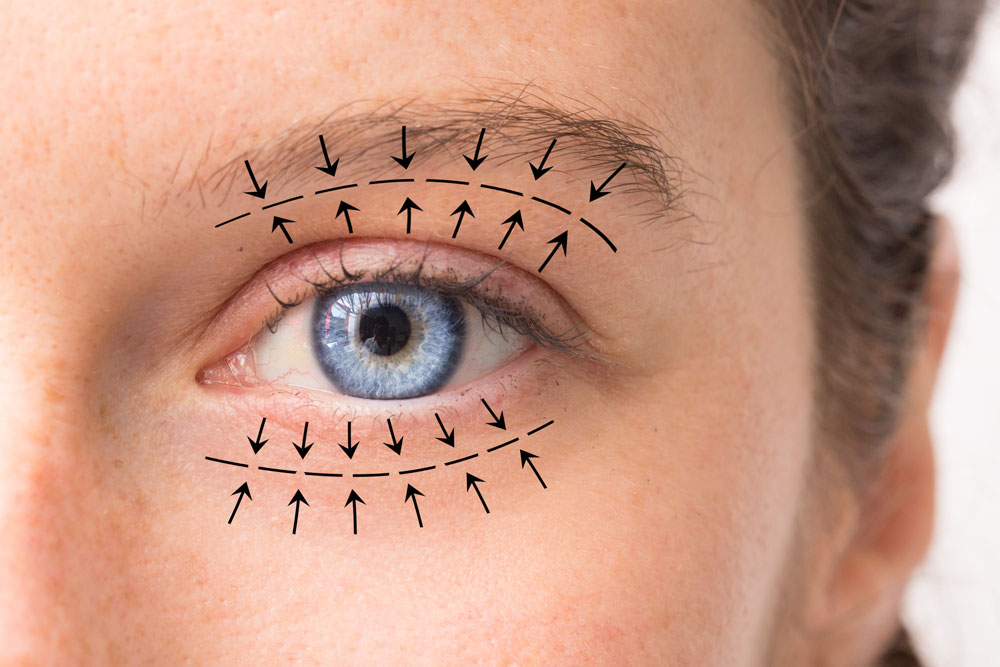
Double eyelid surgery can be performed using different surgical techniques depending on anatomy. The incisional method involves creating a small incision along the planned crease line. Excess skin or fat may be adjusted during this process to refine contour. The non incisional technique uses sutures placed strategically to form the fold without removing tissue. Technique selection depends on eyelid thickness, desired permanence and long term goals. Precision is essential to maintain natural eyelid movement and avoid stiffness.
What Happens During the Consultation
During consultation, eyelid structure is assessed in detail. Measurements determine crease height, width and symmetry relative to brow position. Photographs may support planning and allow visual discussion of potential outcomes. Patients share aesthetic preferences, including crease height and subtlety. A personalised surgical plan is then developed based on anatomy and expectations. Clear communication ensures that the final crease appears natural and proportionate.
Double Eyelid Surgery Recovery Timeline and Early Healing
Swelling and mild bruising are common during the first week following surgery. Most visible swelling gradually decreases within two weeks, although subtle puffiness may persist longer. Stitches, if used, are typically removed after several days depending on healing progress. The crease may appear slightly higher initially due to temporary swelling. Final positioning becomes clearer as tissues settle gradually. Patience is essential during this early stage to allow natural adaptation.
When Final Results Become Visible
The eyelid crease continues settling and refining over several months. Early tightness softens as internal tissues relax naturally. Final contour and symmetry usually become clearer within three to six months. Double eyelid surgery aims to create subtle definition rather than dramatic transformation. Balanced healing ensures symmetry, comfort and smooth eyelid movement. Gradual improvement supports natural appearance over time.
Will Double Eyelid Surgery Scars Be Visible?
Incisions are placed within the natural crease line to minimise visibility. Once healed, scars typically blend with surrounding skin and are concealed when the eyes are open. Proper aftercare, including gentle cleansing and sun protection, supports discreet healing. Following surgeon instructions enhances scar quality and reduces irregularity. Most patients find scars difficult to detect after full recovery.
Combining With Other Eyelid Procedures
Some patients combine double eyelid surgery with upper blepharoplasty to address additional skin laxity. This may improve overall harmony when excess tissue contributes to heaviness. Combining procedures can enhance contour and crease definition simultaneously. Treatment decisions depend on individual anatomy and long term aesthetic goals. Personalised planning ensures cohesive and balanced results.
Why Many Patients Choose Turkey for Eyelid Surgery
Turkey offers experienced surgeons and advanced facilities specialising in delicate facial procedures. Detailed consultation ensures tailored surgical planning based on anatomy and cultural preference. Double eyelid surgery is approached conservatively to preserve natural eye expression and identity. Patients value structured aftercare and attentive follow up support. Precision technique and comprehensive planning support refined and proportionate outcomes.
Choosing the Right Crease Height
One of the most important decisions in double eyelid surgery is crease height selection. The position of the fold influences overall facial harmony. A lower crease often appears subtle and natural. A higher crease can create a more defined appearance. The ideal height depends on eyelid anatomy, brow position and patient preference. Surgeons assess how the crease will look when the eyes are open and closed. Careful planning ensures the result complements facial proportions rather than dominating them.
Understanding Eyelid Fat and Thickness
Upper eyelids vary significantly in thickness and fat distribution. Some patients have fuller upper lids due to natural fat volume. Others have thinner skin with minimal fullness. Double eyelid surgery technique is influenced by these structural differences. Thicker lids may benefit from the incisional method for more stable definition. Thinner lids may respond well to suture techniques. Accurate evaluation ensures long term crease stability and balanced contour.
How Eye Shape Influences the Outcome
Natural eye shape plays an important role in surgical planning. Almond shaped, round or slightly upturned eyes each require different crease positioning. Double eyelid surgery enhances definition but should not distort original shape. Preserving natural eye contour maintains authenticity. Excessively high or sharply defined folds may appear artificial. Subtle integration with existing anatomy produces the most refined results.
Managing Swelling and Bruising Expectations
Swelling varies between individuals depending on skin thickness and healing response. In the early days after surgery, eyelids may appear puffy or slightly uneven. This stage is temporary and expected. Cold compresses and head elevation support early recovery. Double eyelid surgery results evolve gradually as swelling subsides. Final crease definition becomes clearer over several weeks. Understanding this progression prevents unnecessary concern during healing.
Sleeping Position During Recovery
Sleeping with the head elevated can help reduce postoperative swelling. Gentle positioning prevents unnecessary pressure on the eyelids. Patients are usually advised to avoid sleeping on their side initially. Double eyelid surgery recovery benefits from reduced fluid accumulation. Following aftercare instructions supports smoother healing. Small adjustments during rest can influence early comfort and appearance.
Makeup and Skincare After Surgery
Patients often ask when they can resume makeup use. Light eye makeup is usually permitted after initial healing. It is important to avoid rubbing or pulling the eyelids. Double eyelid surgery incisions should remain clean and protected. Gentle skincare helps maintain skin quality. Avoiding harsh products during early recovery prevents irritation. Gradual return to routine supports optimal scar blending.
Longevity of Results
Double eyelid surgery typically produces long lasting results. The crease created remains stable over time. Natural ageing continues, but the fold usually maintains its position. Maintaining skin health supports durability. Stable weight and sun protection contribute to long term quality. Most patients do not require repeat procedures.
Addressing Asymmetry
Minor asymmetry is common in natural facial anatomy. Double eyelid surgery can improve noticeable differences between eyes. Complete symmetry is rarely achievable due to inherent structural variation. Careful measurement reduces visible imbalance. Subtle adjustments create visual harmony without forcing uniformity. The objective is improvement rather than perfection.
Long Term Follow Up and Care
Follow up appointments ensure healing progresses as expected. Surgeons assess crease stability and scar maturation during these visits. Double eyelid surgery outcomes continue refining for several months. Maintaining communication with the surgical team supports reassurance. Long term care focuses on preserving skin elasticity and hydration. Regular review allows subtle monitoring without intervention. Overall, double eyelid surgery is a highly individualised procedure that balances anatomy, aesthetics and personal goals. With realistic expectations and proper aftercare, patients can achieve refined eyelid definition that enhances overall facial harmony.
Conclusion
Double eyelid surgery creates a defined upper eyelid crease while maintaining natural appearance and identity. Understanding the procedure, recovery timeline and realistic expectations supports confident decision making. With careful planning, precise surgical technique and patience during healing, results appear balanced and harmonious. The objective is enhancement rather than transformation.
For more information and to book a consultation visit the ACIBADEM Beauty Center webpage.
Frequently Asked Questions
The procedure typically takes one to two hours.
Yes, the crease created is generally long lasting.
Light activities usually resume within a week.
When performed properly, results appear subtle and balanced.
It enhances definition rather than altering eye shape dramatically.