Ataşehir Mah. Feza Sk. No:3 İstanbul / Türkiye
 French
  English
  German
  Spanish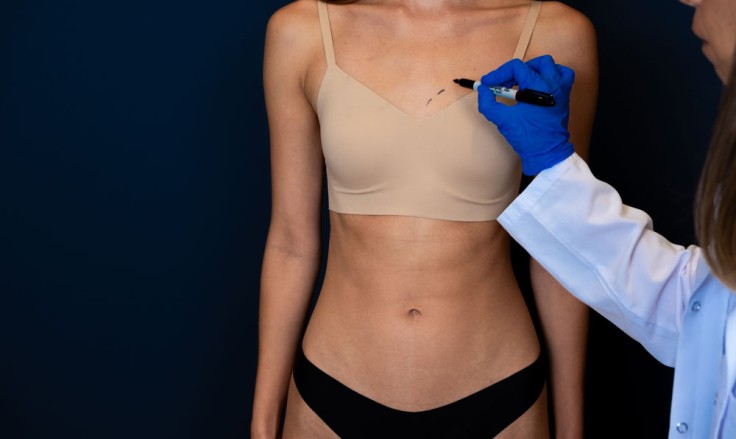
Introduction
Many patients considering breast enhancement wonder about breast augmentation scars and where they will appear. Scarring is a natural part of any surgery, but careful planning helps minimise its visibility. Surgeons place incisions in locations designed to heal discreetly and blend with natural skin folds. The placement of breast augmentation scars depends on factors such as implant type, breast anatomy and surgical technique. Modern surgical planning focuses on achieving natural results while keeping scars as subtle as possible. Understanding incision placement helps patients feel more confident about the procedure. During consultation, surgeons often explain each incision option and discuss how the scar may appear after healing. This discussion helps patients understand how surgical planning prioritises both safety and aesthetics.
Why Incision Placement Matters
The position of surgical incisions plays an important role in both the procedure and the final aesthetic outcome. Breast augmentation scars must allow the surgeon safe access to create a pocket for the implant. At the same time, the incision should heal in a location that remains discreet once recovery is complete. Surgeons carefully evaluate breast shape, skin elasticity and chest proportions before deciding where the incision should be placed. Proper placement supports both surgical precision and aesthetic results. Strategic incision planning also helps reduce tension on the skin during healing, which can contribute to better scar quality over time.
Inframammary Fold Incisions
The inframammary fold incision is one of the most commonly used approaches in breast augmentation surgery. This incision is placed within the natural crease beneath the breast. Breast augmentation scars in this location are often well hidden by the natural contour of the breast itself. This approach provides excellent visibility for the surgeon when placing implants. It also allows precise positioning of the implant pocket. Many surgeons prefer this method because it offers consistent results and controlled implant placement. Another advantage of this incision is that it generally allows surgeons to work with a wide range of implant sizes and shapes with greater accuracy.
Periareolar Incisions
Another option for breast enhancement scars is the periareolar incision. This incision is placed along the border of the areola where the darker skin meets the surrounding breast tissue. Because the colour transition in this area naturally disguises small scars, this placement can be relatively discreet. The surgeon creates the incision along the lower portion of the areola. Through this opening, the implant pocket is carefully prepared before the implant is inserted. This technique may be suitable for patients whose areola size allows adequate surgical access.
Transaxillary Incisions
The transaxillary technique places the incision within the natural crease of the armpit. In this approach, breast augmentation scars are positioned away from the breast itself. This method may appeal to patients who prefer no visible scars on the breast surface. The implant is inserted through the armpit incision and positioned beneath the breast tissue or muscle. Endoscopic guidance is often used to assist with accurate implant placement. Although this technique leaves no scar on the breast, it requires specialised surgical experience.

How Implant Type Influences Scar Placement
The type of implant selected can influence where breast augmentation scars are placed. Silicone implants are pre-filled and require slightly larger incisions for insertion. Saline implants can be inserted empty and then filled once positioned inside the breast. Because of this difference, saline implants may allow smaller incisions in certain cases. During consultation, surgeons evaluate a number of factors. This includes implant size, shape and placement to determine which incision approach will work best.
Breast Augmentation Scars and Healing
Healing is an important part of the overall aesthetic outcome. Breast enhancement scars typically appear more visible during the early healing phase. Over time, scars gradually fade and soften as the skin heals. Several factors influence how scars mature, including skin type, genetics and postoperative care. Surgeons often provide guidance on scar management techniques. These may include scar massage, silicone treatments or specialised skincare routines. Patients are also advised to follow postoperative instructions carefully to support healthy healing. Avoiding strain on the incision area and maintaining proper wound care can help ensure scars mature as smoothly as possible.
How Surgeons Minimise Breast Augmentation Scars
Modern surgical techniques are designed to minimise the appearance of breast augmentation scars. Surgeons make precise incisions that follow natural skin lines whenever possible. Advanced suturing methods help ensure that the incision closes neatly and heals evenly. Postoperative care also plays a role in scar quality. Patients are usually advised to avoid tension on the incision area during early healing. On top of this, protecting scars from sun exposure is another important step. Following these instructions supports optimal healing and fast recovery.
Factors That Influence Breast Augmentation Scars Visibility
Every patient heals differently after surgery. Genetics, skin tone and skin elasticity can all affect how breast enhancement scars appear over time. Some individuals naturally develop finer scars, while others may experience more noticeable scar formation. The surgeon’s technique also plays an important role in determining the final appearance. Proper incision placement and careful closure help ensure that scars remain as discreet as possible. Lifestyle habits such as smoking, nutrition and sun exposure may also influence how scars heal. Following postoperative guidance can therefore support improved long-term scar appearance.
Consultation and Personalised Scar Planning
Consultation is an important stage when planning breast augmentation surgery. During this appointment, the surgeon evaluates breast anatomy and discusses incision options with the patient. Personal preferences, implant choice and body proportions are all considered when selecting the incision site. This planning process ensures that breast enhancement scars are positioned strategically. This way they remain discreet while allowing the surgeon to perform the procedure safely.
Scar Care Strategies After Breast Augmentation
Proper scar care plays an important role in how breast augmentation scars develop over time. After surgery, surgeons usually provide detailed instructions on how to care for the incision area. These guidelines often include keeping the incision clean and dry during the early healing phase. Once the wound has fully closed, scar care products may be recommended. Silicone gels or silicone sheets are commonly used to support scar softening and flattening. Gentle scar massage may also be advised once healing has progressed. This technique can help improve circulation around the incision and support healthy tissue recovery. Consistent scar care helps improve the final appearance of breast enhancement scars as they mature.
How Long Breast Augmentation Scars Take to Fade
Scar maturation is a gradual process that occurs over several months. In the early stages of healing, breast enhancement scars often appear pink or slightly raised. This is a normal part of the body’s natural healing response. Over time, scar tissue softens and the colour fades closer to the surrounding skin tone. Most scars continue improving for twelve months or longer after surgery. Individual healing patterns vary depending on skin type and genetics. Some patients notice faster fading. While others may require more time for the scar to fully settle. Patience is important during this process because scar appearance typically improves steadily as healing progresses.
Clothing and Lifestyle Considerations During Breast Augmentation Scars Healing
Lifestyle habits can influence how well breast augmentation scars heal. Wearing supportive garments during recovery helps reduce tension around the incision area. Proper support allows the skin to heal without excessive stretching. Surgeons often recommend supportive surgical bras during the early recovery period. Avoiding intense physical activity during the first few weeks also protects the incision area. This is extra important while it heals. Sun protection is another important factor in scar management. Exposure to ultraviolet light can darken healing scars and make them more noticeable. Applying sun protection and covering the incision area when outdoors helps support better scar fading.
Conclusion
Breast augmentation scars are carefully planned as part of the surgical procedure. Surgeons choose incision locations that allow precise implant placement while minimising visible scarring. Common approaches include inframammary, periareolar and transaxillary incisions. Each method offers advantages depending on anatomy and implant selection. With careful surgical planning and proper postoperative care, most breast enhancement scars become less noticeable over time.
For more information and to book a consultation visit the ACIBADEM Beauty Center Breast Augmentation webpage.
Frequently Asked Questions
Common locations include beneath the breast fold, around the areola or within the armpit.
Yes, but they usually fade and become less visible over time.
The inframammary fold and periareolar approaches often provide discreet scar placement.
Yes, all surgical procedures require incisions, but modern techniques minimise visibility.
Most scars soften and fade gradually over several months to a year.