Ataşehir Mah. Feza Sk. No:3 İstanbul / Türkiye
 French
  English
  German
  Spanish
Introduction
Liposuction is widely chosen to refine body contours and target stubborn fat deposits that resist lifestyle changes. While the primary focus is often on shaping and proportion, many patients also think carefully about scarring. Liposuction scars are generally small, yet their placement can significantly affect how noticeable they appear. Understanding where these marks develop helps patients form realistic expectations before treatment. Surgical planning and technique play an important role in long-term appearance. Modern approaches aim to keep scars discreet, subtle, and easy to conceal. This article explains common scar locations and how surgeons work to minimise their visibility.
Why Liposuction Requires Small Incisions
Liposuction involves inserting a thin cannula beneath the skin to remove unwanted fat deposits safely and precisely. Small incisions are required to allow the cannula to pass through the skin layer. These incisions are typically only a few millimetres long, making them far less noticeable than traditional surgical cuts. Their limited size directly influences the final appearance of liposuction scars. Surgeons place incisions strategically to balance access to fat layers with visual discretion. In many cases, fewer incisions are used to reduce overall marking. Placement considers natural skin folds, curves, and areas covered by clothing. Advances in cannula design allow smaller entry points than before. Precision during this stage helps reduce long-term visibility.
Common Areas Where Liposuction Scars Appear
Liposuction scars usually appear close to the area being treated to allow accurate fat removal.
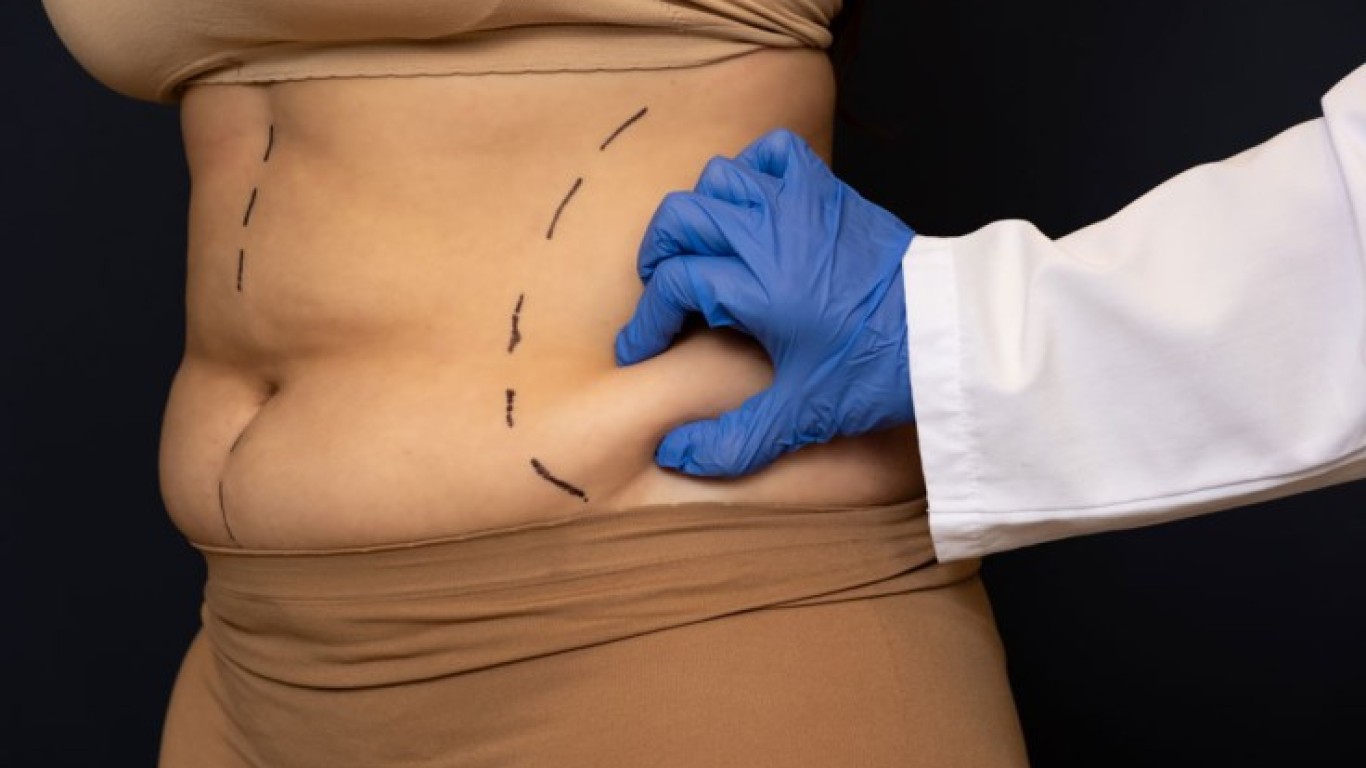
- For abdominal procedures, incisions are often positioned near the belly button or along the bikini line.
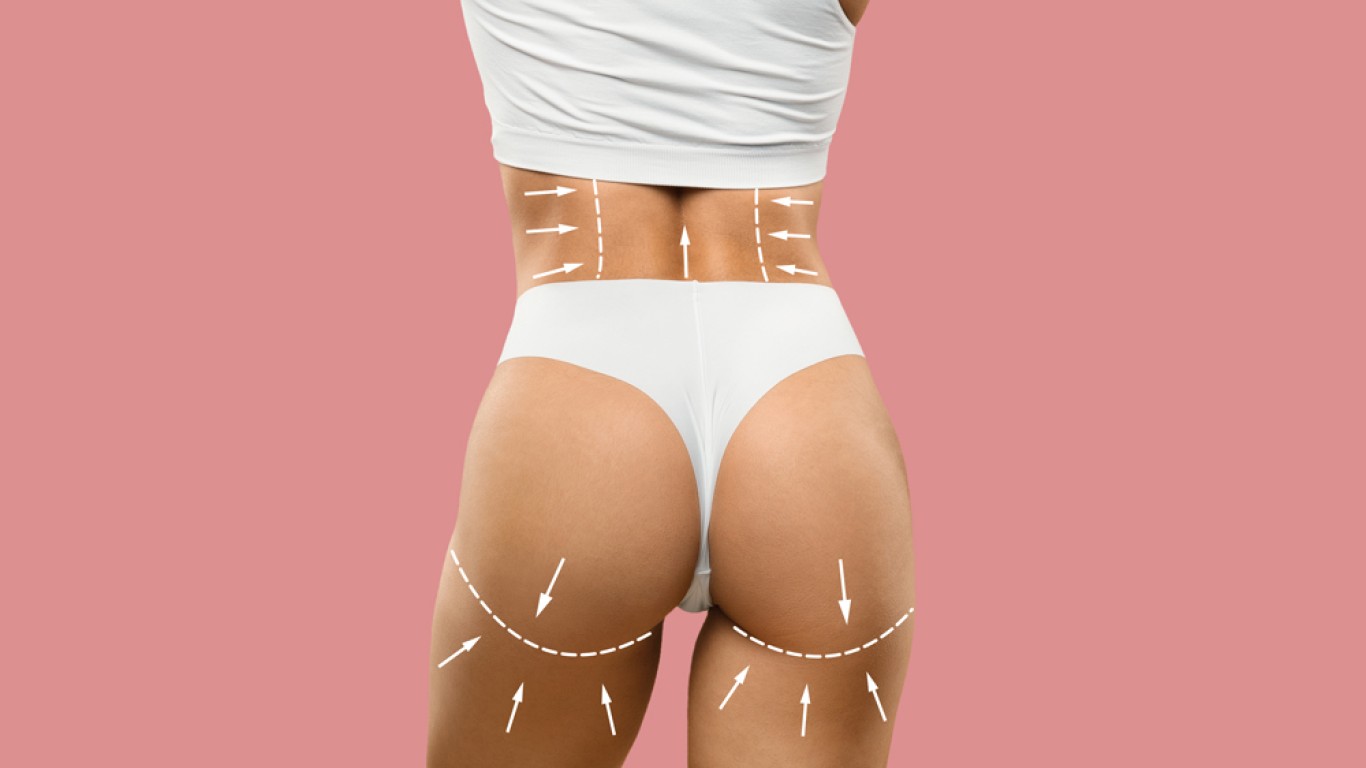
- On the thighs, scars may be placed within groin creases or beneath the buttocks. These locations help scars remain hidden during everyday activities.
- For arm liposuction, incisions are concealed near the elbow crease or within the underarm area.
- Chin liposuction typically uses very small incisions beneath the chin or behind the ears.
- Treatments involving the back or flanks often use waistline placement.
Each area follows specific concealment principles. Location planning is always intentional.
Liposuction Scars in Different Body Areas
Each liposuction treatment area presents unique considerations for scar placement. Abdominal procedures focus on central concealment near natural curves. Thigh and hip treatments prioritise folds that move naturally. Arm treatments use shadowed or covered regions. Facial liposuction requires particularly careful placement. Small incisions are hidden discreetly to avoid visibility. Back and flank scars align with waistlines or undergarments. Area-specific planning enhances discretion. Experience ensures consistent results across regions.
How Surgeons Choose Scar Placement
Surgeons carefully consider individual anatomy when selecting incision sites for liposuction. Natural creases, folds and shadowed regions are prioritised whenever possible. This allows liposuction scars to blend more naturally with surrounding skin texture. Clothing coverage is also considered during placement decisions. Movement patterns influence how scars heal over time. Areas under constant tension may heal differently from more relaxed zones. Surgeons aim to place incisions where stretching is minimal. Symmetry is also considered to maintain a balanced appearance. Experience plays a critical role in making these decisions as thoughtful placement significantly reduces noticeability.
Techniques Used to Minimise Liposuction Scars
Modern liposuction techniques focus on minimising tissue disruption while achieving effective fat removal. Smaller cannulas allow surgeons to work through smaller incisions. This directly reduces the size of liposuction scars. Advanced technologies support controlled and precise movement beneath the skin. Surgeons also use refined closure techniques to support smooth healing. Fine sutures, adhesive strips, or specialised closure methods are applied carefully. Incisions are aligned neatly to encourage even healing. Gentle tissue handling reduces unnecessary trauma. Technique quality strongly influences scar appearance over time.
How Incision Angle Influences Liposuction Scar Visibility
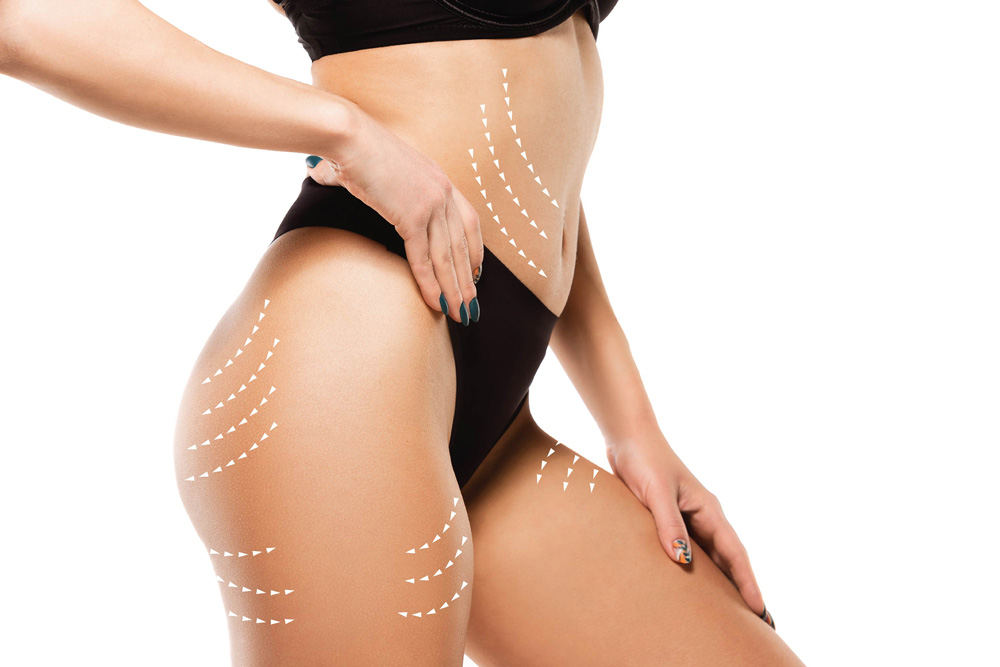
Beyond incision size, the angle at which an incision is made influences scar appearance. Surgeons consider skin tension lines carefully. Incisions aligned with natural tension lines often heal more smoothly. This alignment allows scars to blend into surrounding skin more effectively. Poorly angled incisions may appear more noticeable over time. Experienced surgeons plan entry points with movement patterns in mind. Areas with less stretching tend to heal more predictably. Incision angle is therefore as important as location, while technical precision reduces long-term visibility.
The Relationship Between Cannula Size and Liposuction Scars
Cannula size directly affects incision requirements. Modern liposuction uses thinner cannulas than older techniques because smaller cannulas require smaller access points. This results in more discreet liposuction scars. Surgeons select cannula size based on treatment area and fat density. Delicate regions benefit from finer instruments. Advanced equipment supports effective fat removal without larger incisions. This evolution has significantly reduced scarring concerns. Tool selection plays a key role.
Why Liposuction Scar Placement Differs Between Men and Women
Scar placement strategies can vary between male and female patients. Differences in clothing styles influence concealment planning. Surgeons consider typical garment lines during consultation and this helps align incision sites with coverage preferences. Body fat distribution also differs between genders, affecting access routes during liposuction. Surgeons adapt techniques accordingly. Personalised planning ensures discreet outcomes. Individual lifestyle factors are always considered.
Clothing and Lifestyle Considerations
Scar placement often takes clothing preferences into account during planning. Surgeons consider where underwear, swimwear or everyday clothing will sit. This helps patients feel comfortable once healing is complete. Thoughtful placement allows scars to remain hidden in daily life. Lifestyle habits can influence how scars mature. Avoiding repeated friction over incision sites supports smoother healing. Gentle movement encourages circulation without strain. Surgeons often provide guidance tailored to routines. Practical planning supports discreet outcomes.
Managing Expectations Around Liposuction Scar Symmetry
Patients often expect scars to appear identical on both sides of the body. However, natural anatomy varies slightly. Surgeons aim for balanced placement, though perfect symmetry is not always possible. Healing responses can also differ between sides. Surgeons discuss these factors during consultation. Understanding natural variation helps set realistic expectations. Subtle differences usually become less noticeable over time. Balanced planning remains the priority. Communication supports reassurance.
Why Follow-Up Appointments Matter for Scar Outcomes
Follow-up visits play an important role in scar management, allowing surgeons to assess healing progress regularly. Early observation allows adjustments in care guidance. This supports optimal scar maturation. Patients receive tailored advice based on healing patterns. Monitoring ensures incisions settle as expected. Professional oversight contributes to smoother outcomes. Follow-up is part of a comprehensive care package as ongoing assessment enhances results.
The Role of Skin Quality and Elasticity
Skin characteristics play an important role in how liposuction scars heal and fade. Skin with good elasticity often adapts more smoothly after treatment while thicker skin may conceal scars more effectively than thinner areas. Individual healing responses naturally vary between patients. Age, genetics, and circulation also influence recovery. Well-hydrated skin often heals more evenly. Surgeons assess skin quality during consultation to guide planning, which helps predict how scars may evolve. Personal factors are always part of treatment evaluation.
How Liposuction Scar Appearance Changes Over Time
Liposuction scars typically change gradually as healing progresses.
- In the early stages, scars may appear pink or slightly raised.
- This is a normal part of the healing response.
- Over time, they generally flatten and lighten in colour.
- Most scars continue to fade over several months.
- As collagen remodels, texture becomes smoother.
- Colour often blends with surrounding skin.
- Patience is essential during this phase.
- Long-term appearance is usually subtle and discreet.
The Importance of Surgeon Experience
Experienced surgeons understand how scars behave across different body areas. They also anticipate how skin tension and movement affect healing. Technique refinement develops through years of practice. This expertise directly influences scar outcomes. Surgeons trained in modern methods prioritise minimal marking and adapt their approach to each patient’s anatomy. Consistency depends on experience and planning. Choosing a qualified specialist matters greatly. Skill reduces visible traces significantly.
Conclusion
Liposuction scars are a natural part of body contouring but are usually small and discreet. Their appearance depends on careful surgical planning and precise incision placement. Modern techniques focus on minimising incision size and visibility. Skin quality and individual healing patterns also influence outcomes. Over time, most scars fade significantly and become less noticeable. Understanding these factors helps patients feel informed and reassured.
For more information on liposuction scars and to book a consultation, visit the ACIBADEM Beauty Center liposuction page.
Frequently Asked Questions
They usually fade over time and become much less noticeable.
Most are only a few millimetres long.
Natural folds, clothing lines, and shadowed areas conceal them best.
No, healing varies depending on body area and skin type.
Yes, surgeons explain planned incision locations during consultation.