Ataşehir Mah. Feza Sk. No:3 İstanbul / Türkiye
 French
  English
  German
  Spanish
Introduction
Aesthetic procedures are no longer seen as exclusively female. In 2026, male plastic surgery continues to grow steadily worldwide, reflecting broader cultural change. Social attitudes have shifted significantly, and self care is increasingly viewed as gender neutral. Men are seeking subtle refinement rather than dramatic alteration. The focus is typically on confidence, proportion and natural enhancement rather than obvious transformation. Understanding why male plastic surgery is gaining popularity reveals important lifestyle, professional and psychological trends shaping modern male identity.
Changing Social Perceptions of Male Plastic Surgery
In previous decades, cosmetic procedures were often associated primarily with women. Today, conversations around appearance, grooming and personal optimisation include men far more openly. Public figures, athletes and executives now speak candidly about aesthetic treatments. This visibility reduces stigma and encourages more men to explore options without hesitation. Male plastic surgery is increasingly viewed as a practical extension of personal maintenance. Many men compare it to fitness training, skincare or tailored clothing. The goal is measured improvement rather than reinvention. As acceptance grows, consultation rates continue to rise.
Generational Shifts in Male Plastic Surgery Awareness
Younger generations are approaching appearance differently than previous decades. Men in their twenties and thirties often see aesthetic care as part of routine self maintenance. Skincare, grooming and fitness are already integrated into daily habits. Surgical or non-surgical refinement is viewed as a logical extension of these practices. Male plastic surgery is no longer considered extreme or secretive. Instead, it reflects proactive management of personal image. This generational shift has significantly contributed to rising consultation rates in 2026.
Influence of Social Media and Digital Presence
Social media platforms have amplified visual self awareness. High resolution cameras and constant image sharing place greater focus on facial detail and symmetry. Men are now more conscious of their side profile, jawline definition and overall posture in photographs. Male plastic surgery consultations often follow increased exposure to personal imagery online. Unlike past decades, men regularly evaluate their appearance from multiple angles. This digital visibility encourages subtle refinement rather than dramatic alteration.
Increased Focus on Professional Image
Workplace competitiveness has influenced aesthetic decision making in subtle ways. Professionals frequently appear in virtual meetings, presentations and online platforms where facial clarity matters. A defined jawline or refreshed eye area can influence first impressions. Male plastic surgery procedures such as eyelid surgery, rhinoplasty or neck contouring address signs of fatigue or heaviness. Men increasingly prioritise looking alert and structured without appearing altered. The aim is to project vitality and focus, qualities often associated with leadership and capability.

Male Plastic Surgery and the Rise of Body Contouring for Men
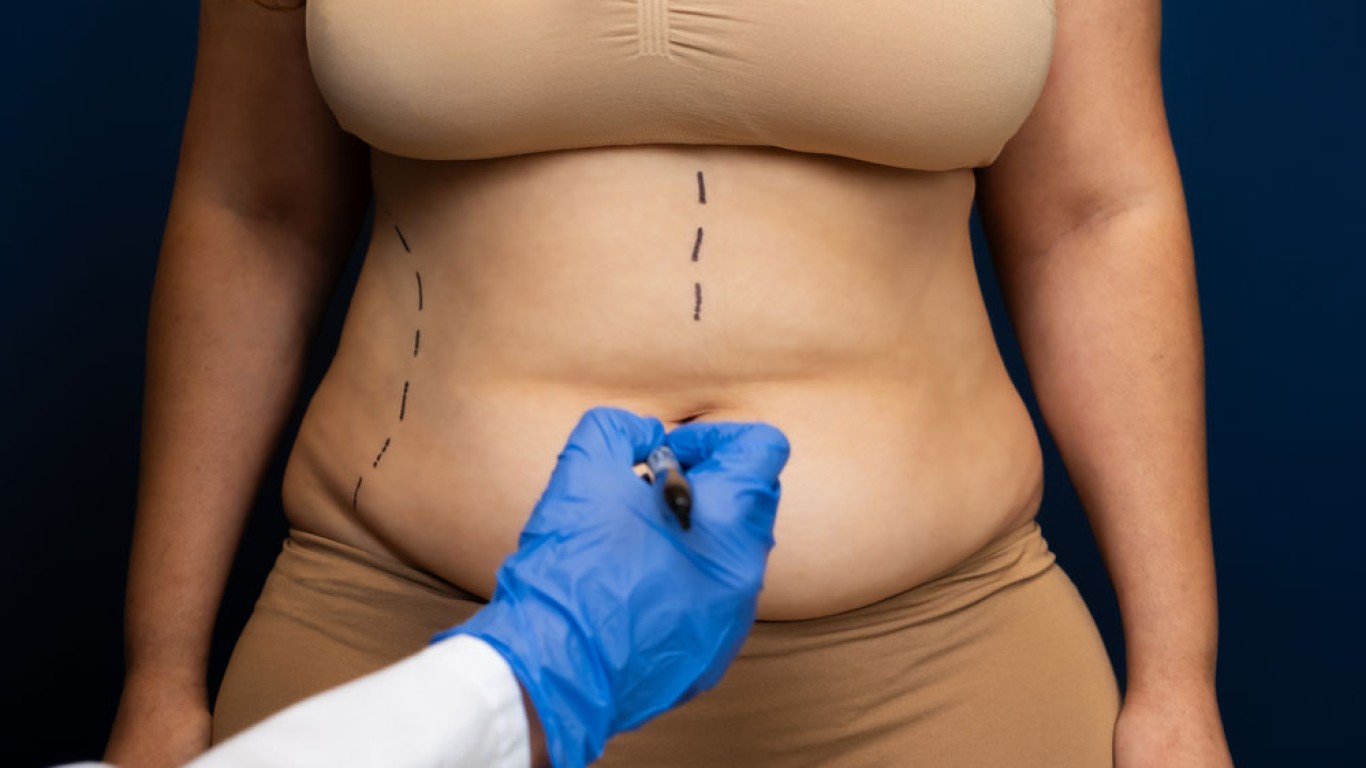
Body contouring treatments have become more refined and accessible. Many men pursue abdominal liposuction or chest reshaping to enhance muscular definition. Exercise builds muscle, yet stubborn fat deposits may remain despite disciplined training. Male plastic surgery offers targeted solutions for these resistant areas. Subtle sculpting highlights natural musculature and improves overall silhouette. The outcome typically emphasises strength and proportion rather than softness. As fitness culture continues to expand, interest in body refinement grows correspondingly.
Facial Procedures and Masculine Definition
Facial structure plays a defining role in masculine aesthetics. Jawline sharpness, chin projection and nasal proportion influence perceived strength and balance. In 2026, men increasingly seek procedures that enhance these structural features conservatively. Male plastic surgery may include chin augmentation, rhinoplasty or submental contouring. Techniques are carefully adapted to preserve masculine angles and avoid feminisation. Enhancements are generally subtle, focusing on symmetry and proportion rather than exaggerated contour.
Post-Weight Loss Refinement
Weight loss journeys have become more common due to improved awareness of health and fitness. After significant weight reduction, some men notice excess skin or persistent localised fat. Male plastic surgery provides solutions for contour refinement following lifestyle change. Procedures such as abdominal tightening or chest reshaping help complete the transformation. Many patients now see surgery as the final stage of long term personal improvement.
Advances in Surgical Precision and Technology
Modern surgical tools have improved safety, accuracy and recovery times. Techniques are now more refined and less invasive than before. This progress reassures patients who may previously have hesitated. Male plastic surgery in 2026 benefits from enhanced imaging and digital planning systems. Surgeons can simulate outcomes and tailor procedures with greater precision. Shorter recovery periods also appeal to men balancing work and family responsibilities.
Customised Male Plastic Surgery Planning
There is increasing recognition that male facial and body proportions differ significantly from female ideals. Surgical planning now specifically respects masculine anatomy. Jawline angles, brow position and chest contour are approached with distinct criteria. Male plastic surgery emphasises preserving strong lines and structural definition. Overcorrection is avoided to maintain authenticity. This specialised approach has encouraged more men to explore procedures confidently.
Minimally-Invasive Treatments Driving Growth
Not all growth involves surgical intervention. Non-surgical treatments have significantly contributed to increased interest among male patients. Injectables and energy based technologies offer refinement with minimal downtime. Male plastic surgery consultations often include discussion of subtle non-invasive options such as jawline fillers or skin tightening treatments. Men appreciate procedures that fit into demanding schedules. Gradual improvement without visible recovery signs strongly appeals to modern professionals.
Fitness Culture and Aesthetic Expectations
Fitness awareness has expanded considerably over the past decade. Gym culture emphasises lean definition, balanced proportions and muscular contour. What’s more, social media further reinforces these visual standards. Male plastic surgery complements disciplined lifestyle habits by addressing areas resistant to training. It is rarely viewed as a substitute for exercise. Instead, it refines the results of hard work. This alignment with fitness values reduces stigma and increases acceptance.
Male Plastic Surgery: Psychological Confidence and Self Image
Confidence influences social interaction, relationships and career progression. Many men describe long standing concerns about specific features that affect self perception. Addressing these concerns can provide psychological relief. Male plastic surgery is seldom about pursuing unrealistic ideals. It often centres on resolving a focused issue, such as asymmetry or fullness. Even minor structural refinement can create meaningful improvement in self assurance and comfort.
Increased Openness Around Mental Wellbeing
Conversations about mental health have become more transparent in recent years. Men are increasingly encouraged to address concerns that affect confidence and self image. Male plastic surgery can contribute to improved self perception when expectations are realistic. Addressing a feature that has caused long standing discomfort may relieve social anxiety. While surgery doesn’t replace psychological support, it can complement broader wellbeing strategies.
Cultural Acceptance Across Regions
Cultural attitudes toward aesthetic procedures vary globally, yet acceptance is expanding. In many regions, including Europe and the Middle East, men openly discuss body contouring and facial refinement. Male plastic surgery is increasingly presented as a health adjacent service rather than vanity. As awareness spreads, consultation numbers continue to rise in 2026.
Why Turkey Is a Leading Destination for Male Plastic Surgery
Turkey has become internationally recognised for aesthetic expertise and structured planning. Clinics provide detailed consultations tailored specifically to male anatomy and proportion. Male plastic surgery in Turkey emphasises masculine structure, subtle balance and natural integration. Advanced techniques combined with comprehensive aftercare support predictable outcomes. Patients value the personalised approach and technical precision available.
Future Trends in Male Plastic Surgery
Looking ahead, demand for tailored, minimally-invasive options is expected to grow. Treatments that enhance structure while preserving identity will likely remain popular. Male plastic surgery will continue evolving with technology and social expectations. Emphasis on proportion, balance and subtle refinement appears set to define future trends. As men become more comfortable investing in their appearance, growth within this field is expected to continue steadily.
Conclusion
Male plastic surgery is becoming more popular in 2026 due to evolving social acceptance, professional awareness and technical advancement. Men increasingly view aesthetic refinement as part of overall self optimisation. Whether addressing facial structure or body contour, the emphasis remains on proportion and authenticity. With careful planning and experienced surgical guidance, male plastic surgery offers subtle yet impactful enhancement that aligns with modern expectations.
For more insights into plastic surgery for men in 2026, visit the ACIBADEM Beauty Center website.
Frequently Asked Questions
Changing social attitudes and improved techniques have reduced stigma.
Body contouring, eyelid surgery and jawline enhancement are common.
Yes, techniques are tailored to preserve masculine structure.
Many appreciate minimally invasive options with minimal downtime.
Surgical procedures are long lasting, though ageing continues naturally.