Ataşehir Mah. Feza Sk. No:3 İstanbul / Türkiye
 French
  English
  German
  Spanish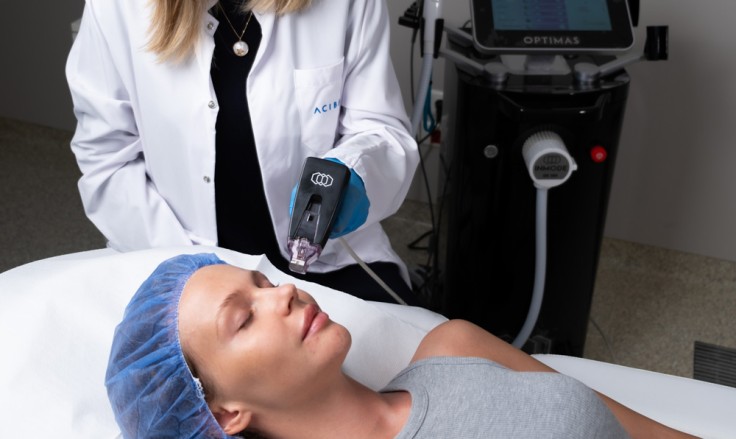
Introduction
Microneedling has become one of the most widely used skin rejuvenation treatments in modern aesthetic medicine. The procedure stimulates the body's natural healing response to improve skin texture, tone and quality. Many patients seek the procedure for its versatility and minimal downtime. The treatment addresses a wide range of concerns from acne scarring to fine lines and uneven texture. Understanding how the procedure works helps patients evaluate whether it suits their skin goals. This complete guide explains the science behind the treatment, the different types available and what patients can realistically expect from a course of professional microneedling sessions.
What Is Microneedling?
Microneedling is a minimally-invasive cosmetic procedure that uses fine needles to create controlled micro-injuries in the skin. Treatment is also known as collagen induction therapy. The needles penetrate to a precise depth depending on the device used. The micro-injuries trigger the body's natural wound healing response. Fibroblast cells produce new collagen and elastin in the treated area. The result is improved skin firmness, texture and quality. Procedure can be performed on the face, neck, decolletage and various body areas. The treatment suits most skin types and tones. Multiple sessions typically produce the best results.
How Microneedling Works
The procedure works through controlled stimulation of the skin's repair mechanisms. The fine needles create thousands of tiny channels in the skin surface. Each channel triggers the body's wound healing response. The first phase involves inflammation as the body responds to the controlled injury. The second phase produces new tissue including collagen and elastin. Third phase remodels the new tissue over weeks to months. This natural healing process gradually improves skin quality. The micro-channels also allow topical products to penetrate more effectively. Many practitioners apply serums or other beneficial ingredients during or immediately after the procedure for enhanced results.
Concerns Microneedling Addresses
Microneedling addresses a wide range of skin concerns. Acne scars respond well to collagen stimulation. Atrophic scars from previous breakouts gradually fill in. Fine lines and wrinkles soften as new collagen forms beneath the surface. Enlarged pores often appear smaller. Uneven skin texture smooths progressively. Stretch marks may improve in some patients. Sun damage and pigmentation can lighten with treatment. Skin laxity improves through ongoing collagen production. The versatility of the procedure makes it appealing for patients with multiple concerns. A single treatment platform addresses several issues simultaneously rather than requiring different procedures for each concern.
Types of Microneedling Devices
Several types of microneedling devices are available. Manual rollers were among the first devices used. They consist of a barrel covered in needles that rolls across the skin. Motorised pen devices have largely replaced rollers in professional settings. These devices use a vibrating tip with multiple needles for more precise treatment. Radiofrequency microneedling combines needling with heat energy for enhanced collagen stimulation. Stamping devices push needles directly into the skin without rolling. The choice of device affects treatment depth, comfort and results. Professional devices used in clinics typically produce better results than home rollers due to their precision and controlled needle depth.
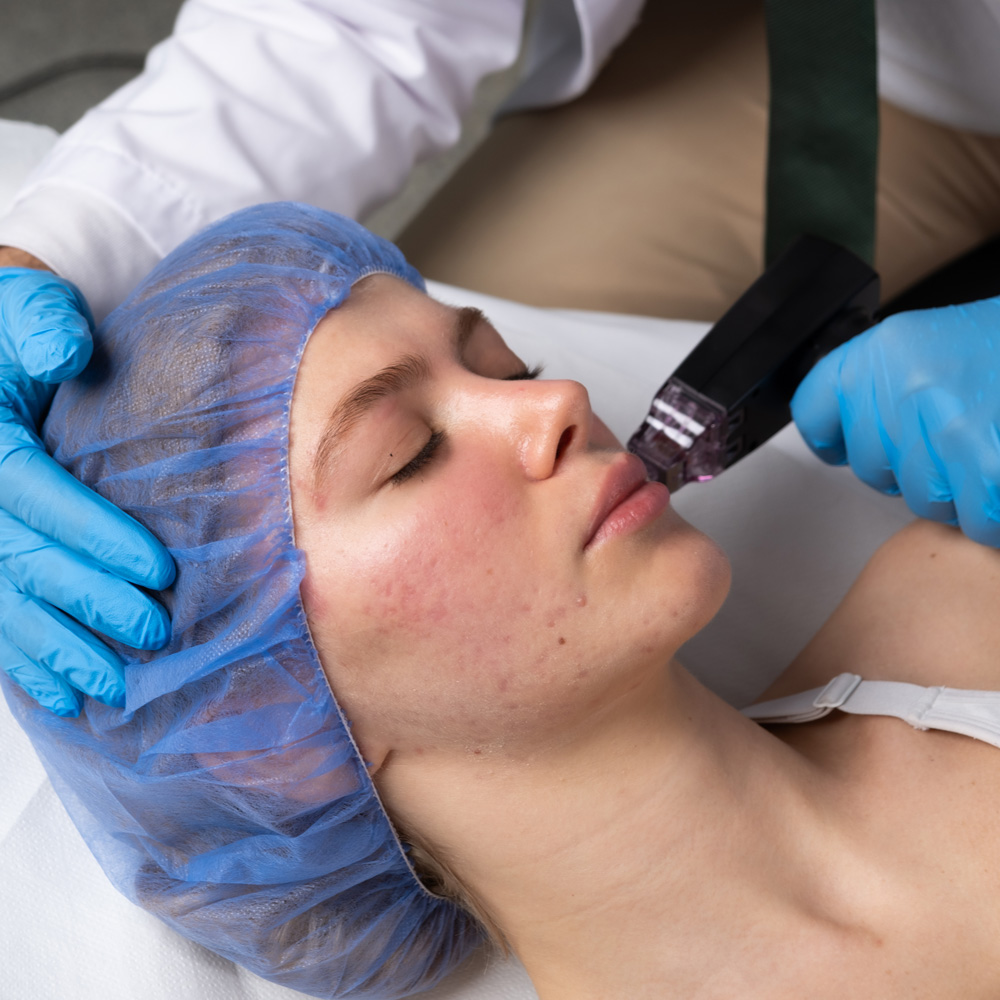
Microneedling Treatment Experience
The treatment experience is straightforward and typically well tolerated. The skin is cleansed thoroughly. Topical anaesthetic cream is applied for thirty to forty-five minutes. The practitioner then uses the device to treat the planned area. The sensation is described as a mild prickling rather than significant pain. Treatment typically takes thirty to sixty minutes depending on the area covered. Mild redness similar to sunburn develops immediately afterwards. Tiny pinpoint bleeding may occur during deeper treatments. The skin feels warm and tight. A soothing serum is typically applied after treatment. Most patients tolerate the procedure comfortably with the topical numbing.
Who Is Suitable for the Procedure?
Microneedling suits a wide range of patients with different skin concerns. Those with acne scarring often achieve significant improvement. Patients with mild to moderate skin ageing benefit from the collagen stimulation. The treatment suits most skin types and tones. Darker skin types respond well because the procedure does not use heat or light that can affect pigmentation. Pregnancy is a contraindication. Active acne, infections or cold sores in the treatment area should be resolved first. Patients with bleeding disorders or those taking blood thinners may not be candidates. A consultation evaluates individual suitability and creates a personalised treatment plan.
How Many Microneedling Sessions Are Needed?
Most patients require a course of sessions for optimal results. Three to six sessions spaced four to six weeks apart is the standard recommendation. Each session builds on the collagen stimulation from previous treatments. Patients with more advanced concerns may benefit from additional sessions. Younger patients with milder concerns may achieve good results with fewer treatments. Maintenance sessions every six to twelve months help sustain the improvement. The total number of sessions depends on individual skin condition, treatment area and goals. The practitioner advises on the recommended treatment course during consultation following a thorough skin assessment.
Microneedling Results Timeline
Results develop gradually over several months. Initial improvements in skin texture may be visible within a few weeks of the first session. Skin firmness and tone continue to improve as new collagen forms. The full effect of a treatment course typically develops within three to six months. Results continue to refine for up to a year after the final session as collagen remodelling continues. The gradual nature of the improvement creates natural-looking results. Patients often comment that their skin looks healthier without identifying exactly what has changed. This subtle improvement is one of the appealing aspects of microneedling treatment.
Recovery After Microneedling
Recovery is straightforward for most patients. Mild redness similar to sunburn is common during the first day or two. The skin may feel rough or sandpaper-like for several days. Tiny scabs from the needle entry points may appear briefly. These resolve within a week. Patients should avoid direct sun exposure during healing. Sun protection is essential after every session. Gentle skincare products should be used during the recovery period. Active ingredients such as retinol should be paused for several days. Makeup can typically be applied after twenty-four to forty-eight hours. Following aftercare instructions carefully supports the best results.
Combining Microneedling with Other Treatments
Microneedling combines well with several other treatments. Platelet-rich plasma is commonly applied during or after for enhanced regenerative effects. Serums containing hyaluronic acid, vitamin C or growth factors can be applied to the treated skin. Some practitioners combine the procedure with radiofrequency for additional collagen stimulation. The combined approach often produces more comprehensive results. Other complementary treatments include skin boosters and Profhilo for hydration. The practitioner plans combination treatments to ensure optimal results. A personalised plan addresses each patient's specific concerns through complementary approaches that enhance the benefits. Treatment spacing is carefully managed to allow the skin adequate time to recover between sessions.
Risks and Considerations
Microneedling has a favourable safety profile when performed by qualified practitioners. Common side effects include temporary redness, dryness and mild flaking. These typically resolve within a week. Less common issues include prolonged redness, hyperpigmentation or breakout. Infection is rare with proper sterile technique. Choosing an experienced practitioner using sterile equipment significantly reduces risks. Home devices carry higher risks due to inadequate sterilisation and inconsistent technique. Professional treatment in a clinical setting is strongly recommended. Realistic expectations support better satisfaction with results. The procedure produces gradual rather than dramatic improvement in most patients. Pre-treatment skin preparation can also help minimise potential side effects and optimise results.
Conclusion
Microneedling offers a versatile and effective approach to skin rejuvenation through controlled collagen stimulation. The treatment addresses multiple concerns including scarring, fine lines, texture and tone. Most patients require a course of three to six sessions for optimal results. Recovery is brief and results develop gradually over several months. The treatment suits a wide range of skin types and concerns. Realistic expectations support the best satisfaction with results. Professional treatment in a clinical setting is strongly recommended over home devices. Personal consultation ensures personalised planning for each patient seeking comprehensive skin improvement. Long-term maintenance treatments can help sustain and enhance the results achieved.
For more insights into microneedling and to book a consultation visit the ACIBADEM Beauty Center Skin Treatments page.
Frequently Asked Questions
A treatment that uses fine needles to stimulate collagen production in the skin.
Topical anaesthetic ensures the treatment is comfortable for most patients.
Most patients require three to six sessions for optimal results.
Mild redness typically resolves within one to two days.
Yes, microneedling is one of the most effective treatments for acne scarring.