Ataşehir Mah. Feza Sk. No:3 İstanbul / Türkiye
 English
  German
Introduction
The belly button is a focal point of the abdomen. Its appearance matters to tummy tuck patients. Many patients worry about how the belly button will look after surgery. Questions about tummy tuck belly button results are among the most common during consultation. The navel is preserved during abdominoplasty. It is repositioned through a new opening in the tightened skin. Understanding this process helps patients feel confident about their procedure. This article explains what happens to the belly button during and after a tummy tuck.
Why the Belly Button Changes During a Tummy Tuck
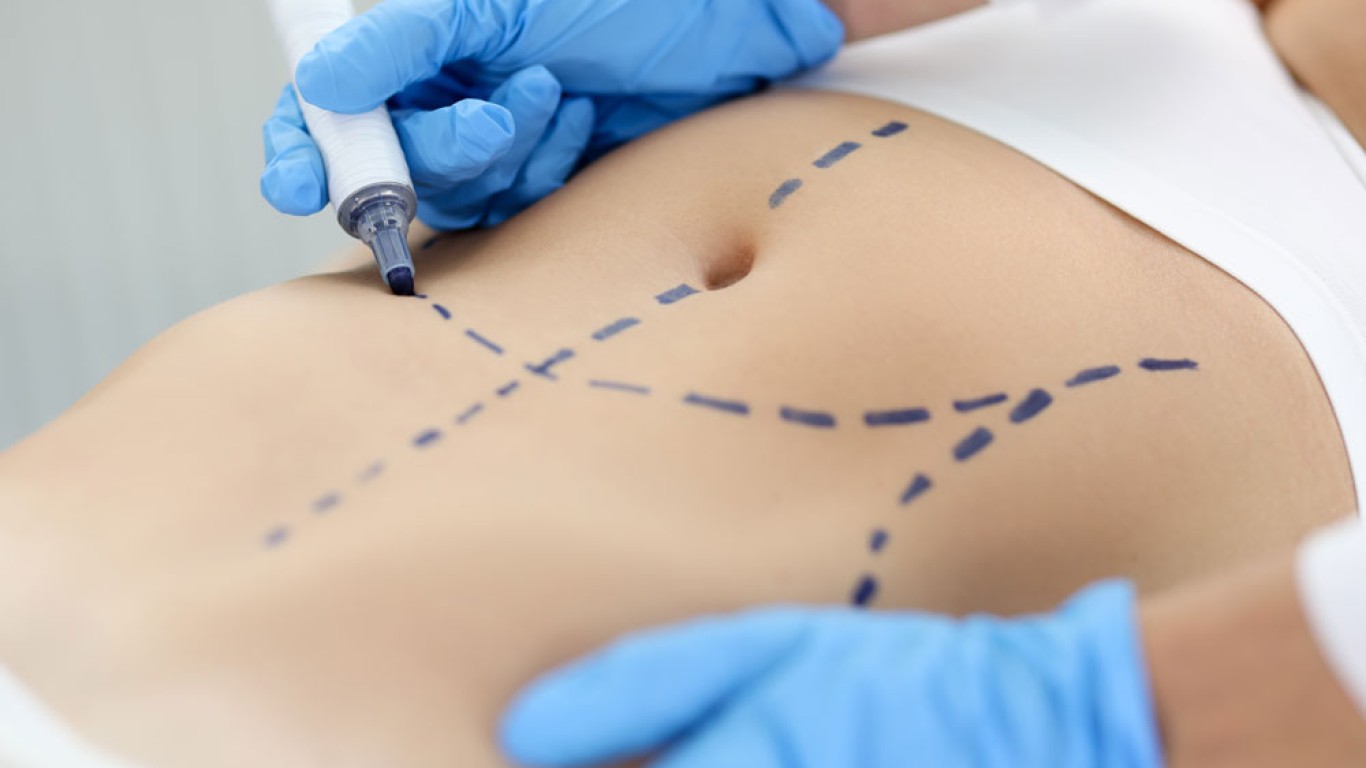
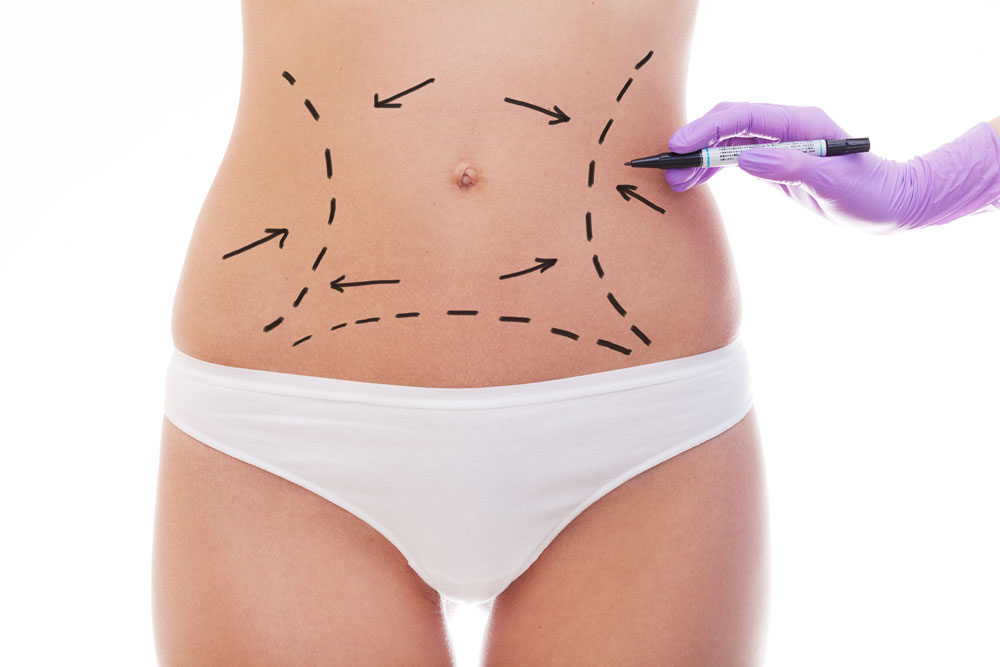
A full tummy tuck removes a significant amount of abdominal skin. The surgeon lifts the abdominal skin from the navel upward to the ribcage. Excess lower skin is removed. The remaining skin is pulled downward. The belly button remains attached to the abdominal wall throughout. It is never removed or detached. However, the skin that previously surrounded it has been repositioned. A new opening is created in the repositioned skin at the correct anatomical location. The belly button is brought through this new hole. It is sutured into its new position. The result is a navel in the correct location on a tighter, flatter abdomen. Understanding that the belly button stays connected to the body reassures patients. It is not floating freely. It remains anchored to the abdominal wall at all times.
How the Surgeon Creates the New Tummy Tuck Belly Button
The surgical technique affects final appearance. Surgeon creates a small opening in the repositioned abdominal skin. The tummy tuck belly button is delivered through this opening. The shape of the incision determines the navel shape. A vertical oval or inverted U shape is most common. Some surgeons create a small hood of skin above the navel. This creates natural-looking depth and shadow. The belly button is sutured carefully at its new position. Internal sutures secure the navel to the underlying tissue. External sutures close the skin around it. Tension-free closure supports the most natural healing. The surgeon aims for a belly button that looks like a natural navel. It should have appropriate depth, shape and size. The post-surgery belly button should not look flat, round or obviously surgical. Experienced surgeons pay significant attention to this detail.
Tummy Tuck Belly Button Healing Timeline
Healing follows a predictable timeline. The belly button area is sutured closed during surgery. Sutures are removed within one to two weeks. The navel appears swollen during the first few weeks. Mild crusting around the suture line is normal. Keep the area clean and dry. Follow wound care instructions precisely. The belly button develops its final shape over three to six months. Swelling around the navel resolves gradually. The scar around the navel fades over six to twelve months. It transitions from pink to skin tone. The final tummy tuck belly button appearance typically looks very natural once fully healed. Most patients are unable to detect the scar around their navel at twelve months. Silicone products and sun protection support the best scar healing.
What Should a Natural-Looking Tummy Tuck Belly Button Look Like?
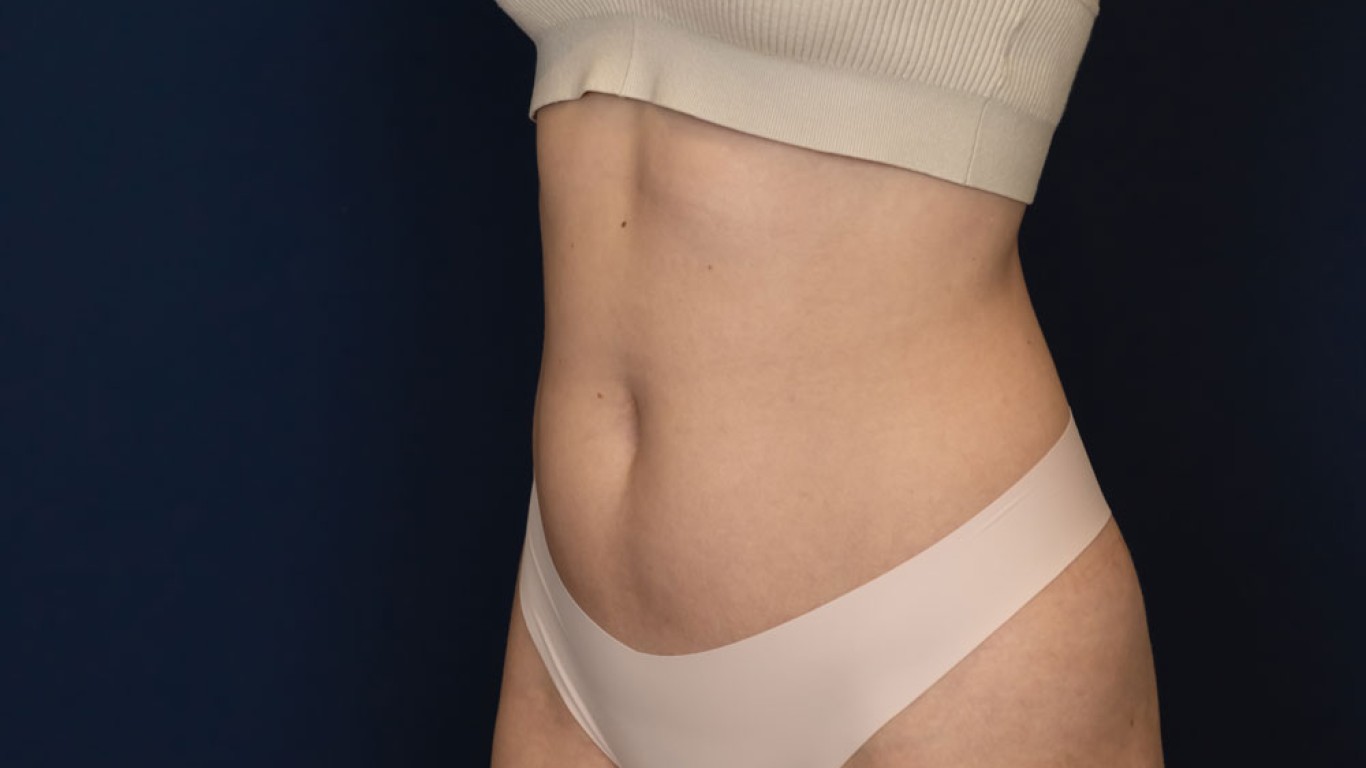
A natural-looking tummy tuck belly button has specific characteristics. It should sit slightly above the horizontal centre of the abdomen. Natural belly buttons have depth. They are not flat against the surface. A subtle hood of skin above the navel creates shadow. This shadow contributes to a natural appearance. The post-surgery belly button should be vertically oriented. Round, perfectly circular navels look artificial. An oval or slightly elongated shape looks more authentic. The size should be proportionate to the abdomen. Very small or very large navels appear unnatural. The tummy tuck belly button should not have a visible scar from casual observation. The incision line should blend with the natural colour and texture of surrounding skin after healing. These details distinguish an excellent tummy tuck result from an average one.
Tummy Tuck Belly Button: Common Patient Concerns
Several concerns arise frequently. Patients worry the navel will look fake. An experienced surgeon creates a natural result. Reviewing before-and-after photographs provides reassurance. Patients ask whether the belly button will be in the right position. The surgeon places it at the correct anatomical landmark based on the patient's body proportions. The tummy tuck belly button sits at the level of the iliac crests. Patients wonder about sensation around the navel. Temporary numbness is common. Feeling returns gradually over several months. Some patients experience reduced sensation permanently. This is usually minor. The belly button area may feel different from before surgery. This sensation change typically does not affect daily life. Patients also ask about belly button piercings. Piercings should be removed before surgery. Re-piercing is possible once healing is complete. Most surgeons recommend waiting at least six months.
Mini Tummy Tuck and the Belly Button
A mini tummy tuck addresses the lower abdomen only. The belly button is not repositioned during a mini procedure. The tummy tuck belly button stays in its original position. No new opening is created. The mini approach suits patients with lower abdominal skin excess only. It does not address the area above the navel. Because the belly button is not involved, the healing process is simpler for this component. The main scar sits above the pubic area. No navel scar results. Patients unsure whether they need a full or mini tummy tuck should discuss this during consultation. The surgeon evaluates the degree and distribution of skin excess. The post-surgery belly button question only applies to full abdominoplasty patients. Mini tummy tuck candidates can disregard this concern entirely.
Conclusion
The tummy tuck belly button is preserved and repositioned during full abdominoplasty. It remains attached to the abdominal wall throughout. A new opening in the tightened skin allows it to sit at the correct location. Healing takes three to six months for the final shape to develop. A natural-looking tummy tuck belly button has appropriate depth, oval shape and concealed scarring. Surgeon skill and attention to detail determine the quality of the result. Mini tummy tuck does not involve belly button repositioning. Professional consultation addresses individual concerns. Turkey offers tummy tuck surgery at competitive pricing with experienced surgeons. Following recovery instructions carefully supports optimal healing and helps achieve the most natural long-term appearance. Careful planning and realistic expectations further improve patient satisfaction.
To find out more information about tummy tucks and to book a consultation visit the ACIBADEM Beauty Center Aesthetics page.
Frequently Asked Questions
No. It remains attached to the abdominal wall. It is repositioned through a new opening.
Yes, when performed by an experienced surgeon. Review before-and-after photographs for reassurance.
Three to six months after surgery.
The scar sits within the navel and becomes virtually undetectable once healed.
No. The belly button is not repositioned during a mini tummy tuck.