Ataşehir Mah. Feza Sk. No:3 İstanbul / Türkiye
 English
  German
  Spanish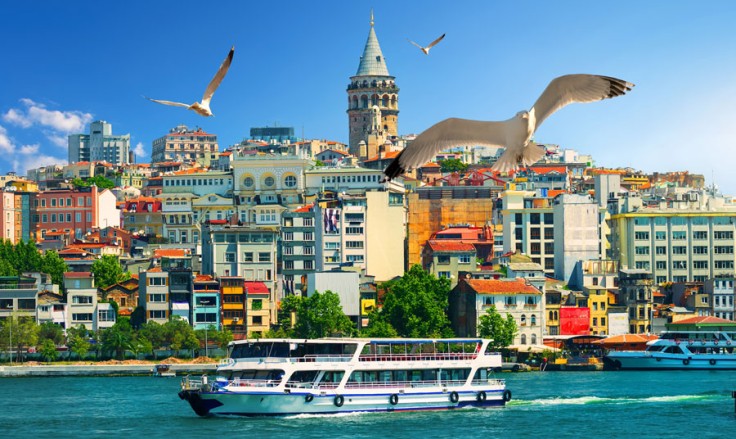
Introduction
Turkey has established itself as one of the world's leading medical tourism destinations. Millions of international patients travel to Turkey for treatment annually. The country offers a compelling combination of quality, affordability and infrastructure. Medical tourism in Turkey spans cosmetic surgery, dental treatment, hair transplant, ophthalmology and bariatric surgery. Understanding why so many patients choose Turkey helps prospective travellers evaluate the opportunity. This article explains what makes medical tourism so popular and what international patients should know before planning their trip.
Why Medical Tourism in Turkey Has Grown
Several factors have driven this growth. Pricing is the most significant. Medical tourism in Turkey offers savings of forty to seventy percent compared with UK and USA pricing. This applies across virtually all procedure types. The savings are substantial even after travel costs are included. Quality at leading Turkish facilities matches international standards. JCI accreditation provides independent verification. Turkish surgeons and practitioners are well trained. Many hold international qualifications. Health tourism in Turkey benefits from high procedural volumes. Surgeons perform their speciality procedures daily. This volume develops exceptional technical skill and consistency. The combination of price and quality creates a value proposition that few other countries can match. Health tourism in Turkey continues growing because the fundamentals are genuinely strong.
Quality Standards in Medical Tourism in Turkey
Quality assurance is essential for international patients. Medical tourism in Turkey is supported by robust accreditation systems. JCI accreditation is the global gold standard for healthcare quality. Numerous Turkish hospitals hold this certification. The accreditation covers patient safety, infection control, clinical governance and facility standards. Health tourism in Turkey at JCI-accredited facilities provides the same safety assurance as leading hospitals worldwide. Turkish medical schools produce well-trained graduates. Specialist training programmes follow rigorous curricula. Many Turkish surgeons complete fellowship training in European or American institutions. Health tourism in Turkey benefits from this internationally informed training pathway. Practitioners bring global best practice back to Turkish clinics. Before-and-after photographs and independent patient reviews provide additional quality evidence. Patients should verify credentials and accreditation independently before committing.
What Makes Medical Tourism in Turkey Affordable?
The pricing advantage stems from economic factors rather than quality differences. Health tourism in Turkey reflects lower operational costs within the Turkish economy. Staff salaries are lower than UK or USA equivalents. Facility rental and construction costs are lower. Medical supplies and equipment are sourced competitively. These structural savings reduce per-procedure costs without affecting clinical standards. Health tourism in Turkey also benefits from currency exchange rates. International patients paying in pounds or euros receive strong value. High patient volumes create further pricing efficiency. Fixed facility costs are spread across more procedures. Competition between Turkish clinics drives value-focused pricing. Medical tourism in Turkey pricing does not reflect reduced quality. It reflects a different economic environment. The same instruments, implants and medications are used. The same surgical principles are followed. Clinical outcome is equivalent at a fraction of the cost.
Medical Tourism in Turkey: What Procedures Are Available?
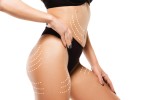
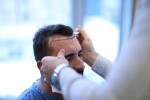
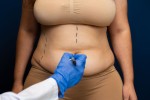
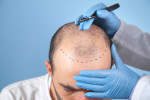
The range of available treatments is comprehensive. Health tourism in Turkey covers cosmetic surgery including rhinoplasty, facelift, breast augmentation and body contouring. Dental tourism includes veneers, dental implants, crowns and full mouth rehabilitation. Hair transplant is one of Turkey's strongest specialities. The country performs more hair transplants than any other nation globally. Medical tourism in Turkey also includes laser eye surgery, bariatric surgery and orthopaedic procedures. Skin treatments including laser, Botox and filler are widely available. Health tourism in Turkey allows patients to combine multiple treatments during a single visit. Comprehensive packages cover dental work alongside cosmetic surgery. Hair transplant can be combined with facial treatments. This efficiency maximises the value of travelling for treatment.
Medical Tourism in Turkey: The Patient Experience
The patient experience is highly organised. Health tourism in Turkey has developed a sophisticated infrastructure over many years. Clinics employ dedicated patient coordinators for international patients. Communication is managed in English throughout. Airport transfers are coordinated upon arrival. Hotel accommodation is arranged near the clinic. Medical tourism in Turkey packages cover logistics from arrival to departure. Patients do not need to organise transport, accommodation or appointments independently. The clinical team manages the schedule. Pre-operative assessments, surgery, follow-up and departure are coordinated seamlessly. Health tourism in Turkey also benefits from Istanbul's accessibility. The city is connected to most European capitals by direct flights of three to four hours. Multiple daily flights provide scheduling flexibility. The infrastructure supporting health tourism in Turkey is mature and well tested through millions of patient journeys.
Safety Considerations
Safety is the primary concern for international patients. Medical tourism in Turkey at accredited facilities provides strong safety assurance. Patients should verify JCI accreditation or equivalent independently. Surgeon credentials and specialist training should be confirmed. Health tourism in Turkey safety depends on clinic selection. Not every facility maintains the same standards. Choosing accredited institutions with documented experience is essential. Travel insurance covering medical procedures abroad is strongly recommended. Standard policies often exclude elective surgery. Specialist medical tourism insurance provides appropriate cover. Health tourism in Turkey patients should carry surgical documentation during travel. Emergency contact details for the clinic should be accessible at all times. Most reputable Turkish clinics provide twenty-four hour patient support lines. Medical tourism in Turkey is safe when patients choose accredited facilities with experienced practitioners and appropriate insurance coverage.
Medical Tourism in Turkey: Planning Your Trip
Effective planning ensures a smooth experience. Health tourism in Turkey begins with a remote consultation. Share photographs and medical history. Receive a treatment plan and pricing before committing. Confirm package inclusions in writing. Book flexible flights to accommodate scheduling adjustments. Health tourism in Turkey typically requires a stay of five to fourteen days depending on the procedure. Pack comfortable clothing appropriate for recovery. Arrange a travel companion for surgical procedures. Carry medications in hand luggage. Medical tourism in Turkey planning should include researching the clinic thoroughly. Read independent reviews across multiple platforms. Review before-and-after photographs. Verify accreditation. Speak directly with the operating surgeon before committing. Medical tourism in Turkey rewards thorough preparation with a confident, well-organised treatment experience.
Conclusion
Medical tourism in Turkey offers international patients access to high-quality treatment at significantly lower pricing. JCI-accredited facilities match international safety standards. Experienced practitioners perform procedures at high volume. All-inclusive packages simplify the experience from arrival to departure. Health tourism in Turkey spans cosmetic surgery, dental treatment, hair transplant and beyond. Istanbul's accessibility and appeal enhance the overall experience. Remote aftercare supports ongoing recovery. Professional consultation ensures the right treatment and clinic selection. Health tourism in Turkey continues to grow because the combination of quality, value and patient care is genuinely compelling.
For more information about options in Turkey and to book a consultation visit the ACIBADEM Beauty Center webpage.
Frequently Asked Questions
Lower operational costs, favourable exchange rates and high volumes create the pricing advantage. Quality is not reduced.
Yes, at JCI-accredited facilities with experienced practitioners. Verify accreditation independently.
Hair transplant, dental veneers, rhinoplasty, breast surgery and bariatric surgery attract the most patients.
Five to fourteen days depending on the procedure. The clinic advises on the appropriate duration.
Yes. Standard policies often exclude elective procedures. Specialist medical tourism insurance is recommended.