Ataşehir Mah. Feza Sk. No:3 İstanbul / Türkiye
 French
  English
  German
  Spanish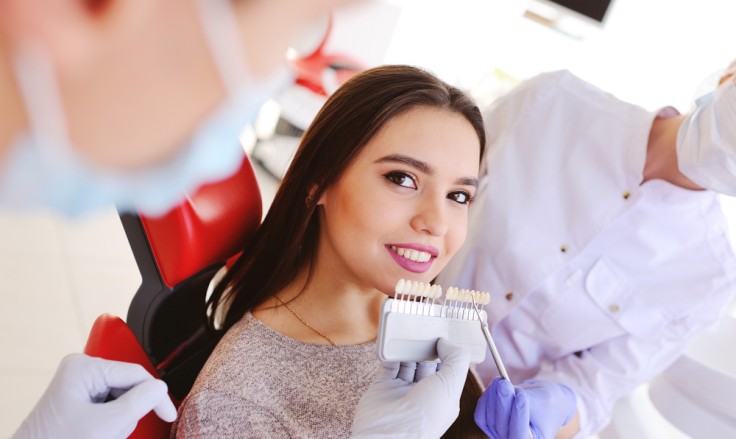
Introduction
Aesthetic dentistry continues to evolve as technology, materials, and patient preferences change. In 2026, dental aesthetics focuses on natural appearance, personalised planning, and minimally invasive techniques. People now seek improvements that enhance harmony rather than dramatic transformation. This article explores the leading aesthetic dentistry trends shaping clinics worldwide and explains how modern approaches prioritise balance, precision, and long-term results.
Aesthetic Dentistry and The Shift Toward Natural-Looking Smiles
Natural appearance now defines aesthetic dentistry standards. Patients prefer teeth that match facial proportions and skin tone. Bright white shades remain popular, but softer tones dominate current requests. Dentists aim to replicate natural translucency rather than artificial brightness. This shift supports subtle refinement rather than obvious cosmetic alteration.
Personalised Smile Design Planning
Smile design planning has become central within aesthetic dentistry. Dentists analyse facial symmetry, lip movement, and tooth proportions. This ensures each enhancement aligns with the individual’s features. Personalised planning reduces overcorrection and supports balanced outcomes. Treatment plans now reflect facial structure, not trends alone.
Digital Smile Design as a Standard Tool
Digital smile design plays a key role in modern aesthetic dentistry. It allows visualisation of potential outcomes before treatment begins. Dentists use digital scans to plan tooth shape, length, and spacing. This improves accuracy and communication. Patients gain clarity about expected results early in the process.
Minimally Invasive Cosmetic Techniques
Minimally invasive methods dominate aesthetic dentistry trends for 2026. Dentists preserve natural tooth structure whenever possible. Composite bonding, enamel contouring, and micro-veneers support this approach. These techniques require less preparation and maintain tooth integrity. Conservative methods now replace aggressive reshaping.

Composite Bonding Continues to Grow
Composite bonding remains a popular aesthetic dentistry option. It addresses chips, gaps, and uneven edges with precision. Improved materials offer better durability and colour stability. Bonding allows subtle refinement without extensive drilling. This makes it suitable for younger patients seeking gentle enhancement.
Ultra-Thin Veneers Gain Popularity
Ultra-thin veneers reflect the conservative focus of aesthetic dentistry. These veneers require minimal enamel removal. They enhance shape and symmetry while maintaining natural translucency. Dentists select them for patients wanting refinement without aggressive preparation. Their lightweight design supports long-term comfort.
Tooth Alignment with Clear Aligners
Clear aligners remain integral to aesthetic dentistry planning. Straighter teeth improve smile balance before cosmetic enhancement. Aligners offer discreet correction without visible brackets. Many patients complete alignment before bonding or veneers. This staged approach improves final aesthetic harmony.
How Aesthetic Dentistry Focuses on Proportions Rather Than Perfection
Aesthetic dentistry no longer pursues identical smiles. Dentists focus on proportion and individuality. Slight variations add realism and character. This approach avoids uniform results. Proportion-based planning ensures the smile complements facial movement naturally.
Advanced Dental Materials for Longevity
Material innovation shapes trends within the dentistry world. Modern ceramics mimic enamel strength and translucency. Composite resins resist staining and wear more effectively. These improvements extend treatment lifespan. Dentists select materials based on durability and aesthetic integration.
Holistic Smile Design Philosophy
Holistic principles influence aesthetic dentistry decisions. Dentists consider facial muscles, bite alignment, and oral health together. Smile enhancement integrates with function. Balanced bites reduce uneven wear and support longevity. A holistic approach ensures aesthetics do not compromise oral stability.
Aesthetic Dentistry: Subtle Gum Contouring Techniques
Gum aesthetics receive increased attention. Gentle contouring improves symmetry and tooth proportion. Dentists avoid excessive reshaping. Laser-assisted methods allow precise adjustment. This trend supports cleaner smile lines without altering natural gum character.
Texture and Surface Detail Matter More
Surface texture now matters greatly in aesthetic dentistry. Dentists recreate natural enamel patterns. Light reflection appears softer and more realistic. Flat surfaces are avoided. Texture adds depth and prevents artificial shine.
Smile Age Matching Becomes Important
Dentists consider age when planning aesthetic treatments. Younger smiles often show softer edges and translucency. Mature smiles benefit from refined structure without over-brightness. Age-appropriate planning ensures authenticity. This trend supports long-term satisfaction.
Preventative Aesthetic Dentistry
Preventative care integrates with aesthetic dentistry. Early correction of wear or spacing prevents larger issues later. Small refinements maintain a smile quality over time. Dentists now intervene earlier using conservative methods. Prevention supports sustained aesthetics.
Increased Demand for Reversible Treatments
Patients increasingly prefer reversible options. Composite bonding and aligners allow adjustment or removal. This flexibility appeals to cautious patients. Reversible techniques align with conservative aesthetic dentistry principles. They provide reassurance and adaptability.
Smile Design for Professional Lifestyles
Professional appearance influences aesthetic decisions. Subtle enhancements suit workplace expectations. Overly dramatic changes are avoided. Dentists tailor treatments to lifestyle needs. This practical focus drives modern aesthetic dentistry planning.
Improved Shade Matching Techniques
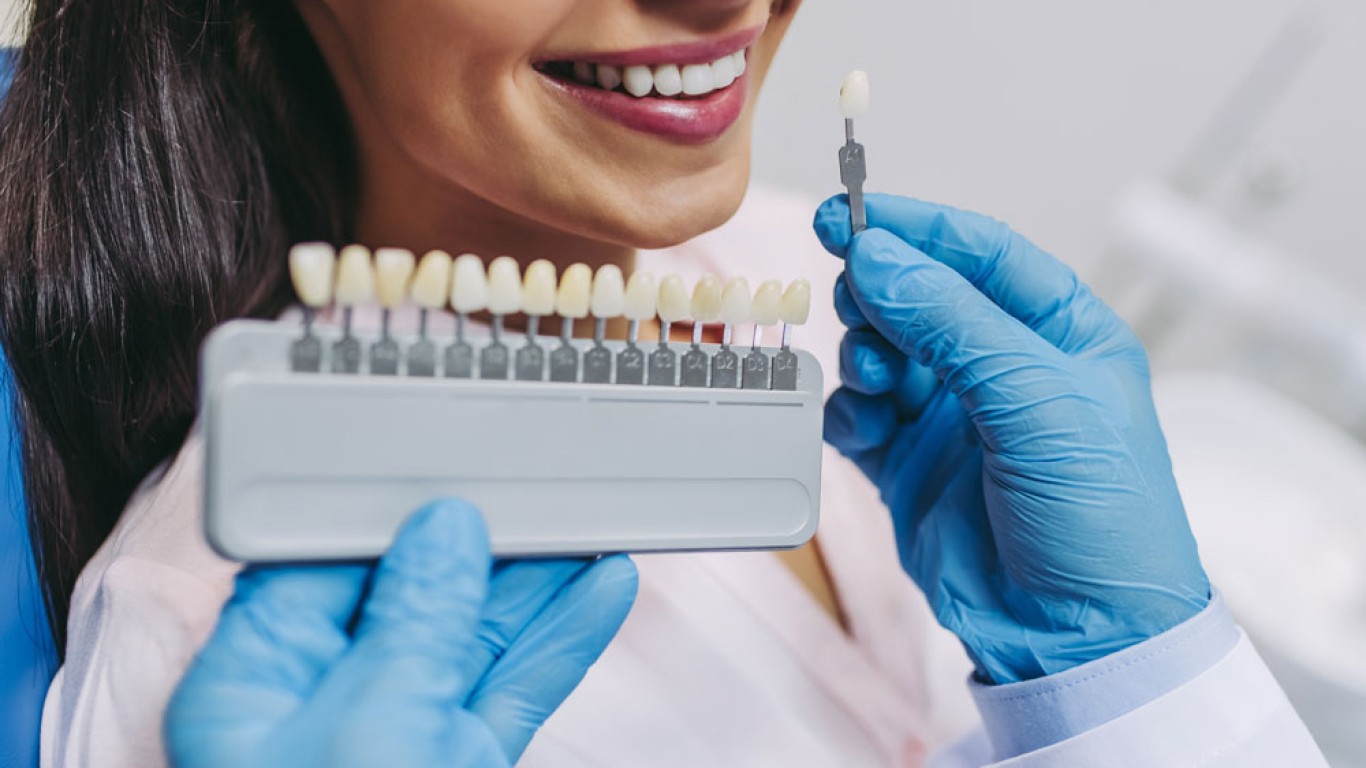
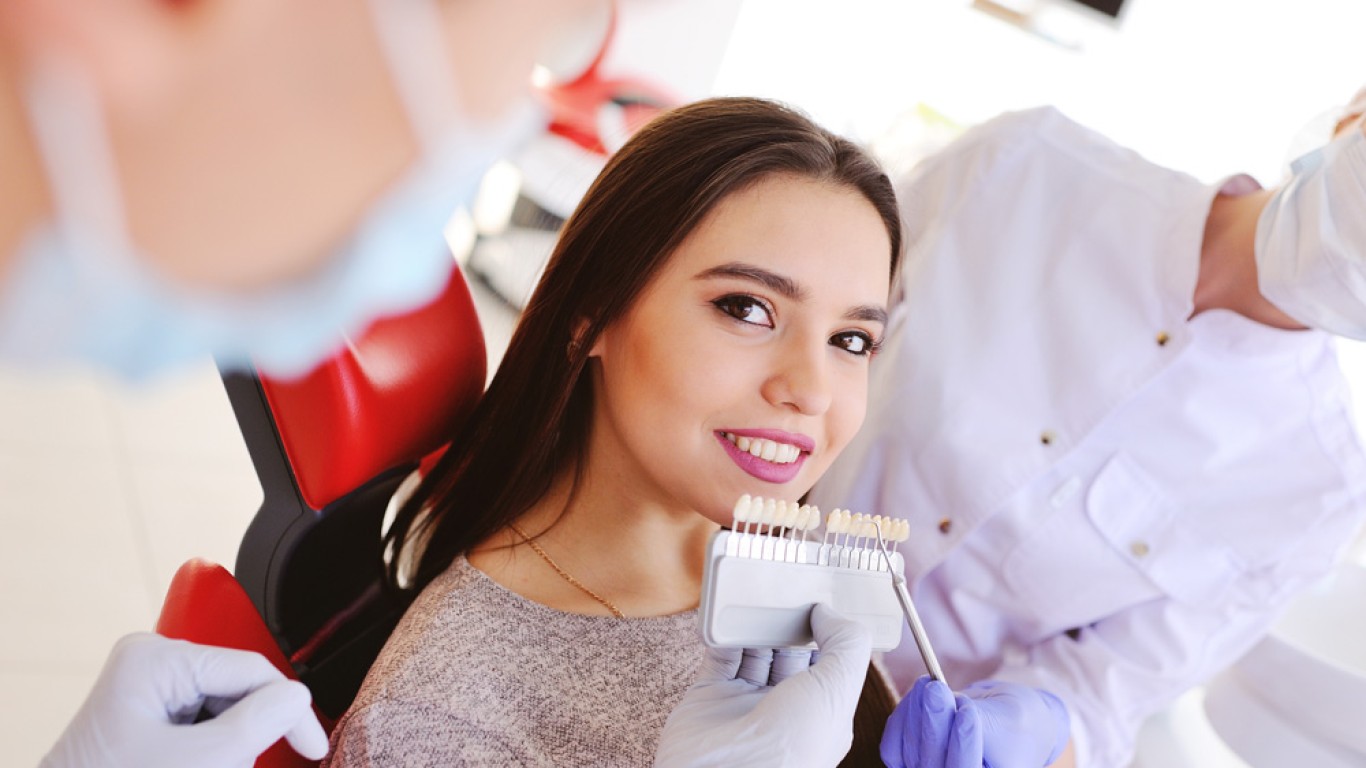
Shade matching technology has advanced significantly. Dentists achieve precise colour blending with natural teeth. This prevents visible transitions. Accurate shade selection improves realism. It remains essential for bonding, veneers, and restorations.
Long-Term Maintenance Planning
Aesthetic dentistry now includes long-term maintenance strategies. Dentists provide care plans to preserve results. Regular reviews help monitor wear or colour changes. Maintenance ensures cosmetic work ages well. Planning extends beyond the initial procedure.
Why Aesthetic Dentistry Will Keep Evolving
Patient expectations continue to change. Technology advances rapidly. Natural aesthetics remain a priority. Dentists adapt techniques accordingly. Aesthetic dentistry evolves by balancing innovation with restraint.
Conclusion
Aesthetic dentistry trends for 2026 reflect a shift toward subtlety, precision, and personalised care. Conservative techniques, advanced materials, and holistic planning define modern smile enhancement. These trends prioritise natural appearance and long-term balance.
For more information and to book a consultation visit the ACIBADEM Beauty Center Dental Treatments webpage.
Frequently Asked Questions
It focuses on natural appearance and conservative techniques.
Yes, especially ultra-thin options.
Modern materials offer improved durability.
It ensures balance with facial proportions.
Yes, refinement now outweighs dramatic alteration.