Ataşehir Mah. Feza Sk. No:3 İstanbul / Türkiye
 French
  English
  German
  Spanish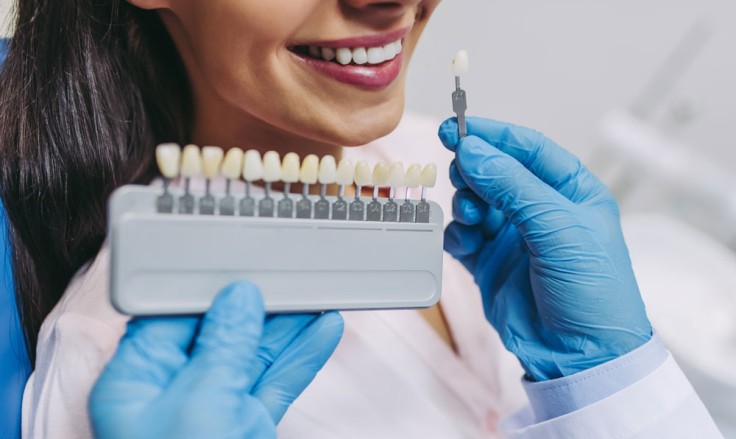
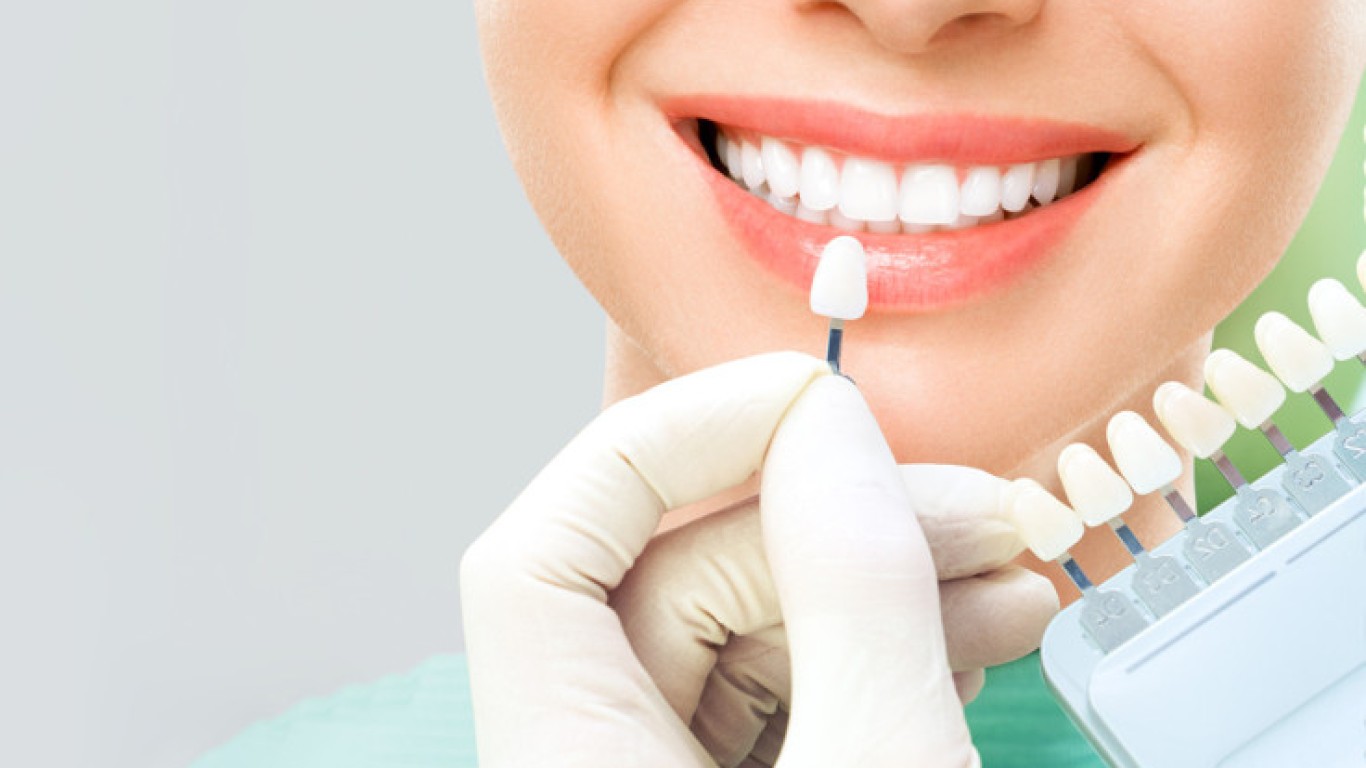
A perfect smile is no longer out of reach. Thanks to modern cosmetic dentistry, there are solutions for improving the look of your teeth. One of the most popular choices today is composite veneers. These custom-made coverings enhance the shape, size, and colour of your teeth. Additionally, they offer a quicker and more affordable alternative to porcelain veneers. Whether you want to close gaps or cover stains. Composite veneers may be the solution you’ve been looking for.
Composite veneers are rising in popularity for several reasons. They are affordable, minimally invasive, and easily repairable. Additionally, they can be applied in just one visit. Unlike porcelain veneers, they don’t always require the removal of natural enamel. Therefore, they are often preferred by people looking for a reversible option. Let's explore exactly how they work and whether they’re right for you.
What Are Composite Veneers?
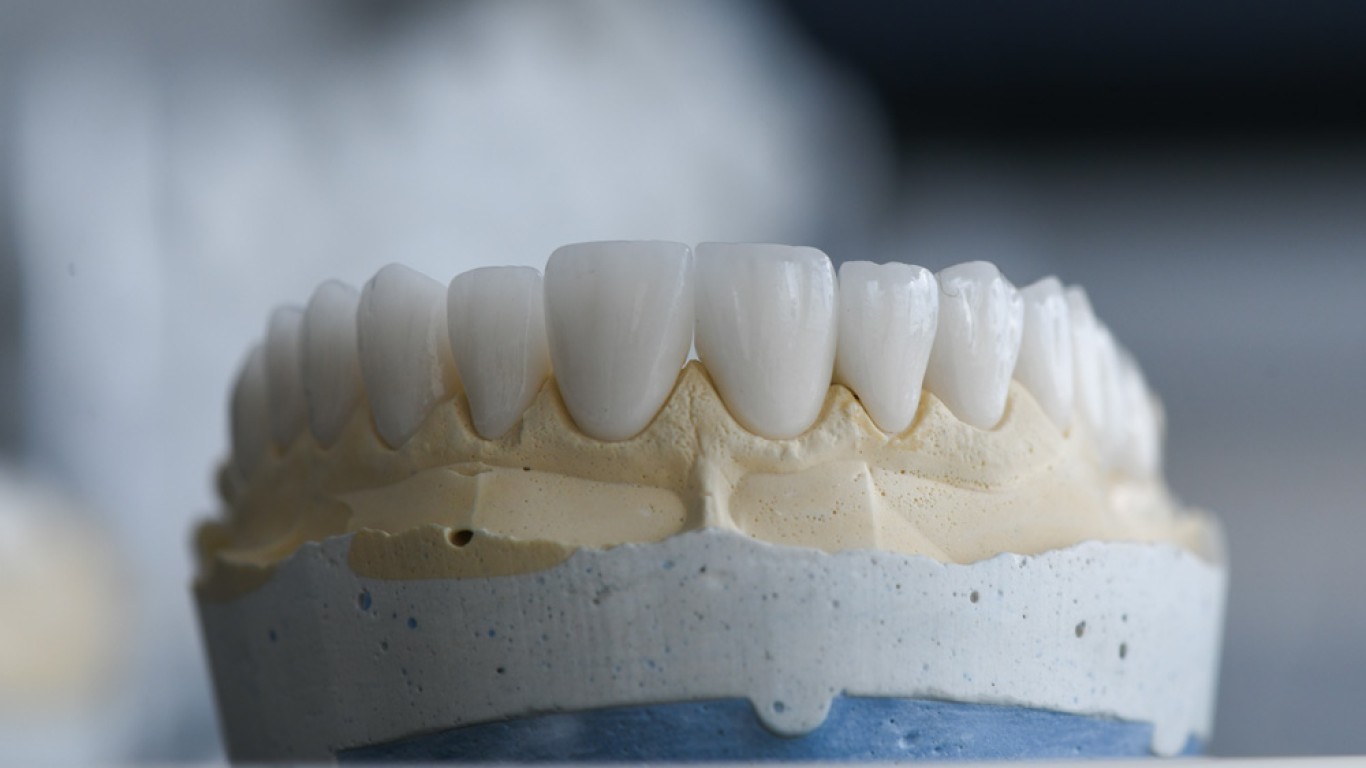
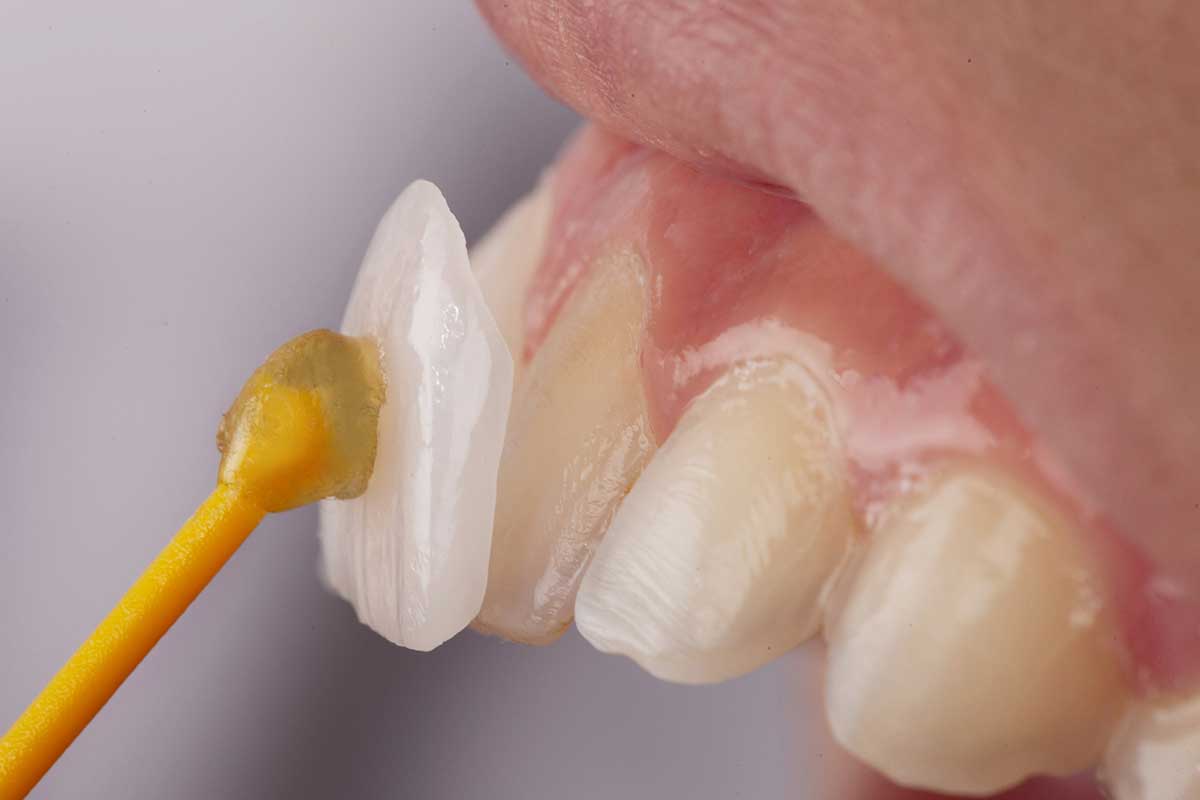
Composite veneers are thin layers of tooth-coloured resin material. Dentists apply this resin directly onto your teeth. It is carefully shaped and polished to improve the look of your smile. Generally, the process is fast, pain-free, and completed within a single appointment.
They are ideal for correcting minor cosmetic issues. These include chipped teeth, small gaps, misshaped teeth, and discolouration. Furthermore, the material blends seamlessly with your natural teeth. Consequently, the results look natural and flattering.
How Are Composite Veneers Applied?
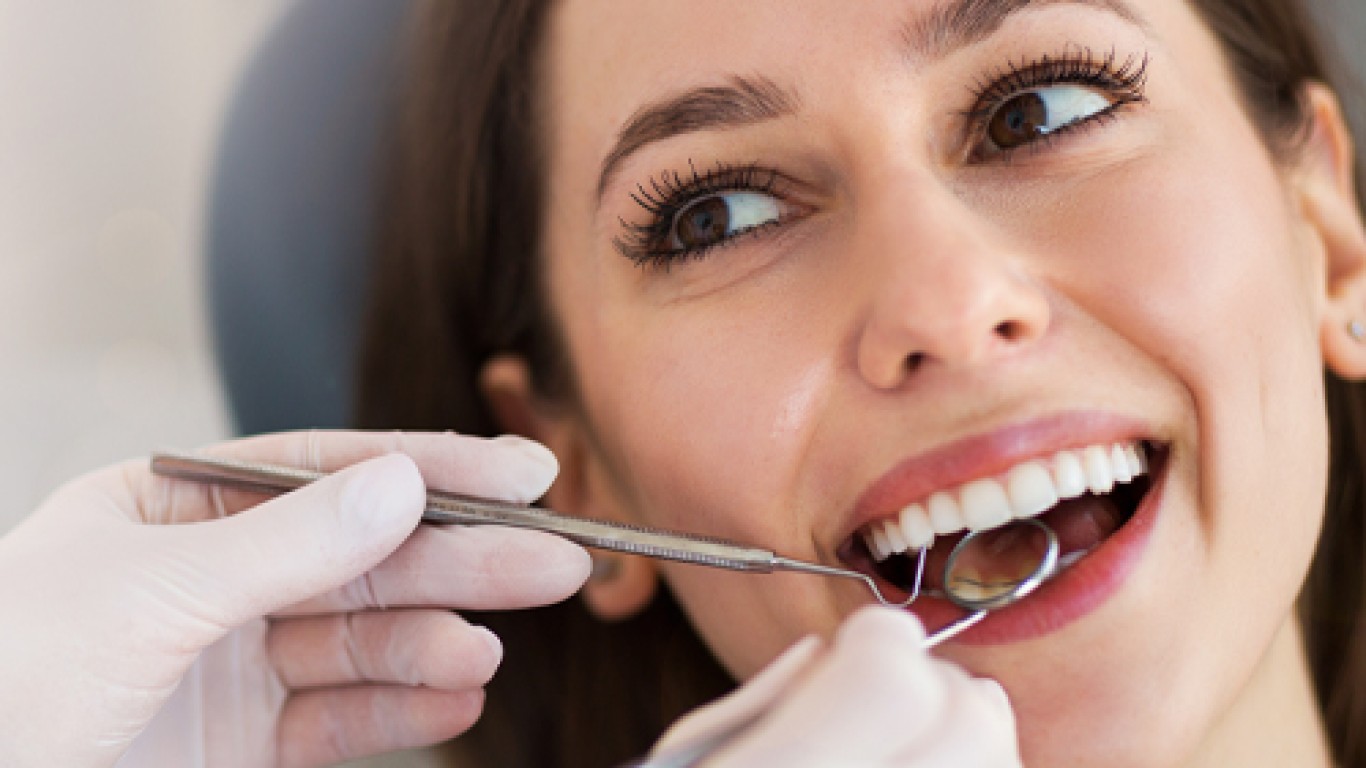
Firstly, your dentist will examine your teeth and discuss your goals. Then, they will prepare the teeth by cleaning and lightly etching the surface. This helps the resin stick securely. After that, the dentist layers and shapes the composite material onto each tooth. Finally, a special light hardens the resin, and the dentist polishes it.
The entire process usually takes one to two hours. Additionally, there is no need for anaesthetic in most cases. Unlike porcelain veneers, no dental lab is needed. Everything is done chairside, making the treatment more convenient.
Benefits of Choosing Composite Veneers
There are many reasons why people choose composite veneers. Firstly, the cost is considerably lower than porcelain alternatives. Also, they are minimally invasive. Your natural teeth remain mostly untouched. This makes the process both reversible and less stressful.
Secondly, the treatment is fast. In many cases, you’ll leave with a new smile on the same day. Additionally, the veneers are easy to repair. If they chip or stain, your dentist can fix them quickly. Furthermore, composite veneers are ideal for people who want cosmetic changes without long-term commitments.
Limitations of Composite Veneers to Be Aware Of
Although composite veneers have many advantages, they also have some limitations. For instance, they are not as durable as porcelain veneers. Typically, they last between five to seven years with proper care. However, they can stain over time. Smoking or drinking coffee may affect their appearance.
Additionally, they may be less suitable for people who grind their teeth. Excessive pressure can cause wear or damage. Despite these limitations, many still choose composite veneers because of their accessibility and ease.
Who Is an Ideal Candidate?
Composite veneers work best for people with minor cosmetic concerns. These include uneven teeth, small chips, or light staining. Also, people looking for a less permanent option often prefer them. If you are unsure about long-term veneers, this is a smart first step.
However, your oral health must be stable. Gum disease, tooth decay, or severe misalignment should be treated first. Once those issues are resolved, composite veneers can be an excellent choice. Always consult with a qualified dentist to determine suitability.
How to Care for Composite Veneers
Proper care helps maintain your veneers and keeps them looking fresh. Brush your teeth twice daily and floss regularly. Use a soft-bristled toothbrush to avoid scratching the surface. Additionally, avoid biting into hard foods like ice or nuts.
Try to reduce intake of stain-causing drinks such as red wine or coffee. If you smoke, consider stopping. Smoking affects both the veneers and your natural teeth. Furthermore, regular dental check-ups are essential. Your dentist can polish the veneers to restore shine and fix any wear.
How Much Does It Cost?
Composite veneers are more affordable than other cosmetic options. In the UK, a single veneer usually costs between £200 and £400. Prices vary depending on location, clinic reputation, and number of veneers needed.
Since they don’t involve lab fees, they are cheaper than porcelain versions. Additionally, many clinics offer flexible payment plans. Therefore, composite veneers are often a good choice for people on a budget.
Composite vs Porcelain Veneers: Key Differences
Both types of veneers serve the same cosmetic purpose. However, they differ in material, application, and longevity. Porcelain veneers are stronger and last longer—often 10 to 15 years. But they require more enamel removal and multiple visits.
Composite veneers are quicker and less invasive. They can be completed in one session, and they’re easier to adjust. Although they don’t last as long, they are more affordable and reversible. Choosing between the two depends on your goals and budget.
Conclusion
Composite veneers offer a fast, effective, and affordable way to improve your smile. They are ideal for minor cosmetic issues and do not require invasive procedures. Because of their flexibility, they’re perfect for first-time cosmetic dentistry patients. While not as durable as porcelain veneers, they offer great value and a natural look. With proper care, composite veneers can give you years of confident smiles.
For more information and to book a consultation visit the ACIBADEM Beauty Center Veneers webpage.
Frequently Asked Questions
With proper care, they usually last five to seven years before needing repair or replacement.
No, they require minimal enamel removal. Your natural teeth remain mostly intact underneath.
No, they can’t be whitened. However, your dentist can polish or replace them if they stain.
Not at all. Most people experience no pain, and anaesthetic is rarely needed.
They work best for front teeth with minor cosmetic flaws. Molars are less ideal due to chewing pressure.