Ataşehir Mah. Feza Sk. No:3 İstanbul / Türkiye
 French
  English
  German
  Spanish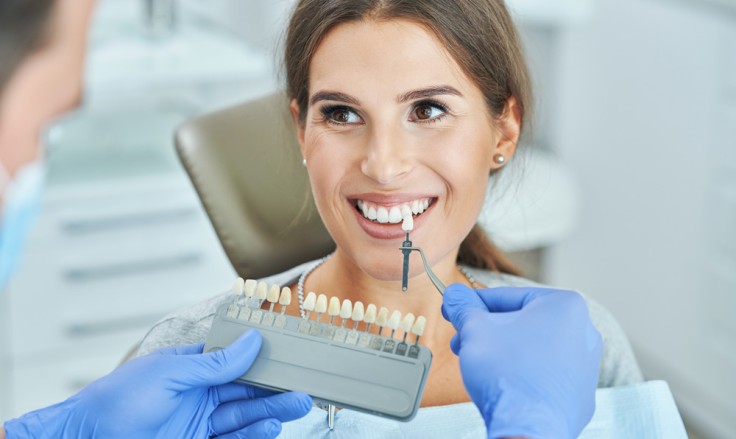
Introduction
Advanced technology continues to transform cosmetic dentistry. Among these developments, smile design using AI tools has become a leading method for planning natural-looking results. This approach blends facial analysis, digital imaging, and predictive modelling. As a result, dental specialists can create precise treatment plans tailored to each individual.
What Smile Design Aims to Achieve
Smile design plans the ideal shape, size, and position of each tooth. It considers lips, facial structure, and symmetry. Additionally, the process maps natural movement patterns during speaking and smiling. Because these elements differ for each person, smile design creates a personalised blueprint. The focus remains on natural balance and harmonious proportions.
How AI Supports the Smile Design Process
AI systems analyse facial features and oral structures. They detect symmetry, alignment, and shade variations. They also measure proportions that influence smile appearance. Because AI evaluates thousands of data points, the planning stage becomes more precise. This helps create accurate designs that align with facial shape and natural expressions.
Digital Scanning for Precise Smile Mapping
Digital scanners create detailed 3D images of the teeth. They capture angles, texture, and spacing. AI tools then process these scans to build the smile design model. Additionally, scanners record bite movement and jaw alignment. These details allow specialists to design restorations that sit comfortably and match natural motion.
AI Facial Analysis in Modern Cosmetic Dentistry
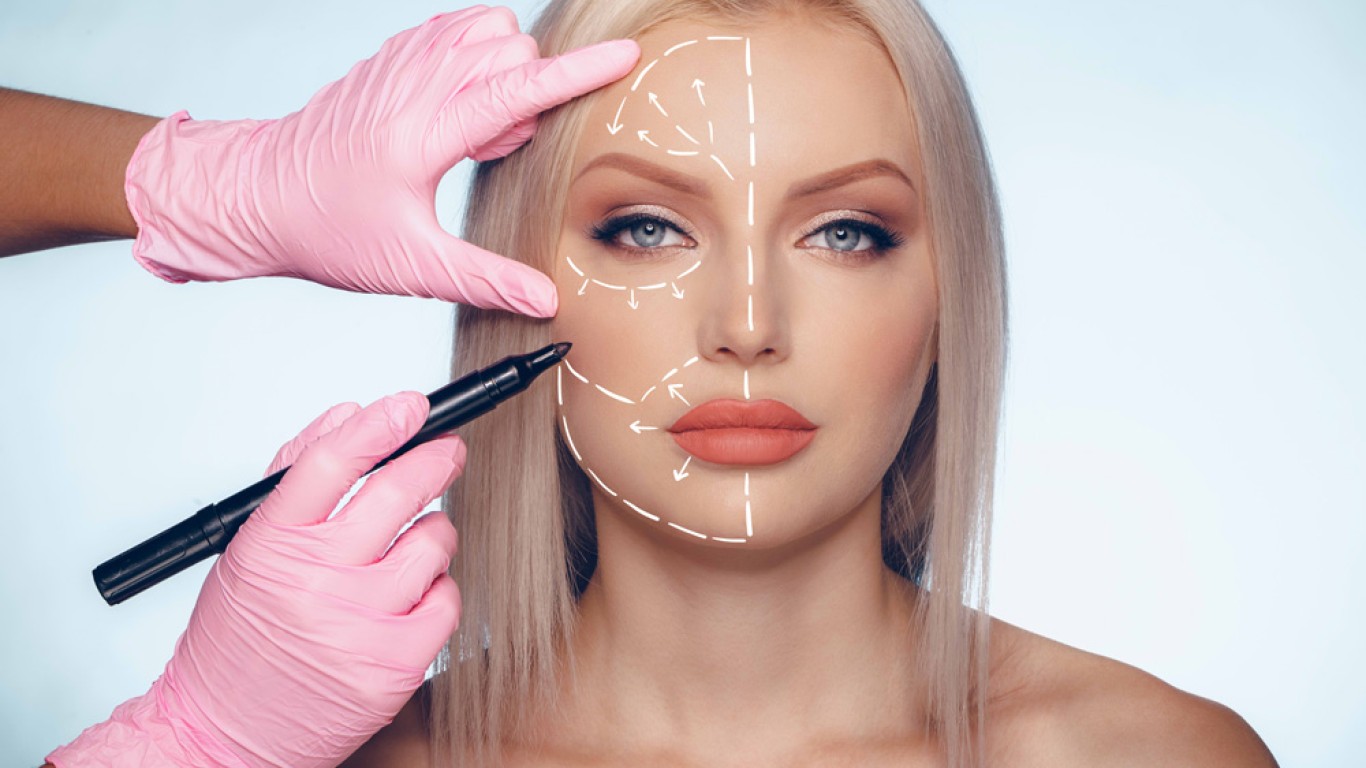
AI facial analysis examines lip curvature, jawline movement, and symmetry. It maps how the smile interacts with facial features. This ensures that the final design complements expressions and overall appearance. By analysing dynamic movement, AI supports smoother integration between teeth and facial patterns.

How AI Improves Treatment Planning
AI tools allow specialists to test several design options. They also highlight the most harmonious layout. Furthermore, they identify small adjustments that may enhance alignment. These insights guide decisions for veneers, bonding, crowns, or full mouth treatments. Because AI processes data instantly, planning becomes faster and more accurate.
Smile Design Previews and Digital Mock-Ups
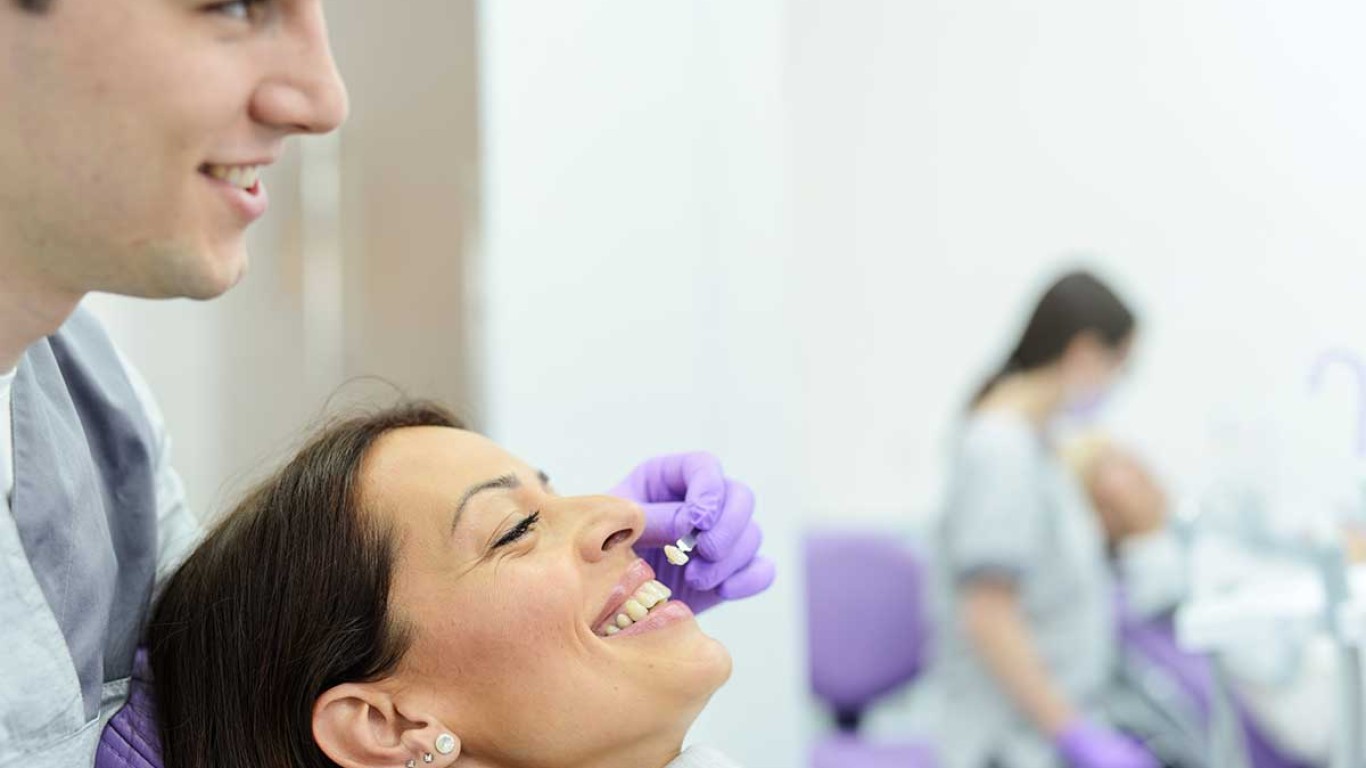
Digital previews allow individuals to see the expected outcome. AI tools create lifelike simulations showing tooth shape, brightness, and spacing. These previews help set clear expectations. They also allow refinement before any treatment begins. Because this process improves communication, it strengthens planning.
How AI Helps Select Tooth Shape and Proportion
AI compares tooth shapes with facial proportions. It recommends options that suit jawline structure and lip dynamics. Additionally, it adjusts width, length, and brightness. These refinements create natural alignment. Specialists use these suggestions to guide the final plan.
AI and Shade Matching Accuracy
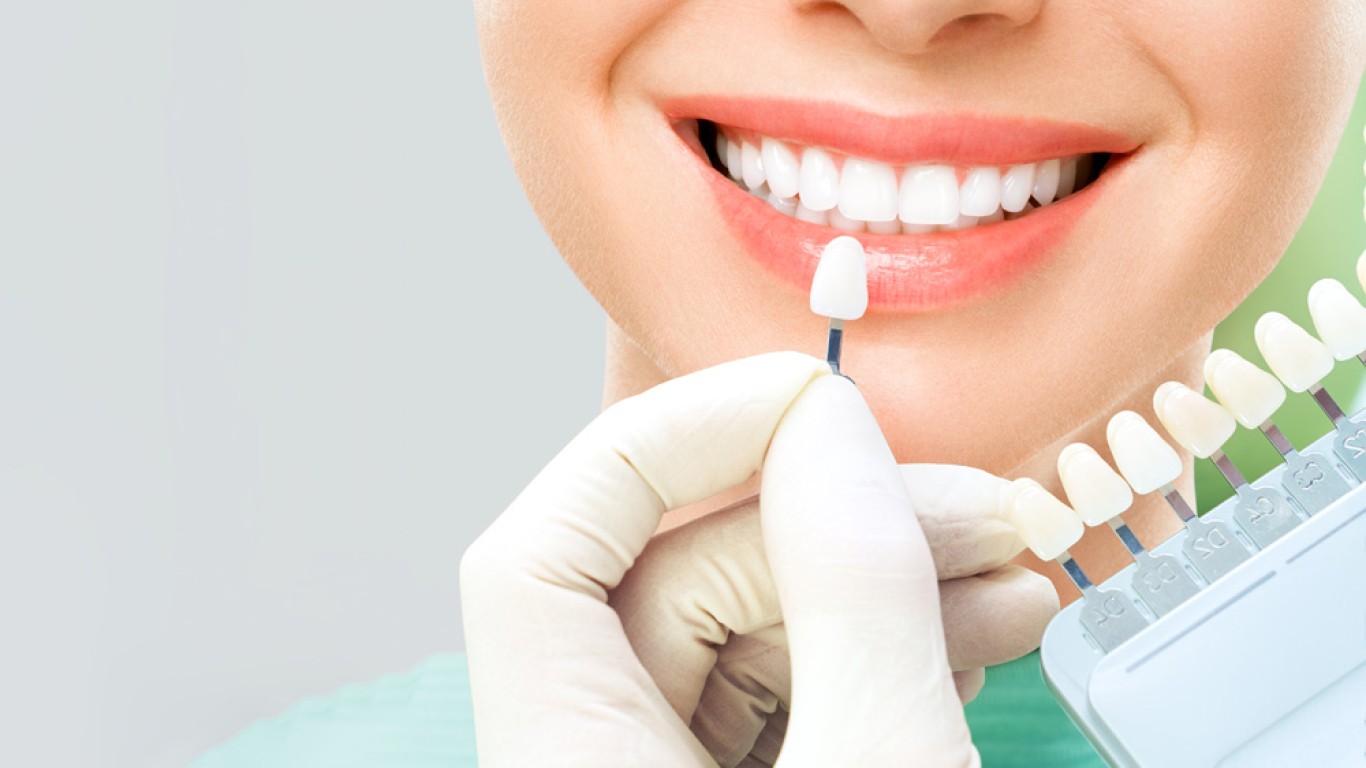
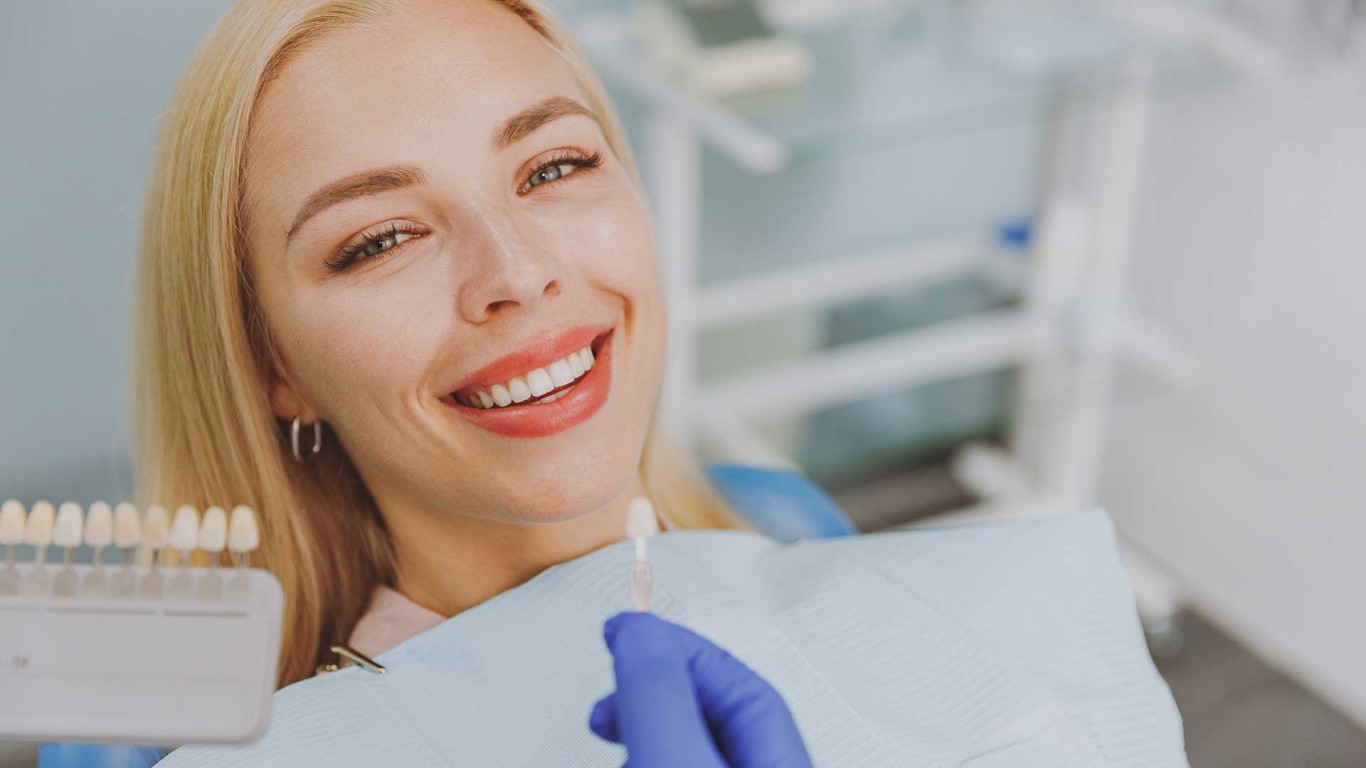
Shade selection plays a key role in smile design. AI tools measure subtle colour variations. They also compare enamel translucency to help match natural brightness. This ensures that each restoration blends seamlessly. Because AI eliminates guesswork, results become more predictable.
How AI Supports Veneer and Crown Planning
AI planning assists with detailed veneer and crown design. It measures thickness and edge placement. It also coordinates alignment along the entire arch. Therefore the final result supports both structure and appearance. These digital insights help create restorations with smooth contours.
Bite Analysis Through AI Technology
AI tools analyse bite movement using dynamic scans. They examine how upper and lower teeth interact. They also highlight pressure points. These insights help specialists adjust the smile design to support comfort and durability. Bite balance remains essential for long-term performance.
How AI Helps Design Full Arch Treatments
For full arch designs, AI maps gum contour, bone structure, and jaw movement. It simulates the full arch layout and checks symmetry across both sides. Additionally, it helps predict how the smile will look in speech and rest. These tools help achieve natural and balanced results.
Why Turkey Leads in Smile Design Technology
Turkey has become known for advanced digital dentistry. Many clinics use state-of-the-art scanners, AI planning tools, and digital workflow systems. Additionally, treatment pathways are efficient and structured. These elements support smooth smile design processes. Many individuals choose Turkey because of streamlined planning and high-tech integration.
Benefits of AI-Driven Smile Design
AI helps create predictable results. It supports accuracy, symmetry, and personalised planning. It also improves communication between individuals and specialists. Because previews show the expected outcome, decisions feel clearer. AI also enhances treatment efficiency, helping specialists complete planning more quickly.
Suitability for AI-Based Smile Design
Smile design suits individuals seeking cosmetic improvement. It also suits those wanting veneers, crowns, bonding, or full arch upgrades. Because AI evaluates structure and movement, it supports safe planning across many treatments. Specialists confirm suitability through digital scans and facial analysis.
Daily Habits That Influence Smile Design Outcomes
Daily habits, such as brushing and hydration, support long-term maintenance. Balanced routines also help preserve surface brightness. Although smile design focuses on planning, lifestyle plays a role in maintaining final results.
Future Developments in AI Smile Planning
Future systems may include deeper predictive modelling. They may simulate ageing patterns and lifestyle changes. AI may also refine edge contour and micro-texture. These advancements will support even more precise smile design outcomes.
Conclusion
Smile design supported by AI technology offers precise, personalised, and predictable cosmetic planning. Digital scanning, facial analysis, and modelling tools help specialists create balanced smiles that suit individual features. As AI continues to evolve, smile design becomes more accurate and efficient.
For more information and to book a consultation visit the ACIBADEM Beauty Center.
Frequently Asked Questions
It is a digital system that plans cosmetic dental refinement.
It analyses symmetry, alignment, and facial proportions.
Yes, AI creates detailed digital simulations.
Yes, it supports veneer shape and alignment.
Yes, AI maps jaw structure and bite alignment.