Ataşehir Mah. Feza Sk. No:3 İstanbul / Türkiye
 English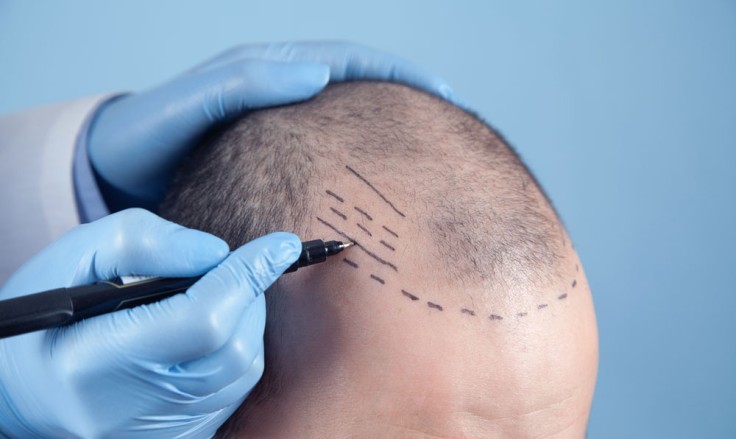
Introduction
Afro hair transplant in Turkey has become an increasingly specialised treatment area. Afro-textured hair presents anatomical considerations requiring specific surgical experience. Afro hair follicles can curve beneath the scalp. Therefore, extraction requires careful technique to protect each follicular unit. Inexperienced extraction may increase the risk of damaging curved follicles. Implantation also requires careful planning to recreate natural growth patterns. This article explains techniques, results and important considerations when choosing a Turkish clinic.
Why Afro Hair Transplant Requires Specialist Technique
Afro hair follicles are often more curved than straight hair follicles. The degree of curvature varies considerably between individuals. Importantly, this curvature is not always predictable from the visible hair shaft. Standard extraction techniques may increase the risk of cutting curved follicles. This type of follicular damage is known as transection. Higher transection rates can reduce the number of viable grafts available. Consequently, achievable coverage and density may also be affected. Experienced practitioners adjust extraction techniques according to individual follicle characteristics. Punch selection may also vary according to follicular anatomy. Extraction angles require careful adjustment throughout the procedure. Therefore, specific experience with Afro-textured hair remains particularly important.
Techniques Used in Afro Hair Transplant in Turkey
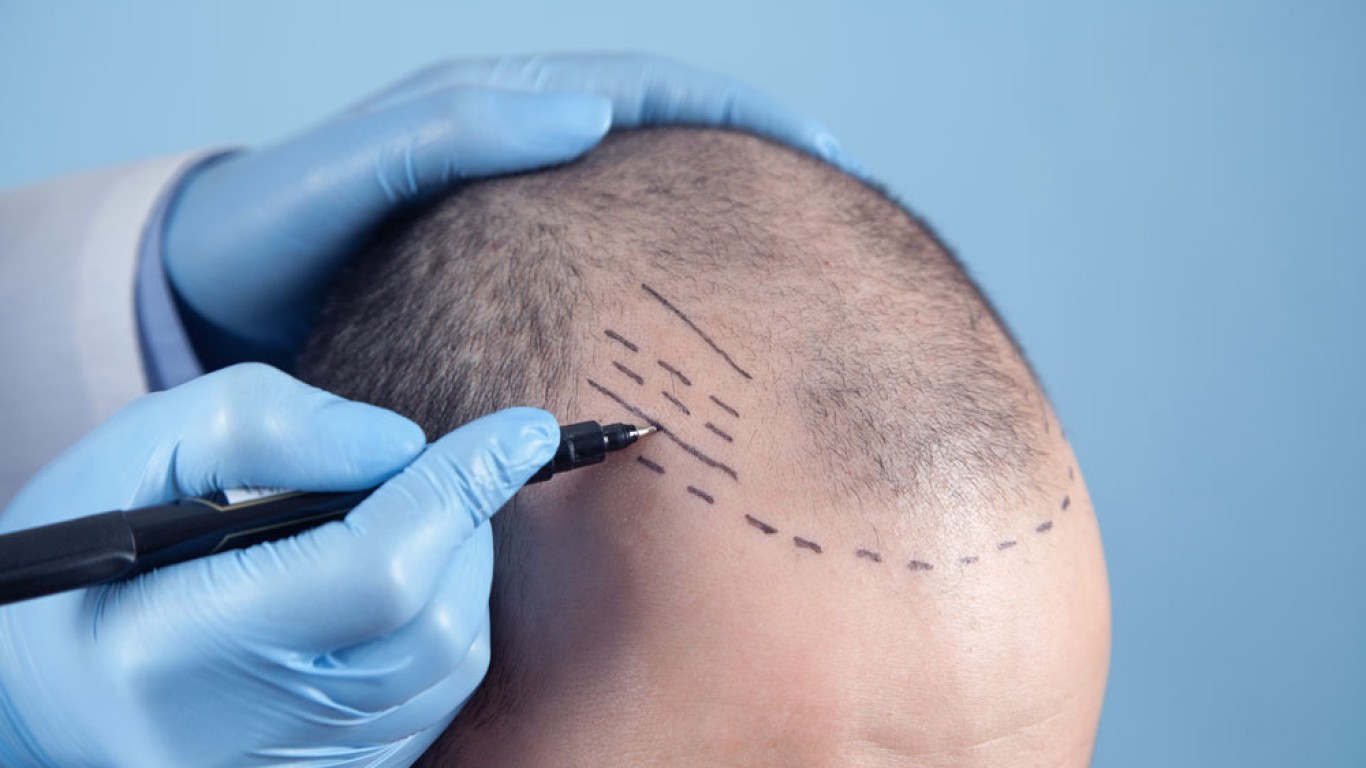
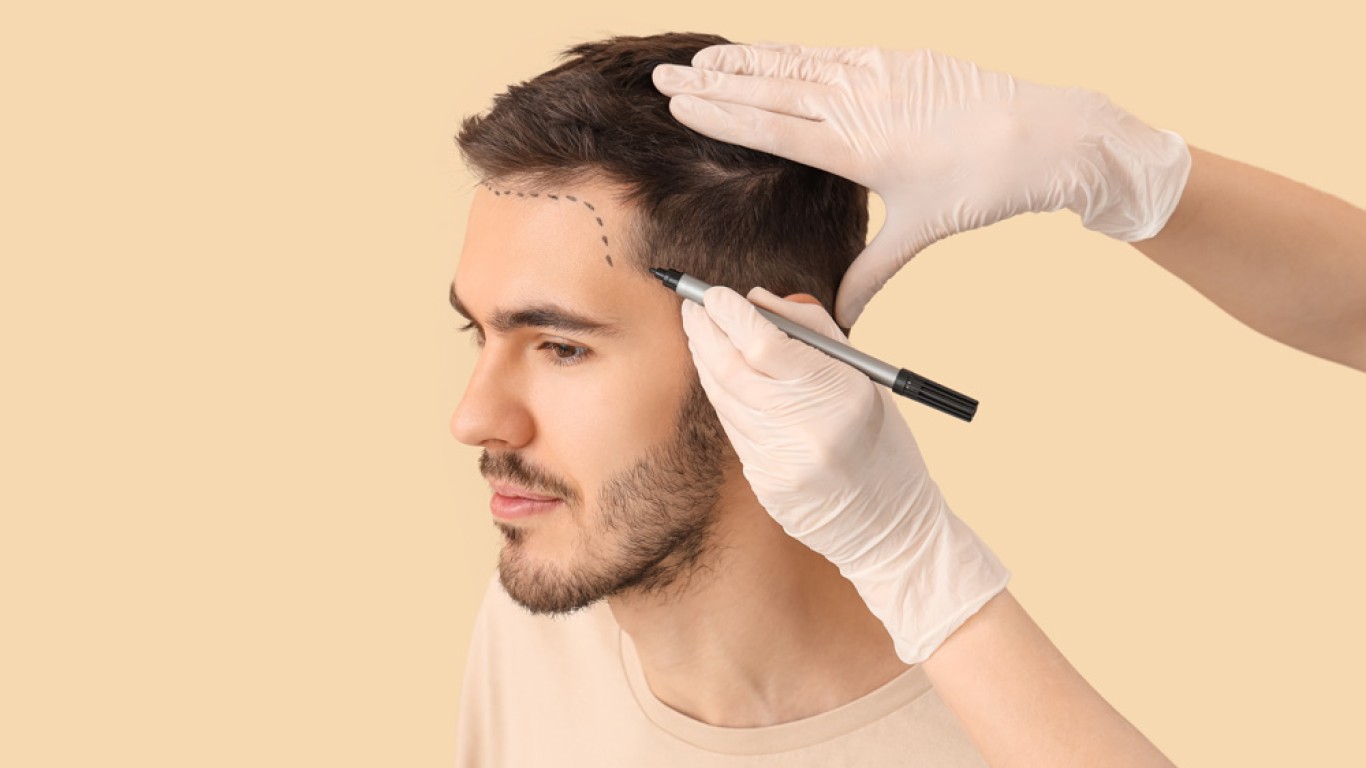
FUE can be used for Afro hair transplant in Turkey at experienced Istanbul clinics. However, the technique must accommodate curved follicular anatomy. Practitioners may select specialised punches according to individual follicle characteristics. Extraction direction is adjusted according to observed hair growth and follicular behaviour. Careful extraction helps minimise unnecessary damage to viable grafts. Implantation also requires specific consideration for Afro-textured hair. Each follicle must be positioned according to the planned growth direction. Natural hairline design is equally important for an authentic appearance. Curl patterns can provide strong visual coverage when grafts grow successfully. However, results depend on donor availability and careful surgical planning. Experienced teams should personalise both extraction and implantation techniques.
FUT for Afro Hair Transplant
Follicular unit transplantation, or FUT, provides an alternative to FUE. FUT removes a narrow strip of tissue from the donor scalp. Follicular units are then carefully dissected under magnification. This approach can help practitioners visualise curved follicles during graft preparation. FUT may provide useful graft numbers for some Afro hair patients. However, the technique creates a linear scar within the donor area. Surrounding hair can often conceal this scar when sufficient length remains. FUE avoids a single linear donor scar. However, it creates numerous small extraction sites throughout the donor area. Neither technique is automatically better for every patient. Donor density, hairstyle preferences and required graft numbers influence technique selection. Consultation helps determine which method best suits individual circumstances.
Results From Afro Hair Transplant in Turkey
Afro hair transplant in Turkey can produce natural-looking results when performed appropriately. However, outcomes vary according to anatomy, graft survival and surgical technique. Transplanted hairs commonly shed during the early weeks following surgery. This temporary shedding forms part of the normal transplant process. New growth generally begins during the following months. Early growth can initially appear thin or uneven. Density then gradually develops as additional transplanted follicles enter their growth phase. Significant improvement may become visible around six months. However, final maturation usually requires considerably more time. Results can continue developing for twelve months or longer. Curl patterns become clearer as transplanted hairs gain sufficient length. Final density depends on graft numbers, survival and the treatment area's size.
Afro Hair Transplant in Turkey: Choosing the Right Clinic
Choosing an appropriate clinic requires careful research and comparison. Not every Istanbul hair transplant clinic has extensive Afro hair experience. Curved follicular anatomy requires appropriate extraction skills and careful surgical planning. Patients should ask how frequently the clinic treats Afro-textured hair. They should also request relevant before-and-after photographs from previous patients. Examples should ideally show patients with similar hair characteristics and hair loss patterns. Patients can ask how the clinic manages follicular transection during extraction. They should also discuss which extraction tools may be appropriate. However, one specific punch type is not suitable for every patient. Surgeon involvement throughout treatment should also be clarified. Professional credentials and facility standards require independent verification. Detailed answers can help patients assess the clinic's relevant experience.
Cost and Inclusions
Afro hair transplant in Turkey prices in Turkey can be lower than UK private treatment. However, prices vary according to graft numbers, technique and clinic. International packages may combine several services within one quoted price. These can include consultation, treatment, medication and initial aftercare. Some packages also include accommodation and local transfers. However, inclusions vary considerably between providers. Patients should request a detailed written quotation before booking. They should also confirm whether pricing depends on graft numbers. Price alone should never determine clinic selection. Relevant surgical experience remains particularly important for Afro-textured hair. Patients should also understand how complications and additional treatment costs are managed.
Conclusion
Afro hair transplant in Turkey requires experience with Afro-textured follicular anatomy. Curved follicles can make extraction more technically demanding. Therefore, careful technique helps protect viable grafts during treatment. FUE and FUT can both provide suitable options for selected patients. Technique selection depends on anatomy, donor characteristics and individual preferences. Results develop gradually over many months. Final growth may require twelve months or longer to mature. Turkey offers numerous clinics providing hair transplantation for international patients. Treatment prices can also be lower than comparable UK private costs. However, relevant Afro hair experience should remain a major selection factor. Patients should verify practitioner credentials, previous results and aftercare arrangements. Careful planning also helps establish realistic expectations about density, growth and long-term maintenance. Future hair loss should also be considered when designing the treatment plan. Professional consultation determines the most appropriate technique for each individual patient.
For more information about afro hair transplant in Turkey and to book a consultation visit the ACIBADEM Beauty Center Hair Transplant page.
Frequently Asked Questions
Both techniques can produce excellent results when performed by a surgeon experienced with afro hair. FUE avoids a linear scar. FUT can produce more viable grafts per session. The curved follicle is visible under microscope during dissection.
The number depends on donor density, the extent of the coverage area and the technique used. Most afro hair transplant sessions involve two thousand to four thousand grafts. A surgeon assesses this during pre-operative consultation.
A high transection rate means many follicles are cut during extraction and cannot grow. Surgeons experienced in afro hair transplant achieve transection rates below ten percent. This directly affects the density of the final result.
Transplanted hairs shed in the first six to eight weeks. New growth begins from three to four months. Significant improvement is visible at six months. Full density is achieved at twelve to eighteen months.
All-inclusive packages typically cost £2,000 to £5,000 for two thousand to four thousand grafts. UK pricing for equivalent treatment ranges from £5,000 to £12,000.