Ataşehir Mah. Feza Sk. No:3 İstanbul / Türkiye
 English
  German
  Spanish
Introduction
Asian blepharoplasty is one of the most commonly performed cosmetic procedures among patients of East Asian heritage. The surgery creates a supratarsal crease in the upper eyelid. This crease is commonly called a double eyelid. Approximately fifty percent of East Asian individuals are born without a visible upper eyelid crease. The single eyelid, or monolid, is a normal anatomical variant. Blepharoplasty creates a defined fold for patients who desire one. Understanding how the procedure works helps patients make an informed decision. This article explains Asian blepharoplasty techniques, results and cultural considerations.
What Is Asian Blepharoplasty?
Asian blepharoplasty creates an upper eyelid crease where one does not naturally exist. The supratarsal crease is the fold that forms when the eyelid opens. In a double eyelid, the skin above the fold creates a visible shelf. In a monolid, no fold is present. The lid appears smooth and full from lash line to brow. Blepharoplasty forms a crease by creating an attachment between the skin and the underlying levator muscle or tarsus. This attachment causes the skin to fold inward when the eye opens. The crease appears. Blepharoplasty is distinct from Western blepharoplasty. Western eyelid surgery typically removes excess skin and fat from an ageing eyelid. Blepharoplasty creates a structural feature that was not previously present.
Why Patients Choose Asian Blepharoplasty
Motivations are varied and personal. Some patients feel the double eyelid makes the eyes appear larger and more open. Asian blepharoplasty creates a defined lid platform. Eye makeup application becomes easier. Eyeshadow is visible when the eyes are open. These practical benefits motivate some patients. Others pursue Blepharoplasty for aesthetic preference. The double eyelid is perceived as more defined. Some patients feel it creates better facial balance. Blepharoplasty is a personal choice. It should not be framed as correcting a deficiency. The monolid is a normal, healthy anatomical variation. It is not a defect. Patients should pursue Blepharoplasty because they want the change for themselves. Cultural pressure should not drive the decision. An experienced surgeon discusses motivations openly during consultation. Ensuring the patient's decision is personally motivated rather than externally pressured supports the highest satisfaction.
Asian Blepharoplasty Techniques
Two main techniques exist. The incisional method creates the most permanent and defined crease. Blepharoplasty using the incisional approach involves a full-length incision along the planned crease line. The surgeon removes a small strip of skin and underlying orbicularis muscle. Excess fat may be reduced. Skin is attached to the levator aponeurosis or tarsus. The wound is closed. The scar sits within the crease itself. Blepharoplasty healing produces a scar that is concealed by the fold when the eye is open. The non-incisional or suture method is less invasive.
Asian blepharoplasty using sutures creates the crease through buried stitches. Small puncture points replace the full incision. The sutures attach the skin to the deeper structures. The crease forms without tissue removal. Blepharoplasty suture technique suits patients with thin eyelid skin and minimal fat. The recovery is faster. However, the crease may be less durable. Some suture creases weaken or disappear over time. The incisional method produces the most reliable, lasting result.
Asian Blepharoplasty: Crease Height and Style
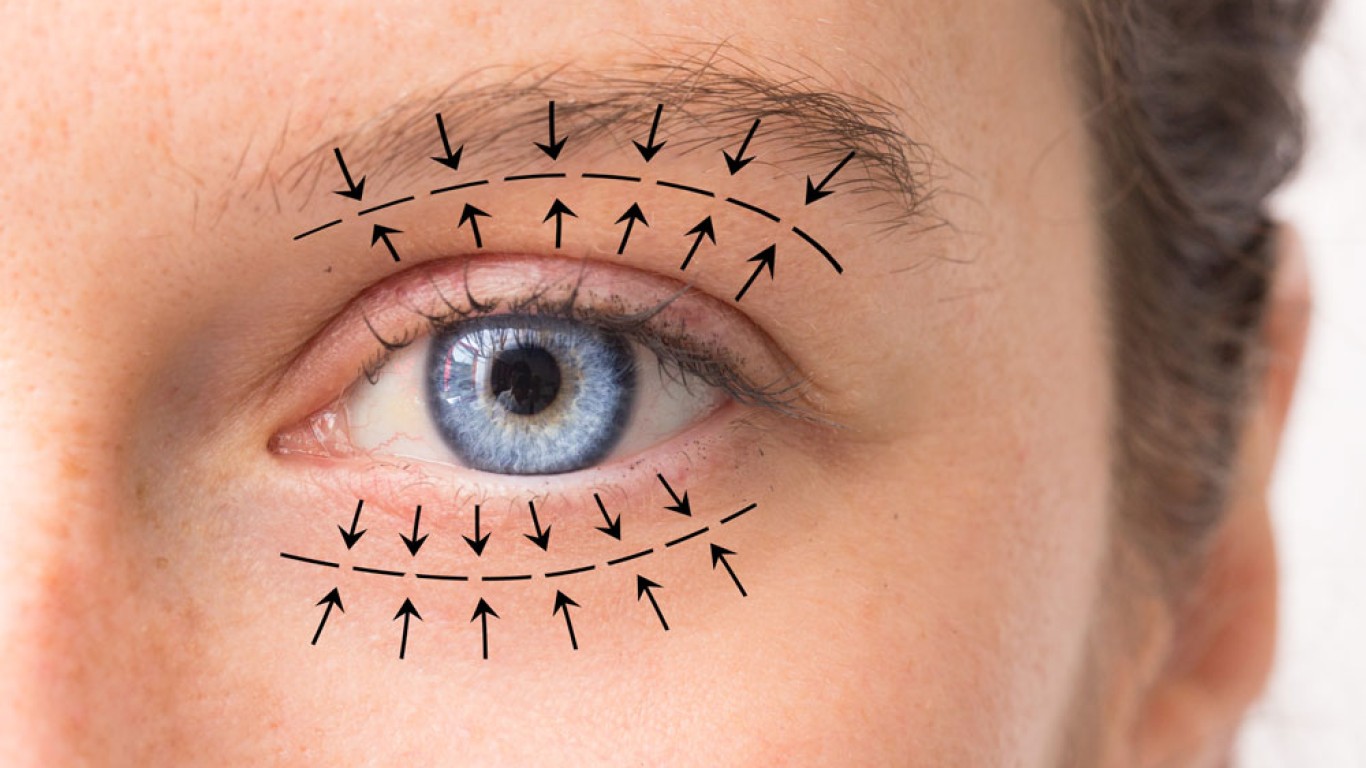
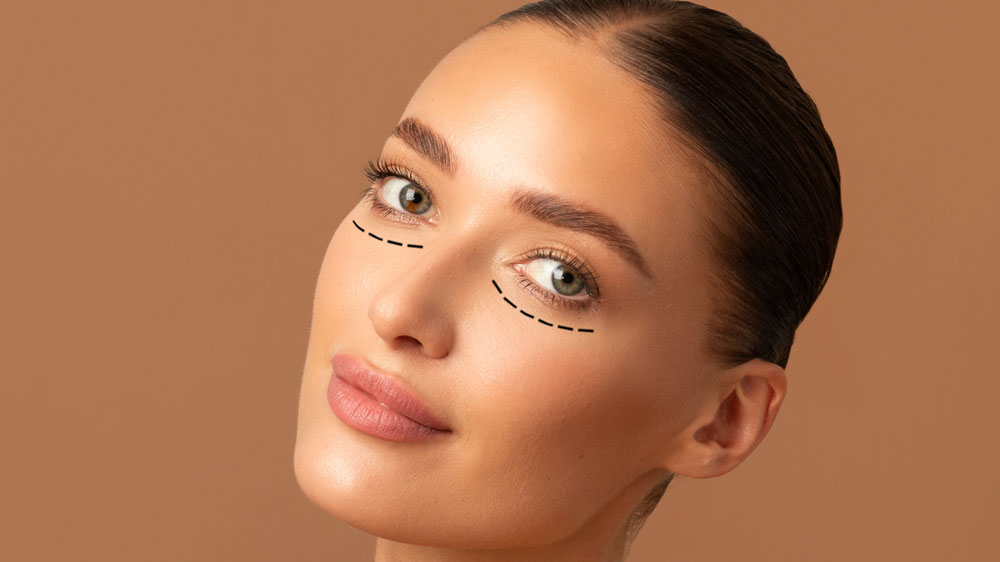
Crease design is a critical planning element. Blepharoplasty crease height determines how much lid platform is visible. A lower crease sits six to seven millimetres above the lash line. It produces a subtle, natural result. A higher crease sits eight to ten millimetres. It creates a more open, defined appearance. Blepharoplasty crease style also varies. A parallel crease runs at a consistent distance from the lash line across the entire lid. A tapered crease is narrower near the inner corner and wider toward the outer corner.
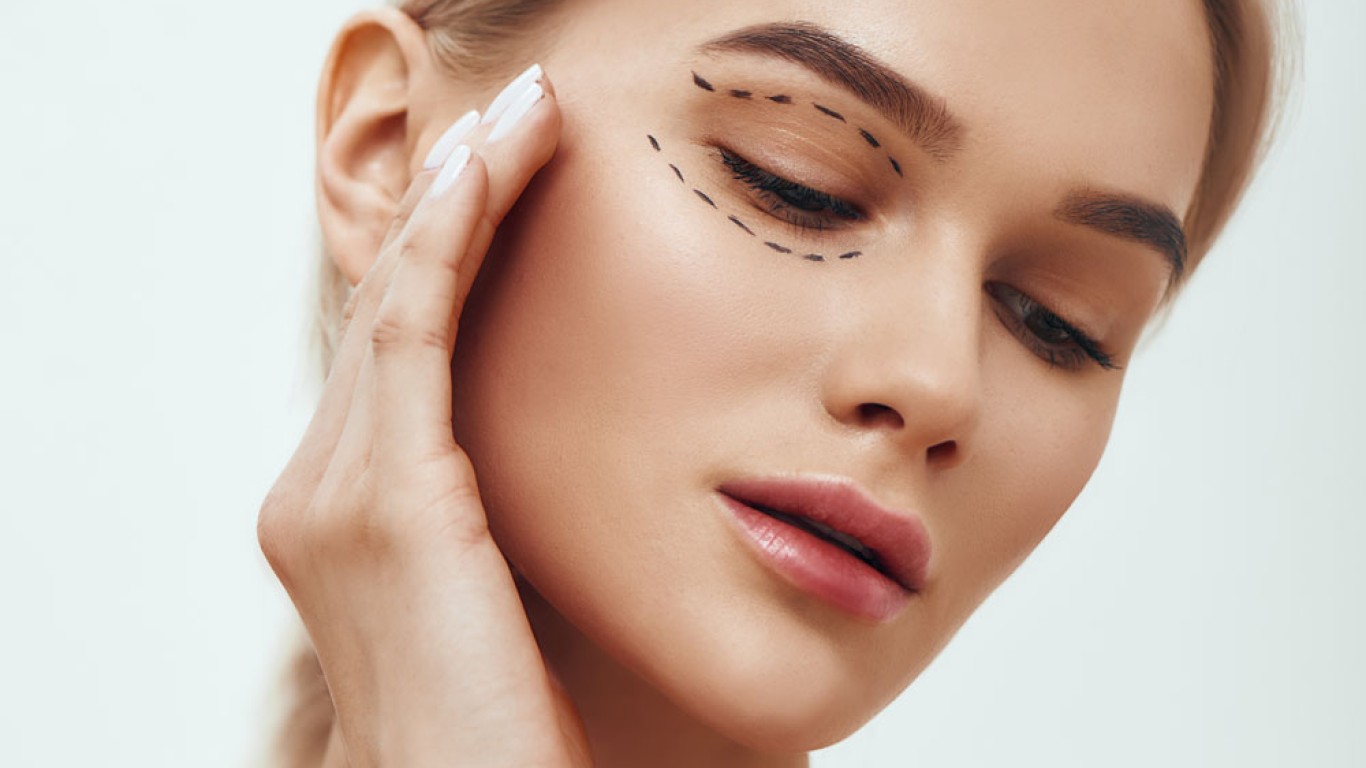
Asian blepharoplasty using the tapered style produces the most natural result for many East Asian patients. It follows the anatomical contour of the eyelid more closely. The parallel style produces a more dramatic Western-style fold. Blepharoplasty crease design should be discussed thoroughly during consultation. The surgeon marks the planned crease on the eyelid before surgery. The patient approves the position and style. This collaborative planning step is essential for achieving the desired result.
Asian Blepharoplasty: The Procedure
The incisional procedure takes approximately one to one and a half hours. Asian blepharoplasty is performed under local anaesthesia with optional sedation. The planned crease line is marked precisely. The incision follows this marking. A small strip of skin is removed. The orbicularis muscle beneath is exposed. A thin strip of muscle may be removed. Excess orbital fat is reduced if needed. Blepharoplasty creates the crease attachment by placing sutures between the dermis and the levator aponeurosis. The wound is closed with fine sutures. Both eyes are treated during the same session. Blepharoplasty produces immediate visible change. The eyelids are swollen but the crease is apparent from day one. The patient goes home the same day. Cold compresses help manage swelling.
Asian Blepharoplasty Recovery
Recovery is straightforward. Asian blepharoplasty produces swelling and bruising around the eyes for one to two weeks. The swelling is most significant during the first three to five days. Cold compresses and head elevation reduce this. Sutures are removed at five to seven days. Blepharoplasty patients feel socially presentable within seven to fourteen days. The crease appears high and prominent during early healing. This is due to swelling. Blepharoplasty crease height settles over the following weeks. The final position is lower than the immediate post-operative appearance. Most patients find the crease has settled to its intended height by month two to three. Blepharoplasty full healing takes six to twelve months. The scar within the crease matures. Redness fades. The crease softens and looks increasingly natural. The final result is a defined, natural-looking fold that integrates harmoniously with the eyelid anatomy.
Results and Longevity
Results are permanent with the incisional technique. Asian blepharoplasty creates a structural attachment that persists indefinitely. The crease remains through natural ageing. The incisional technique produces the most durable result. Suture technique creases may weaken in some patients. Blepharoplasty results look natural when the crease height and style are well planned. The eyes appear more open and defined. The lid platform is visible for makeup application. Blepharoplasty should produce a result that looks like a natural double eyelid rather than an obviously surgical one. Subtlety produces the highest satisfaction. Over-aggressive crease height or excessive tissue removal creates an unnatural appearance. Conservative technique by an experienced surgeon produces the most harmonious result.
Conclusion
Asian blepharoplasty creates a supratarsal crease in the upper eyelid. The procedure uses incisional or suture techniques. Incisional produces the most permanent result. Crease height and style are planned collaboratively during consultation. Recovery takes seven to fourteen days for social comfort. Results are permanent with the incisional approach. Blepharoplasty should enhance features within the patient's own ethnic context. Cultural sensitivity and specific anatomical expertise are essential. Professional consultation ensures personalised planning. Turkey offers blepharoplasty at competitive pricing with experienced surgeons.
For more information about blepharoplasty and to book a consultation visit the ACIBADEM Beauty Center Aesthetics page.
Frequently Asked Questions
Surgery that creates an upper eyelid crease where one does not naturally exist.
Yes with the incisional technique. Suture method creases may weaken over time.
When performed by an experienced surgeon with appropriate crease design for Asian anatomy, yes.
Seven to fourteen days for social comfort. Final result at six to twelve months.
Asian blepharoplasty typically costs £1,500 - £2,000 all-inclusive in Turkey.