Ataşehir Mah. Feza Sk. No:3 İstanbul / Türkiye
 French
  English
  German
  Spanish
Introduction
Breast augmentation is one of the most commonly performed aesthetic procedures worldwide. While many patients focus on implant size and shape during planning, scarring is another important consideration. Boob job scars are a natural part of the surgical process. Every incision creates a scar as the body heals. However, modern surgical techniques aim to minimise visible scarring as much as possible. Scar placement, incision length and aftercare all influence the final appearance. Most patients find that boob job scars fade significantly over the months following surgery. Understanding the healing timeline helps patients set realistic expectations about their results.
Why Boob Job Scars Occur
Scarring is the body's natural response to surgical incisions. When the skin is cut during breast augmentation, the body produces collagen to repair the wound. This collagen forms scar tissue at the incision site. Scar tissue develops as part of this healing process. The severity of scarring depends on several factors including genetics, skin type and surgical technique. Some individuals are more prone to raised or visible scarring than others. Understanding why scars form helps patients appreciate that they are a normal and expected part of recovery rather than a complication.
Common Incision Locations for Boob Job Scars
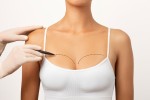
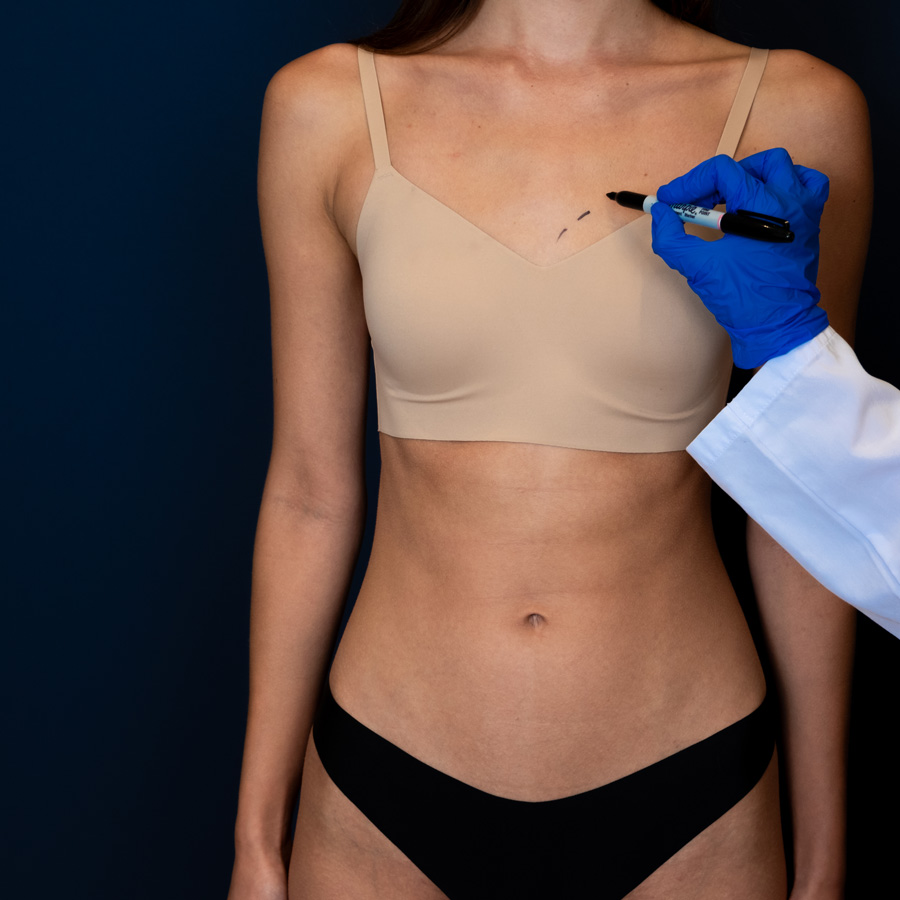
Surgeons use several incision techniques for breast augmentation. Each placement affects where boob job scars appear. Common locations include:
- Inframammary incision beneath the breast fold, which is the most frequently used approach.
- Periareolar incision around the lower edge of the areola, where the scar blends with the natural colour transition.
- Transaxillary incision within the armpit, which avoids scarring on the breast itself.
The choice of incision depends on implant type, body anatomy and surgeon recommendation. Each approach is designed to place the scar in a discreet location that becomes less visible as healing progresses over time.
How Boob Job Scars Heal in the First Weeks
The early healing phase begins immediately after surgery. During the first two weeks, incisions are typically closed with sutures or surgical tape. Boob job scars may appear red, slightly raised and firm during this initial period. Mild swelling around the incision area is common and expected as part of the natural healing response. Surgeons provide specific wound care instructions to support clean and effective healing. Keeping the area dry and protected reduces the risk of irritation or infection. Most patients notice that lines begin to settle within the first month as inflammation decreases. Following professional aftercare guidance during this phase supports the best possible scar outcome over time.
Emotional Response to Boob Job Scars
It’s normal to feel concerned about scarring in the weeks following breast augmentation surgery. Boob job scars may look more prominent during the early stages of healing before they begin to fade. This can cause anxiety for patients who expected immediate improvement in scar appearance. Understanding the typical healing timeline helps manage emotional responses and set appropriate expectations. Most patients feel significantly more positive about their scars once the maturation phase begins. Surgeon reassurance and structured follow-up appointments provide support during this transitional period. Knowing that scars continue to improve for twelve months or longer provides valuable perspective throughout the recovery process.
Boob Job Scars: One to Three Months After Surgery
Between one and three months after surgery, boob job scars typically enter the maturation phase. The scar tissue may still appear pink or slightly raised during this period. Collagen remodelling continues beneath the surface as the body refines the repair. Some patients notice mild itching around the scar, which is a normal part of healing. The scar gradually becomes flatter and softer as the tissue matures. Avoiding sun exposure on the scar during this stage helps prevent darkening or pigmentation changes. Patience is important because visible improvement continues steadily over several months.
Boob Job Scars: Six to Twelve Months After Surgery
Significant fading usually occurs between six and twelve months after surgery. Boob job scars typically become paler, thinner and less noticeable during this period. The collagen within the scar tissue continues to remodel and settle. Many patients find that their scars blend more naturally with surrounding skin as time progresses. The final appearance depends on individual healing response, skin type and scar care habits. By twelve months, most boob job scars have reached their mature state. Some patients continue to see minor improvements beyond the one-year mark as the tissue continues to soften gradually.
Factors That Influence How Boob Job Scars Fade
Several factors affect how scars heal and fade after breast augmentation. Genetics play a significant role in determining scar quality. Some individuals naturally produce less visible scars. Skin type and colour also influence how prominent a scar appears over time. Scars on lighter skin may appear pink initially before fading to white. Darker skin tones may be more prone to hyperpigmentation or keloid formation. Age affects healing speed because younger skin contains more collagen. Surgeon technique and incision precision also influence the final scar quality significantly.
Scar Care Techniques After Surgery
Proper scar care supports smoother healing and better long-term appearance. Surgeons often recommend silicone-based scar sheets or gels after the incision has closed. Silicone helps hydrate the scar tissue and supports flatter healing. Gentle massage may be advised once the wound has fully closed to help soften the tissue. Sun protection is essential because ultraviolet exposure can darken healing scars permanently. Wearing high-factor sunscreen over the scar area helps prevent pigmentation. Healing scars respond well to consistent aftercare routines. Following professional guidance closely supports the best possible fading outcome.
When Boob Job Scars Become Barely Visible
For most patients, boob job scars become barely noticeable within twelve to eighteen months. The scar typically appears as a fine, pale line that blends with surrounding skin. Strategic incision placement means the scar is often hidden within natural body creases. Inframammary scars sit beneath the breast fold where they are concealed. Periareolar scars blend with the areola border naturally. Many patients report that their scars are only visible upon close inspection. The combination of skilled surgical technique and consistent aftercare produces the most discreet results.
Skin Type and Scar Behaviour
Skin type influences scar behaviour and final appearance. Patients with fair skin often experience initial redness that fades to a pale white line. Those with olive or darker skin tones may notice temporary darkening around the incision site during healing. Scars in darker skin types occasionally develop hyperpigmentation or keloid tissue. Surgeons assess skin type during consultation to advise on likely scar outcomes. Preventative scar treatments may be recommended for patients prone to raised scarring. Personalised scar management plans help address individual skin characteristics effectively.
The Role of Surgical Technique in Scar Quality
The precision of the surgical technique directly affects scar quality. Experienced surgeons use careful incision methods that minimise tissue trauma during the procedure. Clean, precise cuts heal more predictably than uneven ones. Suturing technique also plays an important role in how boob job scars develop over time. Layered closure supports the skin edges during healing and reduces tension on the scar surface. Minimal tension across the wound promotes flatter and finer scar formation. Surgeons with extensive breast augmentation experience typically produce more refined and discreet scarring outcomes.
Revision Options for Persistent Scars
In some cases, scars may not fade as expected despite good aftercare practices. Persistent scarring can be addressed through additional treatments if needed. Laser therapy can improve scar texture and reduce discoloration effectively. Steroid injections may help flatten raised or hypertrophic scars. Silicone treatments can continue to improve appearance over extended periods. Surgical scar revision may be considered in rare cases where significant scarring persists. These options provide reassurance that further improvement is available. Consultation with a specialist helps determine the most appropriate approach.
Conclusion
Boob job scars are a natural part of breast augmentation recovery that most patients can expect. Modern surgical techniques and strategic incision placement work together to minimise their visibility over time. Most scars fade significantly within twelve months of the procedure. Consistent scar care, sun protection and patience support the best possible results during the healing process. Factors including genetics and skin type influence individual outcomes and scar behaviour. With proper aftercare and realistic expectations, boob job scars typically become barely noticeable. Skilled surgery and dedicated aftercare produce the most refined scarring outcomes.
To find out more about scarring following a boob job, visit the ACIBADEM Beauty Center Breast Augmentation page.
Frequently Asked Questions
They fade significantly but a fine line may remain.
Common locations include beneath the breast fold or around the areola.
Most scars fade substantially within twelve months.
Yes, silicone products and sun protection support better fading.
Yes, genetics and skin tone influence how scars develop and fade.