Ataşehir Mah. Feza Sk. No:3 İstanbul / Türkiye
 French
  English
  German
  Spanish
Introduction
Boob job scars are one of the most common concerns for patients considering breast augmentation. Every surgical procedure creates some degree of scarring. However, the visibility and location of boob job scars vary significantly depending on the incision type used. Modern surgical techniques minimise scarring effectively. Understanding how boob job scars differ between incision approaches helps patients discuss options with their surgeon. This article explains the main incision types, how breast augmentation scars heal at each location and what patients can do to support the best possible cosmetic outcome from their breast augmentation procedure. It also helps patients set realistic expectations about scar appearance and understand how proper care influences long-term results.
Understanding Boob Job Scars
Boob job scars form as part of the body’s natural healing process. When the surgeon makes an incision, the body produces collagen to repair the tissue. This repair tissue creates a scar. All breast augmentation scars go through predictable healing stages. Initially they appear red or pink and slightly raised. Over several months they gradually fade and flatten. Most boob job scars reach their final appearance between twelve and eighteen months after surgery. Individual healing varies based on genetics, skin type and aftercare. Understanding this timeline helps patients appreciate that early scar appearance does not represent the final result.
Inframammary Incision and Boob Job Scars
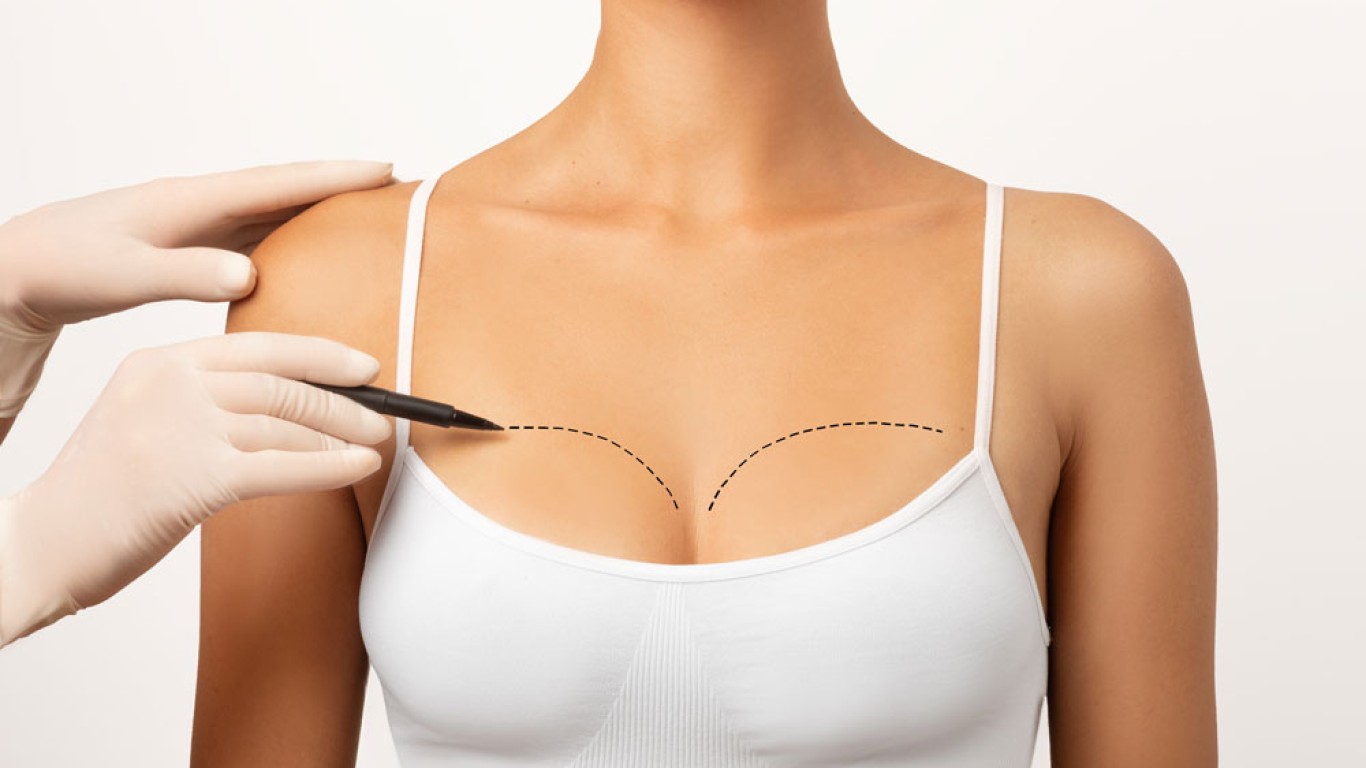
The inframammary incision is the most commonly used approach for breast augmentation. The incision is placed in the natural fold beneath the breast. This location allows excellent surgical access for implant placement. Boob job scars from the inframammary approach typically measure four to five centimetres. The scar sits in the breast crease where it is naturally concealed by the breast itself. The scar is hidden when standing, lying down and in most clothing. It may be visible when the arms are raised in swimwear. The inframammary approach produces predictable and well-hidden boob job scars. Most patients find these scars very acceptable once fully healed.
Periareolar Incision and Boob Job Scars
The periareolar incision is placed along the lower edge of the areola. The incision follows the natural border between the darker areola skin and the lighter breast skin. This colour boundary helps camouflage the scar. Boob job scars from the periareolar approach are typically well concealed. The scar follows a natural colour transition line. It tends to heal discreetly in most patients. However, the periareolar approach can sometimes cause changes in nipple sensation. The incision is also smaller, limiting the size of implant that can be placed through it. Boob job scars from this approach suit patients with darker areolas where the colour contrast helps conceal the scar effectively.
Transaxillary Incision and Boob Job Scars
The transaxillary incision is placed in the armpit. The surgeon accesses the breast pocket through this remote incision. Boob job scars from the transaxillary approach are located entirely away from the breast. The scar sits in a natural armpit crease. It is hidden by the arm in most positions. The approach eliminates any visible scarring on the breast itself. Boob job scars in the armpit typically fade very well over time. The incision is typically two to three centimetres. The approach works well with saline and some silicone implants. Endoscopic assistance may be used for precise placement. This approach appeals to patients who want their breasts completely free of scars.
Transumbilical Incision
The transumbilical approach uses an incision inside or near the navel. The implant is placed through a tunnel from the navel to the breast. This approach is less common and works primarily with saline implants. No breast augmentation scars appear on the breast or chest area at all. The navel scar is typically very discreet. However, the technique offers less surgical control over implant positioning. It is not suitable for silicone gel implants in most cases. Most surgeons prefer other incision approaches that provide better access and precision. The transumbilical technique may appeal to patients specifically seeking to avoid any breast scarring whatsoever.
How Boob Job Scars Heal Over Time
Boob job scars follow a predictable healing timeline regardless of incision type. During the first few weeks the scar appears red and slightly raised. Between months one and three the scar may become slightly thicker and darker. This is the active healing phase. From months three to six the scar begins to soften and fade. Between six and twelve months significant improvement occurs. Most boob job scars reach their final appearance between twelve and eighteen months. The final scar is typically a thin line that is paler than surrounding skin. Individual healing varies. Some patients scar minimally while others develop wider or more visible scars. Genetic factors significantly influence healing quality.
Minimising Boob Job Scars
Several strategies help minimise boob job scars after surgery. Following all aftercare instructions carefully supports optimal healing. Silicone sheets or gel applied once incisions close help flatten and fade scars. Sun protection prevents darkening of new scars during healing. Avoiding stretching or straining during early recovery reduces tension on incisions. Scar massage from four to six weeks promotes flexibility and flattening. Avoiding smoking supports better blood flow and healing. Good nutrition provides building blocks for tissue repair. Some patients benefit from steroid injections if scars become raised. Laser treatments can improve the colour and texture of mature scars. Consistent care over months produces the best cosmetic outcomes. Wearing supportive garments during recovery can also reduce tension on healing tissue and support more refined scar appearance over time.
When to Be Concerned About Boob Job Scars
Most boob job scars heal well without complications. However, some signs warrant professional attention. Scars that continue to grow thicker or wider beyond three months may be developing into hypertrophic scars. Keloid scars extend beyond the original incision line and require specialist treatment. Signs of infection including increasing redness, warmth or discharge need prompt assessment. Scars that remain painful beyond the initial healing period should be evaluated. Patients with a history of problematic scarring should discuss this with their surgeon before surgery. Early intervention concerning boob job scars produces better outcomes than waiting. The surgeon or a dermatologist can recommend appropriate treatments for scars that do not heal as expected. Regular follow-up appointments help monitor healing progress and allow early support if needed.
Choosing an Incision Type
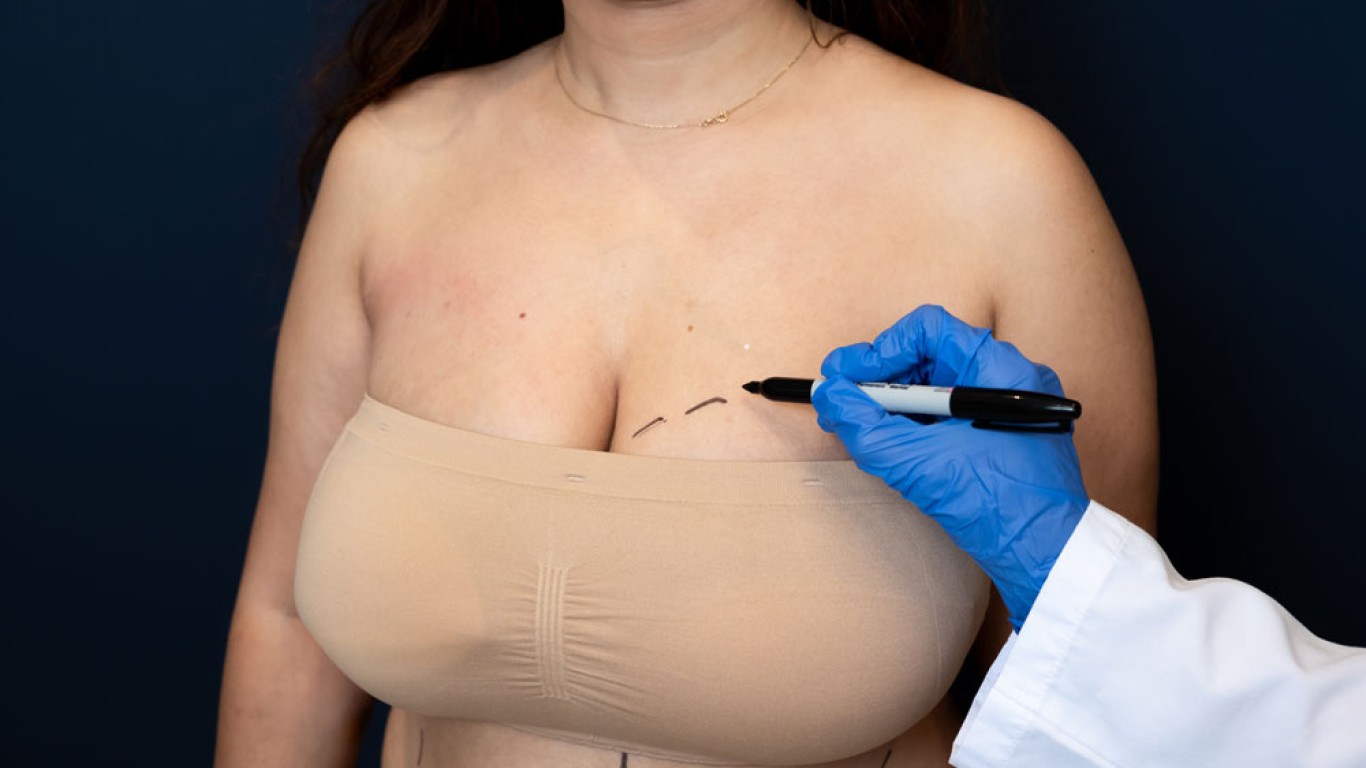
Choosing the incision type affects where boob job scars will appear. Surgeon recommends the best approach based on individual anatomy, implant type and patient preferences. The inframammary approach offers the most versatile access and well-hidden scars. Periareolar approach provides discreet scarring along a natural border. The transaxillary approach eliminates breast scarring entirely. Patient lifestyle matters too. Patients who frequently wear bikinis may prefer the transaxillary approach. Those concerned about nipple sensation may avoid the periareolar incision. Open discussion with the surgeon about boob job scars and incision preferences supports the best decision. The priority is always safe implant placement alongside optimal scar positioning. Considering long-term aesthetic goals helps ensure the chosen incision aligns with lifestyle and expectations.
Conclusion
Boob job scars vary significantly by incision type and location. The inframammary approach produces scars hidden in the breast crease. Periareolar scars follow the areola border for natural camouflage. Transaxillary scars sit in the armpit away from the breast entirely. All boob job scars follow a predictable healing timeline reaching their final appearance at twelve to eighteen months. Silicone products, sun protection and scar massage support the best cosmetic outcomes. Choosing the incision approach is an important part of surgical planning. Professional consultation ensures the most appropriate incision type is selected. Patients who follow aftercare guidance closely often achieve softer, less visible scars over time. Individual healing patterns vary, but most scars fade significantly. Understanding expectations and committing to long-term care helps patients feel confident in both their results and recovery journey.
For more information and to book a consultation visit the ACIBADEM Beauty Center Breast Augmentation page.
Frequently Asked Questions
Location depends on incision type: breast crease, areola border or armpit.
Most boob job scars reach their final appearance at twelve to eighteen months.
The transaxillary approach leaves no scar on the breast itself.
Scars cannot be eliminated but can be significantly improved with proper care.
Silicone products, sun protection and scar massage support optimal healing.