Ataşehir Mah. Feza Sk. No:3 İstanbul / Türkiye
 French
  English
  German
  Spanish
Many patients begin their research with a breast reduction size chart. They want to understand how much volume might be removed. Cup size often feels like the simplest reference point. However, breast surgery is more complex than a chart. A breast reduction chart provides general guidance, not precise outcomes. Every body is structured differently. Proportion, weight and tissue distribution all matter. Understanding what the chart really means prevents unrealistic expectations.
What Is a Breast Reduction Size Chart?
A breast reduction size chart typically compares pre and post operative cup sizes. It may estimate tissue removal in grams. Some charts show visual diagrams of breast proportions. The breast reduction chart acts as a starting reference. It translates abstract surgical changes into familiar sizing language. However, cup sizes are not medically standardised. Different brands measure differently. That variability limits exact prediction.
Why Cup Size Is Not a Precise Measurement
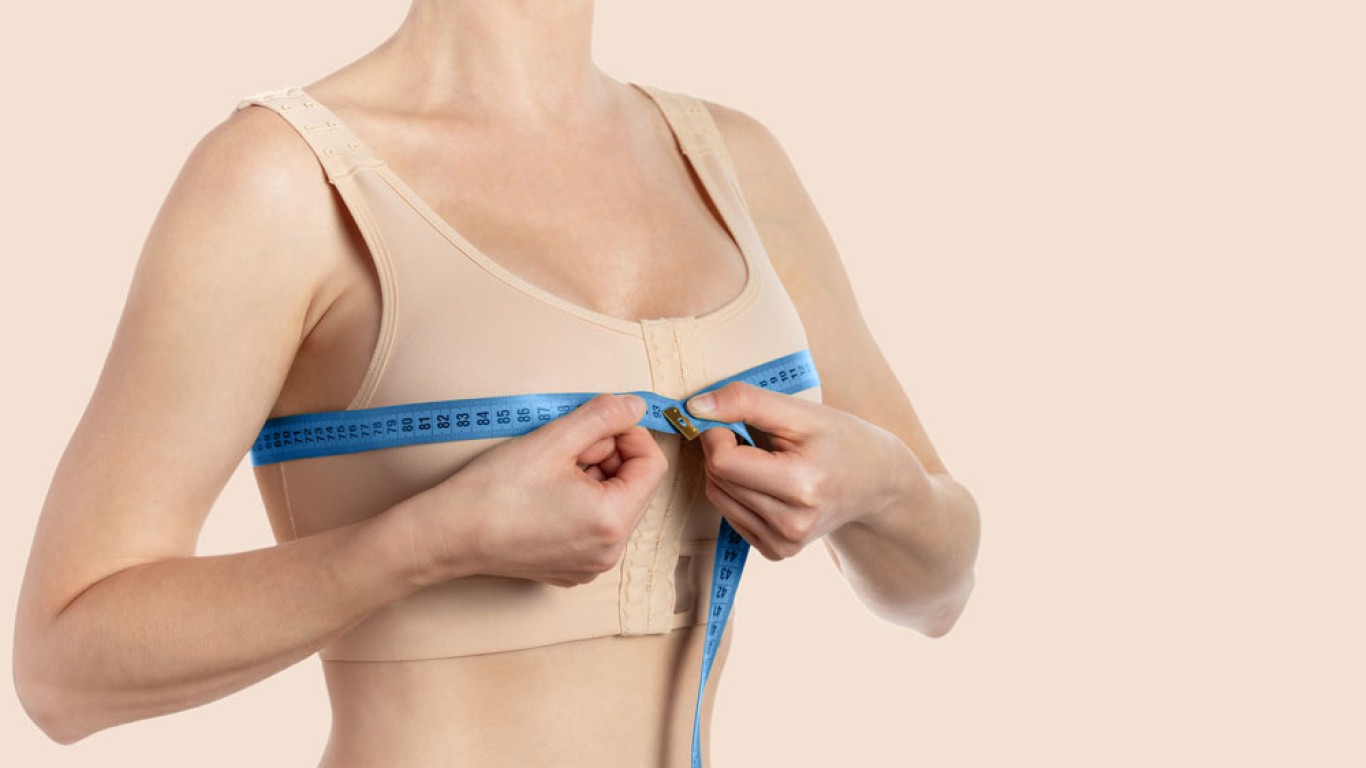
Cup size depends on band measurement as well as projection. A 34D differs from a 38D in volume. Many patients are unaware of this distinction. The breast size chart cannot fully account for torso width. Two women requesting a C cup may require different tissue removal amounts. Surgeons measure breast base width and projection instead. Those anatomical factors guide more accurate planning.
How Surgeons Measure Reduction in Practice
During consultation, measurements go beyond cup size. Surgeons assess nipple position and breast base diameter. Skin elasticity and tissue density are also evaluated. Rather than relying solely on a breast reduction chart, doctors calculate estimated tissue removal. This is usually expressed in grams. That figure provides greater surgical accuracy than cup letters. The aim is proportional reshaping rather than hitting a specific bra label.
Understanding Grams of Tissue Removed
Patients often ask how many cup sizes equal a certain gram reduction. There is no exact conversion. The breast size chart may suggest general correlations. For example, removing 300 to 500 grams per breast might reduce one or two cup sizes. However, distribution and body frame influence visible change. Gram measurement helps surgeons balance both sides evenly, supporting symmetry and structural harmony.
Proportion Versus Size in Breast Reduction
Many women focus on becoming a certain cup size. Yet proportion matters more than absolute volume. A breast reduction chart cannot show how the chest will look on your frame. Shoulder width, waist ratio and posture influence overall appearance. The goal of reduction surgery is comfort and balance. When proportion improves, clothing fit often feels more natural. Relief from heaviness may also enhance posture.
Skin Quality and Shape Adjustment
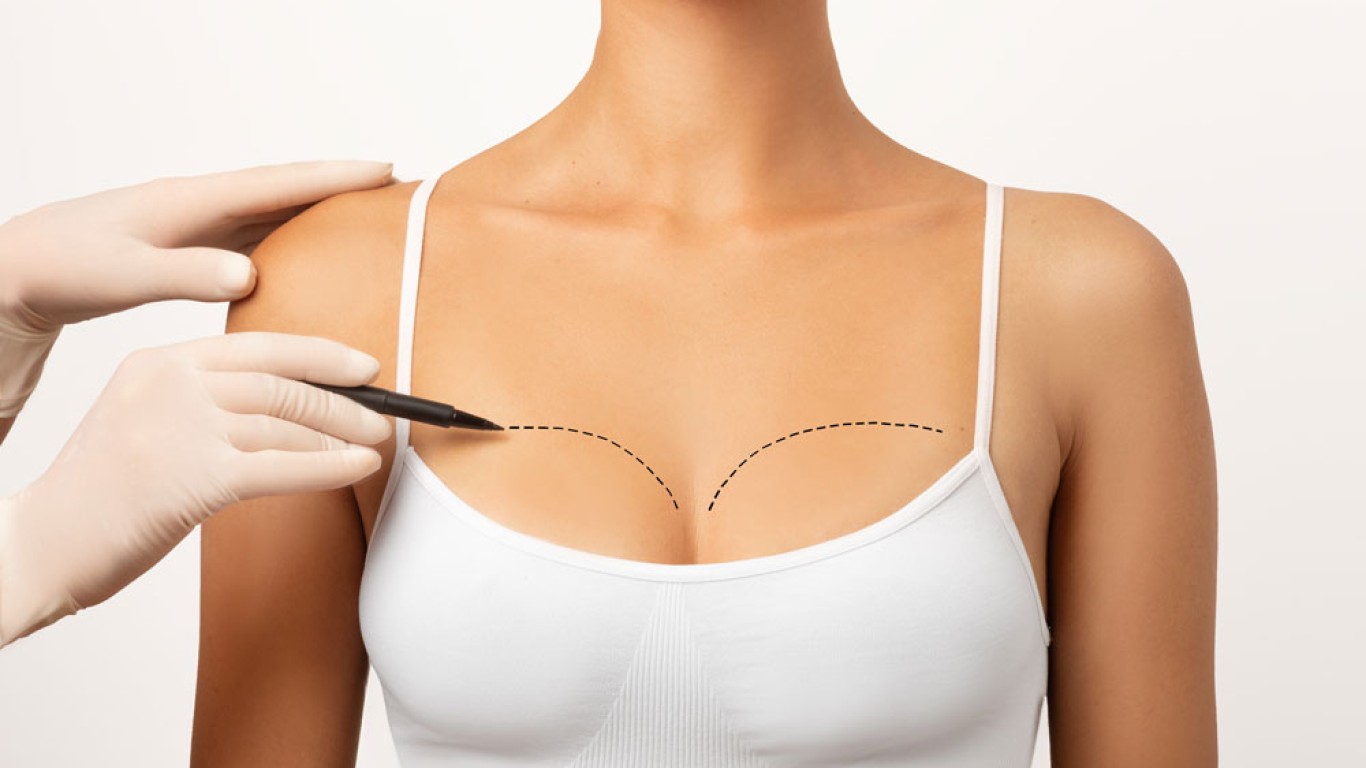
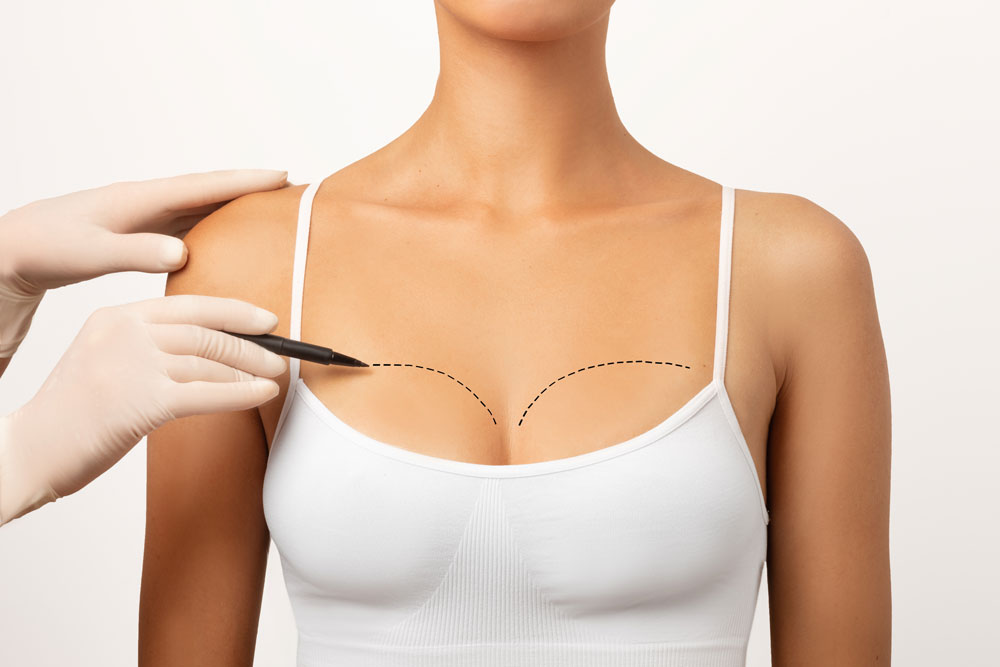
Breast reduction is not simply tissue removal. Skin is reshaped and repositioned. The nipple is usually elevated to a higher, more youthful position. A breast size chart does not illustrate these structural adjustments. Shape transformation plays an important role in the final outcome. Roundness and projection are refined during the procedure. Visual improvement depends on contour as much as volume change.
Personalised Consultation Beyond the Breast Reduction Size Chart
Charts can be helpful conversation starters. They allow patients to express goals clearly. Still, they remain approximate tools. During consultation, surgeons listen to symptoms and lifestyle concerns. Neck strain, shoulder grooving and clothing discomfort all matter. The breast reduction chart supports discussion but does not dictate surgery. Individual anatomy ultimately determines the most suitable approach.
Setting Realistic Expectations
Patients sometimes expect to select a cup size precisely. In reality, bra sizing varies widely across manufacturers. The breast size chart gives broad perspective, not exact sizing guarantees. Surgeons aim for a proportional outcome rather than a specific label. After healing, many women find their new size aligns naturally with their frame. Focusing on comfort and symmetry usually leads to higher satisfaction.
How Body Frame Influences the Breast Reduction Size Chart
The breast size chart does not exist in isolation. Body frame significantly affects how reduction appears visually. A petite frame carrying a D cup differs from a taller frame with the same letter. Shoulder width, ribcage diameter and waist proportion all influence perception. Removing 400 grams may look dramatic on one patient. The same reduction may appear moderate on another. That is why surgeons treat the breast reduction chart as a guideline. True planning considers the entire torso, not just the breast itself.
Bra Manufacturing Variations and Their Impact
Many patients are surprised to learn that bra sizing lacks universal standardisation. A C cup in one brand may fit like a D in another. This variation limits the predictive value of a breast size chart. Surgeons cannot guarantee an exact post operative bra label. Instead, they focus on structural reshaping. After healing, patients are often professionally remeasured. Many discover they were wearing incorrect sizes before surgery.
The Relationship Between Volume and Projection on a Breast Reduction Size Chart
Volume removal does not simply flatten the breast. Surgical technique reshapes projection as well.The breast reduction chart may estimate tissue removal, but it cannot demonstrate how projection changes. Reducing excess weight while maintaining gentle forward contour creates natural balance. Projection depends on internal suturing and skin reshaping. These technical details shape final appearance more than gram totals alone.
Nipple Position and Vertical Measurements
One critical factor rarely shown on a breast size chart is nipple height. Many women seeking reduction also require elevation. Surgeons measure the distance from collarbone to nipple. This vertical metric influences overall proportion. Lifting the nipple improves symmetry and youthfulness. A change in nipple position can visually reduce size even before volume removal.
Breast Density and Tissue Composition
Not all breast tissue is the same. Some breasts are predominantly fatty. Others contain denser glandular tissue. The breast reduction chart does not reflect these differences. Denser tissue may weigh more while appearing compact. Fatty tissue may look fuller with lower gram weight. Understanding composition helps surgeons anticipate how reduction will settle. It also influences how soft or firm the final contour feels.
Age and Skin Elasticity Considerations
Skin elasticity changes with age. Younger skin may retract more effectively after reduction. Mature skin may require additional reshaping. The breast reduction size chart cannot account for these biological factors. Skin tightening and internal support techniques become especially important. Final size perception often depends on how smoothly the skin envelope adapts. Surgical artistry shapes this outcome.
Symmetry Correction Beyond the Breast Reduction Size Chart
Many women have natural asymmetry. One breast may be larger or positioned slightly lower. The breast size chart assumes equal removal from both sides. In practice, adjustments are often uneven to create balance. Surgeons measure carefully to ensure proportion. Minor gram differences between sides are common and intentional.
Functional Relief and Comfort Goals
Breast reduction is frequently motivated by discomfort. Neck strain, shoulder grooves and back tension influence decision making. The breast reduction size chart does not measure relief. Yet functional improvement is often the most meaningful result. Reducing excess weight can ease posture strain significantly. Clothing may fit more comfortably. Exercise often becomes easier and more enjoyable.
Long Term Stability After Reduction
Once excess tissue is removed and reshaped, results are generally stable. Natural ageing continues, but the reduction framework remains. The breast reduction size chart may suggest immediate size change. However, final contour continues refining for months. Supportive garments during healing assist tissue settling. Long term satisfaction often reflects balanced planning from the outset.
Communicating Goals Clearly During Consultation
Patients often bring reference images or describe desired cup sizes. These conversations are helpful starting points.The breast reduction chart can anchor expectations. Still, describing comfort goals and lifestyle needs is equally important. Clear communication helps surgeons tailor reduction precisely. Proportion, posture and confidence all contribute to successful outcomes. Overall, the breast reduction size chart offers helpful perspective but not definitive answers. True planning involves anatomical measurement, tissue assessment and aesthetic judgement. When approached comprehensively, reduction surgery achieves balance that feels natural and sustainable.
Conclusion
A breast reduction size chart can be a useful reference. It helps translate surgical change into familiar terms. However, it cannot replace professional assessment. Cup size alone does not determine surgical planning. Measurements in grams and anatomical proportion guide more accurate decisions. When approached thoughtfully, breast reduction improves balance, comfort and contour. Understanding what the breast reduction size chart really means leads to more confident expectations.
For more information and to book a consultation visit the ACIBADEM Beauty Center Breast Reduction webpage.
Frequently Asked Questions
It offers guidance, but bra sizing varies and cannot guarantee exact results.
There is no fixed conversion. Body frame and tissue distribution influence visible change.
Surgeons aim for proportion rather than a precise bra label.
No, it mainly reflects volume changes, not structural reshaping.
Balanced proportions create natural appearance and improve comfort overall.