Ataşehir Mah. Feza Sk. No:3 İstanbul / Türkiye
 French
  English
  German
  Spanish
Introduction
Buccal fat pad removal gained significant attention in recent years. Celebrities and social media amplified interest in the procedure. It creates a slimmer, more sculpted facial contour. The procedure removes fat pads from the lower cheeks. Interest surged between 2022 and 2024. But is buccal fat pad removal still trending in 2026? Patient demand has matured rather than disappeared. The procedure remains popular among suitable candidates. Understanding current trends helps patients make informed decisions. This article examines whether the procedure remains relevant and what patients should consider before committing.
What Is Buccal Fat Pad Removal?
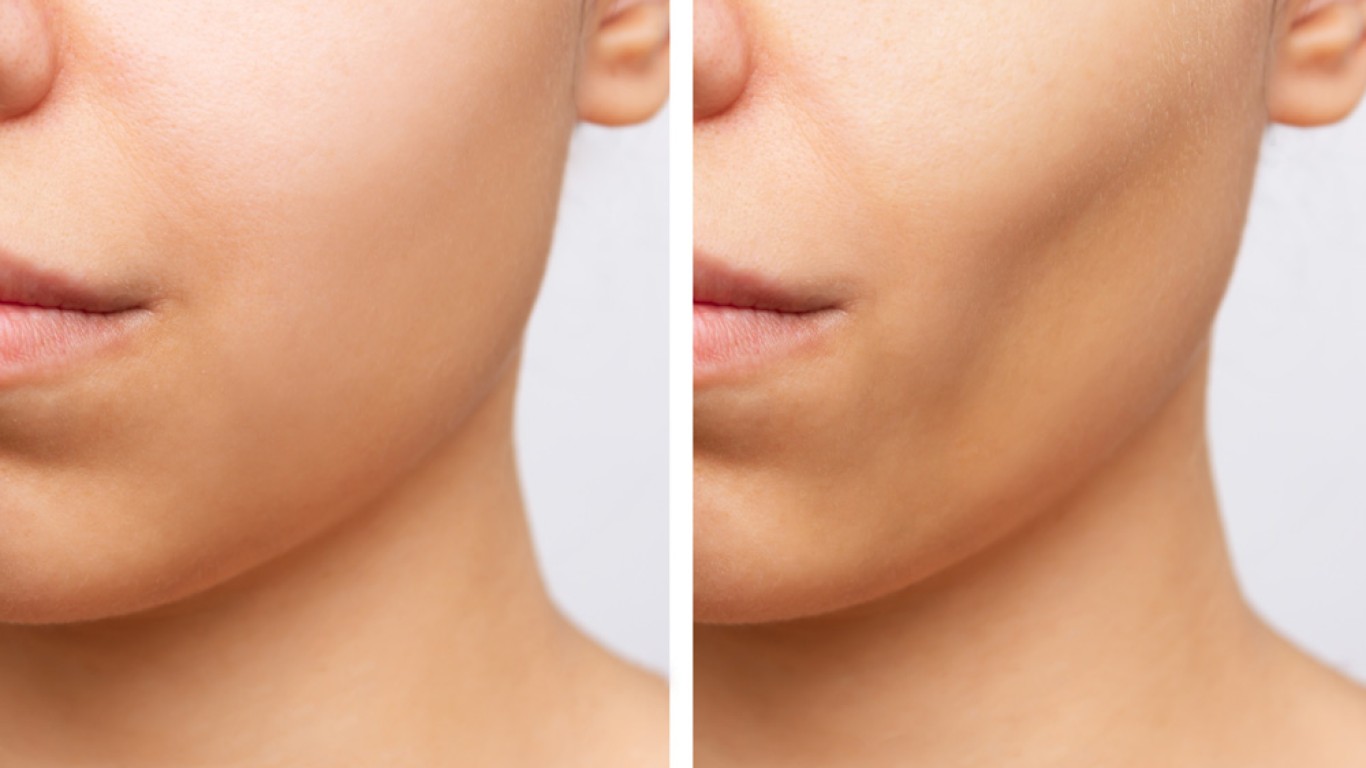
Buccal fat pad removal is a facial contouring procedure. It targets the buccal fat pads in the lower cheeks. These fat pads sit between the cheekbone and jawbone. They contribute to facial fullness and roundness. The procedure removes some or all of this fat. Buccal fat pad removal creates a more defined cheek contour. The cheekbones become more prominent visually. Face appears slimmer below the cheekbones. The procedure is performed through incisions inside the mouth. No external cuts are made. No visible scars result from the surgery. The procedure takes approximately thirty to forty-five minutes. Local anaesthesia with sedation is standard. Most patients return home the same day.
Is Buccal Fat Pad Removal Still Trending?
Yes. Buccal fat pad removal remains a sought-after procedure in 2026. Initial hype has settled into sustained demand. Patients now approach the procedure with more realistic expectations than during the early trend peak. Social media still drives awareness. However, patients are better informed about candidacy and long-term considerations now. The procedure has transitioned from trend to established option within facial contouring. Buccal fat pad removal suits specific facial anatomies. Not every patient benefits from cheek slimming. Surgeons are more selective about candidacy than during the peak demand period. This careful approach has improved patient satisfaction and outcomes overall. The procedure is popular because the results are permanent and the recovery is quick.
Who Should Consider Buccal Fat Pad Removal?
The procedure suits patients with naturally full lower cheeks. Prominent buccal fat pads create a round facial shape. Diet and exercise do not reduce these fat pads effectively. Buccal fat pad removal addresses this concern directly. Ideal candidates are at a stable, healthy weight. The procedure is not for weight loss. Results look most natural on patients with adequate facial volume elsewhere. Patients with very lean faces should be cautious. Removing buccal fat from already thin faces can create a hollow appearance. This concern becomes more relevant as patients age. Facial volume decreases naturally over time. Buccal fat pad removal in younger patients must account for this long-term change. Thorough consultation assesses individual suitability carefully.

Buccal Fat Pad Removal: The Procedure
The procedure is quick and straightforward. The surgeon makes a small incision inside each cheek. Buccal fat pad is accessed through the inner cheek tissue. Gentle pressure identifies the fat pad. It is carefully extracted through the incision. Buccal fat pad removal takes thirty to forty-five minutes. Dissolvable sutures close the incisions. No external scars result from the procedure. Patients are awake but sedated during treatment. Discomfort is minimal due to local anaesthesia. Most patients leave the clinic within an hour. A soft food diet is followed for the first week. Normal eating resumes gradually as healing progresses. The procedure is considered low risk when performed by experienced surgeons.
Recovery After Buccal Fat Pad Removal
Recovery is among the quickest of any facial surgery. Swelling is expected during the first week. Bruising is minimal for most patients. Pain is mild and managed with over-the-counter medication. Buccal fat removal recovery requires a soft food diet for five to seven days. Spicy and very hot foods should be avoided initially. Oral hygiene is important during healing. Gentle rinsing after meals keeps the incision sites clean. Most patients return to work within two to three days. Social activities are comfortable within one week. Full swelling resolution takes four to eight weeks. The final facial contour becomes visible during this period. Results are permanent. The removed fat pads do not regenerate.
Long-Term Considerations
Long-term considerations are important for this procedure. Facial volume decreases naturally with age. Fat loss, bone resorption and collagen decline all contribute. Buccal fat removal accelerates this volume reduction in the cheek area. Patients in their twenties should consider how their face will change over the next two decades. The result that looks ideal at thirty may appear hollow at fifty. Buccal fat removal is permanent and irreversible. This permanence is an advantage for suitable candidates. It becomes a concern for those who may lose additional facial volume later. Conservative removal rather than complete extraction helps manage this risk. An experienced surgeon removes an appropriate amount based on facial anatomy and ageing considerations.
The Evolution of Buccal Fat Pad Removal and Patient Awareness
Patient education has improved significantly since the procedure first gained mainstream attention. Surgeons now spend more time discussing facial ageing during consultation. This ensures patients understand how their face will change over the coming decades. Conservative fat removal has become the preferred approach at reputable clinics. Partial extraction preserves some buccal volume for the future. This reduces the risk of a hollow or gaunt appearance in later years. The shift toward conservative technique reflects a more mature understanding of the procedure. Patients who choose experienced surgeons benefit from this refined approach. Satisfaction rates have increased as candidacy selection has improved.
Buccal Fat Pad Removal vs Non-Surgical Alternatives
Some patients explore non-surgical options before committing to surgery. Dermal filler to the cheekbones can create contrast that slims the lower face visually. This approach adds definition above rather than removing volume below. The effect is temporary and reversible. Radiofrequency treatments offer mild skin tightening. However, they do not reduce buccal fat volume. Buccal fat removal remains the only procedure that directly addresses prominent buccal fat pads. Non-surgical alternatives suit patients who want subtle change without permanent commitment. Surgery suits patients confident in their desired outcome. Combining buccal fat removal with cheekbone filler can produce enhanced facial definition. Consultation helps determine the best approach for each patient.
Buccal Fat Pad Removal in Turkey
Turkey is a popular destination for this procedure. Buccal fat removal in Turkey costs between one thousand two hundred and two thousand pounds. UK pricing ranges from three thousand to five thousand pounds. Turkish packages are all-inclusive. They typically cover consultation, surgery, accommodation and aftercare. The procedure is performed at JCI-accredited facilities. Experienced facial surgeons perform the treatment at high volume. English-speaking patient coordinators support international patients throughout. Most patients stay three to five days in Istanbul. The combination of quality and value makes Turkey appealing. Buccal fat pad removal in Turkey continues attracting patients from across Europe. Recovery is quick enough to allow some sightseeing before returning home.
Is Buccal Fat Pad Removal Right for You?
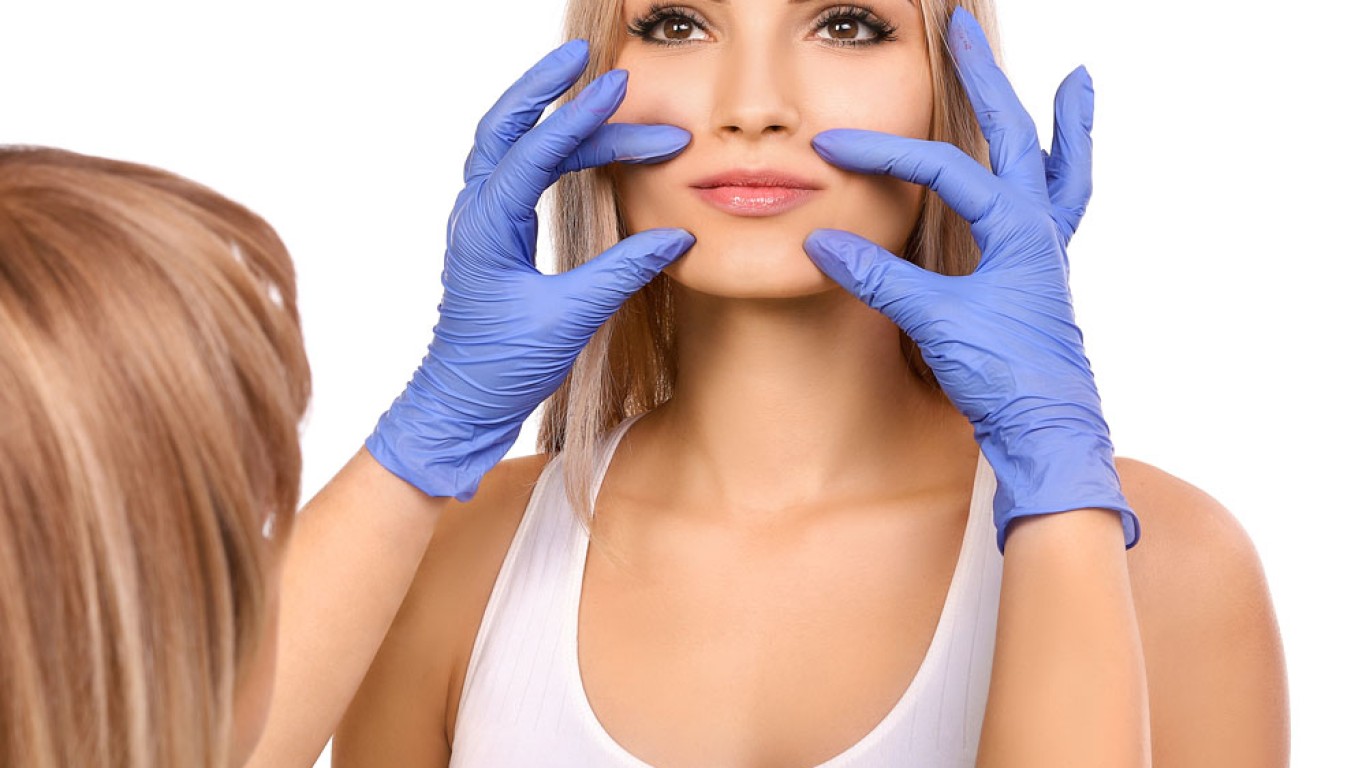
The decision requires honest self-assessment and professional guidance. Patients with round cheeks caused by prominent buccal fat pads are the best candidates. Those at a stable weight see the most predictable results. Age and future facial volume changes should be discussed during consultation. Buccal fat removal is not suitable for everyone. Very lean patients risk a hollow appearance in later years. Patients should feel confident that their motivation is personal rather than trend-driven. Viewing before-and-after photographs of similar facial types helps set realistic expectations. A thorough consultation with an experienced facial surgeon ensures appropriate candidacy assessment. The right patients achieve natural, lasting improvement.
Conclusion
Buccal fat pad removal remains a popular facial contouring procedure in 2026. Demand has matured from initial trend into sustained patient interest. The procedure creates slimmer cheek contours through a quick, low-downtime surgery. Recovery takes one to two weeks. Results are permanent. Long-term ageing considerations should be discussed during consultation. Buccal fat removal suits patients with naturally full cheeks at a stable weight. Turkey offers the procedure at competitive pricing with experienced facial surgeons. Professional consultation ensures the procedure is appropriate for each individual patient.
To find out more information about buccal fat removal and to book a consultation visit the ACIBADEM Beauty Center Aesthetics page.
Frequently Asked Questions
Yes, it remains a popular procedure with sustained patient demand.
Yes, removed fat pads do not regenerate. Results are lasting.
Most patients return to work within two to three days. Full results appear at four to eight weeks.
Conservative removal minimises this risk. Thorough consultation addresses long-term considerations.
Typically one thousand two hundred to two thousand pounds all-inclusive.