Ataşehir Mah. Feza Sk. No:3 İstanbul / Türkiye
 English

Introduction
A tummy tuck can produce dramatic, long-lasting improvement in the shape of the abdomen. However, some patients later wonder whether the procedure can be repeated. The short answer is yes, a second abdominoplasty is possible in many cases. Pregnancy, weight changes or ageing can alter results over time. Some patients also want to refine the outcome of their first surgery. Revision surgery is more complex than a first operation and needs careful planning. This article explains why patients consider repeat surgery and when it is appropriate. It also covers complexity, alternatives, recovery and ways to protect results.
What Is a Tummy Tuck?
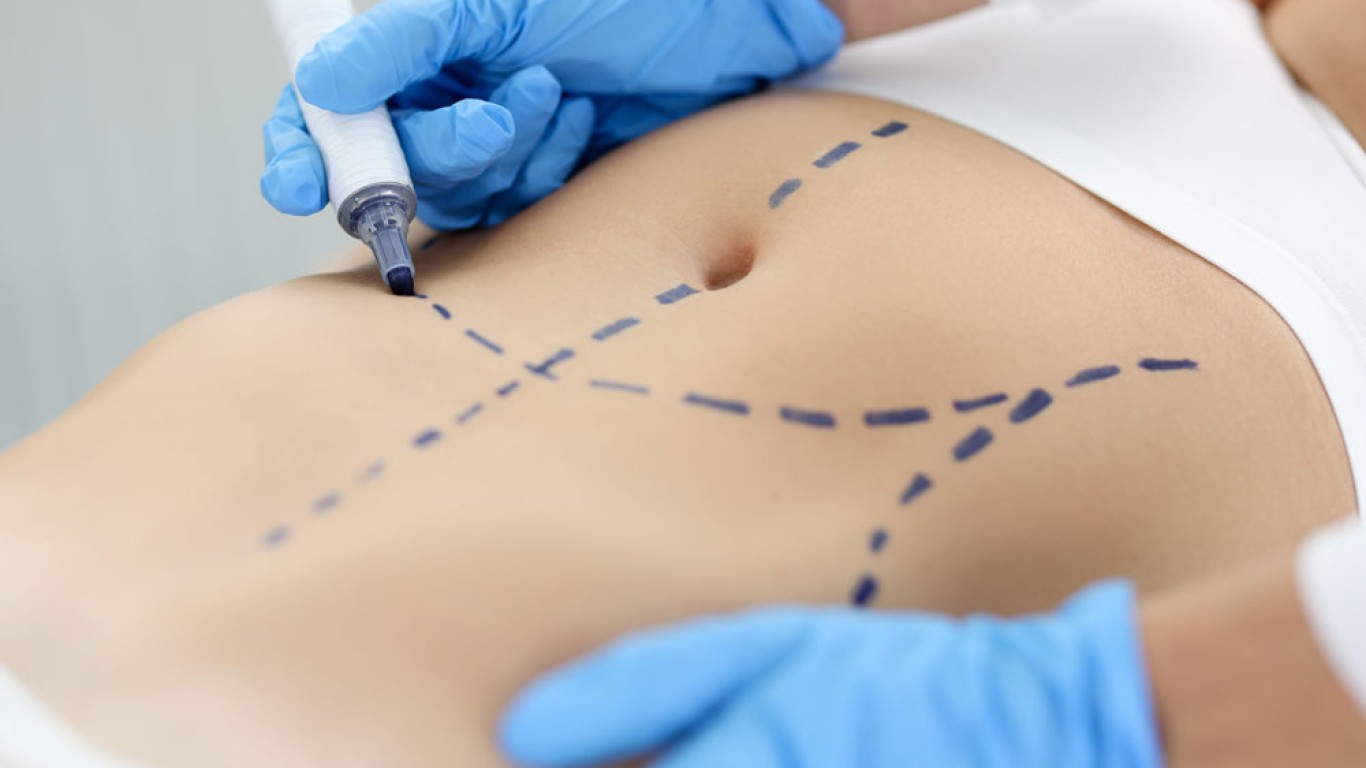
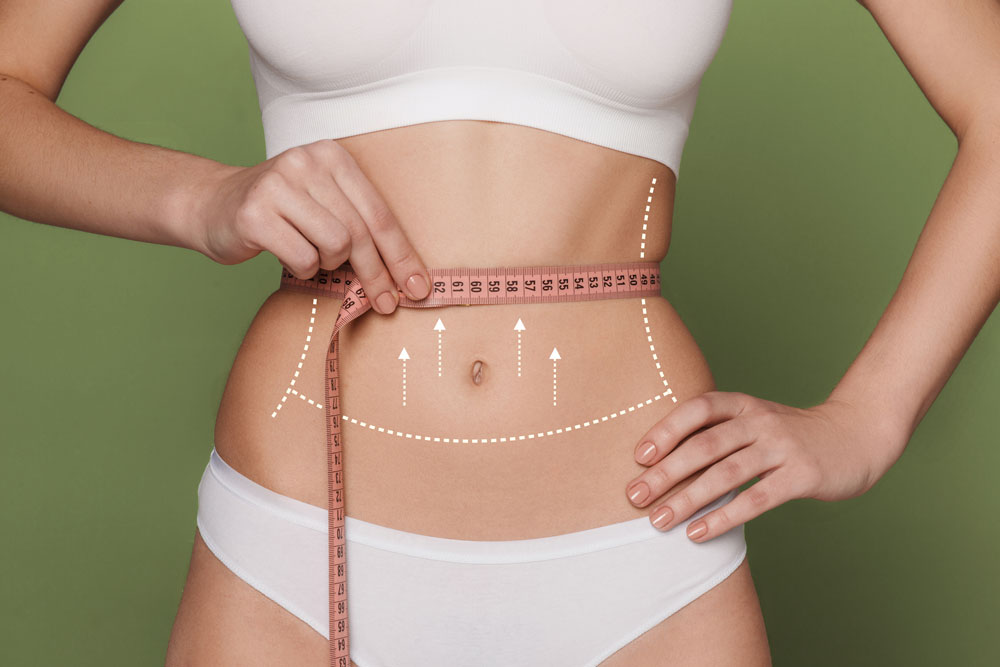
A tummy tuck, or abdominoplasty, reshapes the abdomen by removing excess skin and fat. The surgeon also tightens separated abdominal muscles in many cases. This muscle separation, called diastasis recti, is common after pregnancy. The belly button is repositioned to suit the new contour. A full abdominoplasty uses a long, low incision across the lower abdomen. A mini abdominoplasty uses a shorter incision for limited lower-abdominal concerns. Surgery is performed under general anaesthesia and usually takes two to four hours. Results are long-lasting when patients maintain a stable weight.
Why Some Patients Consider a Second Tummy Tuck
Most patients are satisfied with a single operation. However, several life events can change the abdomen after surgery. Pregnancy stretches the skin and can separate the muscles again. Significant weight gain followed by weight loss may leave new loose skin. Ageing gradually reduces skin elasticity over many years. Some patients have residual loose skin after their first surgery. Others are unhappy with the position of the scar or belly button. In these situations, a second procedure may restore or refine the result.
Common Reasons for Revision Surgery
Revision surgery can address a range of specific concerns. Residual loose skin above or below the belly button is common. Some patients notice fullness at the ends of the scar, known as dog ears. A scar that sits too high or has widened may also be corrected. The belly button may look misshapen, stretched or poorly positioned. Recurrent muscle separation can cause the abdomen to bulge again. Uneven fat distribution may need refinement with liposuction. A surgeon will assess which concerns can be improved and how.
How Long Should You Wait Between Operations?
Timing is important for safe and predictable revision surgery. Most surgeons recommend waiting at least six to twelve months after the first operation. This allows swelling to settle completely. Scar tissue also needs time to mature and soften. Some concerns improve naturally during this period. Patients planning further pregnancies are usually advised to wait until afterwards. A stable weight for at least six months before surgery is also recommended. Waiting for the right time helps the surgeon achieve a better result.
Is a Second Tummy Tuck More Complex?
Revision surgery is generally more complex than a first abdominoplasty. Scar tissue from the first operation can make dissection more difficult. Blood supply to the abdominal skin may already be altered. This can affect wound healing if surgery is not carefully planned. The belly button has already been repositioned, which limits some options. Less loose skin may be available to remove. Surgeons need detailed knowledge of the first operation to plan safely. Records from the original surgery are very helpful.
Types of Secondary Procedures
Not every patient needs a full repeat operation. The following table summarises common revision options.
| Procedure | What It Addresses | Typical Extent |
| Scar revision | Wide, raised or poorly positioned scars | Minor, often under local anaesthesia |
| Dog ear correction | Fullness at the ends of the scar | Minor procedure |
| Liposuction | Residual fat or uneven contour | Moderate |
| Mini revision | Limited loose skin below the belly button | Moderate |
| Full revision abdominoplasty | Significant loose skin or recurrent muscle separation | Major surgery |
The surgeon will recommend the least invasive option that achieves the patient's goals.
Who Is a Good Candidate for Repeat Surgery?
Good candidates are in good general health and at a stable weight. They should have finished having children if pregnancy changed their result. Non-smokers are strongly preferred, as smoking affects wound healing. Patients should have realistic expectations about what revision can achieve. Some degree of scarring is unavoidable with any repeat procedure. Patients with significant medical conditions may need additional assessment. A thorough examination helps confirm whether surgery is appropriate.
The Consultation and Planning Stage
A detailed consultation is essential before any revision surgery. The surgeon reviews the patient's concerns and surgical history. Records from the original operation help the surgeon understand previous techniques. The surgeon examines skin laxity, scar quality and muscle separation. An ultrasound scan may be used to assess the abdominal wall. Photographs help with planning and setting realistic goals. The surgeon will explain the risks, recovery and expected improvement honestly.
Recovery After a Revision Tummy Tuck
Recovery depends on the extent of the revision procedure. Minor procedures, such as scar revision, often need only a few days off. A full revision abdominoplasty has a recovery similar to the first operation. Patients usually walk slightly bent forward for the first week or two. Compression garments are worn for several weeks to reduce swelling. Drains may be used for a few days. Most patients return to desk-based work within two to three weeks. Heavy lifting and strenuous exercise should be avoided for around six weeks.
Achieving Natural-Looking Results with a Second Tummy Tuck
A successful second tummy tuck begins with careful assessment of the existing abdominal contour. Surgeons examine skin elasticity, muscle support and previous incision placement before recommending treatment. Following recovery guidance is equally important after a revision tummy tuck. Patients should attend follow-up appointments and allow sufficient time for swelling to settle. Maintaining a stable weight also helps preserve the improved contour over time. Ultimately, thoughtful planning and experienced surgical care support satisfying, long-lasting results.
Alternatives to a Full Revision
Some concerns can be improved without full revision surgery. Liposuction can refine residual fat and improve contour. Scar treatments, such as silicone gel or laser, can improve scar appearance. Non-surgical skin tightening may help mild laxity. Exercise focused on the core can improve muscle tone. However, exercise cannot repair significant muscle separation. A surgeon can explain which option best suits each concern.
Protecting Your Tummy Tuck Results
Healthy habits help preserve results and reduce the need for revision. Maintaining a stable weight is the most important step. Regular exercise supports muscle tone and overall health. A balanced diet helps prevent significant weight fluctuations. Patients planning future pregnancies should discuss timing before their first surgery. Following aftercare instructions carefully supports good healing. Protecting scars from the sun helps them fade well.
Choosing a Surgeon for Revision Tummy Tuck Surgery
Experience is particularly important for revision surgery. Patients should choose a qualified plastic surgeon experienced in secondary body contouring. Before-and-after photographs of revision cases provide useful evidence. The surgeon should explain what can and cannot be improved. Treatment should take place in an accredited hospital with full support facilities. Clear communication helps patients feel confident in their decision.
Conclusion
Many patients can have a tummy tuck more than once if their abdomen changes over time. Pregnancy, weight changes and ageing are common reasons for revision. Surgeons usually recommend waiting at least six to twelve months between operations. Revision surgery is more complex, so an experienced surgeon is essential. Less invasive options may address minor concerns without full revision.
To learn more about tummy tuck surgery and to book a consultation, visit the ACIBADEM Beauty Center Tummy Tuck webpage.
Frequently Asked Questions
Yes. A second abdominoplasty is possible for many patients, depending on their anatomy.
Most surgeons recommend waiting at least six to twelve months after the first operation.
Revision surgery can be more complex because of scar tissue and altered blood supply.
Yes. Pregnancy can stretch the skin and separate the abdominal muscles again.
No. Some concerns can be improved with scar revision or liposuction alone.