Ataşehir Mah. Feza Sk. No:3 İstanbul / Türkiye
 English

Introduction
Identifying the right mini tummy tuck candidate is essential for satisfying surgical results. A mini tummy tuck is a less extensive version of a full abdominoplasty. It addresses concerns limited to the lower abdomen below the navel. The procedure removes a smaller amount of excess skin. It may also tighten the lower abdominal muscles. Not every patient with abdominal concerns suits the mini approach. Understanding who qualifies helps patients make informed decisions. This article explains who suits the procedure and how it differs from a full one. It also covers expected results, recovery and limitations. Finally, it explains when a full tummy tuck may be more appropriate.
What Is a Mini Tummy Tuck?
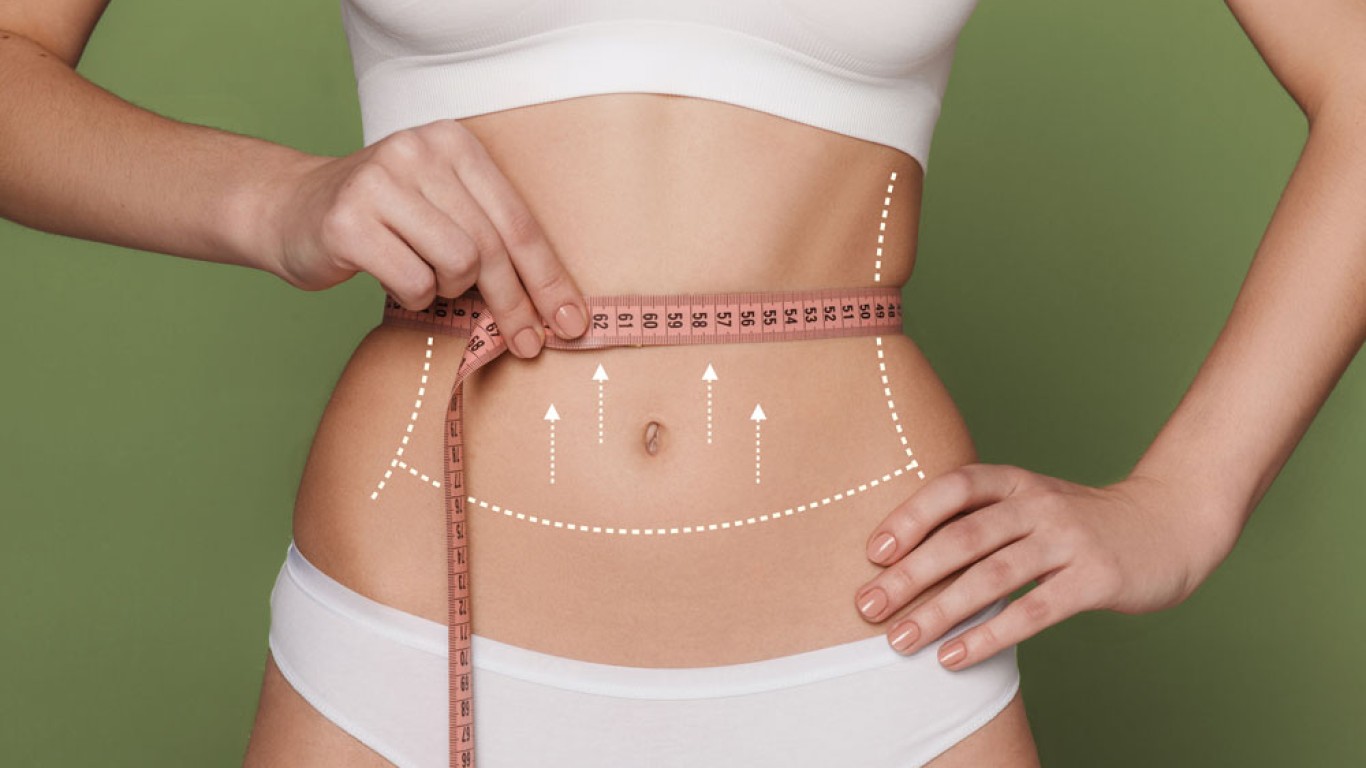
A mini tummy tuck is a targeted procedure for the lower abdomen. It uses a shorter incision than a full tummy tuck. The incision is positioned low across the lower abdomen. It removes a smaller amount of excess skin below the navel. The belly button is not repositioned during a mini tummy tuck. Lower abdominal muscles may be tightened if mild separation is present below the navel. The procedure is performed under general or local anaesthesia with sedation. Operating time is usually one to two hours, shorter than a full tummy tuck. Recovery is generally faster, with less discomfort than a full procedure. The mini tummy tuck suits patients with concerns confined to the lower abdomen. It is not suitable for extensive skin excess or muscle separation above the navel.
Who Is an Ideal Mini Tummy Tuck Candidate?
An ideal mini tummy tuck candidate has specific characteristics that suit the procedure. The best candidates have a mild pouch or slight excess skin below the navel. Their concerns are confined to the lower abdomen, not the entire abdominal area. Upper abdominal skin should be relatively firm without significant laxity. Any muscle separation should be limited to the area below the navel. Candidates should be at a stable weight and in good general health. Not smoking supports safe healing and reduces the risk of complications. Patients who have completed their family planning achieve the most lasting results. Realistic expectations about the scope of improvement are essential for satisfaction. The procedure does not address the upper abdomen or flanks. It also cannot correct significant muscle separation above the navel. A consultation determines whether a mini or full procedure is suitable.
Mini Tummy Tuck Candidate vs Full Tummy Tuck Candidate
Understanding the difference between mini and full candidates supports the right procedure choice. The following table compares the characteristics that determine the most appropriate approach.
| Characteristic | Mini Tummy Tuck Candidate | Full Tummy Tuck Candidate |
| Excess skin location | Below the navel only | Above and below the navel |
| Amount of excess skin | Small to moderate | Moderate to significant |
| Muscle separation | Below navel only, if present | Full-length abdominal separation |
| Navel repositioning | Not required | Required |
| Incision length | Shorter | Longer, hip to hip |
| Recovery time | Two to four weeks | Four to eight weeks |
Common Reasons Patients Seek a Mini Tummy Tuck
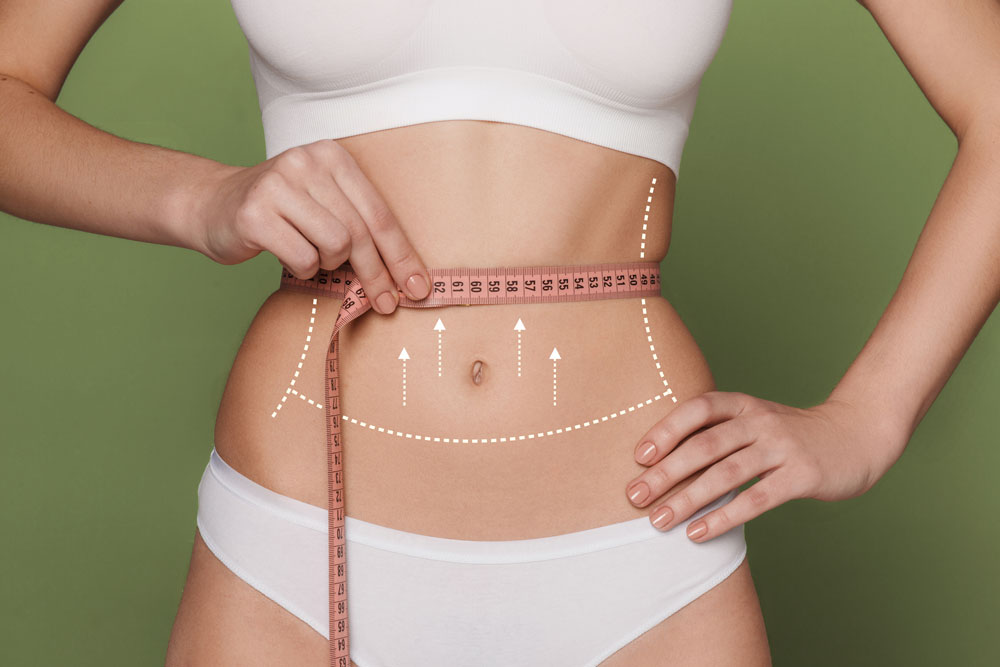
Several common concerns lead patients to consider a mini tummy tuck. A persistent lower abdominal pouch that resists diet and exercise is the most frequent complaint. This pouch may result from mild skin laxity and stubborn fat below the navel. Some patients develop a lower belly bulge after pregnancy that exercise does not resolve. Ageing can cause lower abdominal skin to lose elasticity and create a mild overhang. Moderate weight loss may leave residual excess skin on the lower abdomen. Patients wanting a shorter recovery and less extensive surgery often consider the mini approach. The procedure also suits patients combining a small abdominal correction with another procedure. Each reason is valid when the concern is limited to the lower abdomen. Consultation confirms whether a mini tummy tuck can realistically address these concerns.
The Mini Tummy Tuck Candidate Procedure
The mini tummy tuck is less extensive than a full abdominoplasty in several respects. A short incision is made low across the lower abdomen. The surgeon carefully removes the excess lower abdominal skin through this incision. Any mild muscle separation below the navel is tightened during the same procedure. Liposuction may be added to refine the contour and remove small fat deposits. The belly button remains in its original position throughout. Remaining skin is repositioned and the incision is closed with fine sutures. The incision sits low enough to hide beneath most underwear and swimwear. Operating time is typically one to two hours under general or local anaesthesia with sedation. The shorter procedure and smaller incision support a faster recovery for most patients.
Conclusion
An ideal mini tummy tuck candidate has limited excess skin confined to the lower abdomen. The procedure offers a shorter incision, faster recovery and less extensive surgery. Candidates should be at a stable weight, healthy and realistic about results. It effectively addresses a lower abdominal pouch without repositioning the navel. Full activity typically resumes within four to six weeks. Results are long-lasting when supported by stable weight and healthy habits. A professional consultation determines whether a mini or full tummy tuck is best. Turkey offers experienced surgeons and accredited facilities for both procedures.
To find out more about mini tummy tuck candidates and to book a consultation visit the ACIBADEM Beauty Center Aesthetics webpage.
Frequently Asked Questions
Patients with a small lower abdominal pouch and concerns confined below the navel.
It uses a shorter incision, removes less skin and does not reposition the navel.
Most patients return to full activity within four to six weeks after the procedure.
It can address mild separation below the navel; full separation requires a full tummy tuck.
Results are long-lasting when body weight remains stable through healthy lifestyle habits.