Ataşehir Mah. Feza Sk. No:3 İstanbul / Türkiye
 English
Introduction
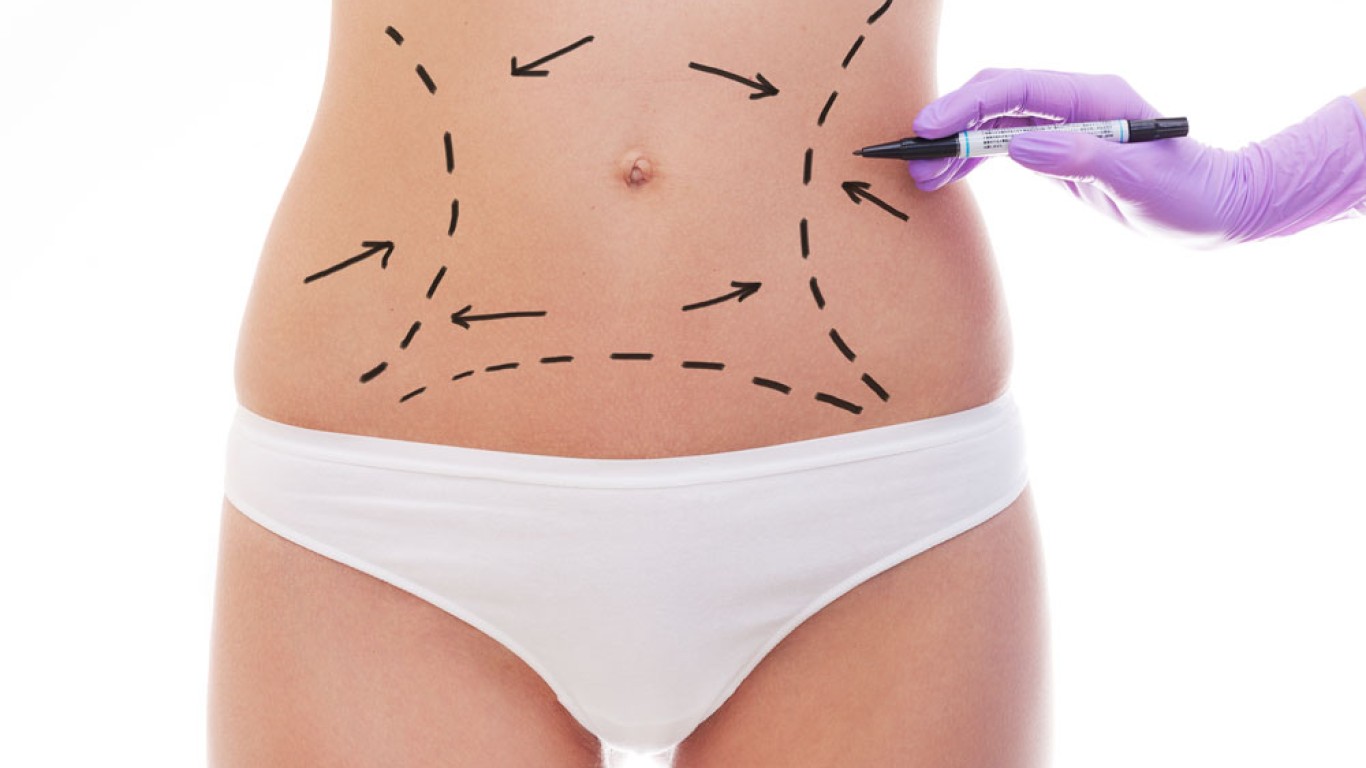
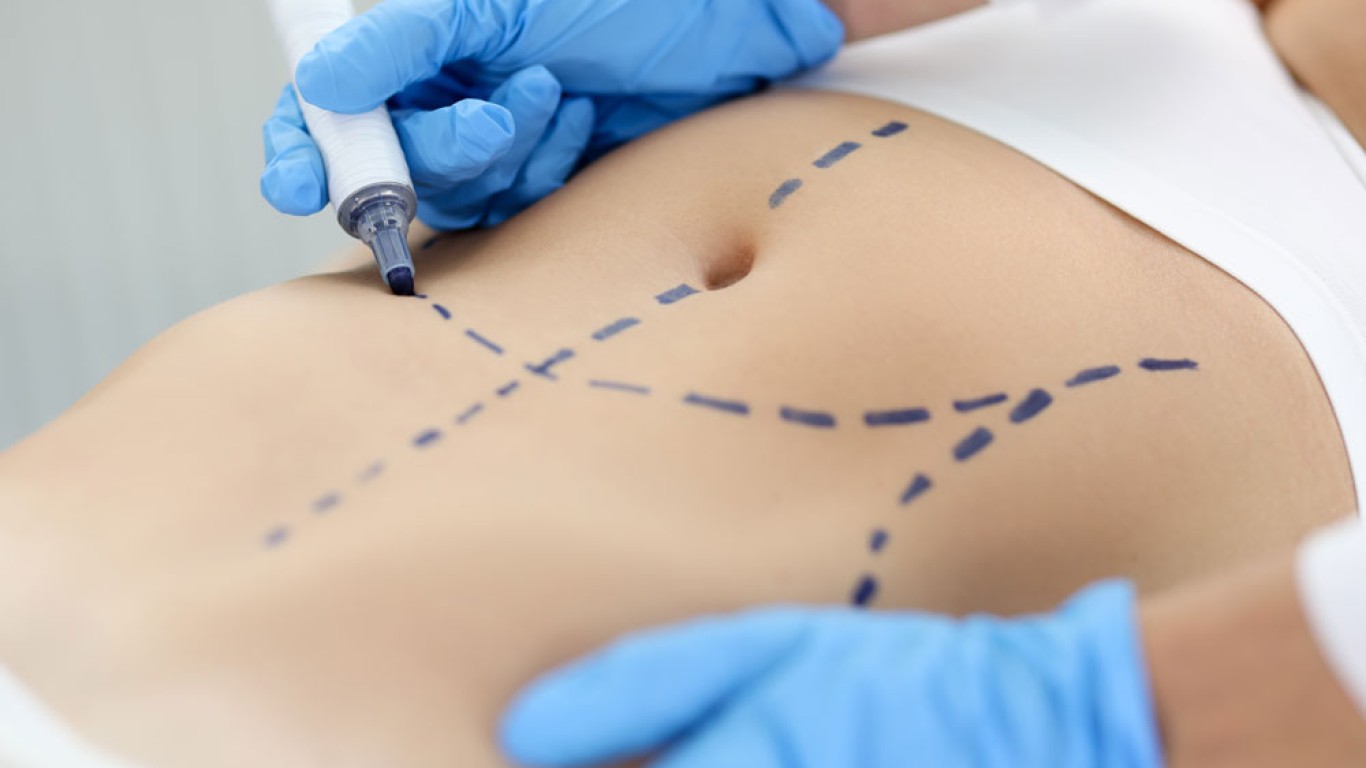
The concept of a non-surgical tummy tuck appeals to patients who want abdominal improvement without surgery. Multiple devices and treatments claim to tighten, flatten and contour the abdomen without incisions. The marketing is compelling. The claims are impressive. But does a non-surgical tummy tuck actually work? The honest answer is nuanced. Some improvement is possible for specific, mild concerns. However, the gap between non-surgical and surgical results for most patients is substantial. This article provides an honest assessment of what non-surgical tummy tuck options can and cannot achieve.
What Does a Tummy Tuck Actually Do?
Understanding what surgery achieves puts non-surgical claims in context. A surgical tummy tuck removes excess skin. It repairs separated abdominal muscles. It eliminates the overhanging skin apron and creates a flat, tight abdominal contour. A non-surgical option must be evaluated against these surgical capabilities. Can it remove excess skin? No. Can it repair separated muscles? No. Can it eliminate a skin apron? No. A non-surgical tummy tuck can potentially reduce a modest amount of subcutaneous fat and produce very mild skin tightening. These are meaningfully different outcomes from what surgery achieves. The term non-surgical tummy tuck is itself misleading. No non-surgical treatment replicates what a tummy tuck does. The treatments available are more accurately described as non-surgical abdominal contouring or fat reduction. They are not tummy tucks by any clinical definition.
Non-Surgical Tummy Tuck: Available Options
| Treatment | What It Does | Realistic Result |
| Cryolipolysis (CoolSculpting) | Freezes and kills fat cells | Modest fat reduction per session |
| Radiofrequency body contouring | Heats tissue to stimulate collagen | Minimal tightening |
| HIFU body | Focused ultrasound heats deep tissue | Minimal tightening |
| Laser lipolysis | Laser disrupts fat cells through the skin | Modest fat reduction |
| EMSculpt | Electromagnetic energy contracts muscles | Mild muscle toning |
Non-surgical tummy tuck options share a common limitation. They can reduce small amounts of fat or produce very mild tightening. They can’t remove skin, repair muscles or produce the dramatic transformation that surgical abdominoplasty achieves. Each technology has a specific, limited capability. Understanding these limitations prevents disappointment.
Non-Surgical Tummy Tuck: Cryolipolysis
Cryolipolysis is the most established non-surgical fat reduction technology. A non-surgical procedure with cryolipolysis applies controlled cooling to the skin surface. The cold penetrates through to the subcutaneous fat layer. Fat cells are more sensitive to cold than surrounding tissue. They crystallise and die. The body processes the dead cells over eight to twelve weeks. A non-surgical tummy tuck with cryolipolysis produces approximately 20-25% fat reduction in the treated area per session. This sounds significant. In practice, twenty-five percent of a small subcutaneous fat layer produces a subtle change. Most patients describe the improvement as modest. A procedure with cryolipolysis suits patients with a small, localised bulge who are otherwise lean. The ideal candidate has a pinchable roll of fat with good skin quality above it. Patients with loose skin, muscle separation or significant excess find the result inadequate.

Non-Surgical Tummy Tuck: Skin Tightening Devices
Radiofrequency and HIFU devices claim to tighten abdominal skin. A non-surgical procedure with these technologies heats the tissue at controlled depths. Collagen contracts mildly. New collagen production may produce gradual tightening over months. A non-surgical procedure with skin tightening devices produces very subtle results for most patients. The improvement is often difficult to measure objectively. Before-and-after photographs may show a mild difference under ideal lighting. The change visible in daily life is frequently imperceptible. A non-surgical tummy tuck with skin tightening devices does not address loose, redundant skin. Skin that hangs or folds cannot be tightened sufficiently through thermal energy alone. The collagen contraction is measured in fractions of a millimetre. It can’t replace centimetres of excess skin removal that surgery achieves.
Non-Surgical Tummy Tuck: Muscle Toning Devices
EMSculpt and similar devices use electromagnetic energy to contract abdominal muscles. A non-surgical procedure with muscle toning produces thousands of involuntary contractions during each session. The intensity exceeds what voluntary exercise achieves. Muscle fibres thicken. The abdominal wall becomes mildly firmer. A non-surgical abdominoplasty with muscle toning does not repair diastasis recti. The separated muscles are not brought together. Connective tissue between them is not sutured. The gap remains. Muscles may become slightly thicker on each side of the gap. The gap itself persists. A non-surgical option with muscle toning suits patients with mild abdominal softness who want subtle toning alongside their exercise programme. It doesn’t suit patients with muscle separation, excess skin or significant abdominal protrusion.
Conclusion
Non-surgical tummy tuck treatments produce modest results for a narrow patient profile. They can reduce small fat deposits and produce very mild skin tightening. They cannot remove excess skin, repair separated muscles or produce transformative abdominal change. Patients with established abdominal concerns including loose skin and muscle separation achieve far better results from surgical abdominoplasty. Non-surgical options suit lean patients with localised concerns. Professional consultation identifies the most effective approach. Turkey offers both surgical and non-surgical options at competitive pricing.
For more information and to book a consultation visit the ACIBADEM Beauty Center Aesthetics page.
Frequently Asked Questions
For very specific, mild concerns in lean patients. It does not replicate what surgical abdominoplasty achieves.
No. Only surgical excision removes excess skin. Non-surgical devices produce very mild tightening at best.
No. Diastasis recti requires surgical repair. No device can bring the muscles back together.
Lean patients with a small, localised fat deposit and good skin quality. A narrow candidate profile.
Only if your concern is mild. Most patients with established abdominal concerns benefit more from surgical consultation.