Ataşehir Mah. Feza Sk. No:3 İstanbul / Türkiye
 English
Introduction
A standard tummy tuck addresses the front of the abdomen. For many patients, this is sufficient. However, some patients have excess skin and tissue that extends beyond the front of the abdomen around to the flanks and lower back. A standard tummy tuck cannot reach these lateral areas. An extended tummy tuck uses a longer incision that wraps around the sides. It addresses the abdomen, flanks and lower back in a single procedure. Understanding when an extended tuck is needed helps patients and surgeons plan the most effective approach. This article explains the procedure, its indications and what to expect.
What Is an Extended Tummy Tuck?
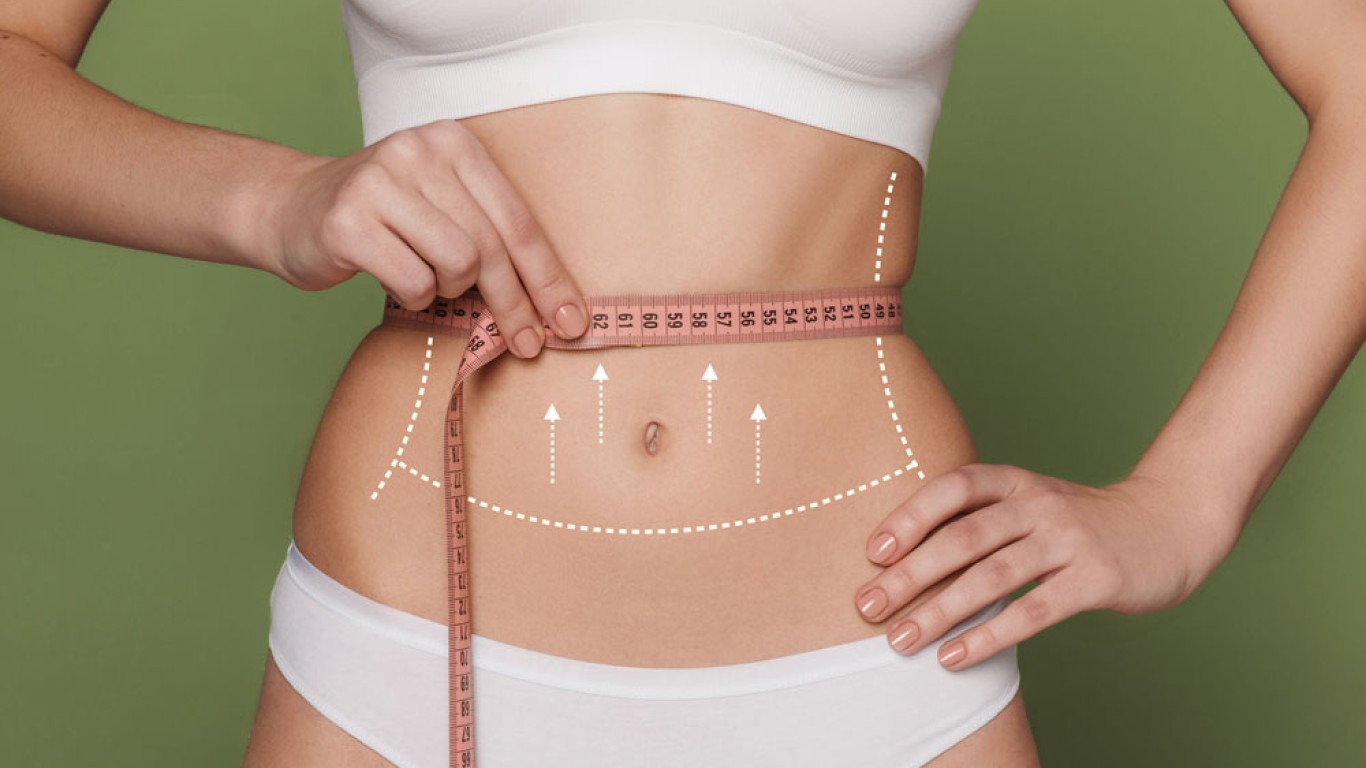
An extended tummy tuck is a more comprehensive version of the standard abdominoplasty. The incision extends beyond the hip bones toward the back. This additional length allows the surgeon to remove excess skin and fat from the flanks and lower back alongside the front of the abdomen. An extended tuck addresses the full circumference of the lower torso from the front around to the sides. The procedure includes the same components as a standard tummy tuck.
Abdominal muscle repair corrects diastasis recti. Excess abdominal skin is removed. The navel is repositioned. An extended tummy tuck adds lateral skin removal. The flanks are contoured. The love handle area is addressed. Waistline is defined from the front around to the sides. An extended tuck sits between a standard tummy tuck and a full circumferential body lift in terms of scope. It addresses more than the front alone but does not extend to a complete 360-degree incision.
Extended Tummy Tuck vs Standard Tummy Tuck
| Factor | Standard Tummy Tuck | Extended Tummy Tuck |
| Incision length | Hip to hip across lower abdomen | Extends around flanks toward back |
| Area addressed | Front of abdomen | Abdomen, flanks, lower back |
| Skin removal | Moderate | Extensive (including lateral excess) |
| Muscle repair | Yes | Yes |
| Surgical time | Two to four hours | Three to five hours |
| Recovery | Four to six weeks | Five to eight weeks |
| Best for | Front abdominal excess only | Front and lateral excess, post-weight-loss |
An extended tummy tuck is indicated when the excess extends laterally. A standard tummy tuck addresses the area between the hip bones. An extended tuck reaches further. The choice between the two depends on where the excess tissue sits. The surgeon assesses the distribution during consultation and recommends the appropriate approach.
When Is an Extended Tummy Tuck Needed?
Several situations indicate the extended approach. An extended tummy tuck is needed after significant weight loss. Patients who lose thirty kilograms or more often develop excess skin that wraps around the torso. The front, sides and lower back all have redundant tissue. A standard tummy tuck addresses only the front. The lateral excess remains. An extended tuck corrects the full circumference. An extended tuck is needed when flank excess is significant.
Some patients carry excess tissue primarily in the flank and love handle area rather than the front. A standard tummy tuck would leave this lateral excess untreated. The result would look incomplete. An extended tuck is needed when a standard tummy tuck would create visible step-offs. If the surgeon removes excess from the front but stops abruptly at the hip, a visible transition from flat abdomen to bulging flank can develop. An extended tummy tuck blends the contour smoothly from front to back. An extended tuck is needed after bariatric surgery. Gastric bypass and gastric sleeve patients frequently develop circumferential excess. The massive weight loss creates redundant tissue around the entire lower torso. An extended tuck addresses this effectively without the full scope of a circumferential body lift.
Extended Tummy Tuck: The Procedure
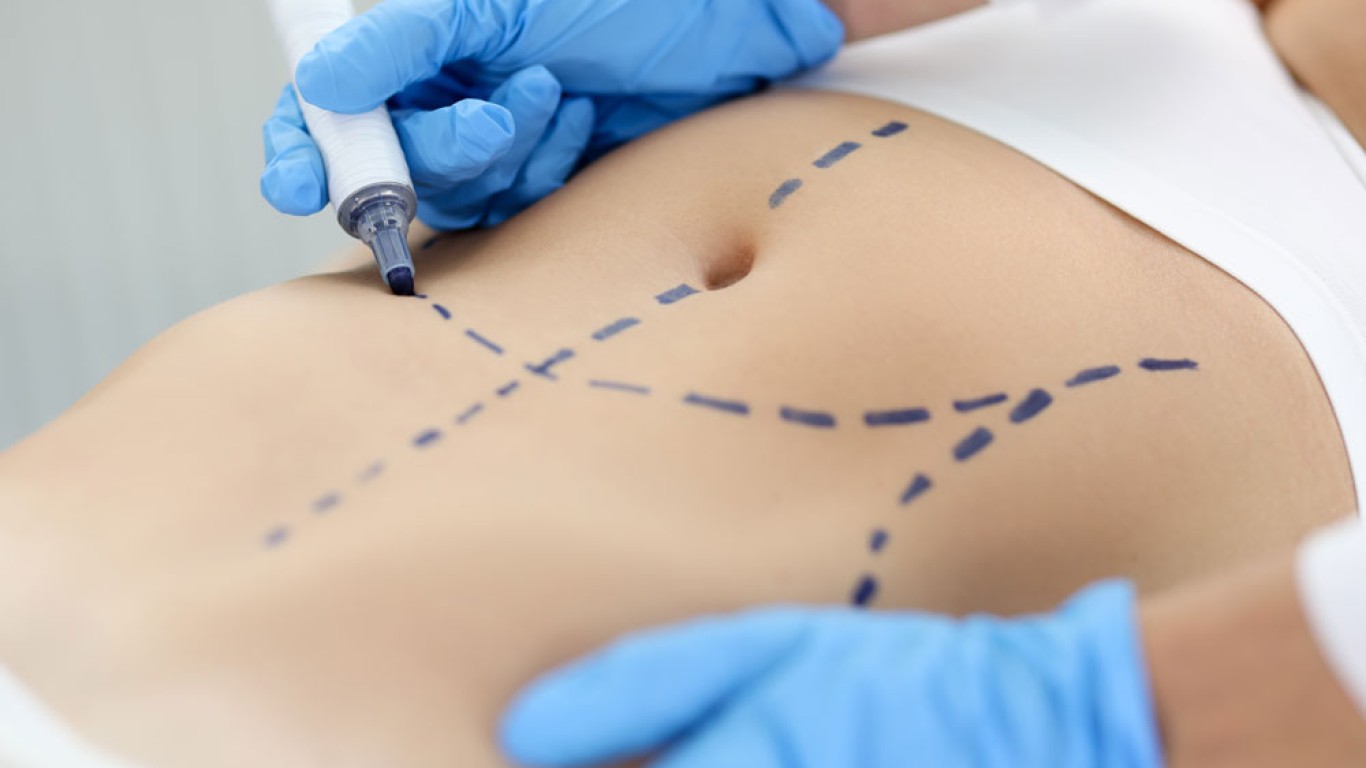
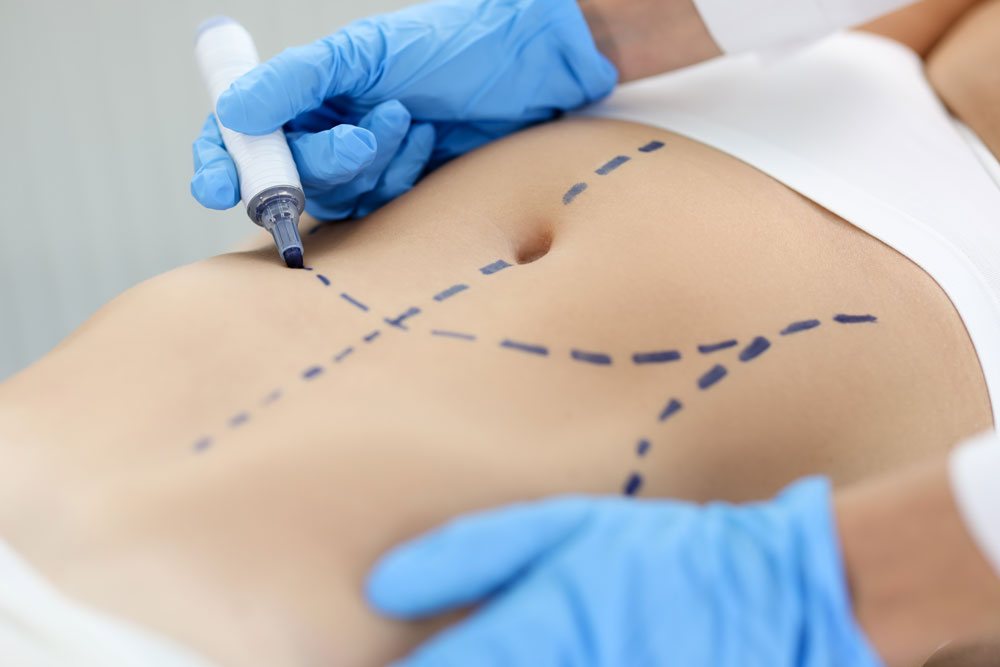
The surgical process is similar to a standard tummy tuck with additional lateral work. An extended tummy tuck begins with the incision running across the lower abdomen within the bikini line. The incision extends laterally beyond the hip bones toward the back. The extent depends on the degree of lateral excess. An extended tuck abdominal muscle repair follows the same technique as the standard procedure. Rectus muscles are sutured together at the midline. The waist narrows. The abdominal wall flattens. An extended tummy tuck skin removal includes the lateral tissue alongside the front.
The surgeon pulls the skin downward, removes the excess and closes the incision under appropriate tension. The flank contour improves alongside the abdominal contour. An extended tuck liposuction may be added to the flanks and back for additional contouring. The combination of skin removal and liposuction produces the smoothest overall result. The surgical time is approximately three to five hours. General anaesthesia is standard.
Extended Abdominoplasty: Recovery
Recovery is slightly longer than a standard tummy tuck. An extended tummy tuck recovery involves the same flexed position during the first week. A recliner or angled bed supports the abdomen. The compression garment covers the abdomen and flanks. An extended tuck recovery drains may remain for five to ten days. The lateral dissection produces additional fluid that drains must manage. The drains are removed when output reduces to an acceptable level. An extended tuck recovery allows most patients to return to desk work within two weeks. Light walking begins on day one. Full exercise resumes at eight to twelve weeks. An extended tuck recovery the additional lateral incision produces more discomfort during the first week than a standard procedure. The sides feel tight when twisting. This resolves as healing progresses. Most patients describe the recovery as manageable despite the additional surgical scope.
Extended Tummy Tuck: Scarring
The scar is longer than a standard tummy tuck. An extended tuck scar runs from the lower abdomen around to the flanks. It is positioned within the bikini line at the front. Laterally, it sits along the waistline. The scar is concealed by most underwear and swimwear. An extended tuck scar quality depends on surgical technique, genetics and aftercare. Silicone products applied from two to three weeks after surgery improve scar maturation. Sun protection prevents darkening. The scar fades significantly over twelve to eighteen months. An extended tuck scar is the trade-off for comprehensive contouring. Patients who need the extended approach must accept the longer scar. The improvement in body contour consistently outweighs the scarring concern for patients with significant lateral excess.
Conclusion
An extended tummy tuck addresses excess skin and fat on the abdomen, flanks and lower back through a longer incision that wraps around the sides. It is needed when lateral excess extends beyond what a standard tummy tuck can reach. Post-weight-loss and post-bariatric patients most commonly require the extended approach. The procedure includes muscle repair, skin removal and optional liposuction. Recovery is slightly longer than standard abdominoplasty. Scarring extends laterally but is concealed by clothing. Results are comprehensive and long lasting. Turkey offers tummy tuck at competitive pricing with experienced surgeons. However, patients should carefully assess surgeon qualifications, recovery arrangements and follow-up care before choosing their clinic.
For more information about tummy tucks and to book a consultation visit the ACIBADEM Beauty Center Aesthetics page.
Frequently Asked Questions
Standard addresses the front only. Extended wraps around the flanks for comprehensive lower torso contouring.
When excess skin extends around the sides and lower back, typically after significant weight loss.
Yes. It extends from the lower abdomen around to the flanks. It is concealed by most swimwear.
Five to eight weeks. Slightly longer than a standard tummy tuck. Desk work at two weeks.
Three thousand five hundred to five thousand five hundred pounds all-inclusive.