Ataşehir Mah. Feza Sk. No:3 İstanbul / Türkiye
 French
  English
  German
  Spanish
Introduction
LASIK is one of the most effective vision correction procedures available. It produces excellent results for the vast majority of patients. However, some individuals may experience changes in their vision after the initial procedure. This raises an important question that many patients ask. Can a person get LASIK twice to restore optimal clarity? The answer is yes in many cases, provided certain clinical criteria are met. Understanding when and why a second procedure may be needed helps patients approach the possibility with confidence. This article explains the circumstances that may warrant retreatment. Learn what determines whether a patient can safely get LASIK twice.
Why Some Patients Consider Getting LASIK Twice
Several reasons may lead patients to consider getting LASIK twice. The most common is regression. This is where the cornea gradually shifts back toward its original shape over time. This can cause a partial return of the refractive error. Under-correction from the initial procedure is another reason. The laser may have removed slightly less tissue than needed. Natural age-related changes in the eye may also affect vision years after the original surgery. Patients typically seek retreatment to refine their visuals rather than because the original procedure failed. Enhancement surgery addresses these residual or developing issues.
What Determines Whether You Can Get LASIK Twice
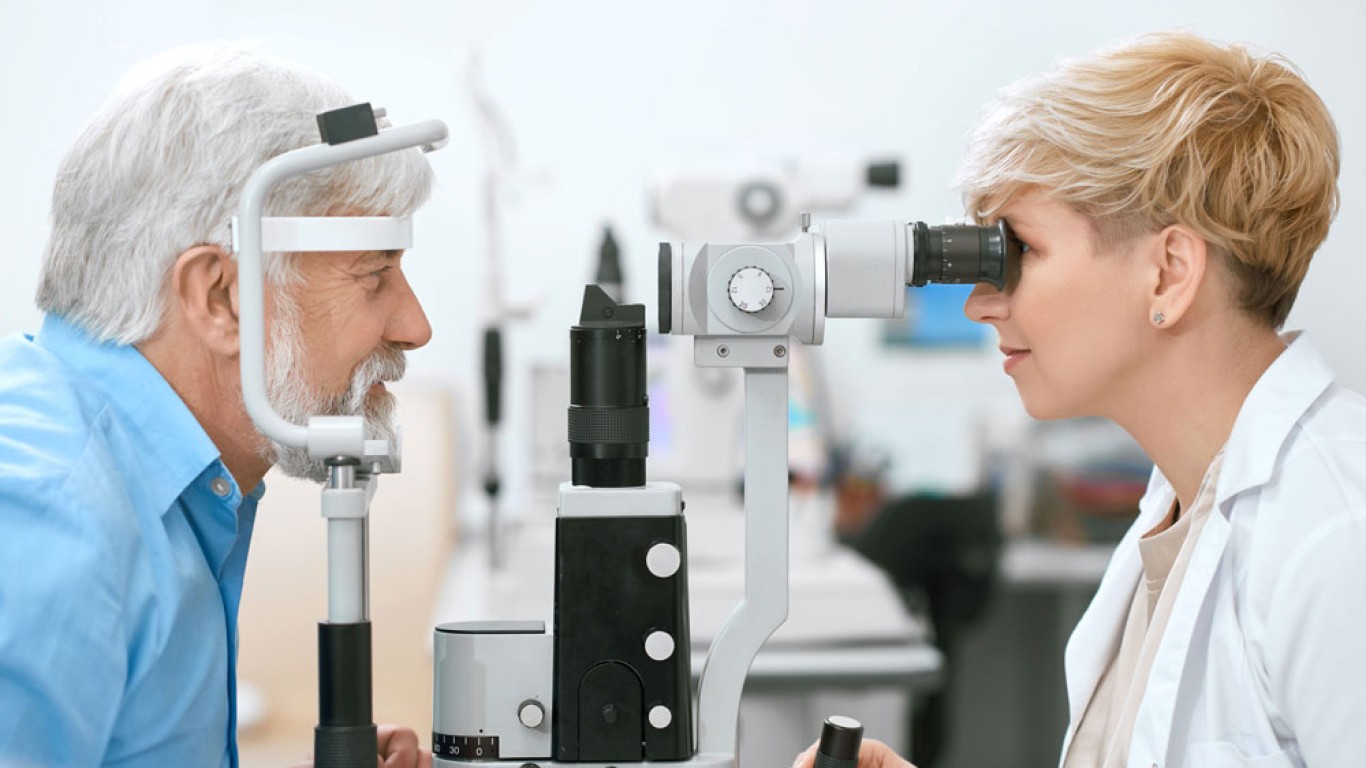
Not every patient is eligible for a second procedure. Several factors determine whether it is safe to get LASIK twice. Corneal thickness is the most important consideration. The initial procedure removes corneal tissue to reshape the eye. Sufficient remaining tissue must be available for safe retreatment. A comprehensive eye examination measures the residual corneal thickness precisely. Stable vision is also required before retreatment. Surgeons typically wait at least three to six months after the initial procedure. Retreatment candidates must meet the same clinical criteria as first-time candidates including good eye health.
Corneal Thickness and Retreatment Eligibility
Corneal thickness is the key factor in determining eligibility for retreatment. The initial LASIK procedure removes a precise amount of corneal tissue. A minimum residual thickness must be maintained for structural safety. The cornea can sometimes be too thin after the first procedure. In this case, a second laser treatment may not be advisable. Diagnostic tools measure corneal thickness with micrometre precision. Patients who had higher initial prescriptions may have less tissue remaining. Those with sufficient corneal reserves typically achieve excellent outcomes. Pachymetry and corneal topography provide the detailed measurements needed for this assessment.
The Enhancement Procedure
When a patient is eligible to get LASIK twice, the enhancement procedure follows a similar process to the original surgery. In many cases, the existing corneal flap from the first procedure can be lifted. This solution is instead of creating a new one. This is typically possible within the first few years after initial surgery. The excimer laser then reshapes the underlying corneal tissue to refine the correction. The flap is repositioned and heals naturally. If too much time has passed since the original procedure, a new flap or a surface ablation technique such as PRK may be used instead. The enhancement is usually quicker than the original procedure.

Recovery After Getting LASIK Twice
Recovery after a second LASIK procedure is generally similar to the first experience. Most patients notice improved vision within twenty-four to forty-eight hours. Mild dryness and light sensitivity may occur during the first few days. Eye drops are prescribed to support healing and comfort. Retreatment patients typically report a smooth and comfortable recovery. Follow-up appointments monitor healing progress and visual acuity. Most individuals return to work within one to two days. Avoiding rubbing and wearing protective eyewear during sleep supports the healing flap during initial recovery. Maintaining screen breaks and limiting eye strain during the first few days also supports healing.
Success Rates for LASIK Twice
Enhancement procedures have high success rates when patients are carefully selected. Studies show that the vast majority of retreatment patients achieve their desired visual outcome. The precision of modern excimer lasers supports accurate correction during retreatment. Success depends on the reason for enhancement and the amount of correction needed. Small refinements tend to produce very predictable results. Patients with adequate corneal thickness and stable prescriptions are the strongest candidates. The combination of advanced technology and experienced surgical planning supports excellent outcomes. In particular for eligible patients who get LASIK a second time. Regular follow-up assessments help confirm stability and ensure long-term visual clarity after retreatment.
Timing for Enhancement Surgery
Timing is an important consideration for enhancement surgery. Most surgeons recommend waiting at least three to six months after the initial procedure. This allows the cornea to stabilise and the final refractive outcome to become clear. Some patients experience gradual improvement over the first three months. Rushing to retreatment before stabilisation may lead to over-correction. Some patients notice vision changes years after their original surgery. These people can still be assessed for retreatment. There is no strict upper time limit on retreatment. This is provided clinical criteria are met and sufficient corneal tissue remains.
Alternatives If Retreatment Is Not Suitable
Some patients may not be eligible to get LASIK twice due to insufficient corneal thickness. In these cases, alternative procedures are available. Surface ablation techniques such as PRK reshape the cornea without creating a flap. This requires less tissue and may be suitable where LASIK retreatment is not possible. Implantable contact lenses offer another option for patients with higher residual prescriptions. Refractive lens exchange replaces the natural lens with a corrective intraocular lens. These alternatives ensure that vision correction options remain available. Even when getting LASIK a second time is not clinically advisable.
Questions to Ask During Consultation
Patients considering whether to get LASIK twice should discuss several important points during their consultation. Key questions include whether corneal thickness is sufficient for safe retreatment. Patients should ask about the expected degree of improvement from enhancement surgery. Understanding the risks specific to retreatment helps informed decision-making. Asking about the surgeon's experience with enhancement procedures provides useful insight. Discussing the expected recovery timeline helps patients plan appropriately. A thorough consultation covering these topics ensures that retreatment patients do so with clear expectations and confidence in their decision.
Patient Experiences with LASIK Twice
Many patients who get LASIK twice report positive experiences with their enhancement procedure. The process feels familiar, which reduces anxiety. Recovery is typically smooth, and patients appreciate the improved visual clarity achieved through retreatment. Knowing that enhancement is an option provides reassurance for patients considering initial LASIK surgery. The availability of retreatment means that minor residual errors can be corrected precisely. Patient satisfaction rates for enhancement procedures are consistently high across clinical studies. Most individuals describe their retreatment as straightforward and worthwhile.
The Importance of Choosing an Experienced Surgeon
Selecting an experienced surgeon is essential when considering whether to get LASIK twice. Enhancement procedures require detailed understanding of post-LASIK corneal anatomy. Surgeons who regularly perform retreatments have the expertise to assess eligibility accurately. They understand how previously treated corneas respond to additional reshaping. Reviewing the surgeon's experience with enhancement cases provides important insight. Patients should feel confident in their surgeon's ability. Experienced surgeons can manage the unique considerations of a second procedure. Experienced practitioners deliver the most predictable and reliable outcomes.
Conclusion
Many patients can safely get LASIK twice to refine their visual outcome. Retreatment is appropriate for regression, under-correction or age-related vision changes. Corneal thickness is the primary factor determining eligibility. The enhancement procedure is similar to the original surgery with a typically smooth recovery. Success rates are high for carefully selected patients. Alternatives are available for those who do not qualify for retreatment. Professional consultation ensures personalised assessment and informed decision-making.
For more information and to book a consultation visit the ACIBADEM Beauty Center Laser Eye Surgery page.
Frequently Asked Questions
Yes, many patients can safely undergo a second procedure.
Corneal thickness and stable vision are the key factors.
Most surgeons recommend waiting at least three to six months.
Recovery is generally similar to the first procedure.
Alternatives such as PRK or implantable lenses are available.