Ataşehir Mah. Feza Sk. No:3 İstanbul / Türkiye
 French
  English
  German
  Spanish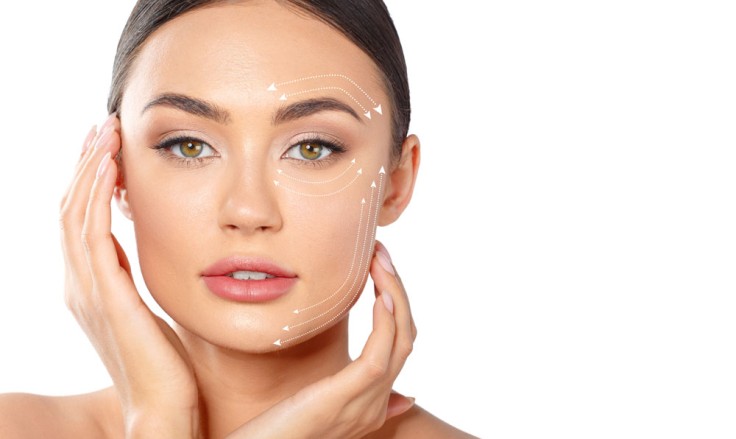
Introduction
Facial ageing involves more than surface wrinkles and fine lines. Beneath the skin, deeper structural changes gradually reshape the face over time. One of the most significant of these changes is tissue movement. As the body ages, fat pads, muscle layers and connective tissue shift downward due to gravity and structural weakening. This descent creates visible signs of ageing such as jowling, nasolabial folds and midface hollowing. Understanding how tissue movement contributes to ageing helps patients appreciate why treatments address change. These treatments produce more meaningful and longer-lasting results than surface-level approaches alone.
What Is Tissue Movement in Facial Ageing?
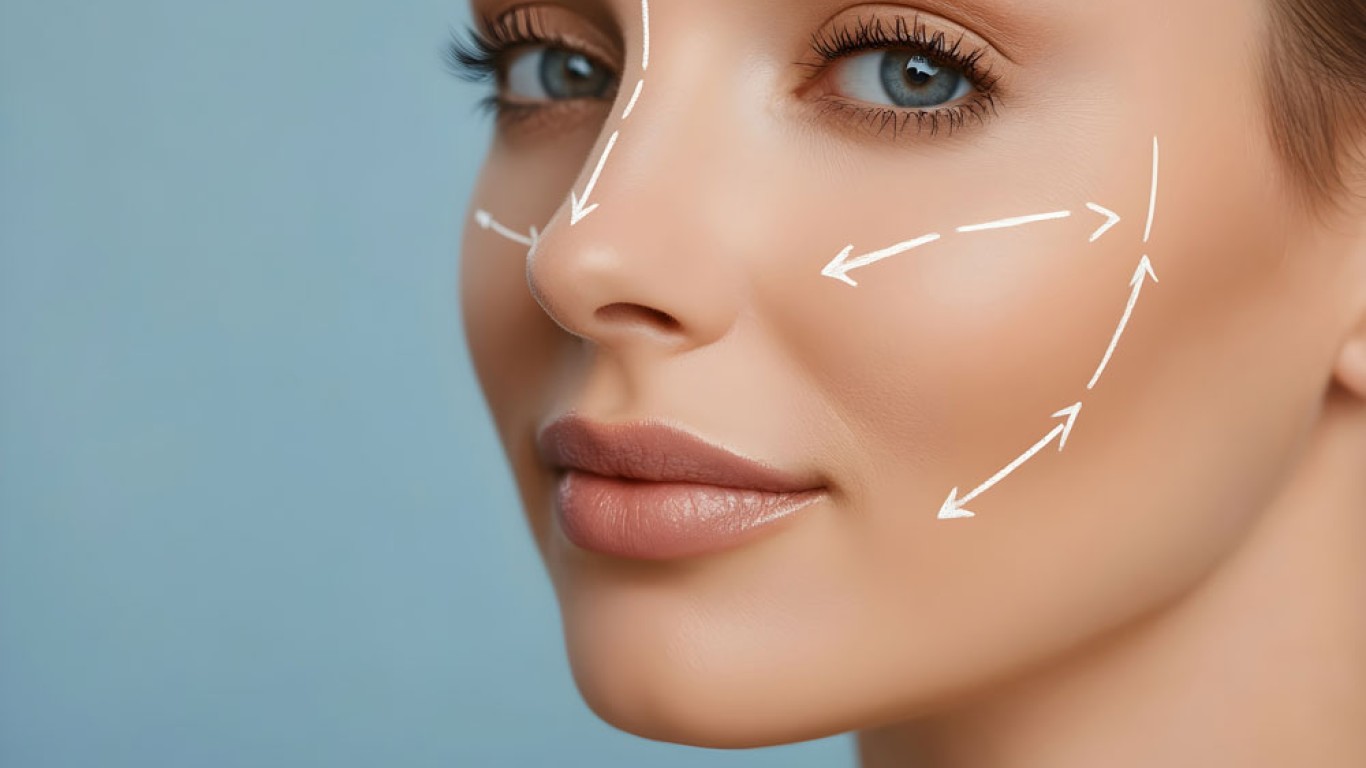
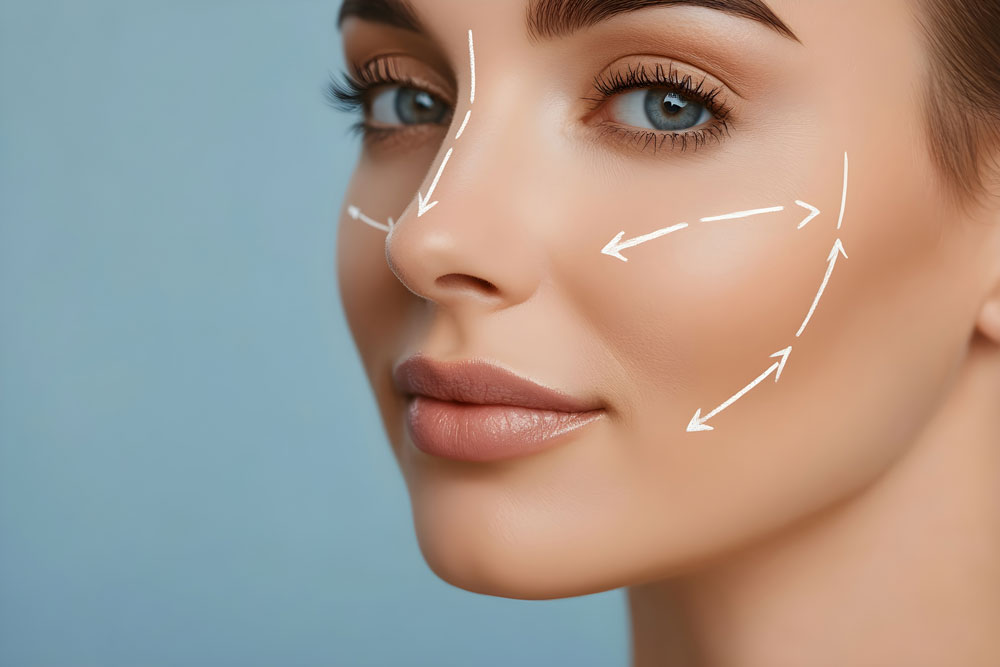
Tissue movement refers to the gradual descent and redistribution of facial structures over time. Fat pads that sit high on the cheeks in youth gradually migrate downward. Ligaments that anchor soft tissue to bone weaken with age, allowing structures to sag. The SMAS layer, a fibrous network beneath the skin, loses elasticity. These changes create predictable patterns. The midface flattens. The jawline loses definition. Nasolabial folds deepen as displaced volume accumulates around the lower face. These changes result from structural descent rather than skin quality alone. Addressing this requires treatments that reposition or support the deeper facial framework.
How Tissue Movement Creates Visible Ageing Signs
The visible signs of facial ageing correlate directly with underlying tissue movement patterns. Midface descent produces flattening of the cheeks and hollowing beneath the eyes. Fat that once provided youthful fullness in the upper cheeks migrates toward the nasolabial fold. Descent along the jawline creates jowling as soft tissue drops below the jaw bone. The transition between the chin and neck becomes less defined. Marionette lines form as tissue descends beside the mouth. Under-eye hollowing develops when the fat pad beneath the lower eyelid shifts position. Each of these visible changes traces back to structural changes beneath the skin surface.
Fat Pad Migration and Descent
Fat pads play a central role in structural descent during facial ageing. The face contains multiple distinct fat compartments arranged in layers. In youth, these compartments are full and positioned high, creating smooth and rounded contours. As ageing progresses, fat pads lose volume and shift downward. Malar fat descends from the cheeks. Migration of the buccal fat pad contributes to midface flattening. The jowl fat pad becomes more prominent as it accumulates along the lower jawline. Understanding fat pad behaviour helps specialists plan treatments that restore volume to depleted areas.
Ligament Weakening and Structural Descent
Retaining ligaments anchor facial soft tissue to the underlying bone. These ligaments maintain the position of fat pads and skin in youth. Over time, these structures weaken and stretch. This allows structural descent to accelerate. The zygomatic ligament supports the midface. When it weakens, the cheek descends. The mandibular ligament supports the jawline contour. Descent along the jaw becomes more pronounced as this ligament loses strength. Treatments addressing ligament laxity can slow the descent. Surgical approaches that re-anchor tissue to bone provide the most comprehensive correction of ligament-related descent.
Non-Surgical Treatments for Facial Descent
Several non-surgical approaches address the effects of tissue movement without incisions. Common options include:
- Dermal fillers restore areas depleted by fat pad descent, particularly the midface and temples.
- Thread lifts provide mechanical support by repositioning descended tissue using dissolvable sutures.
- Radiofrequency and ultrasound devices tighten the SMAS layer and stimulate collagen to improve structural support.
- Skin boosters and biostimulators improve skin quality, helping skin drape more smoothly over repositioned tissue.
- Botox relaxes muscles that contribute to downward pull on facial structures.
Non-surgical treatments suit patients with mild to moderate descent. Results are temporary and require maintenance.
Dermal Fillers for Structural Correction
Dermal fillers are the most popular treatments for addressing the visible effects of structural descent. Hyaluronic acid fillers restore volume to the midface, temples and jawline. Strategic placement creates a lifting effect by supporting structures that have descended. Filler in the cheeks can partially counteract the flatness caused by fat pad migration. Jawline filler restores definition lost to jowling. Correction with fillers produces immediate visible improvement. Results typically last twelve to eighteen months. Repeat treatments maintain the restored contour. Filler placement should follow anatomical descent patterns rather than adding volume indiscriminately.
Thread Lifts for Facial Repositioning
Thread lifts address structural descent by physically repositioning descended soft tissue. Dissolvable sutures with barbs or cones are inserted beneath the skin. These threads grip the tissue and draw it upward. Repositioned tissue is held in its elevated position as the threads dissolve over several months. Collagen stimulation around the threads provides some lasting structural support. Thread lifts suit patients with mild to moderate descent who want a non-surgical lifting effect. Results last approximately twelve to eighteen months. The procedure involves minimal downtime. Thread lifts do not replace surgery for patients with significant sagging.
Surgical Treatments for Structural Descent
Facelift surgery provides the most comprehensive treatment for significant tissue movement. The procedure repositions the SMAS layer, tightens ligaments and removes excess skin. Deep plane facelifts address the structural layer directly, producing natural and long-lasting repositioning of descended tissue. Midface lifts target cheek descent specifically. Neck lifts address tissue movement below the jawline. Surgical correction produces results that last eight to twelve years depending on individual ageing patterns. Recovery takes two to four weeks. Surgery is recommended when non-surgical treatments can no longer produce adequate correction.
How Structural Descent Differs Across the Face
Different facial zones experience structural change at different rates and in different patterns. The midface is the first area to show descent, typically beginning in the late 30s-40s. Jawline follows as jowling develops through the forties and fifties. The neck shows tissue movement through platysmal banding and skin laxity. The temple area loses volume early. Descent around the eyes creates hollowing and hooding. Understanding these zone-specific patterns helps specialists develop targeted treatment plans. These address the most affected areas while maintaining overall facial balance and proportion.
Prevention and Early Intervention for Tissue Movement
While structural descent cannot be entirely prevented, early intervention can slow its visible progression. Consistent sun protection preserves collagen and elastin that support the facial framework. Skincare ingredients such as retinoids and peptides support collagen production. Maintaining stable body weight prevents fluctuations that accelerate fat pad changes. Non-surgical treatments started in the early stages of descent can delay the need for more invasive procedures. Biostimulatory treatments build support before significant descent occurs. A proactive approach addresses structural change incrementally. This is rather than waiting for advanced changes that require surgical correction.
Combining Treatments for Comprehensive Tissue Movement Results
The most effective approach to tissue movement often combines multiple treatments. Fillers restore volume. Thread lifts reposition descended structures. Energy-based devices tighten the supporting layers. Skincare maintains surface quality. Surgical correction addresses advanced structural descent that non-surgical methods cannot fully resolve. Structural change affects multiple facial layers simultaneously. A layered treatment strategy addresses each component. Combining approaches produces more harmonious and natural results than any single treatment alone. Treatment planning should consider the full picture of structural descent across all facial zones. Rather than just addressing concerns in isolation.
Consultation and Tissue Movement Assessment
Professional assessment is essential for developing an effective treatment plan for tissue movement. Specialists evaluate fat pad position, ligament laxity, skin quality and bone structure. The degree and pattern of descent vary between individuals. Assessment identifies which facial layers are most affected. This guides treatment selection toward the most appropriate combination of approaches. Digital imaging may demonstrate the relationship between deep structural change and visible surface ageing. Open communication during consultation helps. This helps understand why addressing structural change produces better results than treating surface symptoms alone.
Conclusion
Structural tissue movement is a fundamental driver of facial ageing. This affects fat pads, ligaments and the SMAS layer. Understanding how these structures shift over time explains why visible changes such as jowling, midface flattening and nasolabial folds develop. Non-surgical treatments including fillers, threads and energy devices address mild to moderate descent. Surgical correction provides comprehensive repositioning for advanced tissue movement. Combining approaches produces the most balanced results. Professional consultation ensures personalised planning based on individual anatomy and the specific pattern of structural change.
For more information on how to combat facial ageing visit the ACIBADEM Beauty Center Aesthetics webpage.
Frequently Asked Questions
It is the gradual descent of fat pads, ligaments and soft tissue structures over time.
Yes, fillers, threads and energy devices address mild to moderate descent.
Midface descent typically becomes visible in the late thirties to early forties.
Facelift results typically last eight to twelve years.
It cannot be stopped entirely, but early intervention slows visible progression.