Ataşehir Mah. Feza Sk. No:3 İstanbul / Türkiye
 English
  German
  Spanish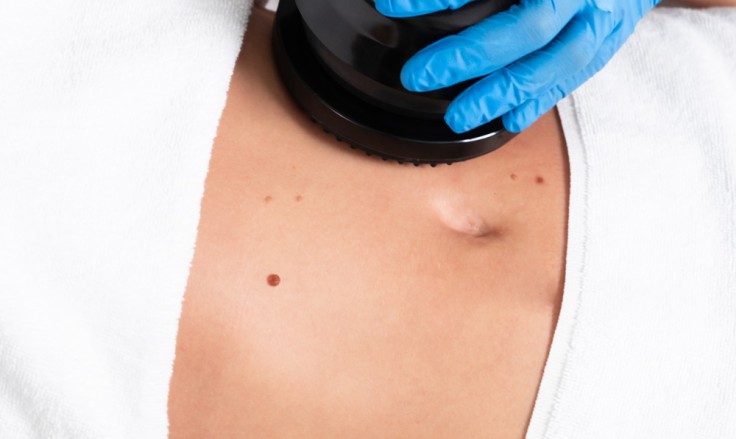
Introduction
Cellulite affects the majority of women at some point in their lives. It is a common and harmless skin condition. However, many patients find it a source of self-consciousness and want to improve its appearance. The market for cellulite reduction treatment is large. This means many options exist, ranging from highly effective clinical procedures to products with limited evidence. Understanding which treatments genuinely work helps patients invest their time and money wisely. This article explains how cellulite forms. It reviews the cellulite reduction treatment options with the strongest evidence in 2026. It covers how each works and what results are realistic. It also explains how to choose the right approach for individual concerns.
What Causes Cellulite and Why It Is Difficult to Treat
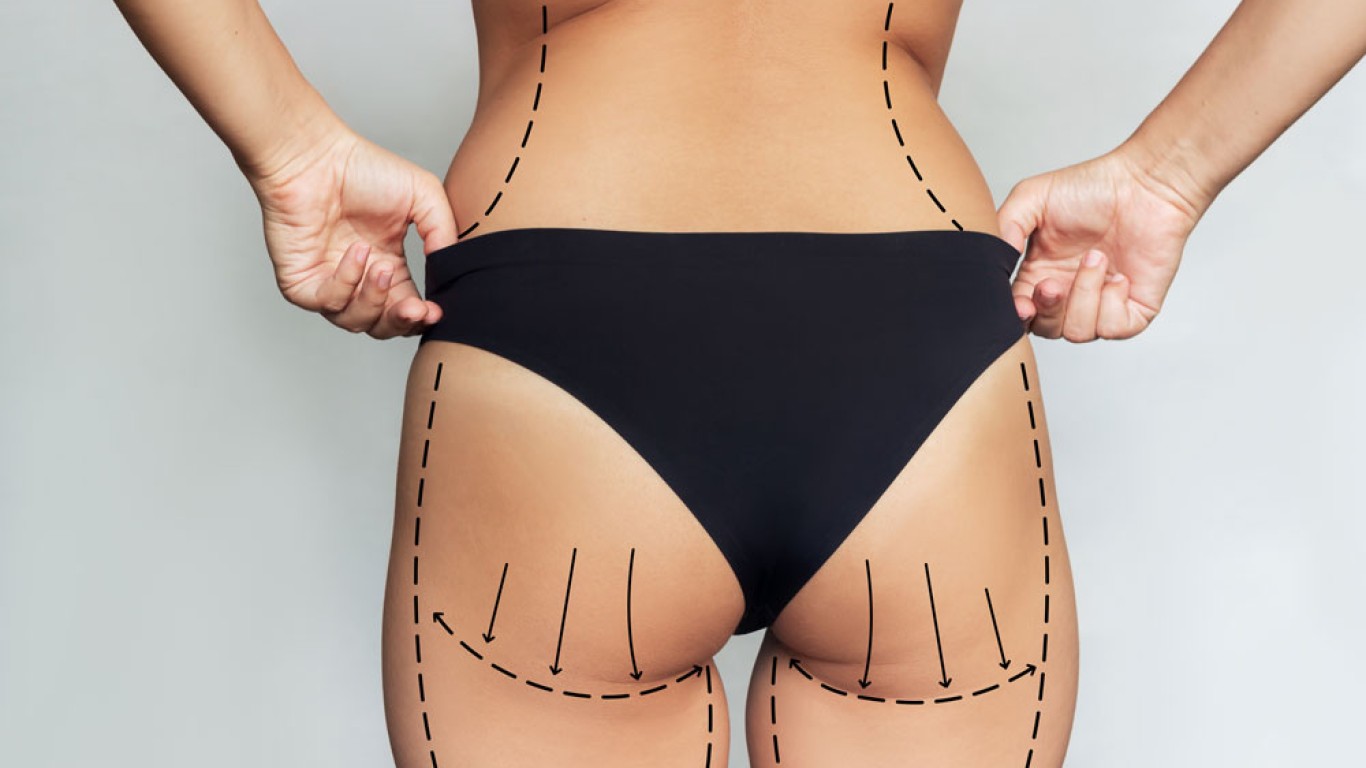
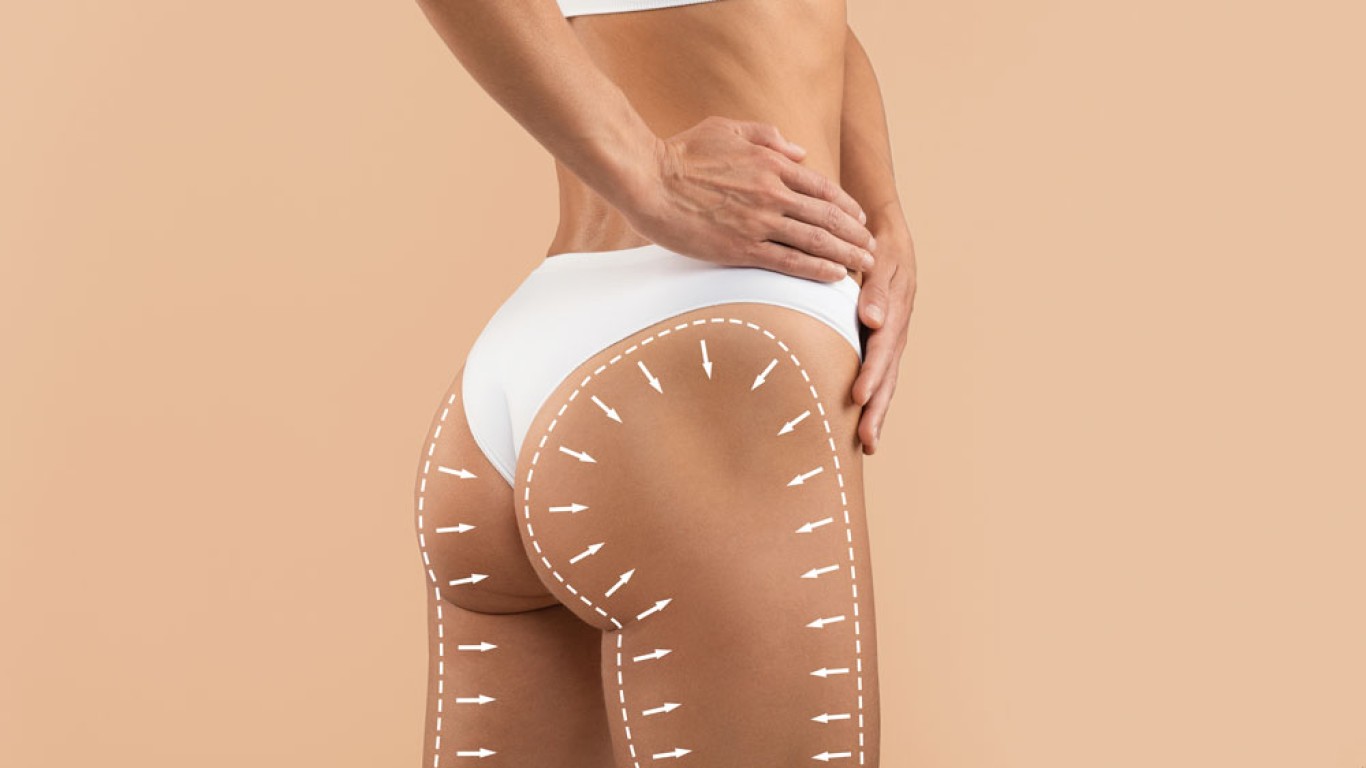
Cellulite forms when fat deposits push through the connective tissue beneath the skin. This creates the characteristic dimpled appearance on the thighs, buttocks and abdomen. Several factors contribute to its development. Hormonal changes affect the structure of connective tissue. Genetics play a significant role. Weight and body composition influence severity. Poor circulation reduces lymphatic drainage in affected areas. This is why cellulite is more common in women. Female connective tissue is structurally different from male tissue. Most topical creams provide minimal improvement because they cannot reach the structural causes. Effective cellulite reduction treatment must address the fibrous bands beneath the skin. It should also target fat deposits or the skin surface itself. The most successful treatments typically combine more than one of these approaches.
Radiofrequency as a Cellulite Reduction Treatment
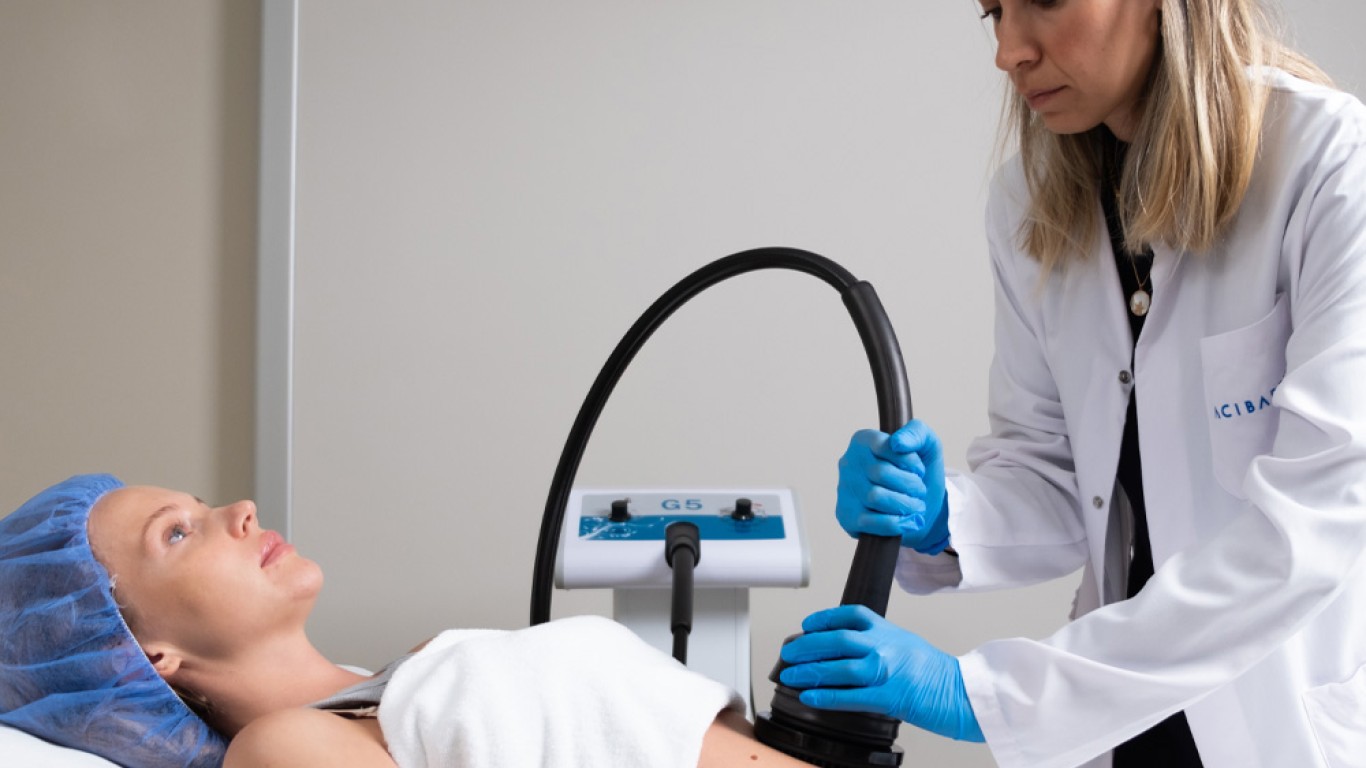
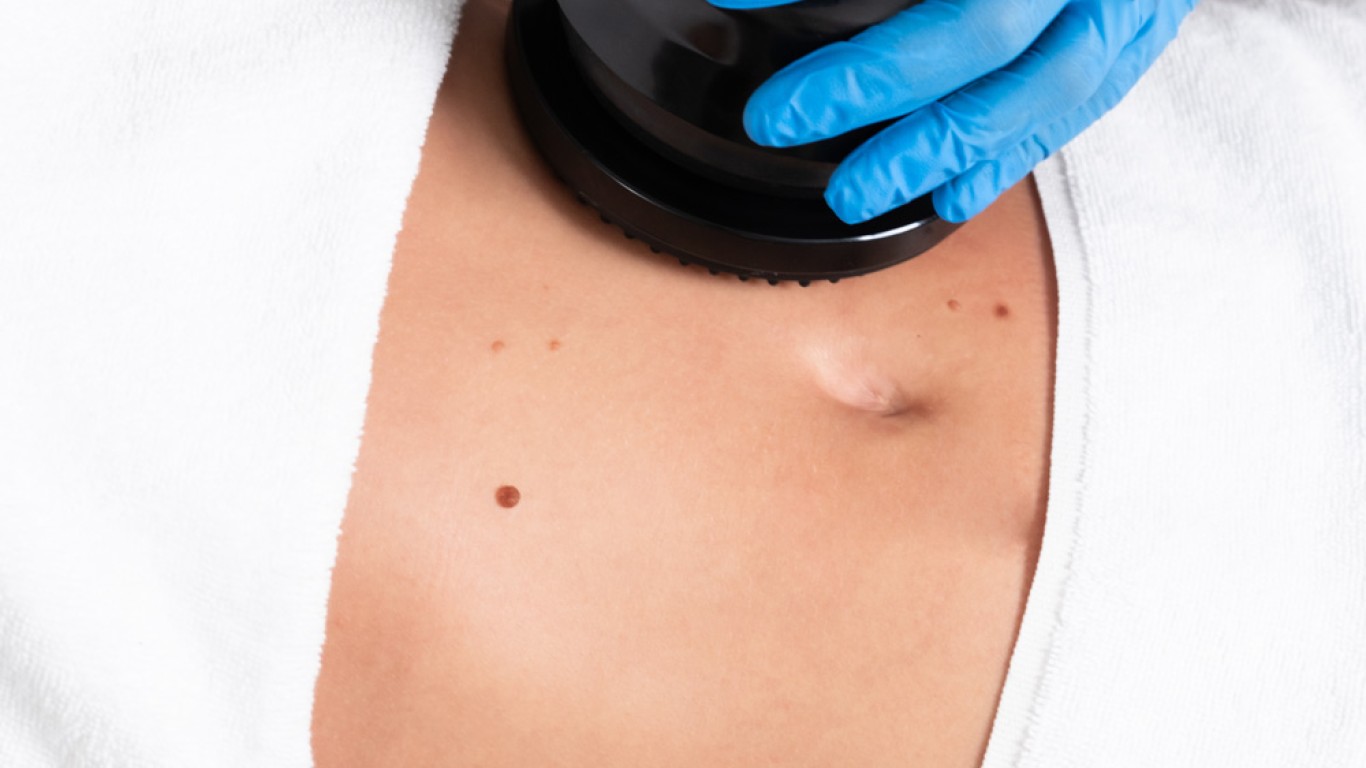
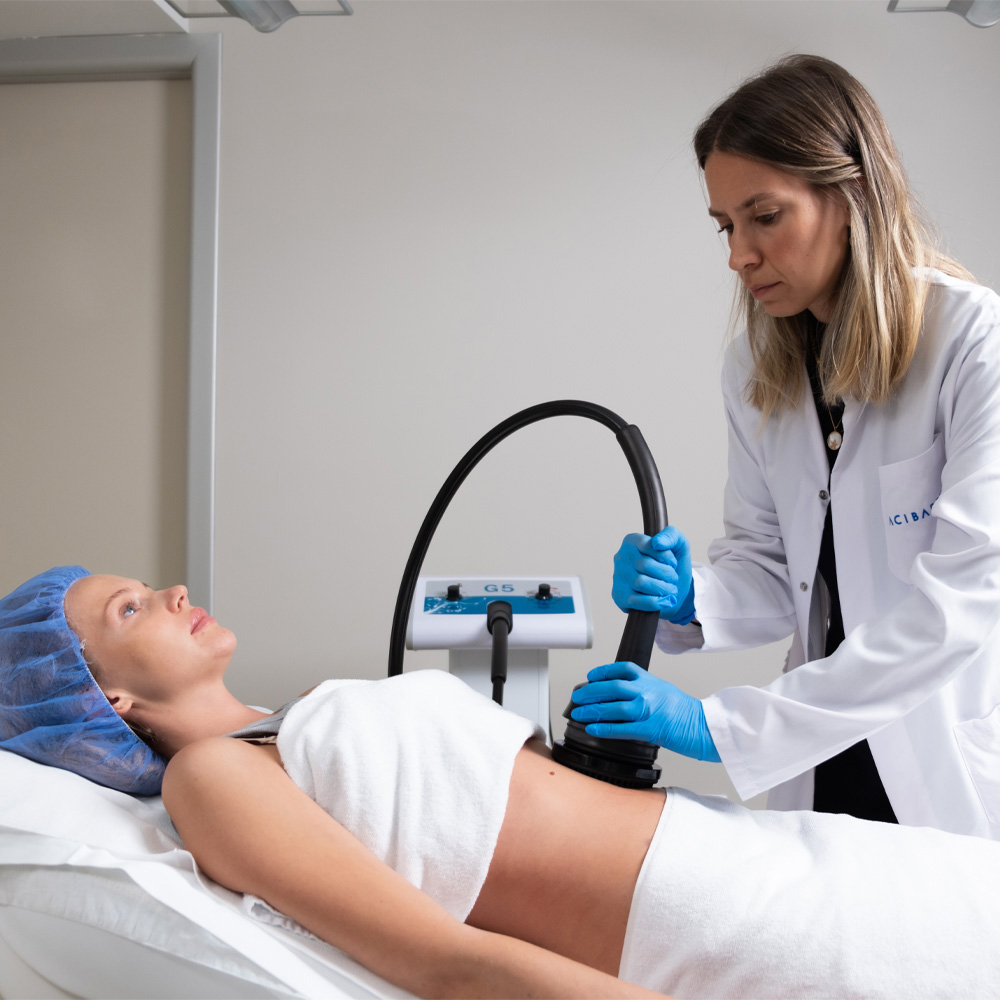
Radiofrequency is one of the most widely used and evidenced cellulite reduction treatments. It delivers heat energy into the skin and underlying tissue. This heat softens and remodels the fibrous septae that pull the skin downward. It also stimulates collagen production. The skin becomes firmer and the appearance of dimpling reduces. Vacuum-assisted radiofrequency devices combine suction with heat delivery. The suction lifts the tissue and improves circulation while the radiofrequency works beneath the surface. Devices such as Velashape use this combined approach. Multiple sessions are required. Six to ten sessions are typical. Results develop over the course of treatment. Maintenance sessions help sustain improvement over time. This cellulite reduction treatment suits all skin tones and is well tolerated by most patients.
HIFU and Ultrasound-Based Cellulite Reduction Treatment
High-intensity focused ultrasound targets deeper tissue layers than radiofrequency. It reaches the fat layer and fibrous septae more precisely. Heat is focused at a specific depth without affecting the skin surface. This makes it an effective cellulite reduction treatment for patients who want deep tissue remodelling. Acoustic wave therapy, also known as shockwave therapy, uses pressure waves rather than heat. These waves break down fibrous bands and stimulate collagen production. They also improve lymphatic drainage and microcirculation. Shockwave therapy has a good evidence base for cellulite improvement. It is comfortable and requires no anaesthesia. Most patients need six to twelve sessions. Combining shockwave therapy with radiofrequency often produces better results than either treatment alone.
Lymphatic Drainage and Body Contouring Treatments
Improving lymphatic circulation supports cellulite reduction treatment outcomes. Manual lymphatic drainage massage is a well-established technique. It uses specific gentle movements to stimulate lymph flow. This reduces fluid retention in affected areas. It also improves the circulation of nutrients and removal of waste products in the tissue. Pressotherapy uses inflatable garments to apply sequential pressure to the limbs. This mechanical approach mimics manual lymphatic drainage. It can be performed in a clinic or alongside other treatments. Pressotherapy is often combined with radiofrequency or laser procedures at Turkish clinics. Body contouring treatments using cryolipolysis target fat deposits beneath dimpled skin. Reducing the volume of fat in the area improves the surface appearance of cellulite over time.
Cellulite Reduction Treatment: What Actually Works
The most effective cellulite reduction treatment programmes combine several approaches. Radiofrequency combined with vacuum suction produces consistent improvement in most patients. Adding shockwave therapy addresses the fibrous bands more directly. Lymphatic drainage between sessions improves circulation and supports results. Maintaining a stable weight is important. Significant weight fluctuation after treatment can reduce or reverse gains. Regular exercise, particularly strength training in the lower body, improves muscle tone beneath the skin. This naturally improves the appearance of the surface. Staying well hydrated supports skin elasticity. No single treatment eliminates cellulite permanently. Ongoing maintenance sessions every three to six months sustain results. Patients with realistic expectations about improvement rather than elimination are most satisfied with their outcomes.
Cellulite Reduction Treatment in Turkey
Turkey offers a comprehensive range of cellulite reduction treatments at competitive prices. Accredited clinics in Istanbul provide radiofrequency, vacuum-assisted devices, shockwave therapy, pressotherapy and body contouring procedures. Combined treatment programmes are available at significantly lower prices than in the UK. A course of vacuum radiofrequency sessions typically costs £600 to £1,200 in Turkey. UK equivalents often cost two to three times more for a comparable course. Adding shockwave therapy is priced affordably within package deals. Many patients complete an intensive course in Istanbul and continue maintenance treatments locally. English-speaking practitioners and all-inclusive packages make planning simple. Combining cellulite reduction treatment with other body procedures maximises the value of the trip. Many patients add skin tightening or laser sessions at the same time. Personalised treatment plans are created according to cellulite severity and body composition. This helps optimise outcomes and improve overall patient satisfaction.
Managing Expectations from Cellulite Reduction Treatment
Managing expectations is an important part of any cellulite reduction treatment discussion. No treatment eliminates cellulite completely or permanently. The visible improvement from effective treatment is real and can be significant. Skin appears smoother and dimpling is less pronounced. Skin firmness improves. Patients describe feeling more confident in their skin after a course of treatment. These results are not permanent without maintenance. Weight changes, hormonal shifts and reduced muscle tone can allow cellulite to return or worsen. Understanding this from the outset leads to more realistic and satisfying outcomes. A practitioner who is honest about what treatment can achieve builds more trust. Patients who commit to maintenance sessions and lifestyle habits retain their results most effectively over time. Photographic comparisons during treatment also help patients appreciate gradual improvements more clearly.
Lifestyle Habits That Support Cellulite Reduction Treatment
Lifestyle habits play an important role alongside any cellulite reduction treatment course. Regular cardiovascular exercise improves circulation in the lower body. Good circulation supports lymphatic drainage and tissue oxygenation. Strength training builds muscle beneath the skin. This improves the overall surface appearance independently of any treatment. Staying well hydrated supports skin elasticity. Aim for at least two litres of water daily. A diet rich in antioxidants and lean protein supports tissue repair and collagen production. Reducing refined sugar and highly processed foods limits inflammation in the tissue. Dry body brushing before showering stimulates surface circulation and lymphatic flow. It is a simple habit that complements clinical treatments. Avoiding smoking is important as it damages collagen and impairs circulation significantly. These habits do not replace clinical treatment but they meaningfully extend and enhance the results achieved. Consistency with these habits often improves both treatment outcomes and long-term skin quality.
Conclusion
Cellulite reduction treatment that actually works in 2026 targets the structural causes beneath the skin. Radiofrequency combined with vacuum suction is one of the most effective and evidenced approaches. Shockwave therapy addresses fibrous bands effectively. Lymphatic drainage supports treatment outcomes. Combining multiple modalities produces the best results. No treatment eliminates cellulite permanently. Maintenance sessions and lifestyle habits sustain results. Turkey offers high-quality cellulite reduction treatment at significantly lower pricing than the UK. Accredited clinics use modern devices and design personalised treatment programmes. Professional consultation ensures the most appropriate plan for each individual patient. With realistic expectations and ongoing maintenance, patients can enjoy smoother and firmer-looking skin for longer periods.
For more information about cellulite reduction and to book a consultation visit the ACIBADEM Beauty Center Cellulite Treatment page.
Frequently Asked Questions
Most patients need six to ten sessions of radiofrequency. Shockwave therapy programmes typically run to six to twelve sessions depending on severity.
No treatment permanently eliminates cellulite. Results are sustained with maintenance sessions and lifestyle habits including exercise and stable body weight.
Yes. Strength training in the lower body improves muscle tone beneath the skin. Maintaining a stable weight prevents new fat from worsening existing cellulite.
A course of vacuum radiofrequency sessions typically costs £600 to £1,200 in Turkey. This is significantly lower than equivalent UK clinic pricing for a comparable course.
Radiofrequency combined with vacuum suction and shockwave therapy produces the best evidence-based results. Combining multiple approaches outperforms any single treatment.