Ataşehir Mah. Feza Sk. No:3 İstanbul / Türkiye
 English
Introduction
CO2 laser skin resurfacing addresses visible skin damage, wrinkles and uneven texture. Dermatologists have used carbon dioxide lasers for decades to improve damaged skin. The procedure removes controlled layers of skin and encourages fresh tissue formation. Additionally, collagen production can improve firmness and texture during subsequent healing. Patients often consider treatment for acne scars, sun damage and deeper lines. Modern fractional devices treat small sections while preserving surrounding tissue. Consequently, recovery may be shorter than traditional fully ablative treatments. However, the procedure still requires careful preparation and substantial aftercare. Understanding the procedure helps patients establish realistic expectations before booking.
How CO2 Laser Skin Resurfacing Works
CO2 laser skin resurfacing delivers concentrated laser energy into selected skin areas. Water within skin cells absorbs this energy, causing controlled tissue removal. The laser removes damaged surface layers while stimulating the body's healing response. Subsequently, fibroblasts produce collagen that supports skin structure and elasticity. This rebuilding process continues after the visible surface has healed. Fractional lasers create microscopic treatment columns separated by unaffected tissue. Traditional ablative lasers instead treat the complete surface within a selected area. Practitioners adjust treatment depth according to skin condition and treatment goals. Shallower settings may improve fine lines and superficial sun damage. Deeper settings can target pronounced wrinkles and certain acne scars. However, deeper treatment generally increases recovery requirements and potential complications. The effects develop progressively as collagen remodels. Patients should understand that individual results depend on anatomy and treatment intensity.
What CO2 Laser Skin Resurfacing Treats
CO2 laser skin resurfacing can improve several concerns affecting skin appearance and texture. These include facial wrinkles, selected acne scars, sun damage and uneven surfaces. Nevertheless, outcomes depend on the severity and underlying cause of each concern. The following table summarises common applications and possible improvements.
| Skin Concern | How CO2 Laser Addresses It | Expected Improvement |
| Deep wrinkles and lines | Removes damaged layers; stimulates deep collagen production | Significant smoothing; continued improvement over months |
| Acne scarring | Resurfaces scarred tissue; promotes new skin formation | Marked improvement in scar depth and texture |
| Sun damage and sunspots | Removes pigmented surface layers; reveals undamaged skin | Dramatically more even skin tone |
| Uneven skin texture | Removes rough, damaged surface; new skin grows smoother | Visibly smoother, refined skin surface |
| Skin laxity (mild to moderate) | Collagen contraction and new collagen formation tightens skin | Firmer, tighter skin in the treated areas |
| Enlarged pores | Collagen remodelling tightens skin around pore openings | Noticeably smaller-appearing pores |
Treatment may suit some fair and medium skin tones particularly well. However, darker skin tones can experience greater pigmentation risks. An experienced practitioner should assess individual skin characteristics before recommending treatment. Furthermore, certain pigmentation conditions may require alternative approaches.
Fractional Versus Traditional CO2 Laser Resurfacing
Understanding both approaches helps patients compare expected results and recovery requirements. Traditional ablative treatment removes tissue across the entire selected surface. This may provide substantial improvement following one intensive session. However, healing often requires two or three weeks of significant downtime. Risks include prolonged redness, infection, pigment changes and scarring. Fractional treatment creates separated microscopic treatment zones instead. Healthy surrounding tissue supports healing between treated areas. Consequently, initial recovery may take approximately five to ten days. Redness can persist beyond this period despite surface healing. Fractional treatment sometimes requires additional sessions for more extensive concerns. Practitioners select methods according to skin type, medical history and treatment goals.
Preparing for CO2 Laser Skin Resurfacing
Preparation begins with a detailed consultation and examination of the intended treatment area. The practitioner reviews skin tone, medications, previous procedures and relevant medical conditions. Patients should mention recurrent cold sores and previous pigmentation problems. Antiviral medication may be recommended when cold sore outbreaks are possible. Some patients receive a tailored skincare programme before treatment. However, preparation products must suit individual skin sensitivity and medical history. Patients should avoid tanning and excessive sun exposure before their appointment. The clinic will explain appropriate sun protection and preparation periods. Importantly, patients should never stop prescribed medication without medical advice. Certain medicines or supplements may require review before treatment. Smoking can impair healing, so practitioners may recommend stopping beforehand. Planning treatment also involves arranging time away from work. Patients should prepare suitable aftercare supplies and transport home.
What Happens During the Procedure?
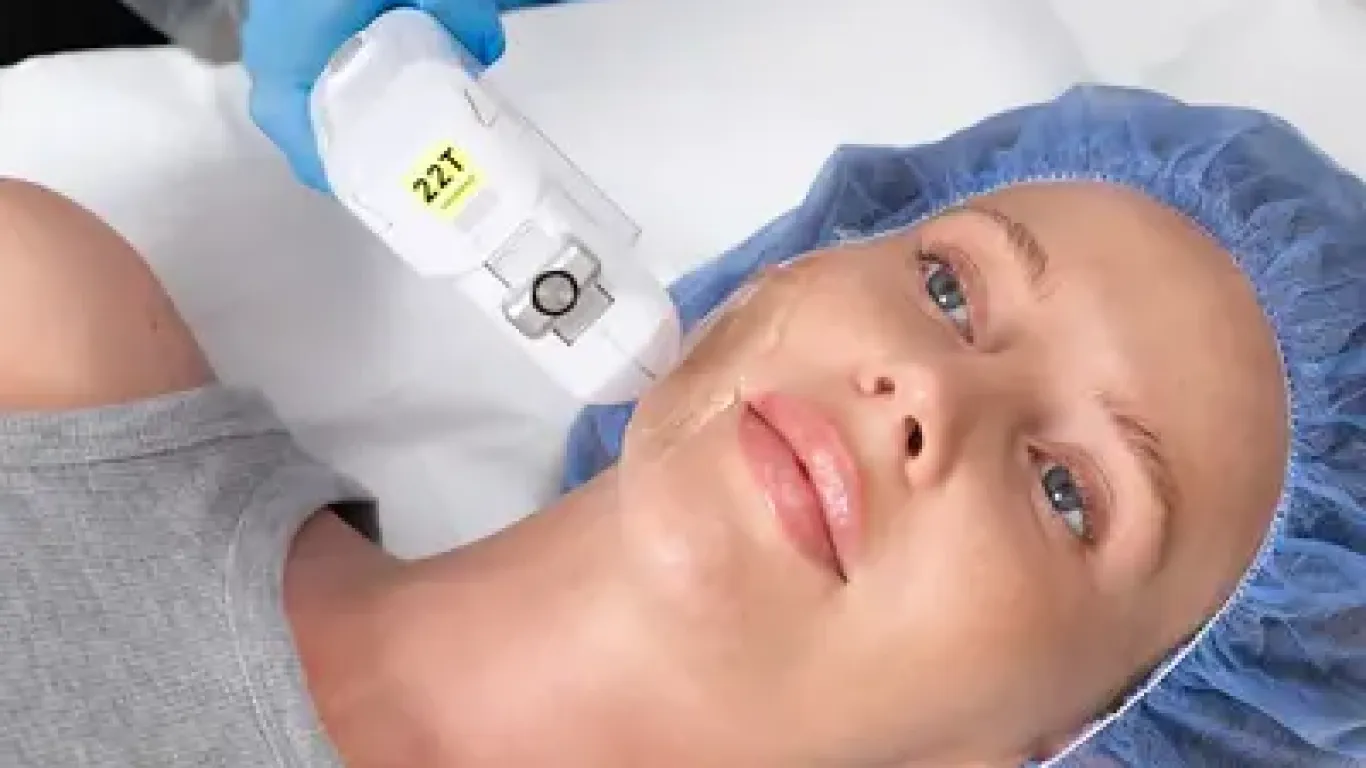
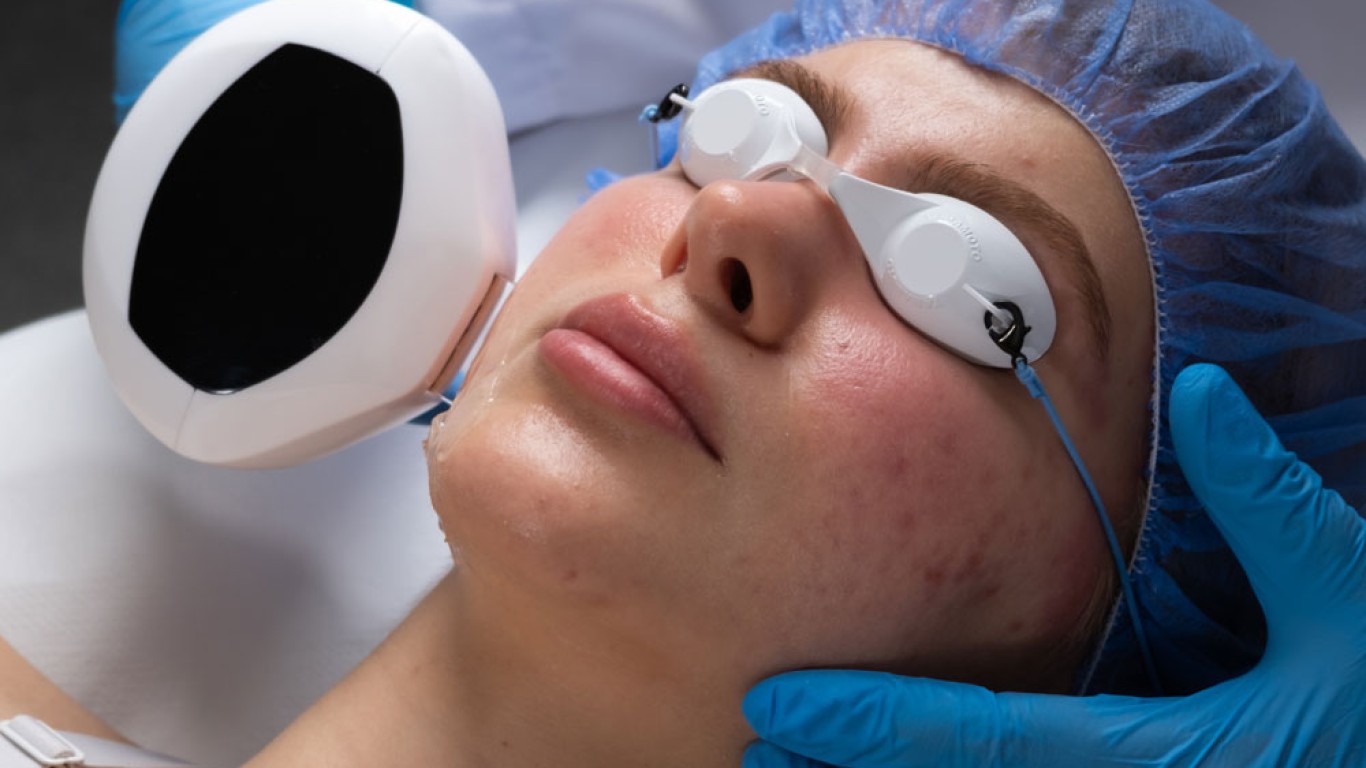
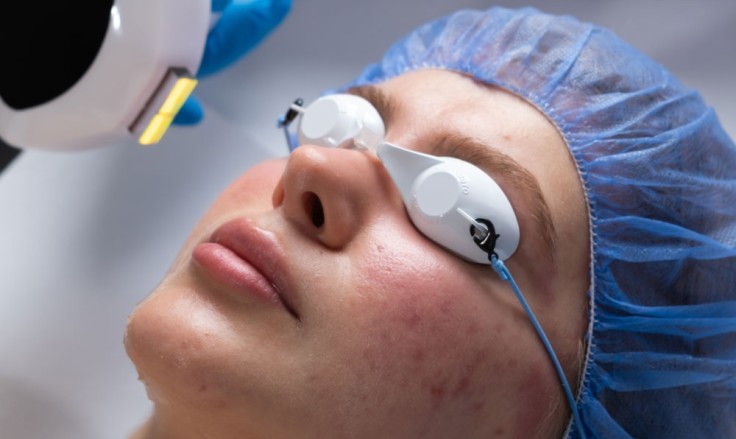
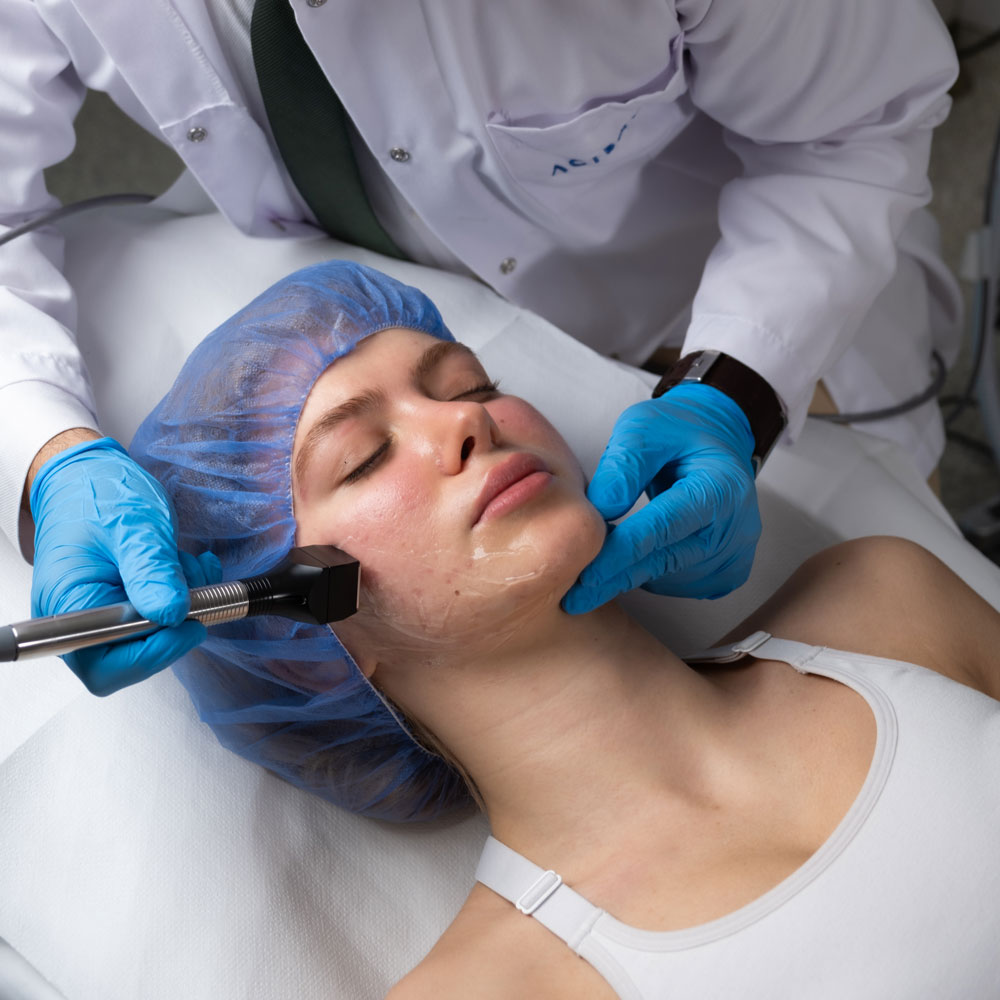
On treatment day, staff cleanse the skin and confirm the agreed treatment plan. A topical anaesthetic may be applied before laser treatment begins. Some procedures require local anaesthetic injections or additional pain control. The practitioner then adjusts laser settings for the treatment area's needs. Protective eyewear is essential throughout the procedure. During co2 laser skin resurfacing, patients may notice warmth or prickling sensations. Cooling measures can improve comfort while treatment progresses. Sessions commonly last between thirty and sixty minutes, depending on treatment extent. Afterwards, staff apply suitable protective ointment or wound dressings. Prescribed medication should be taken according to the clinical team's instructions. Before leaving, patients should understand their follow-up arrangements and emergency contact details.
Recovery Timeline After CO2 Laser Skin Resurfacing
Recovery after co2 laser skin resurfacing varies with treatment depth and individual healing. During the first days, redness, swelling and tenderness are common. Some treated areas may release clear fluid while healing begins. Patients should follow cleansing and ointment instructions carefully during this stage. Subsequently, crusting and peeling may develop as damaged tissue separates. Picking loose skin increases the risk of infection, scarring and pigmentation changes. New pink skin often becomes visible as the surface closes.
However, redness can remain noticeable for several weeks or longer. Many fractional patients resume some social activities after approximately seven to ten days. More intensive treatment may require considerably longer recovery. Makeup should only resume when the skin has healed sufficiently. Practitioners commonly recommend waiting until crusting and open areas resolve. Strict sun protection remains important throughout recovery and afterwards. Unexpected severe pain, spreading redness or worsening swelling requires prompt medical assessment. Patients should follow their own surgeon's guidance rather than relying solely on general timelines.
Conclusion
CO2 laser skin resurfacing can improve wrinkles, scarring and uneven skin texture. Fractional technology may shorten recovery compared with traditional fully ablative treatment. However, both approaches require patient selection and careful aftercare. Improvements often continue developing as collagen remodels during the following months. Patients should discuss skin tone, treatment goals and possible complications before proceeding. Professional assessment determines whether the procedure suits individual concerns. Ultimately, realistic expectations and consistent sun protection help support lasting results.
For more information about co2 laser skin resurfacing and to book a consultation visit the ACIBADEM Beauty Center webpage.
Frequently Asked Questions
Improvements can last several years with appropriate skincare and daily sun protection. However, natural ageing continues, and individual results vary.
Anaesthetic treatments help reduce discomfort during the procedure. Afterwards, patients may experience warmth, tenderness and temporary swelling.
Some patients achieve meaningful improvements after one session. Others require further treatment, depending on scarring and treatment intensity.
Darker skin tones carry increased risks of pigmentation changes. Specialist assessment helps determine whether alternatives would be safer.
Makeup may resume once the treated skin has fully closed and healed. Follow your practitioner's instructions rather than a fixed timetable.