Ataşehir Mah. Feza Sk. No:3 İstanbul / Türkiye
 French
  English
  German
  Spanish
Introduction
Many people want a better smile without lengthy or complex dental procedures. Even small imperfections can affect confidence more than expected. Chips, gaps or uneven edges often draw attention during conversations. And because smiles influence first impressions, minor flaws can feel significant. Composite bonding offers a simple and effective solution - it focuses on improving appearance while preserving natural tooth structure. Overall, understanding the procedure helps patients feel confident exploring cosmetic dental enhancements.
What Is Composite Bonding and How Does It Work?
Composite bonding is a cosmetic dental treatment using a tooth-coloured resin material. The resin is applied directly to the tooth surface. Dentists then shape the material carefully to enhance appearance. A curing light hardens the resin quickly. Because the process is controlled, results look natural and smooth. The result blends seamlessly with surrounding teeth. Additionally, preparation is typically minimal.
Why Composite Bonding Is Popular for Smile Enhancements
Composite bonding is popular because it delivers noticeable results quickly. At the same time, many treatments are completed within a single visit. The procedure is minimally invasive, so your natural enamel remains intact. Additionally, bonding is highly versatile, addressing several cosmetic concerns at once. Overall, convenience and subtle transformation make it appealing.
Common Smile Concerns Treated With Composite Bonding
Composite bonding treats a wide range of minor smile concerns. Small chips can be repaired smoothly, and gaps between teeth may be closed discreetly. Uneven edges can be reshaped for balance. Additionally, minor discolouration can be concealed effectively. The resin is colour matched, which means that results appear cohesive. This solution is especially effective on front teeth. This makes it ideal for visible smile upgrades.
How Tooth Shape Influences Composite Bonding Results
Tooth shape strongly affects the outcome of composite bonding. Dentists assess proportions before applying resin - length, width and curvature all influence overall harmony. Balance matters, which means that changes should remain conservative. It enhances natural contours rather than replacing them - this prevents bulky or artificial results. When shaped correctly, bonded teeth blend naturally. Careful planning supports pleasing aesthetics.

The Importance of Colour Matching
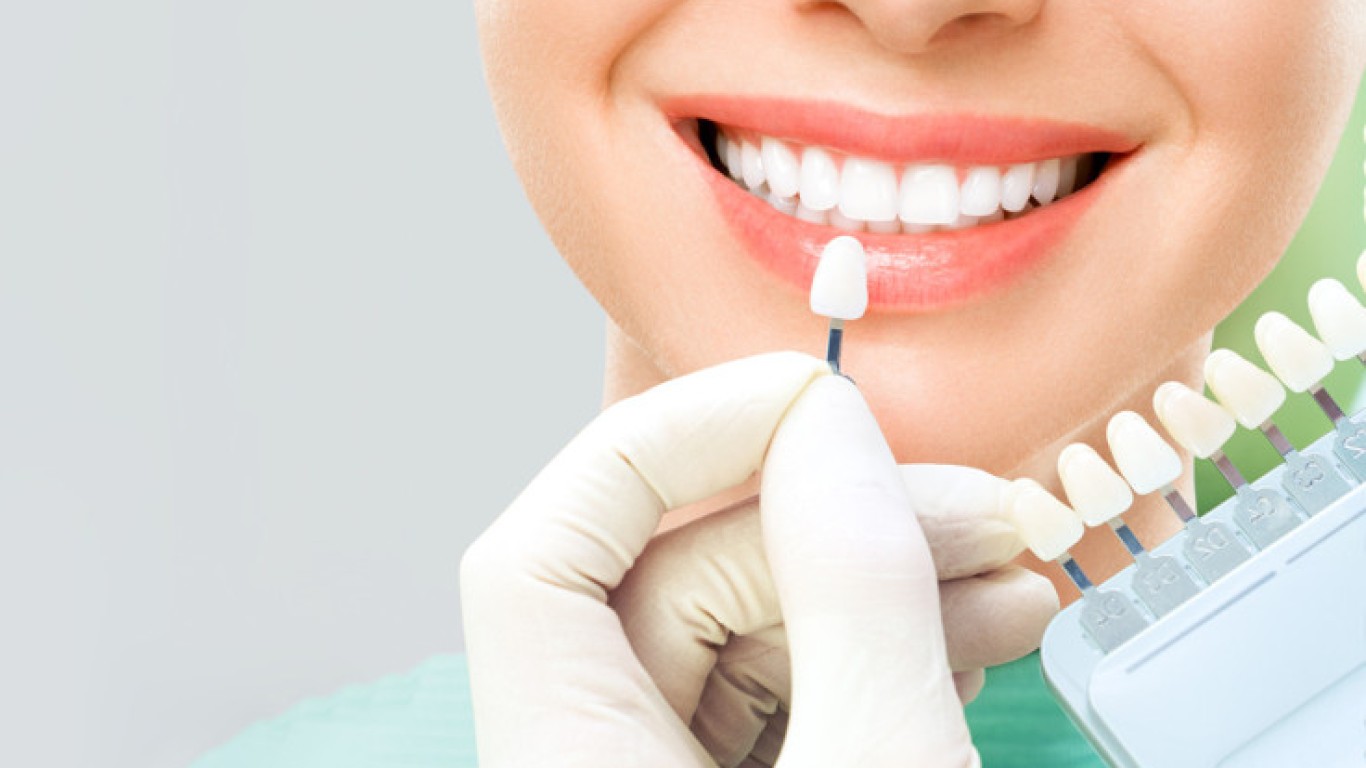
Colour matching is critical for successful composite bonding. Natural teeth contain layered tones and translucency, and dentists select resin shades under suitable lighting conditions. And because small mismatches are noticeable, precision matters. Materials allow subtle colour adjustments which ensures a seamless blend with surrounding teeth. Accurate shade selection improves realism and satisfaction.
Surface Texture and Finish in Composite Bonding
Surface texture affects how composite bonding reflects light. Natural enamel isn’t perfectly smooth so subtle texture creates realistic light dispersion. Dentists make sure to polish bonded areas carefully. Because finish quality influences appearance, attention to detail is essential. A smooth yet natural surface enhances longevity, and well-finished results look refined and lifelike.
Composite Bonding Compared With Veneers and Crowns
The procedure differs significantly from veneers and crowns.
- Veneers require enamel removal and laboratory fabrication.
- Crowns cover the entire tooth structure.
- In contrast, bonding preserves natural enamel.
Because bonding is often reversible, flexibility remains high. Treatment time is also shorter. It suits patients seeking subtle improvements rather than dramatic changes - the choice depends on goals and expectations.
What to Expect During Your Appointment
- An appointment begins with consultation and assessment.
- Dentists discuss goals and desired outcomes.
- The tooth surface is cleaned and prepared gently.
- Resin is applied in thin layers.
- Each layer is shaped and cured carefully.
- Final polishing enhances smoothness and shine.
- Patients leave with immediate results.
How Long Composite Bonding Results Can Last
Composite bonding results can last several years with proper care, but it ultimately depends on habits and oral hygiene routines. Avoiding excessive pressure also helps preserve results. Regular dental visits support maintenance. Although occasional touch-ups may be needed, upkeep is simple. Many patients enjoy long-lasting improvements.
Caring for Your Teeth After Composite Bonding
After the procedure, maintaining oral hygiene is hugely important. Brushing and flossing daily helps protect bonded areas, and dentists may recommend avoiding biting hard objects. Regular professional cleanings can help maintain brightness. With good care, composite bonding retains its appearance.
Who Is a Good Candidate for Composite Bonding?
The procedure suits people with minor cosmetic dental concerns; patients with healthy teeth and gums benefit most. Because bonding is relatively conservative, enamel preservation is the key. Those seeking quick enhancements often choose this treatment. During consultation, dentists assess suitability carefully. This procedure isn’t intended for major structural changes.
How Composite Bonding Enhances Confidence and Daily Expression
An improved smile can significantly influence confidence. This procedure often encourages people to smile more freely. Results look natural, so changes feel more comfortable. At the same time, improved tooth shape enhances facial expression subtly. Many patients feel less self-conscious socially. Confidence grows gradually through everyday interactions.
Composite Bonding as Part of a Wider Smile Plan
Composite bonding can complement other dental treatments effectively, and may be combined with whitening for enhanced results. Bonding is highly adaptable, so it fits with a lot of personalised plans. Dentists often use bonding for finishing touches - this allows refined improvements without extensive treatment. This procedure supports gradual smile enhancement.
Conclusion
Composite bonding provides a simple and effective means of upgrading your smile. It enhances shape, colour and balance without invasive procedures. With careful design and colour matching, results appear natural and refined. The procedure remains a popular choice for subtle cosmetic improvement.
If you’re interested in speaking to someone about composite bonding, visit the ACIBADEM Beauty Center dental treatments page.
Frequently Asked Questions
Composite bonding improves chips, gaps, uneven edges and minor discolouration on visible teeth.
Most treatments are completed within a single dental appointment.
Yes, composite bonding is shaped and colour matched to blend with natural teeth.
In many cases, it can be adjusted or removed without damaging enamel.
Yes, it often helps people feel more confident when smiling and speaking.