Ataşehir Mah. Feza Sk. No:3 İstanbul / Türkiye
 French
  English
  German
  Spanish
Introduction
People wanting a smoother, more polished smile often compare composite bonding or veneers. Both options refine tooth shape and support balanced aesthetics. Comfort plays a central role when deciding between the two. Understanding how each method feels, how it is applied, and how it behaves over time helps people choose the most suitable option. This guide explains what to expect from each treatment and how comfort differs.
What Composite Bonding Involves
Composite bonding uses a mouldable resin placed directly onto the tooth surface. The material is shaped carefully to match natural contours. A curing light hardens the resin, creating an even finish. The method suits mild chips, small gaps, and minor shape adjustments. Because the natural tooth remains mostly unchanged, the process feels gentle and straightforward.
What do Veneers Involve?
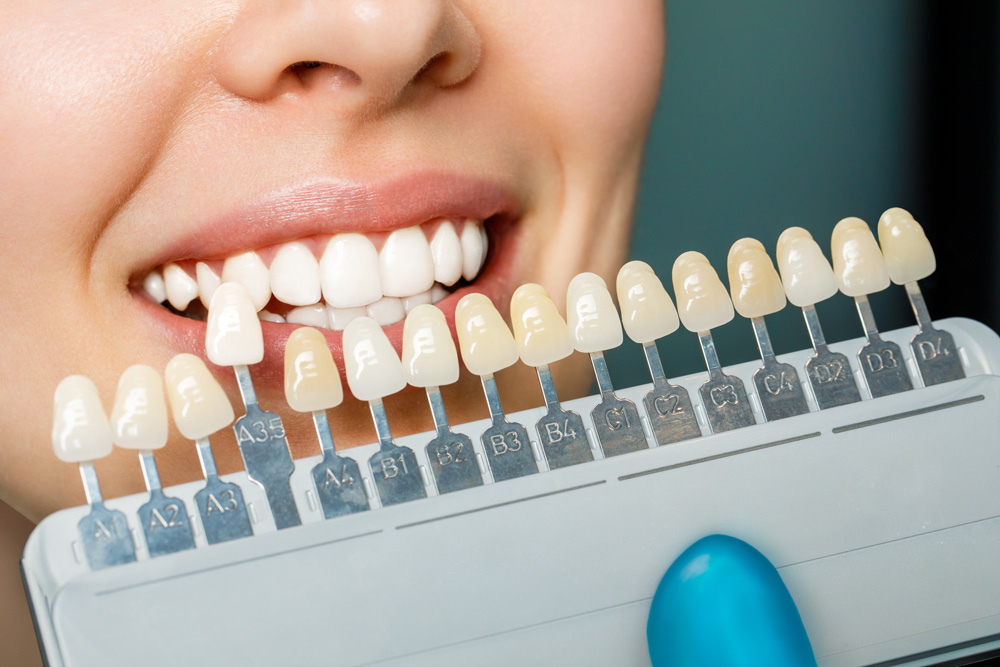
Veneers use thin shells placed over the front of the teeth. These shells are crafted from porcelain or composite material. They cover the visible surface to refine colour, shape, and alignment. Veneers suit people wanting more notable changes. Because they require preparation, the treatment involves several steps. The placement creates a smooth outer finish that feels polished and consistent.
Comfort During the Composite Bonding Process
Composite bonding is known for its straightforward experience. Most people feel comfortable throughout because the tooth structure stays intact. The resin application feels gentle, and shaping remains controlled. Process avoids drilling in most cases, which contributes to a relaxed appointment. The final texture feels smooth and similar to natural enamel.
Comfort During the Veneer Process
Veneers require preparation of the tooth surface. This step helps the veneer sit evenly. While the process is structured, it may feel more involved than bonding. Temporary veneers may be worn during the crafting stage. Once placed, the final veneers feel sleek and stable. The polished finish blends with natural bite patterns, supporting long-term comfort.
How Composite Bonding or Veneers Compare in Daily Use
Daily comfort depends on the thickness, surface smoothness, and fit of the material. Composite bonding feels natural because the resin blends directly into the tooth. Veneers often feel exceptionally smooth due to their crafted surfaces. When placed correctly, both options offer comfortable chewing and natural speech. The difference lies in how each adapts to individual bite patterns.
Composite Bonding or Veneers: Durability and Comfort Over Time
Composite bonding suits people seeking quicker refinement, yet the resin may show wear earlier. Veneers, especially porcelain options, maintain their shape longer. This contributes to steady comfort over time. The key factor is how each material interacts with natural movement. Regular reviews help maintain balance and ensure both options continue to feel comfortable.
Sensitivity Considerations
Sensitivity varies depending on tooth preparation. Composite bonding usually causes minimal sensitivity because the enamel remains intact. Veneers may involve temporary sensitivity during the preparation stage. This typically settles as the veneers stabilise. Both treatments feel normal once the adjustment period ends.
Composite Bonding or Veneers: Which Treatment Requires Less Adjustment?
Composite bonding often requires fewer adjustments because it follows natural tooth shape. Minor changes can be made easily. Veneers require careful planning to ensure precise fit. When designed correctly, they need little alteration after placement. The level of adjustment depends on the initial condition of the teeth and the desired outcome.
How Natural Composite Bonding or Veneers Feels
Comfort also relates to how natural a treatment feels. Composite bonding blends directly into enamel, creating a seamless extension of the tooth. Veneers provide a refined, uniform surface that feels smooth. Both options offer natural sensation when crafted with attention. The choice depends on how much change a person wants in shape, colour, or structure.
Suitability Based on Comfort Needs
People wanting minimal alteration often choose bonding because it feels closer to natural enamel. Veneers suit those seeking a more defined result with long-lasting smoothness. Comfort depends on the balance between desired changes and willingness to undergo preparation. Both options deliver reliable comfort when matched to individual needs.
Maintenance and Long-Term Feel
Composite bonding requires gentle daily care to maintain its smooth surface. Veneers remain polished with routine hygiene. Good habits support long-term comfort for both treatments. Avoiding excessive force or grinding helps preserve the finish. Regular dental reviews help ensure each option continues to feel stable.
Choosing Between Composite Bonding or Veneers
The decision between composite bonding or veneers comes down to desired outcome, tooth structure, and long-term comfort goals. Bonding offers subtle refinement with minimal steps. Veneers provide lasting smoothness and a structured finish. Consultation helps determine which option matches personal comfort expectations and aesthetic goals most effectively.
Daily Comfort in Real-Life Use
People comparing composite bonding or veneers also consider how each option behaves during everyday routines. Eating, speaking, and smiling all rely on smooth interaction between teeth and restorative material. Bonding adapts gently to these movements because it follows the tooth shape closely. Veneers provide a stable surface that maintains consistent texture during daily use. Both treatments offer steady comfort when properly maintained. Each option responds well to routine habits that support oral health and long-term stability.
Conclusion
Choosing between composite bonding or veneers depends on comfort preferences, design expectations, and long-term goals. Bonding offers gentle refinement, while veneers provide structured shaping and a smooth finish. Understanding how each treatment feels supports confident decision-making.
For more information and to book a consultation visit the ACIBADEM Beauty Center dental treatments page.
Frequently Asked Questions
Both feel natural when fitted correctly.
Usually no, composite bonding keeps enamel largely intact.
Veneers feel smooth and balanced once placed.
Veneers typically last longer than bonding.
Comfort depends on personal goals and tooth structure.