Ataşehir Mah. Feza Sk. No:3 İstanbul / Türkiye
 French
  English
  German
  Spanish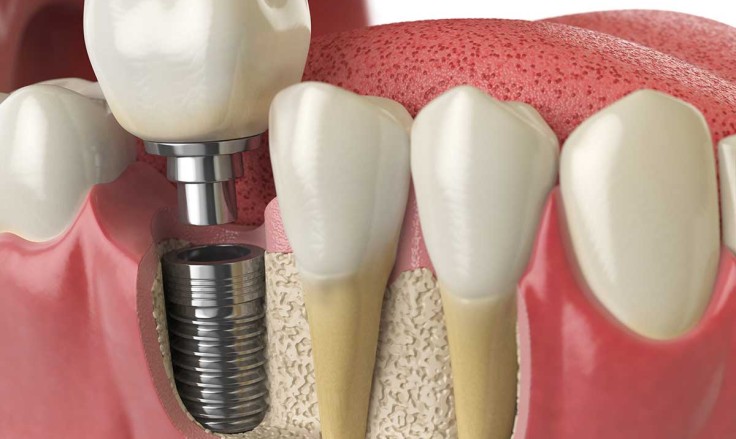
Introduction
Tooth loss can affect eating comfort, speech clarity and overall oral function in noticeable ways. For patients missing most or all teeth, modern implant dentistry offers advanced restorative options that feel secure and natural. Full mouth dental implants provide a fixed, long-term solution designed to replace an entire dental arch. This approach restores both appearance and function while supporting facial structure. Many patients now consider implants instead of removable alternatives because of their stability. Understanding how treatment works supports confident planning and realistic expectations. This guide explains the process, suitability, and long-term expectations clearly and thoroughly.
What Are Full Mouth Dental Implants?
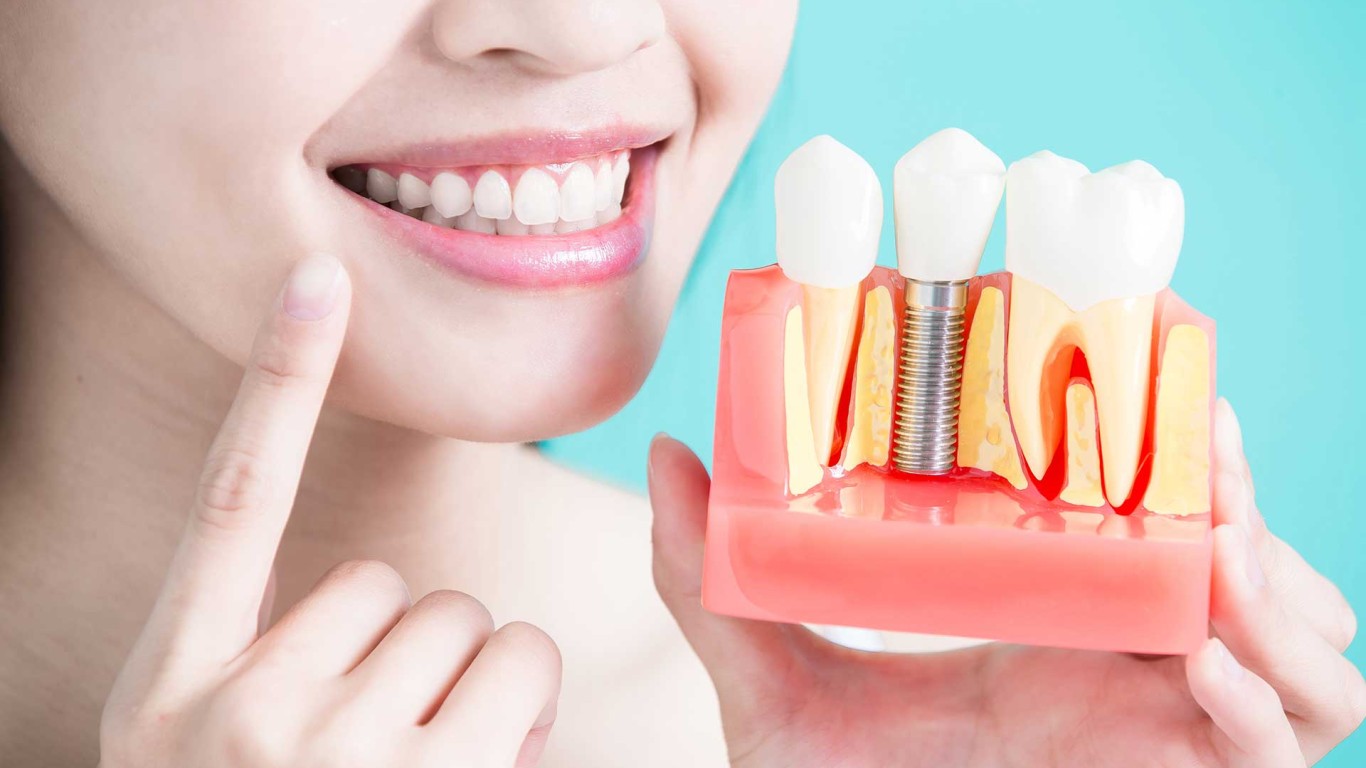
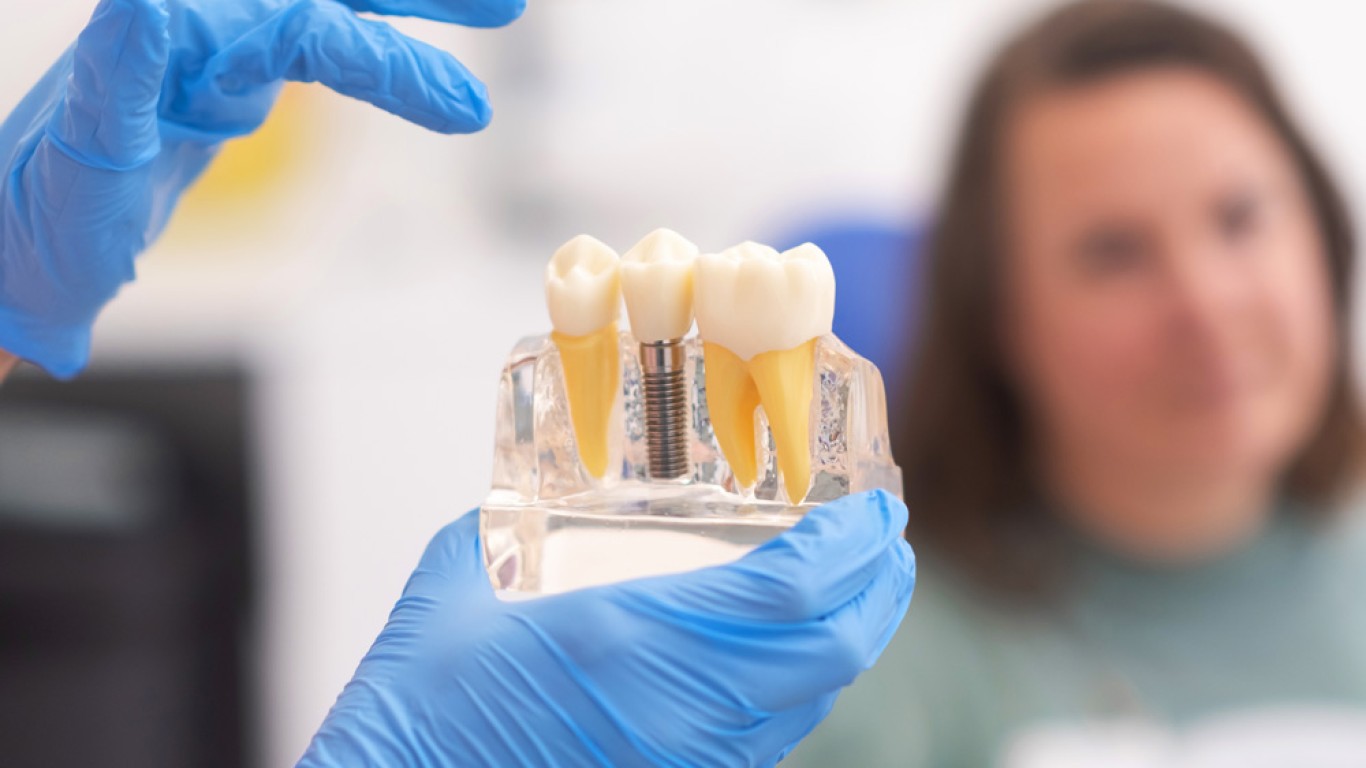
Full mouth dental implants replace a complete set of upper or lower teeth using implant-supported restorations. The technique uses multiple implants anchored securely within the jawbone structure. These implants support a fixed prosthetic arch that remains in place permanently. The result closely mimics natural teeth in both appearance and function. Unlike removable dentures, implants remain securely in place throughout daily activities. This stability improves chewing efficiency and comfort significantly. The prosthetic teeth are custom designed to match facial proportions. They restore facial balance and proper bite alignment. The overall goal is natural function, comfort, and long-term reliability.
How Full Mouth Dental Implants Work
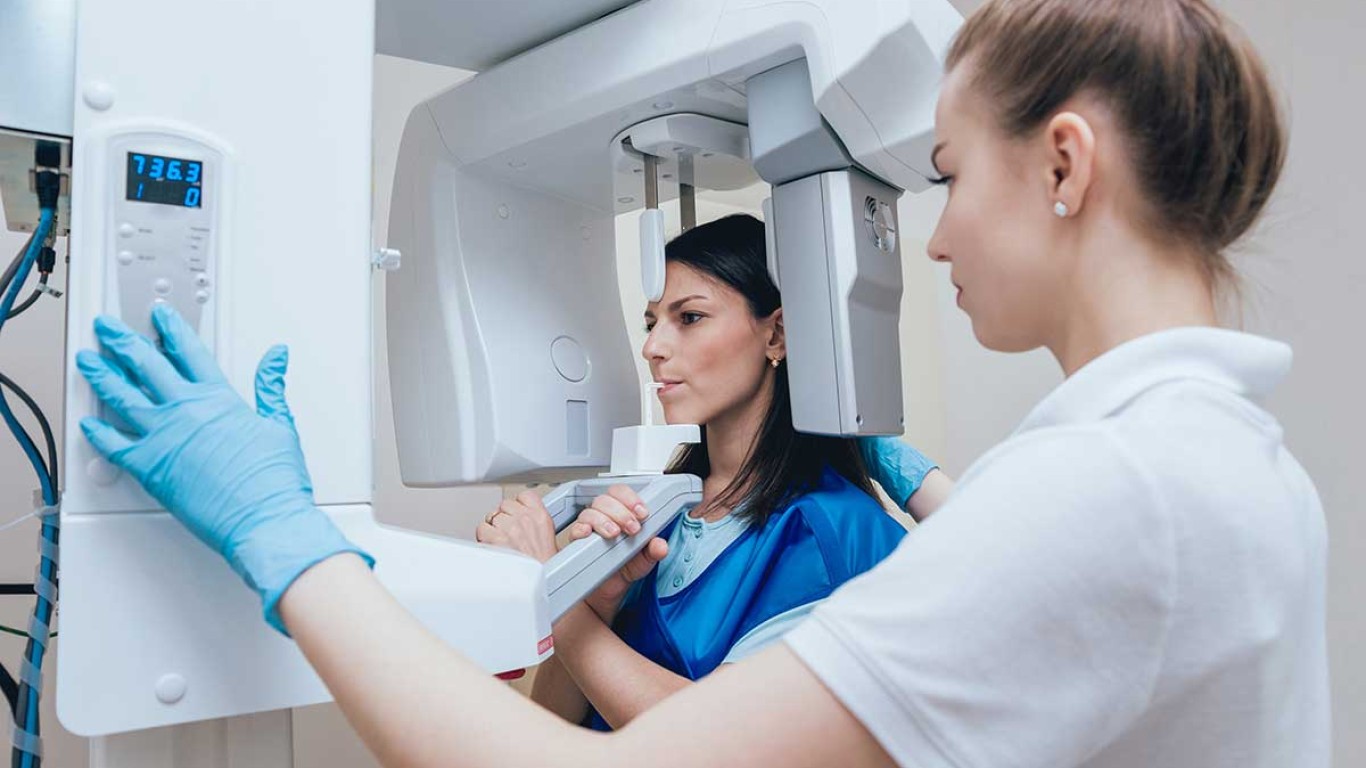
Treatment begins with detailed assessment and advanced digital imaging techniques. This allows precise planning of implant placement and prosthetic design. Implants are positioned strategically to provide strength and balance across the jaw. Once placed, they integrate gradually with the jawbone. A prosthetic arch is then attached to the implants after integration - temporary teeth may be provided during the transition phase for function and appearance. Final prosthetics are designed for durability and aesthetics. The process focuses on long-term support rather than short-term results. Each stage is carefully coordinated to ensure predictability.
Who Is a Suitable Candidate For Full Mouth Dental Implants?
Many adults missing most or all teeth may qualify for implant-supported restoration. Bone quality and overall oral health also influence suitability. Modern techniques allow treatment for many jaw structures and bone volume is assessed carefully during consultation. Patients seeking a fixed and stable solution often prefer implants. Those wanting improved comfort and chewing ability may also consider this option. Consultation determines individual suitability based on anatomy and goals. Assessment ensures appropriate planning from the outset as personal needs guide treatment recommendations.
Types of Full Mouth Dental Implant Solutions
Several implant-supported options are available for full mouth restoration. All-on-4 and All-on-6 are common approaches used across the globe - they use fewer implants to support a full arch efficiently. Traditional full-arch implants may use additional fixtures. Each method has specific advantages depending on anatomy. Implant number also depends on bone quality and bite forces. Dentists explain differences clearly during consultation and the chosen solution will balance stability with efficiency. Customisation is central to achieving optimal outcomes.

Benefits of Full Mouth Dental Implants
Full mouth dental implants restore strong chewing ability for everyday foods. Speech clarity often improves once teeth are securely fixed. Fixed teeth eliminate movement during eating or speaking and comfort increases during daily activities. Aesthetic outcomes are equally important for many patients. Implants support facial structure naturally and prevent collapse. Smiles appear balanced and proportionate - confidence often improves through restored function. Long-term reliability defines this solution.
Bone Preservation and Facial Support Benefits
One important advantage of full mouth dental implants is their role in preserving long-term jawbone structure. When teeth are missing, the jawbone can lose density due to reduced stimulation over time. Implant fixtures help maintain bone volume by transferring natural bite forces into the jawbone. This ongoing stimulation supports bone health and structural stability. Preserved bone structure contributes to improved facial support and balanced facial proportions. The cheeks and lips remain better supported without the sunken appearance often associated with tooth loss. Patients frequently notice enhanced facial harmony as a result. This structural benefit clearly distinguishes implants from removable dental solutions. Long-term skeletal support remains a defining advantage.
Full Mouth Dental Implants Versus Dentures
Implants differ greatly from traditional removable dentures:
- Dentures rest on the gums without direct bone support. Implants anchor directly into the jawbone structure. This creates superior stability during use.
- Implants don’t require adhesives or removal - they remain fixed during chewing and speaking.
- Dentures may shift or require frequent adjustment and many patients prefer implant security for comfort.
Treatment Timeline and Planning
Treatment timelines vary depending on the chosen approach. Some patients receive immediate temporary teeth after implant placement while others follow a staged process allowing gradual integration. Planning ensures appropriate healing intervals are respected. Digital workflows help improve efficiency and accuracy. Appointments are coordinated carefully for convenience, and international patients often follow structured treatment schedules. Timeline clarity supports travel planning.
Bite Alignment and Functional Balance
Full mouth dental implants allow dentists to rebuild proper bite alignment with precision and long-term consistency. Tooth loss can significantly disrupt how the upper and lower jaws meet during chewing. Implant-supported restorations enable accurate reconstruction of bite position. This improves chewing efficiency and overall oral comfort. Balanced bite alignment helps reduce uneven pressure during eating activities. It also supports even wear across the prosthetic teeth over time. Dentists design implant-supported arches with careful attention to functional balance. Improved bite harmony enhances daily comfort. Precision planning plays a central role.
Managing Complex Tooth Loss Cases
Full mouth dental implants are often selected for complex tooth loss scenarios requiring comprehensive restoration. Long-term denture wearers may seek a more stable and permanent solution. Extensive decay or trauma can also necessitate full-arch treatment. Implants provide a structured and reliable approach. Dentists carefully assess previous dental history and existing oral conditions. Treatment planning accounts for anatomical changes caused by long-term tooth loss. Modern techniques accommodate challenging cases effectively. Structured planning supports predictable outcomes. Complexity does not exclude suitability.
Long-Term Maintenance and Care
Implant-supported teeth require consistent oral hygiene routines. Daily brushing and flossing remain essential for gum health. Professional check-ups support long-term success. Care routines resemble natural teeth. Unlike dentures, implants do not need removal for cleaning. Maintenance focuses on keeping surrounding tissues healthy. Durable materials support long-term use. Commitment to care ensures lasting results. Education supports maintenance success.
Customisation of Smile Design and Tooth Shape
Each full mouth implant case is individually designed to suit the patient’s facial structure and proportions. Tooth size, shape and colour are customised to achieve a natural appearance. This ensures the final smile complements facial features rather than appearing artificial. Smile design forms an essential part of treatment planning. Patients are encouraged to discuss aesthetic preferences during the consultation stage. Digital previews may be used to visualise potential outcomes. Customisation supports realistic and personalised results. Patient input is integrated throughout the process.
Travel Planning for International Implant Patients
Many patients travel internationally to receive full mouth dental implant treatment. Treatment schedules are carefully designed to align with travel timelines and clinics coordinate appointments efficiently to minimise unnecessary visits. This approach supports convenience for international patients. Accommodation and transfers are often arranged as part of the care pathway. Clear timelines help patients plan travel confidently. International patients value organised treatment coordination and smooth logistics. Effective planning reduces stress throughout the journey.
Full Mouth Dental Implants in Turkey
Turkey has become a leading destination for implant dentistry worldwide. Advanced clinics offer modern facilities and digital planning tools while experienced specialists manage complex cases regularly. International patients value Turkey’s structured care pathways. Leading healthcare clinics provide comprehensive planning and coordination while digital diagnostics guide precision treatment. Personalised pathways support each patient journey.
Conclusion
Full mouth dental implants offer a reliable solution for extensive tooth loss, restoring function, stability and natural appearance effectively. Treatment is carefully planned and highly personalised while modern techniques support long-term success. Many patients choose implants for comfort and durability. A full understanding of the process helps support informed decision-making. With expert care, outcomes can be life-enhancing.
To find out more about full mouth dental implants and other dental treatments, visit the ACIBADEM Beauty Center dental treatments page.
Frequently Asked Questions
With proper care, implants can last many years and often decades.
They are fixed securely and not removed daily.
The number varies depending on the chosen technique and anatomy.
Yes, many clinics specialise in organised international care.
Maintenance is similar to caring for healthy natural teeth.