Ataşehir Mah. Feza Sk. No:3 İstanbul / Türkiye
 French
  English
  German
  Spanish
Introduction
Preparing for veneers is an important stage in achieving long-lasting aesthetic results. Many patients focus on the final smile without fully understanding the preparation process. Teeth prepped for veneers undergo careful planning to ensure accuracy and comfort. This stage determines how well the veneers fit and blend with natural teeth. Understanding each step helps patients feel confident and informed. Preparation is customised to individual tooth shape, alignment, and goals.
Why Having Your Teeth Prepped For Veneers Is Necessary
Tooth preparation creates space for veneers to sit naturally. Without preparation, veneers may appear bulky or uneven. The process allows precise placement and alignment. It also ensures that the final result looks balanced within the smile. Teeth prepped for veneers are shaped conservatively. Dentists aim to preserve as much natural tooth structure as possible. Preparation supports long-term stability and appearance. Each adjustment is planned carefully. Precision at this stage supports predictable results.
A Step-by-Step Guide to Having Your Teeth Prepped For Veneers
Tooth preparation for veneers follows a clear and structured sequence. The process usually begins with marking guide points on the enamel. These guides help control how much enamel is adjusted. Dentists then gently reshape the tooth surface to create space. Each movement is deliberate and measured. Once shaping is complete, the tooth surface is smoothed carefully. This ensures the veneer sits evenly without edges. The dentist checks alignment from multiple angles. Bite interaction is reviewed to avoid uneven contact. Preparation ends with thorough cleaning before impressions or scans.
Initial Consultation and Smile Assessment
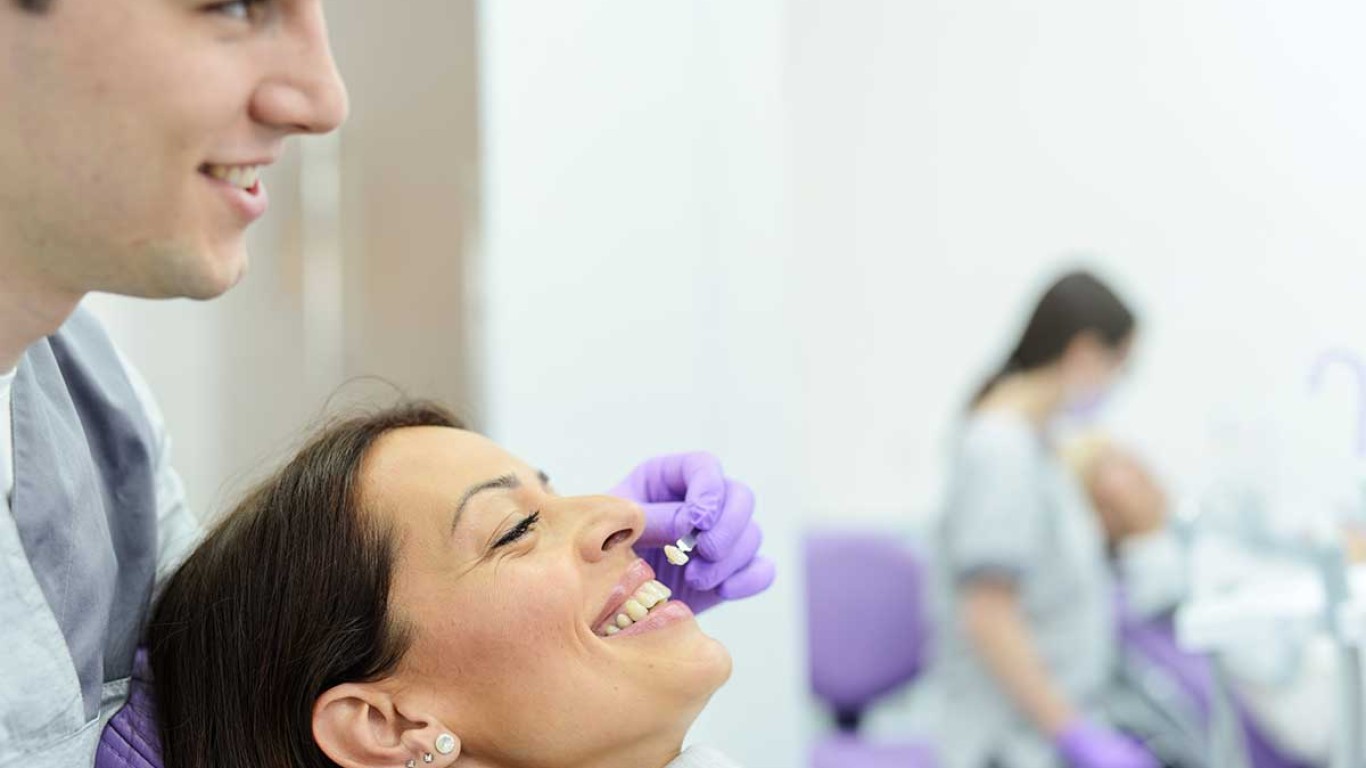
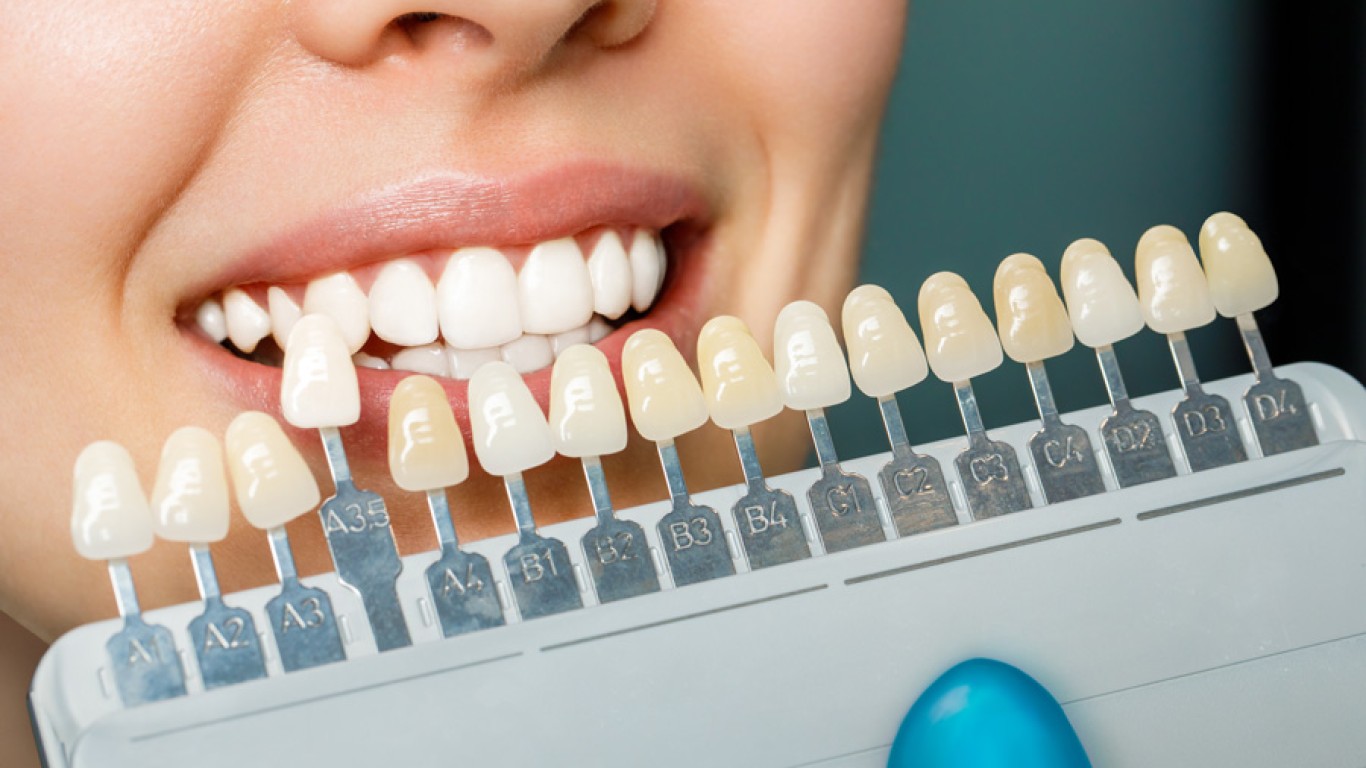
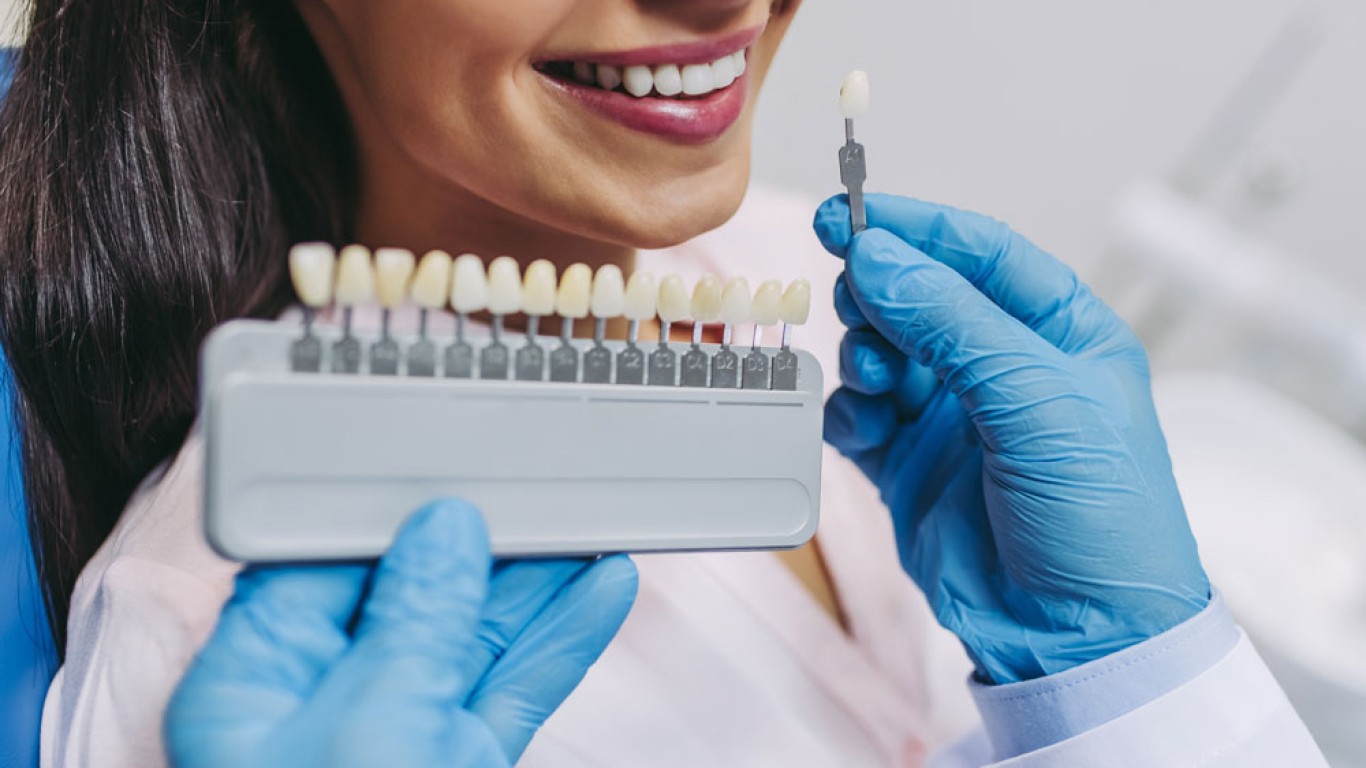
The process begins with a detailed consultation. Dentists assess tooth colour, shape, and alignment. Bite analysis helps determine how veneers will function. Photographs and scans may be taken. During this stage, teeth prepped for veneers are planned virtually. Smile design tools help visualise outcomes. Patients discuss preferences openly. This ensures alignment between expectations and treatment. Planning sets the foundation for preparation.
Enamel Reduction Explained
Enamel reduction is often part of preparation. A thin layer is removed from the tooth surface. This creates space for the veneer material. The amount removed is minimal and controlled. Teeth prepped for veneers typically require only surface-level reduction. The goal is to maintain strength while allowing a natural finish. Dentists use precision instruments. This step ensures veneers sit flush with surrounding teeth. For this reason, accuracy is essential.
Does Every Tooth Need the Same Preparation?
Preparation varies depending on tooth position and condition. Front teeth may require different shaping than side teeth. Teeth with existing restorations may need adjusted preparation. Each tooth is assessed individually. Teeth prepped for veneers are never treated uniformly. Customisation ensures harmony across the smile. Dentists adapt techniques based on enamel thickness. This tailored approach improves aesthetic consistency. Detailed, individual planning matters.

Preparing Multiple Teeth Versus Single-Tooth Veneers
Preparation differs when multiple teeth are involved. Treating several teeth requires consistent shaping across the smile line. Dentists plan preparation as a unified design rather than isolated adjustments. This ensures cohesion and harmony. Single-tooth preparation focuses more on blending with neighbouring teeth. Shade matching and contour transitions become priorities. Dentists adapt techniques based on the number of teeth involved. Each approach follows the same principles but with different emphasis. Customisation remains essential in both cases.
Temporary Veneers During the Preparation Phase
Temporary veneers are often placed after preparation. These protect the prepared teeth. They also allow patients to adjust to the new shape. Temporaries provide a preview of the final result. Teeth prepped for veneers benefit from temporary coverage. It maintains comfort and appearance. Patients can provide feedback during this phase. Adjustments can be planned into the procedure if needed. Veneer Temporaries support confidence before final placement.
Sensitivity and Adaptation After Preparation
After preparation, teeth may feel different initially. This adjustment period is normal. Temporary veneers help minimise awareness. Most patients adapt quickly. Teeth prepped for veneers settle as the mouth adjusts. Dentists provide guidance on care. Eating and speaking usually feel normal. Any concerns are reviewed before final placement. Being open to adaptation supports readiness for undergoing a dental procedure.
Does it Hurt to Have Your Teeth Prepped for Veneers?
Many patients worry about discomfort during preparation. In most cases, the procedure is well tolerated. Dentists work gradually and with precision. Sensation is carefully monitored throughout. Modern techniques focus on gentle enamel contouring. Temporary coverings reduce awareness afterward. Patients usually resume normal activity quickly. Clear communication during the appointment helps ease concerns. Comfort remains a central focus during preparation.
Precision Impressions and Digital Scanning
Once preparation is complete, impressions are taken. Digital scans are increasingly used. These capture detailed tooth contours. Accuracy ensures veneers fit perfectly. Teeth prepped for veneers must be recorded precisely. Even small errors can affect the overall fit. One way consistency can be ensured is advanced scanning. Laboratories use these records to fabricate veneers. Precision supports the quality of the treatment.
How Preparation Differs for Different Veneer Materials
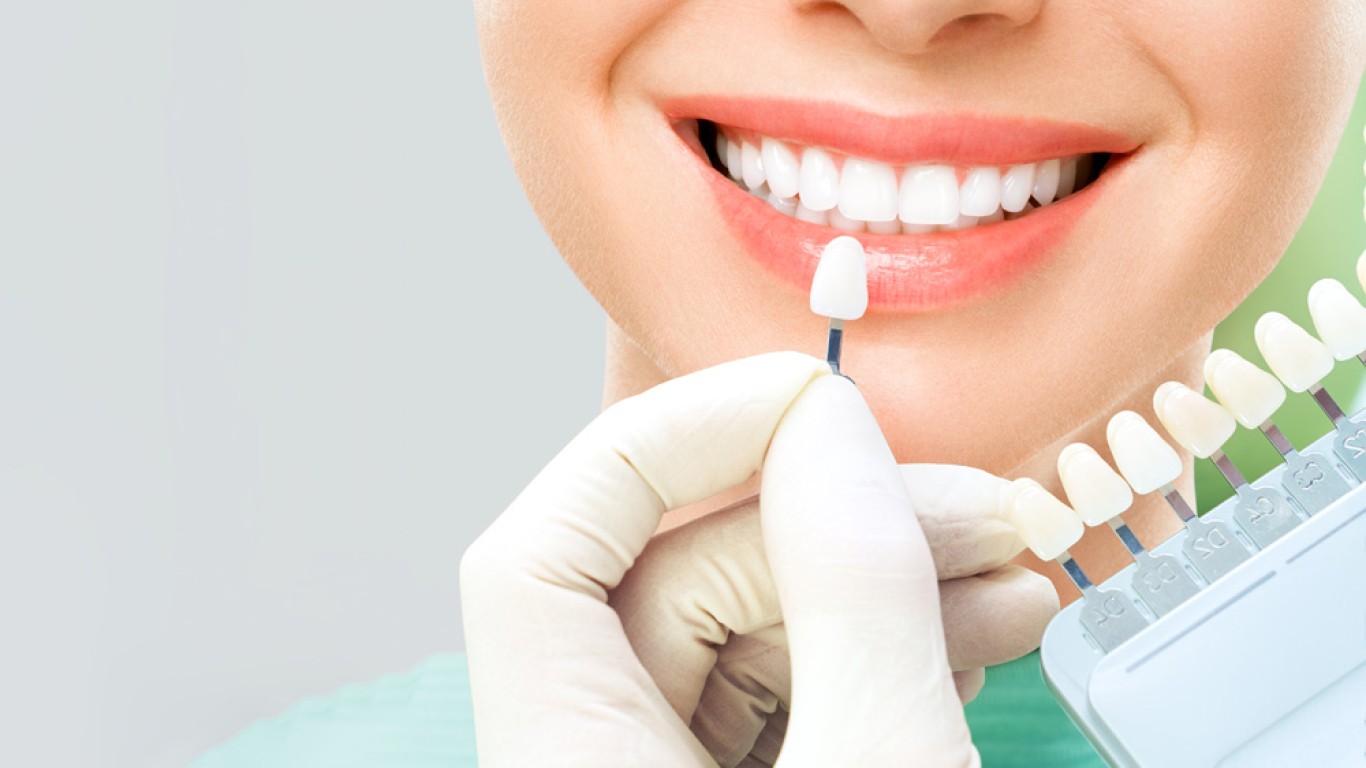
Preparation may vary based on veneer material. Porcelain veneers often require specific spacing. Ultra-thin veneers may require less enamel reduction. Material choice influences technique. Teeth prepped for veneers are shaped according to material thickness. Dentists explain these differences during planning. Material selection balances aesthetics and conservation. Preparation adapts accordingly and so custom planning remains essential.
Teeth Prepped for Veneers in Turkey
Turkey has become a popular destination for veneer treatments. Clinics in Istanbul focus on detailed preparation protocols. Patients value structured planning and clear explanations. Teeth prepped for veneers receive careful attention. Centres such as Acibadem emphasise personalised assessment. Advanced imaging supports precision. International patients benefit from streamlined care. Preparation standards align with global practices and Turkey offers organised treatment journeys.
Common Questions Patients Have Before Preparation
Many patients worry about permanence. Dentists explain the process clearly. Preparation is conservative and planned. Understanding reduces anxiety. Teeth prepped for veneers follow a predictable pathway. Clear communication supports comfort. Patients are encouraged to ask questions. This kind of transparency builds trust and education supports confidence.
Minimal Prep vs Traditional Prep: Which Is Right for You?
Minimal preparation veneers are designed to preserve more natural enamel. They are often used when teeth are well aligned and lightly discoloured. Traditional preparation may be required when teeth are rotated or heavily restored. Each approach serves a different purpose. Dentists assess enamel thickness before deciding. Minimal prep is not suitable for every case. Traditional preparation allows greater shape correction. The right option depends on anatomy and goals. Careful evaluation ensures suitability and balance.
The “In-Between” Phase: Living with Teeth Prepped for Veneers
After preparation, patients enter a short transitional phase. Temporary veneers protect the prepared surfaces. These temporaries also maintain appearance and function. Most patients adjust to them quickly. Eating and speaking usually feel natural after a brief period. Dentists provide guidance on care during this stage. Feedback during this phase can be valuable. Small refinements may be planned before final placement. This period supports fine-tuning results.
Safe and Precise: The Art of Enamel Contouring
Enamel contouring is a refined skill rather than aggressive removal. Dentists aim to reshape rather than reduce unnecessarily. Each adjustment is guided by visual and digital planning. Precision tools allow controlled enamel shaping. The goal is symmetry and proportion. Even fractions of a millimetre matter. Dentists constantly reassess during the process. This attention ensures veneers appear natural. Careful contouring preserves tooth strength and aesthetics.
How Dentists Ensure Symmetry During Teeth Prepped for Veneers
Achieving symmetry is a central goal during veneer preparation. Dentists carefully measure each tooth before making adjustments. Digital tools and visual guides help maintain proportional shaping. This careful planning phase also helps minimise adjustments later, ensuring smoother placement and a more predictable final appearance. Even small variations can affect the final appearance. Continuous reassessment ensures balance across the smile.
Teeth are compared side by side throughout the process. Dentists check height, width, and contour repeatedly. Bite alignment is also reviewed to maintain function. This methodical approach prevents uneven results. Symmetry planning supports a natural-looking outcome.
Conclusion
Preparation is a crucial part of successful veneer treatment. Teeth prepped for veneers are shaped carefully to support natural-looking results. Each step is personalised to tooth structure and goals. Temporary veneers allow adjustment before final placement. Understanding the process helps patients feel prepared. Expert planning ensures precision and comfort throughout.
For more information and to book a consultation visit the ACIBADEM Beauty Center Veneers webpage.
Frequently Asked Questions
Only a thin layer of enamel is usually removed.
Most do, though preparation levels vary by case.
Temporary veneers are commonly placed during fabrication.
It usually takes one to two hours.
Turkey offers experienced dentists and structured veneer care pathways.