Ataşehir Mah. Feza Sk. No:3 İstanbul / Türkiye
 English
  German
  Spanish
Introduction
The belly button is one of the most important aesthetic details of a tummy tuck result. Patients researching tummy tuck belly button reshaping often wonder how the navel is managed. The belly button is not removed and replaced during a tummy tuck. Instead, it is repositioned and reshaped as the abdominal skin is tightened. The final navel appearance significantly impacts how natural the overall tummy tuck result looks. This article covers how tummy tuck belly button reshaping works and what to know before surgery.
How Does a Tummy Tuck Affect the Belly Button?
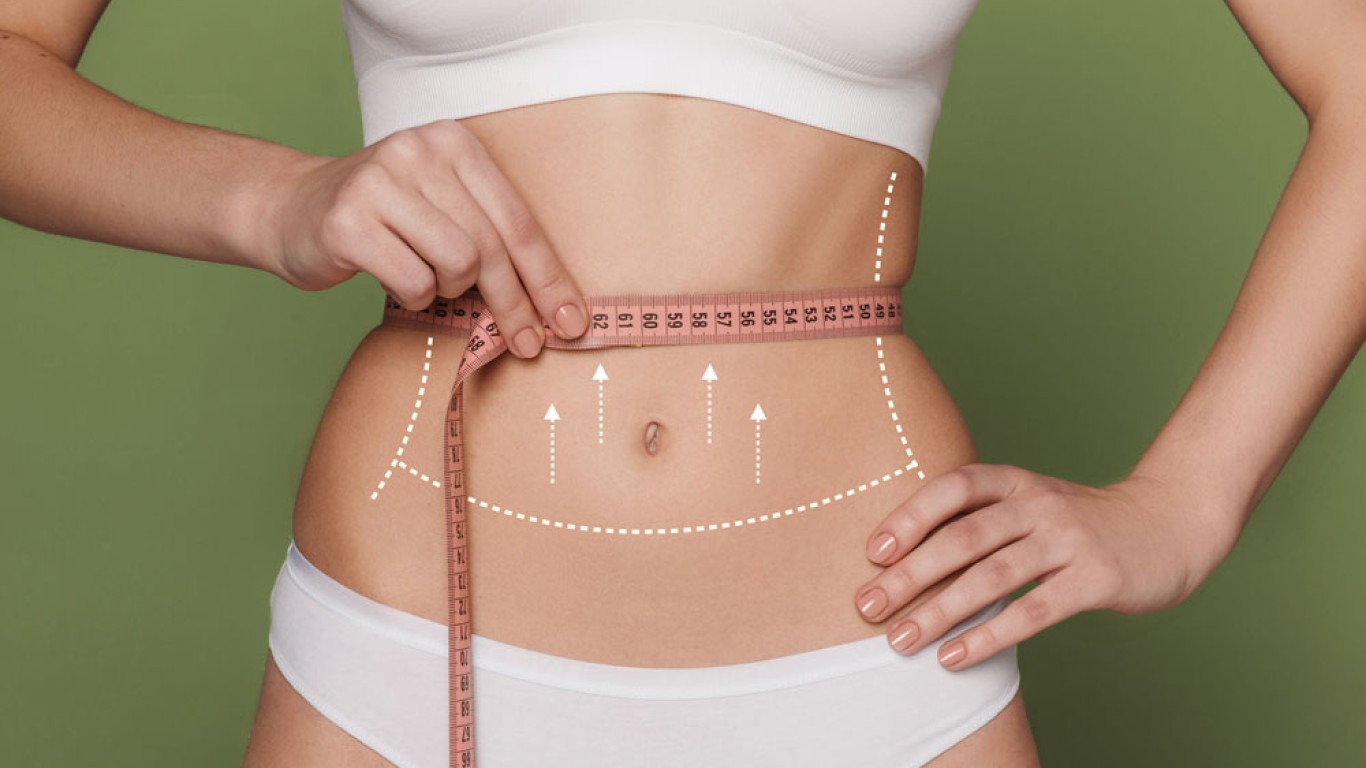
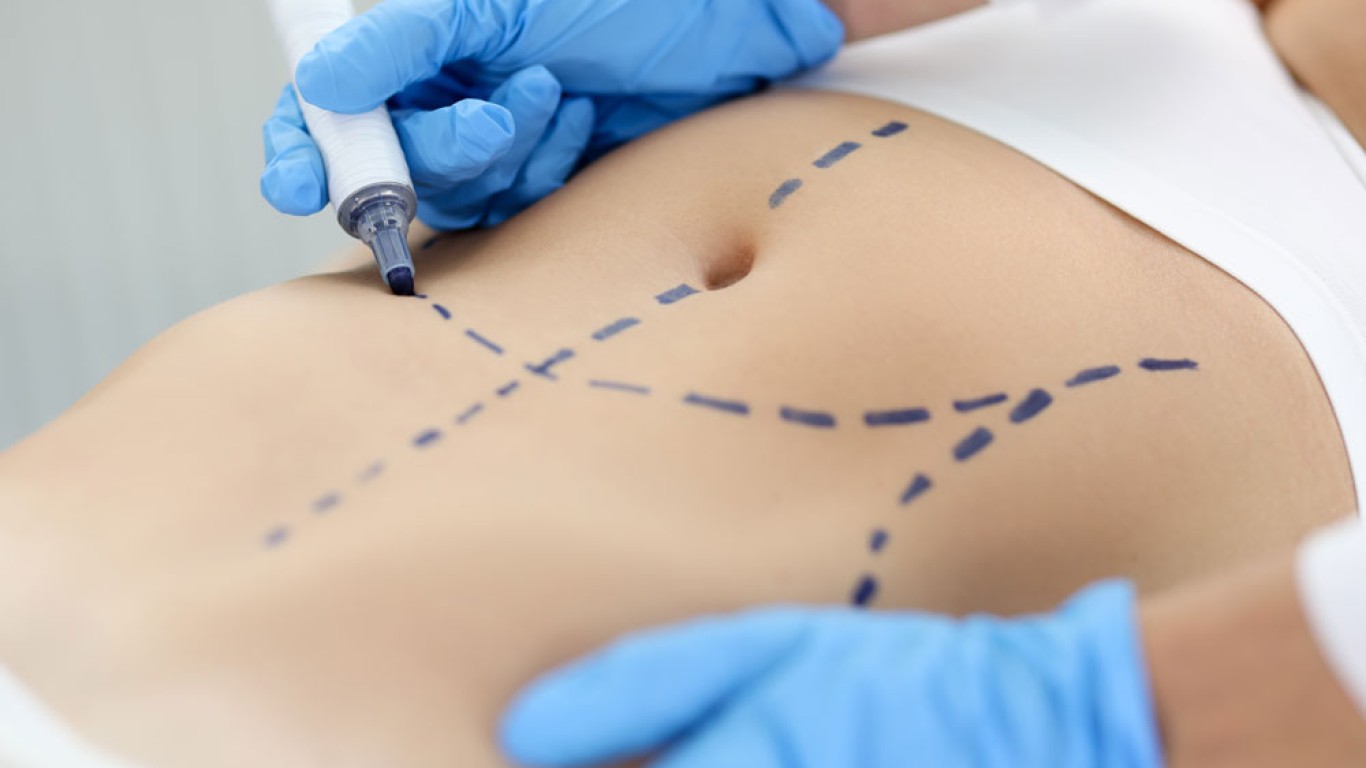
During a tummy tuck, the abdominal skin is separated from the underlying muscle layer. The skin is then pulled downward and the excess is removed. The belly button is attached to the abdominal wall by a stalk. Belly button stalk remains fixed on the abdominal wall as the skin moves. The skin is pulled past the belly button. The surgeon creates a new opening in the repositioned skin and brings the navel through it. Belly button itself has not moved. Its position on the abdominal wall is unchanged. What changes is the surrounding skin, which is now tighter and flatter. The surgeon shapes the new opening to create the most aesthetically natural-looking navel possible.
What Makes a Tummy Tuck Belly Button Look Natural?
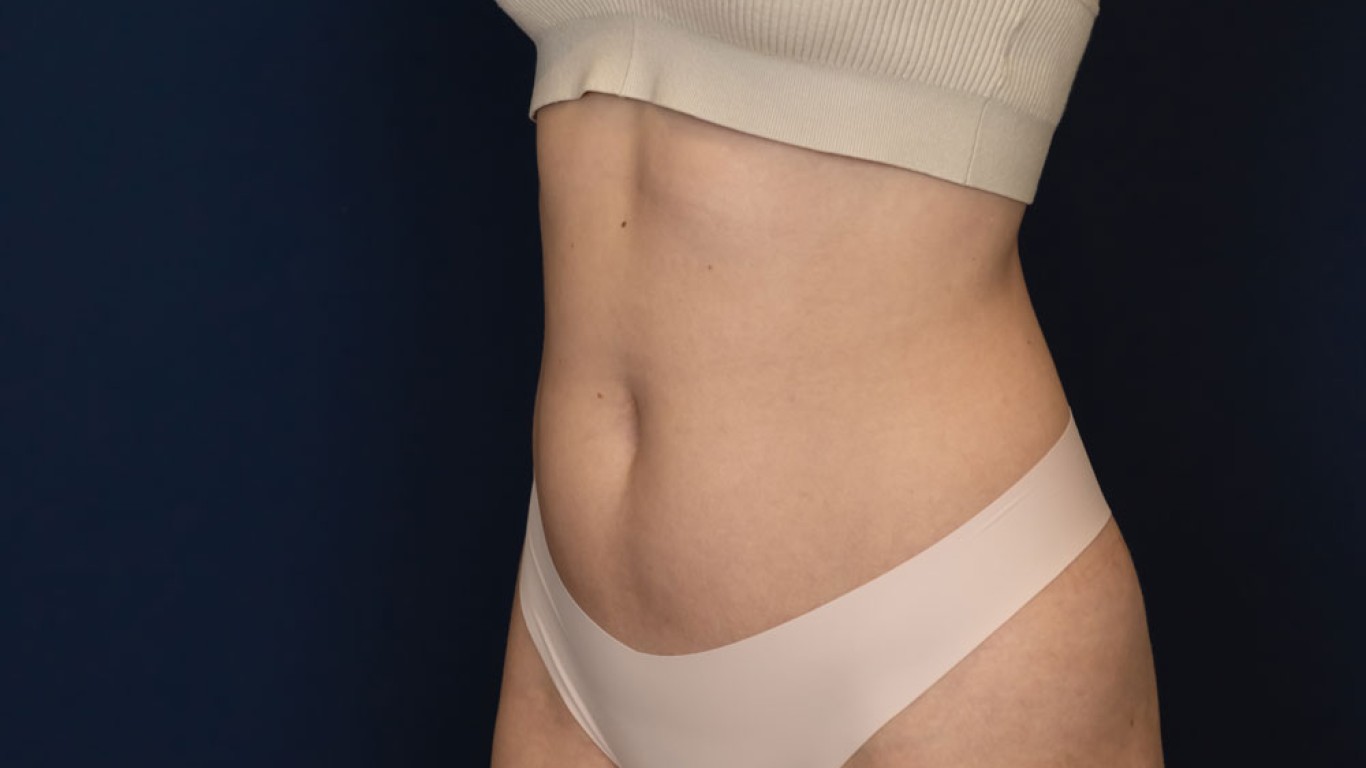
A natural-looking abdominoplasty belly button has several characteristics. It is small and oval or slightly vertical in orientation. It has a subtle innie appearance rather than a flat or protruding shape. The surrounding skin blends smoothly around it without tension or puckering. Position is central and placed at the appropriate height relative to the hips and pubis. The scar around the navel is well-hidden inside the belly button itself. Surgeon skill in neoumbilicoplasty, the technical term for belly button reshaping, significantly influences the final result. An experienced surgeon creates a navel that looks entirely natural in all positions. A less experienced approach may produce a navel that appears round, tight or obviously scarred.
Tummy Tuck Belly Button Healing: What to Expect
The tummy tuck belly button heals over a period of several weeks. The area may be covered with dressings for the first one to two weeks. Some swelling, firmness and sensitivity around the navel are entirely normal during healing. The navel may appear slightly smaller or more closed than expected during the first weeks. It opens up and softens as healing progresses. The scar inside the belly button matures over twelve to twenty-four months. It typically becomes pale and flat, making it entirely inconspicuous. Keeping the navel area clean and dry during the first two weeks is important. The surgeon provides specific aftercare instructions for the navel site. Following these reduces infection risk and supports optimal healing.

Tummy Tuck Belly Button With a Mini Tummy Tuck
A mini tummy tuck is a less extensive procedure that addresses the lower abdominal skin only. The incision is shorter than in a full tummy tuck. In a mini tummy tuck, the belly button position is not changed. The skin below the navel is tightened. The navel itself remains in its original position relative to the abdominal wall. This is an important distinction. Patients wanting full abdominal contouring and navel repositioning require a full tummy tuck. The mini procedure suits patients with isolated excess skin below the navel. No significant upper abdominal laxity or muscle separation should be present. A surgeon assesses which procedure is appropriate for each patient's anatomy during the initial consultation.
Tummy Tuck Belly Button Revision
Some patients are unhappy with the appearance of the belly button after a previous tummy tuck. Common concerns include a shape that is too round, a visible scar or a belly button that protrudes. Belly button revision is a minor procedure. It can be performed under local anaesthesia in most cases. The surgeon reshapes the navel opening and adjusts surrounding skin to create a more natural result. Recovery is significantly shorter than from the original tummy tuck. Revision is highly effective when performed by a surgeon with specific experience in navel reshaping. Patients considering revision should wait at least twelve months after the original procedure before pursuing correction.
Conclusion
Tummy tuck belly button reshaping is an integral part of every full abdominoplasty. The navel is not removed or replaced. Its stalk remains fixed on the abdominal wall as the skin is tightened. A new opening is created to bring the belly button through the repositioned skin. Surgeon skill in neoumbilicoplasty determines how natural the result looks. Healing takes several weeks. The final scar inside the navel fades over twelve to twenty-four months. Minor complications are uncommon and manageable. Mini tummy tuck does not change belly button position. Revision of an unsatisfactory navel result is possible under local anaesthesia. Turkey offers belly button reshaping surgery at significantly lower cost through accredited clinics. Qualified plastic surgeons at leading Istanbul facilities perform this procedure regularly. Patients can request to see belly button specific before and after photographs during the virtual pre-operative consultation.
For more information and to book a consultation visit the ACIBADEM Beauty Center Tummy Tuck page.
Frequently Asked Questions
The belly button stalk remains attached to the abdominal wall. The overlying skin is tightened and a new opening is created to bring the navel through. Its internal position is unchanged.
Yes, when performed by an experienced surgeon. The goal is an oval, subtle innie appearance with the scar well-hidden inside the navel itself.
Dressings are worn for one to two weeks. The scar inside the navel matures over twelve to twenty-four months. Swelling and firmness resolve progressively over four to eight weeks.
No. A mini tummy tuck tightens the skin below the navel only. The belly button position relative to the abdominal wall is not changed by this procedure.
Yes. Minor revision is usually possible under local anaesthesia. It is a short procedure with minimal recovery time. Common corrections include reshaping the opening or improving scar appearance. Wait at least twelve months after the original procedure.