Ataşehir Mah. Feza Sk. No:3 İstanbul / Türkiye
 English
  German
  Spanish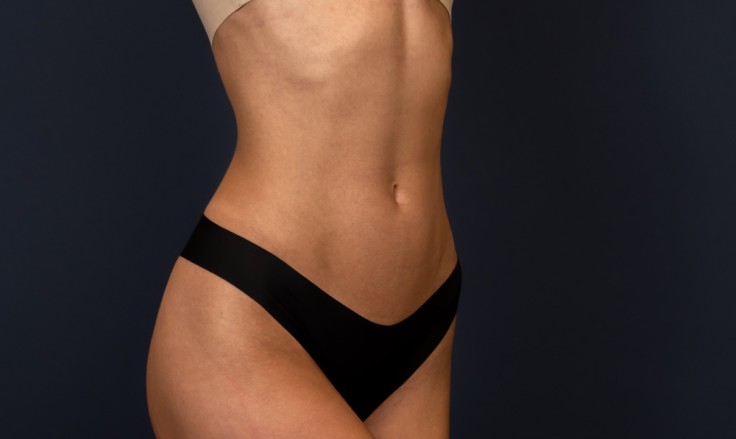
Introduction
Post-bariatric body contouring refers to the surgical procedures that address excess skin and tissue after significant weight loss. Regardless of how weight loss was achieved, substantial loss often leaves loose, redundant skin. This skin cannot shrink back on its own. Post-bariatric body contouring removes excess skin. It reshapes the underlying tissue to reflect weight loss. This guide explains each step of the post-bariatric body contouring process and the typical sequence.
Step One: Ensuring Weight Stability Before Surgery
The first step in post-bariatric body contouring is ensuring the patient's weight is stable. Most surgeons recommend waiting until weight has been stable for twelve to twenty-four months before surgery. Continued weight loss after surgery will change the skin and tissue again. This can compromise results and may require revision. A patient who has a tummy tuck while still losing weight may find that further loss creates laxity. Confirming weight stability protects the body contouring surgery investment. BMI below forty is generally required. Some procedures require BMI below thirty-five for safe healing. The surgeon confirms the requirement at consultation. Nutritional status must be optimised before surgery.
Step Two: Nutritional Optimisation
Bariatric surgery alters nutrient absorption. This affects healing capacity. Patients are at higher risk of protein, iron, vitamin B12, vitamin D and zinc deficiency. Nutritional deficiency impairs wound healing. Post-bariatric body contouring involves extensive incisions. Good healing requires adequate protein intake, healthy vitamin and mineral levels and good hydration. Preparation matters. Blood tests before surgery assess nutritional status comprehensively. Any deficiencies are corrected through supplementation in the weeks before surgery. Protein intake is specifically targeted. A minimum of sixty grams of protein daily is required. Many surgeons recommend eighty to one hundred grams of protein per day before surgery. Good nutritional preparation produces better healing and reduces complication risk.
Step Three: Choosing the Right Procedures
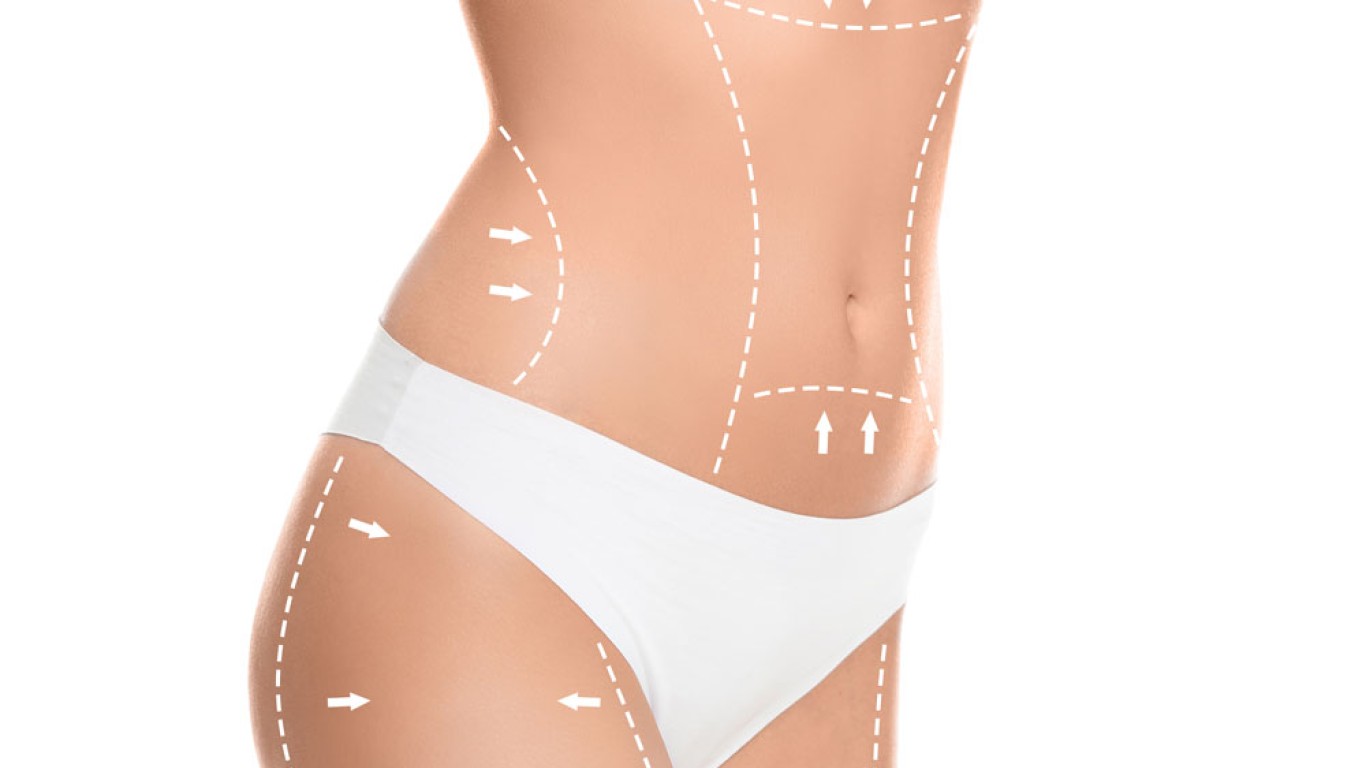
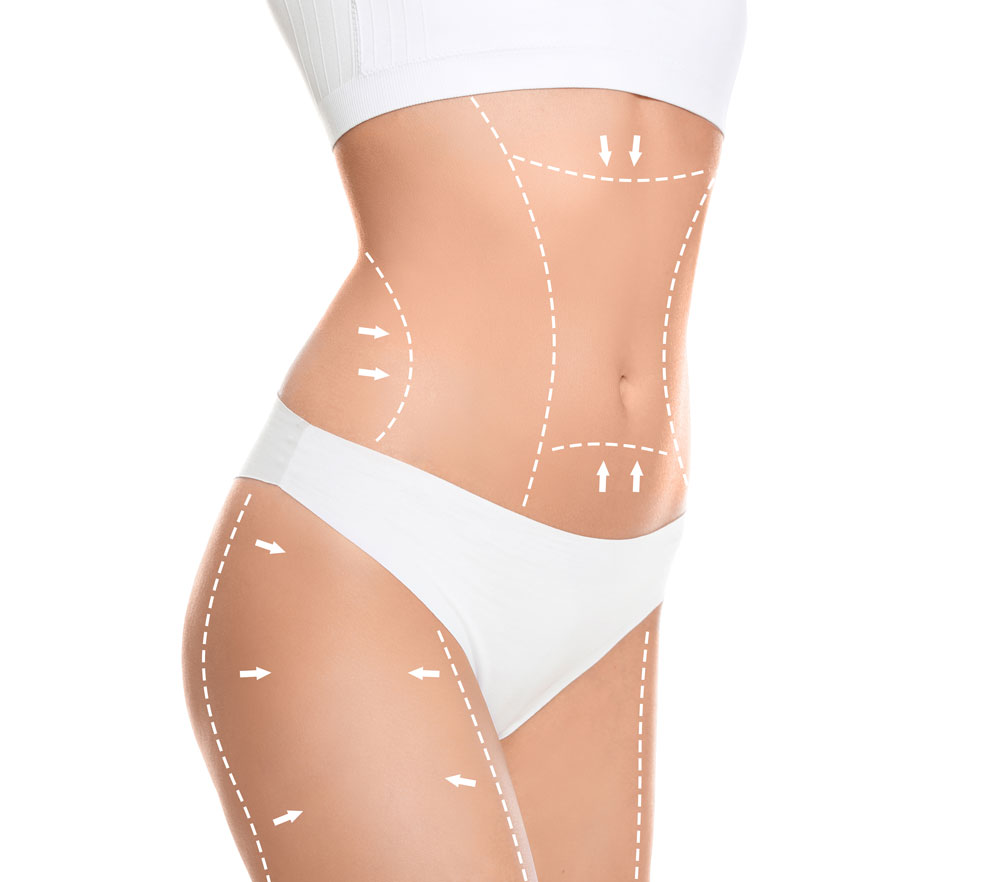
Post-bariatric body contouring typically involves multiple procedures across different body areas. The most common are the lower body lift, tummy tuck, thigh lift, arm lift and breast procedures. Lower body lift addresses the abdomen, outer thighs and buttocks. The incision sits below the torso. Tummy tuck removes excess abdominal skin and tightens the abdominal muscles. The thigh lift removes inner thigh skin laxity. The arm lift, known as brachioplasty, removes excess skin from the upper arm. Breast surgery may involve lift, reduction or augmentation depending on the individual's anatomy after weight loss. Patients rarely have all procedures in one session. Safety limits determine how many can be combined.
Step Four: Sequencing Multiple Procedures
Sequencing multiple post-bariatric body contouring procedures requires careful planning. Most surgeons recommend performing the most functionally impactful procedures first. The lower body lift or tummy tuck is typically the priority for patients with abdominal excess. This is the area where excess skin most commonly causes hygiene problems, rashes and physical restriction. Upper body and arm procedures follow once the lower body has fully healed. Each major procedure requires a full recovery of four to six weeks before the next. A complete multi-area programme typically takes twelve to twenty-four months from first surgery to last. Patients are guided through each stage with regular follow-up consultations. This continuity of care is a defining feature of successful post-bariatric body contouring programmes.
Step Five: Recovery From Post-Bariatric Body Contouring
Recovery from post-bariatric body contouring is more demanding than from standard cosmetic procedures. Extensive incisions, large tissue manipulation and the metabolic demands of healing all require longer recovery. Most patients require four to six weeks off work after major procedures such as the body lift. Walking from day one supports circulation. Compression garments are worn for six to eight weeks post-surgery. Drains may be placed and removed within one to two weeks. Meticulous wound care is essential. Post-bariatric patients are at higher risk of wound complications. Following all post-operative guidance closely is particularly important in this group.
Results From Post-Bariatric Body Contouring
Results from post-bariatric body contouring are among the most transformative in all of plastic surgery. Patients who complete their contouring journey after major weight loss report life-changing outcomes. The body finally reflects the effort of their weight loss. Clothing fits completely differently. Physical activity becomes easier and more comfortable. The psychological benefit is significant. Studies consistently report very high satisfaction rates in post-bariatric patients who complete contouring. Scars from these procedures are extensive but well-positioned. They fade significantly over twelve to twenty-four months. Most patients accept them readily. Most patients consider the scars a worthwhile trade for the improvement in shape and quality of life. The transformation from a body marked by weight loss to one reflecting a healthy, active life is remarkable. Patients describe feeling that their body finally matches how they feel inside.
Post-Bariatric Body Contouring in Turkey
Turkey offers post-bariatric body contouring at significantly lower cost than UK or European providers. Istanbul is particularly well-suited for staged programmes. Patients can schedule each phase of their journey across planned visits. The all-inclusive pricing model makes budgeting for the full programme clear and straightforward. Istanbul clinics experienced in post-weight-loss surgery provide comprehensive packages for multiple procedures. Individual procedures such as a tummy tuck or arm lift cost two thousand to four thousand pounds. The equivalent UK cost ranges from four thousand to eight thousand pounds each. Surgeons at accredited Istanbul clinics are experienced with the specific tissue characteristics of post-bariatric patients.
JCI-accredited facilities meet international safety standards. Many patients complete their programme across two or three visits to Istanbul over twelve to eighteen months. Each visit allows the previous procedure to heal before the next is undertaken. This staged approach is practical and well-supported by Istanbul bariatric and plastic surgery centres. Patients report that excellent clinical care and pricing make Turkey the natural choice for their programme. This staged approach is both safe and practical for international patients.
Choosing the Right Surgeon for Post-Bariatric Body Contouring
Choosing a surgeon experienced specifically in post-bariatric body contouring is important. This patient group differs from standard cosmetic surgery patients. Tissue characteristics change after major weight loss. Healing is influenced by nutritional status, prior surgery and the extent of weight loss. Surgeons who routinely perform these procedures understand the nuances. They plan incisions to account for the specific pattern of skin excess in each patient. They assess nutritional status before recommending surgery. They stage procedures appropriately to limit anaesthetic exposure. Asking about experience with post-bariatric patients and requesting before and after photographs is an important step.
Conclusion
Post-bariatric body contouring is a staged surgical programme that removes excess skin and reshapes the body after major weight loss. Weight stability and nutritional optimisation are essential prerequisites. The most impactful procedures are prioritised and sequenced to allow full recovery between each stage. Recovery is demanding. Results are among the most transformative in plastic surgery. Turkey offers these procedures at significantly lower cost through accredited clinics with experienced surgeons. Professional consultation at an accredited clinic is the essential starting point. Experienced post-bariatric surgeons assess each patient holistically before making recommendations. The consultation covers surgical history, nutritional status, current BMI and the patient's specific areas of concern. A realistic and staged treatment plan is developed that balances ambition with safety. Each programme is personalised based on areas of concern, skin excess and overall health.
For more information and to book a consultation visit the ACIBADEM Beauty Center weight loss page.
Frequently Asked Questions
Most surgeons recommend waiting until weight has been stable for twelve to twenty-four months. BMI below forty is generally required, with some procedures requiring BMI below thirty-five.
The most common are the lower body lift, tummy tuck, arm lift, thigh lift and breast procedures. The specific combination depends on where excess skin is most significant.
Rarely. Safety limits the extent of surgery that can be performed in a single session. Most patients complete their programme across two or three procedures staged over twelve to twenty-four months.
Individual procedures cost approximately £2,000 to £4,000 all-inclusive. UK pricing for equivalent procedures ranges from £4,000 to £8,000 per procedure.
Bariatric surgery alters nutrient absorption. This affects healing capacity. Protein and vitamin deficiencies impair wound healing. Blood tests before surgery identify and correct any deficiencies to support safe, effective healing.