Ataşehir Mah. Feza Sk. No:3 İstanbul / Türkiye
 French
  English
  German
  Spanish
Introduction
Digital dentistry has transformed the dental experience for patients worldwide. Technology now plays a central role in diagnosis, treatment planning and the fabrication of dental restorations. Many patients are unaware of how significantly digital dentistry has changed their dental care compared with even a decade ago. Understanding the technologies involved helps patients appreciate the precision and efficiency of modern dental treatment. This article explains the key digital dentistry technologies available in 2026, how they benefit patients and what to expect during digitally-enhanced dental appointments. The information supports informed conversations with dental providers about the technology used in their care. Modern digital systems also improve communication between dentists, laboratories and patients throughout treatment planning.
What Is Digital Dentistry?
Digital dentistry refers to the integration of digital technologies into all aspects of dental practice. This encompasses diagnostic imaging, treatment planning, restoration fabrication and patient communication. Analogue processes like putty impression taking and wax-up modelling have been replaced with digital alternatives. Intraoral scanners capture detailed 3D images of the teeth. CAD/CAM software designs restorations with micron-level precision. Milling machines and 3D printers fabricate crowns, veneers and surgical guides on site. Digital dentistry encompasses every stage from initial consultation through to final restoration delivery. The technology improves accuracy, reduces treatment time and enhances the overall patient experience. Many clinics now use fully integrated digital workflows for cosmetic and restorative treatment planning.
Intraoral Scanning in Digital Dentistry
Intraoral scanning is one of the most patient-friendly advances in digital dentistry. A small handheld wand captures thousands of images per second as it moves across the teeth. These images are compiled into a precise 3D model of the dental arch. The process replaces traditional putty impressions that many patients found uncomfortable. Scanning takes approximately two to five minutes per arch. Digital model appears on screen in real time allowing both dentist and patient to see the teeth in detailed 3D. The accuracy of intraoral scanning exceeds that of traditional impressions. The digital file is transmitted instantly to the laboratory or CAD/CAM system. Digital dentistry through intraoral scanning improves accuracy while dramatically improving patient comfort. The technology also reduces delays associated with physical impression transport and remakes.
CAD/CAM Technology
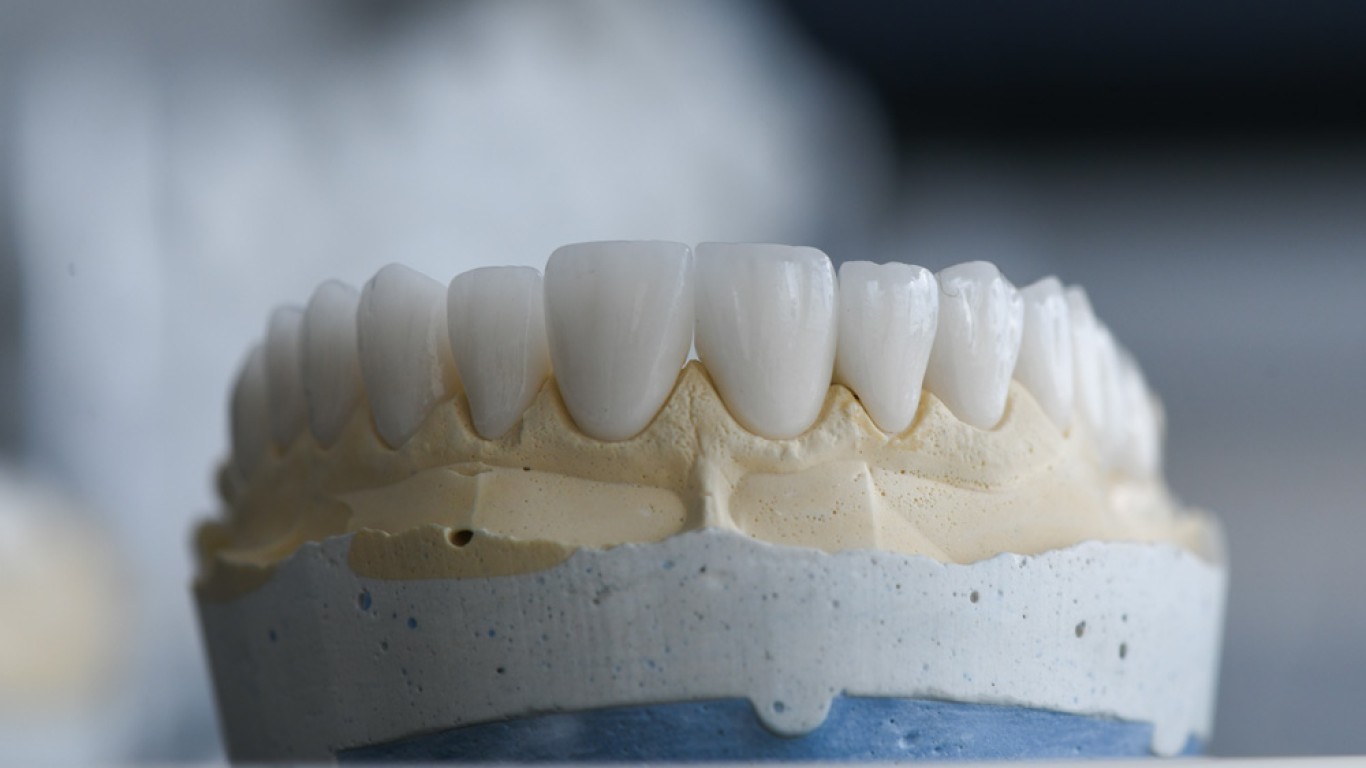
CAD/CAM technology is the backbone of modern digital dentistry restoration fabrication. Computer-aided design software creates precise digital models of crowns, veneers, inlays and bridges. The dentist or technician designs the restoration on screen, adjusting shape, contacts and occlusion digitally. Computer-aided manufacturing then fabricates the restoration through milling or printing. Chairside milling machines can produce a ceramic crown in as little as fifteen to twenty minutes. This enables same-day crown delivery in some cases. Laboratory-based CAD/CAM produces even more refined restorations with layered aesthetics. Digital dentistry through CAD/CAM ensures consistency and precision that manual fabrication methods struggle to match. The technology has become standard at modern dental clinics worldwide. Faster workflows improve convenience for patients needing extensive restorative dental treatment.

3D Printing in Digital Dentistry
3D printing has expanded the capabilities of modern dentistry significantly. Dental-grade 3D printers produce surgical guides for implant placement with sub-millimetre accuracy. Temporary crowns and bridges are printed quickly for immediate use. Clear aligner models are printed for orthodontic treatment. Denture bases and frameworks can be manufactured through printing technology. Biocompatible printing materials meet the requirements for intraoral use. Digital dentistry through 3D printing reduces laboratory turnaround times and costs. The technology enables customisation that would be impractical through traditional manufacturing. Many dental clinics now have in-house 3D printers that support same-day treatment workflows. The rapid evolution of digital dentistry printing capabilities continues to expand what’s possible at chairside. Faster production also improves efficiency for complex restorative and implant-based treatments.
AI and Digital Dentistry Diagnostics
Artificial intelligence is an emerging component of modern dentistry diagnostics. AI algorithms analyse dental radiographs to identify cavities, bone loss and pathology with high accuracy. The technology serves as a second opinion alongside the dentist’s clinical assessment. AI can detect subtle early changes that may be difficult to identify visually. Some digital dentistry platforms use AI to predict treatment outcomes and recommend optimal approaches. Smile design software uses AI to generate aesthetic proposals based on facial proportions. The technology supports but does not replace clinical judgement. Many dentistry AI applications are advancing rapidly with new capabilities emerging regularly. Patients benefit from the additional diagnostic accuracy that AI brings to their dental assessments. Earlier detection supports more conservative and preventive treatment planning whenever possible.
Digital Smile Design in Digital Dentistry
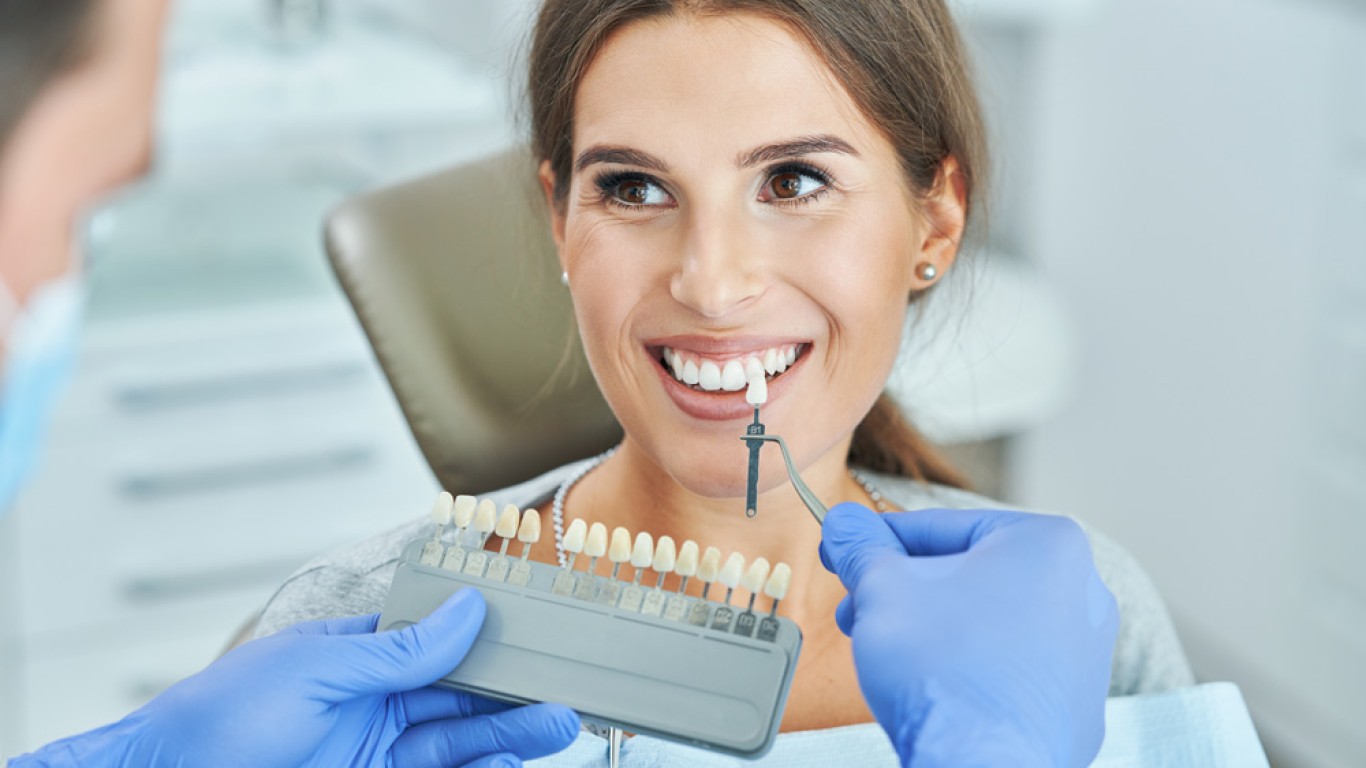
Digital smile design is one of the most patient-facing applications of technological dentistry. The process uses photographs and videos of the patient’s face to design their ideal smile digitally. The software analyses facial proportions, lip dynamics and tooth relationships. Dentist designs the proposed veneer or crown shapes within the digital framework. The patient previews their new smile on screen before any treatment begins. Adjustments are made collaboratively until both patient and dentist are satisfied. A physical mockup can be printed or fabricated for the patient to try in their mouth. Dentistry through smile design eliminates patients' uncertainty about how their results will look. The technology transforms cosmetic dentistry from guesswork into precise planning. Patients often feel more confident and involved throughout the treatment process.
Benefits of Digital Dentistry for Patients
Digital and technological dentistry delivers multiple benefits that directly improve the patient experience. Comfort improves because digital scanning replaces uncomfortable impression materials. Treatment time reduces because digital workflows are faster than manual processes. Accuracy increases because digital measurements are more precise than analogue methods. Communication improves because patients can see 3D models of their teeth and proposed treatments. Fewer appointments may be needed when same-day restorations are possible. The quality and fit of restorations improve through digital dentistry precision. Treatment planning becomes more predictable. Patients report higher satisfaction with digitally-planned and fabricated restorations. The overall dental experience feels more modern, comfortable and transparent. Reduced waiting times also make treatment more convenient for busy international patients.
Digital Dentistry in Turkey
Turkey has embraced modern dentistry extensively across its dental tourism sector. Many Turkish dental clinics invest heavily in the latest technology to attract international patients. Intraoral scanners, CAD/CAM machines, 3D printers and smile design software are standard at clinics. The combination of modern dentistry technology and competitive Turkish pricing creates exceptional value. Patients receive digitally-planned and fabricated restorations at a fraction of UK pricing. The technology ensures that the work quality at Turkish clinics matches or exceeds European providers. International patients benefit from precise digital treatment planning that can begin remotely before they travel. This streamlined approach improves efficiency and supports excellent communication before arrival in Turkey. Many clinics also provide multilingual coordinators to support international patients throughout treatment.
The Future of Digital Dentistry
Digital dentistry continues to evolve rapidly. Augmented reality may soon allow dentists to overlay treatment plans directly onto the patient’s mouth. Robotic-assisted dentistry is in development for specific applications. AI diagnostic accuracy continues to improve with each generation of algorithms. 3D printing materials are expanding to include permanent restoration-grade ceramics. Remote monitoring through smartphone apps tracks orthodontic progress. Dentistry in 2026 represents a significant advancement but the pace of innovation suggests even more dramatic improvements ahead. Patients can expect continued improvements in comfort, accuracy, speed and outcomes as modern dentistry evolves. Future developments may further personalise treatment and reduce recovery or adjustment times. Greater automation may also improve consistency and reduce laboratory production times significantly.
Conclusion
Digital dentistry encompasses intraoral scanning, CAD/CAM, 3D printing, AI diagnostics and digital smile design. These technologies improve accuracy, speed and patient comfort across all areas of dental care. Same-day restorations, precise implant planning and collaborative smile design are now routine capabilities. Turkey has embraced modern dentistry extensively, offering advanced technology at competitive pricing. The combination of digital precision and Turkish value creates a compelling proposition for international patients. Understanding helps patients appreciate the quality and make informed decisions about their providers and options. Continued technological progress is shaping a faster, more personalised and highly efficient future for dentistry. Patients increasingly benefit from shorter treatment times and more predictable long-term restorative outcomes.
To find out more information about digital dentistry in 2026, and to book a consultation visit the ACIBADEM Beauty Center Dental Treatments page.
Frequently Asked Questions
The integration of digital technology into diagnosis, planning and fabrication in dental care.
Yes, digital scanning is more comfortable than traditional impressions.
Yes, CAD/CAM technology enables same-day crown fabrication at equipped clinics.
Yes, digital methods consistently outperform traditional analogue techniques.
Yes, leading Turkish clinics invest heavily in the latest dental technology.