Ataşehir Mah. Feza Sk. No:3 İstanbul / Türkiye
 French
  English
  German
  Spanish
Introduction
Cosmetic dentistry has entered a more precise and personalised era. Patients now expect predictable results that reflect their individuality. Smiles are no longer designed using guesswork alone. Technology now plays a central role in treatment planning. Smile design dentistry has transformed how dentists visualise outcomes. Digital smile design allows patients to see potential results before treatment begins. This approach therefore builds confidence and clarity from the start.
What Is Digital Smile Design in Cosmetic Dentistry
Digital smile design is a planning system used in smile design dentistry. It combines photography, video and digital measurements. Dentists analyse facial features, teeth and proportions together. The smile is designed to suit the entire face. This method goes beyond tooth shape alone. It considers lips, symmetry and facial movement. Digital smile design creates a visual blueprint - this blueprint guides every stage of cosmetic treatment.
Why Smile Design Is Evolving Digitally
Traditional cosmetic dentistry relied heavily on experience and manual planning. While effective, outcomes were harder to visualise beforehand. Smile design dentistry now uses digital tools to improve predictability. So, patients can see simulations of their future smile. This transparency improves communication and trust. Digital planning reduces uncertainty for both patient and dentist. The shift reflects rising expectations for precision and personalisation.
How Facial Analysis Shapes Smile Design Dentistry
Facial analysis is central to smile design. Dentists assess facial proportions, symmetry and expressions. Smiles are evaluated during speech and movement. This dynamic approach ensures natural-looking results. Teeth are designed to complement lips and facial contours. Digital smile design allows precise measurement of these relationships. The goal is harmony rather than perfection, and facial balance guides every design decision throughout.
The Role of Digital Photography and Video
High-quality images are essential in smile design dentistry. Photographs capture facial structure and tooth display. Videos show how the smile moves naturally. This information helps dentists design realistic outcomes. Static impressions alone are no longer sufficient. Digital smile design uses visual data extensively. Accurate records support better planning. This level of detail improves final aesthetics.
Smile Design Dentistry and Personalised Treatment Planning
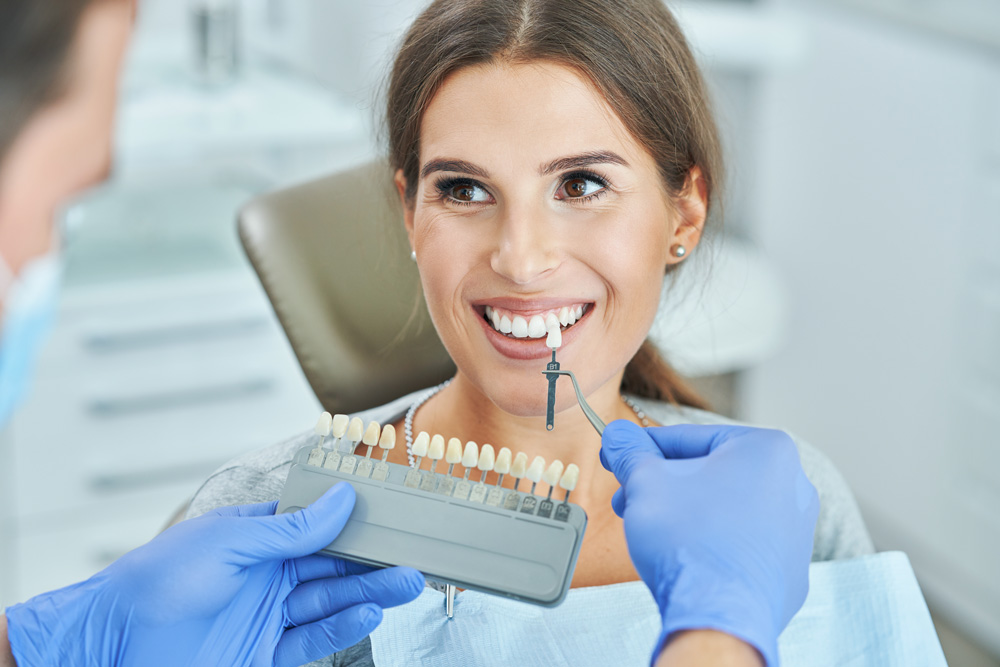
No two smiles should look identical. Smile design dentistry focuses on individuality. Digital tools allow customisation at every stage. Tooth length, width and colour are adjusted digitally. Patients can give feedback before treatment begins, and this collaboration improves satisfaction. Digital smile design ensures the final result reflects personal style. Personalisation is now a core expectation.
Previewing Results Before Cosmetic Dentistry Treatment
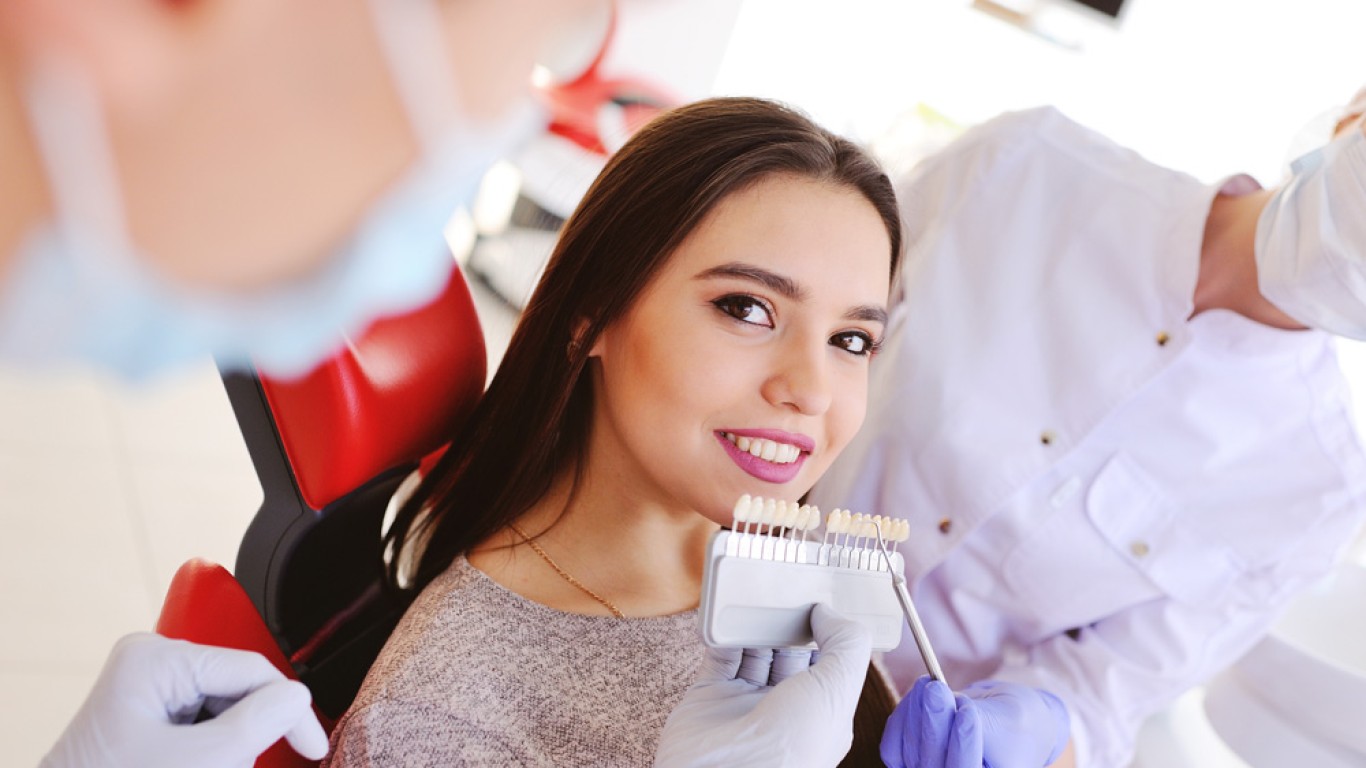
One major advantage of smile design is previewing results. Digital simulations show the proposed smile clearly. Patients understand what changes are planned, so this preview reduces anxiety and uncertainty. Adjustments can be made early in the process. Digital smile design improves decision-making, and seeing results in advance builds confidence. Predictability is a major benefit of this procedure.
Smile Design Dentistry and Minimally Invasive Approaches
Digital planning supports conservative treatment choices. Smile design helps preserve natural tooth structure. Dentists can plan subtle adjustments precisely. Over-treatment becomes less likely with accurate previews. Digital smile design supports minimally invasive cosmetic dentistry. The focus is enhancement, not replacement. This aligns with modern patient preferences. Preservation and aesthetics work together.
The Impact of Digital Smile Design on Veneers and Bonding
Smile design dentistry is widely used for veneers and bonding. Digital planning ensures symmetry and proportion. Veneer size and placement are visualised before preparation. Composite bonding benefits from guided shaping because the final smile closely matches the original plan. This consistency improves outcomes, and cosmetic restorations will appear much more natural.
Smile Design Dentistry and Communication Between Dental Teams
Digital smile design improves team collaboration. Dentists and technicians share the same visual plan. Laboratories receive precise digital instructions. This alignment reduces misunderstandings. Smile design benefits from clear communication. Everyone works towards the same aesthetic goal. Digital workflows also further streamline the process. This consistency improves both efficiency and results.
How Smile Design Enhances Patient Confidence
Confidence grows when patients understand their treatment. Smile design dentistry involves patients actively. Seeing and discussing designs builds trust. Patients feel heard and involved. Digital smile design removes uncertainty. This emotional reassurance matters greatly. Confidence before treatment often leads to satisfaction afterward. Transparency strengthens the patient experience.
Smile Design Dentistry for Full Smile Makeovers
Full smile makeovers benefit greatly from digital planning. Smile design dentistry coordinates multiple treatments effectively. Teeth, gums and bite are planned together. Digital smile design ensures harmony across procedures. Sequencing treatments becomes clearer, and the final smile will appear cohesive and more balanced. Large transformations feel controlled and predictable.
Long-Term Aesthetic Planning
Digital planning supports long-term thinking. Smile design dentistry considers how results age over time. Proportions are designed for longevity. Maintenance becomes easier with clear planning. Digital smile design helps dentists anticipate future needs. This forward-thinking approach benefits patients. Aesthetic goals remain sustainable. Longevity becomes part of design.
Smile Design Dentistry Compared With Traditional Cosmetic Dentistry
Traditional cosmetic dentistry relied on trial and adjustment. Smile design uses data and visualisation. Firstly, digital planning increases accuracy. Outcomes are more predictable. Also, patients feel more informed throughout. Digital smile design reduces uncertainty. This evolution reflects broader healthcare trends - where technology enhances expertise rather than replacing it.
Conclusion
Smile design dentistry is redefining cosmetic dentistry through digital innovation. Digital smile design offers precision, predictability and personalisation. Patients benefit from visual planning and collaboration. Dentists achieve consistent, natural-looking results. This approach reflects modern aesthetic values; the future of cosmetic dentistry is clearly digital. Smile design dentistry leads this transformation confidently.
For more information and to book a consultation visit the ACIBADEM Beauty Center Dental Treatments webpage.
Frequently Asked Questions
Smile design dentistry uses digital tools to plan cosmetic dental treatments based on facial harmony.
It allows patients to preview results and participate in treatment planning decisions.
No, it supports veneers, bonding, whitening and full smile makeovers.
Yes, digital planning increases precision and predictability of cosmetic results.
It combines technology, personalisation and collaboration for modern cosmetic dentistry outcomes.