Ataşehir Mah. Feza Sk. No:3 İstanbul / Türkiye
 English
  German
  Spanish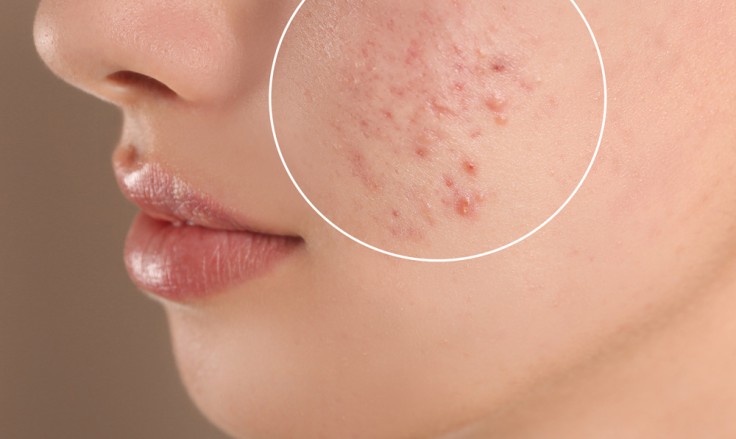
Introduction
Acne scarring is one of the most common skin concerns patients bring to aesthetic clinics. The uneven texture and indentations affect confidence significantly. Many patients explore microneedling as a treatment option. Microneedling treatment has gained significant popularity in recent years. The procedure stimulates the skin's natural repair process. But what about microneedling acne scars? This article examines the evidence and explains what patients should know. It covers mechanism, effectiveness, treatment course and realistic expectations.
What Is Microneedling?
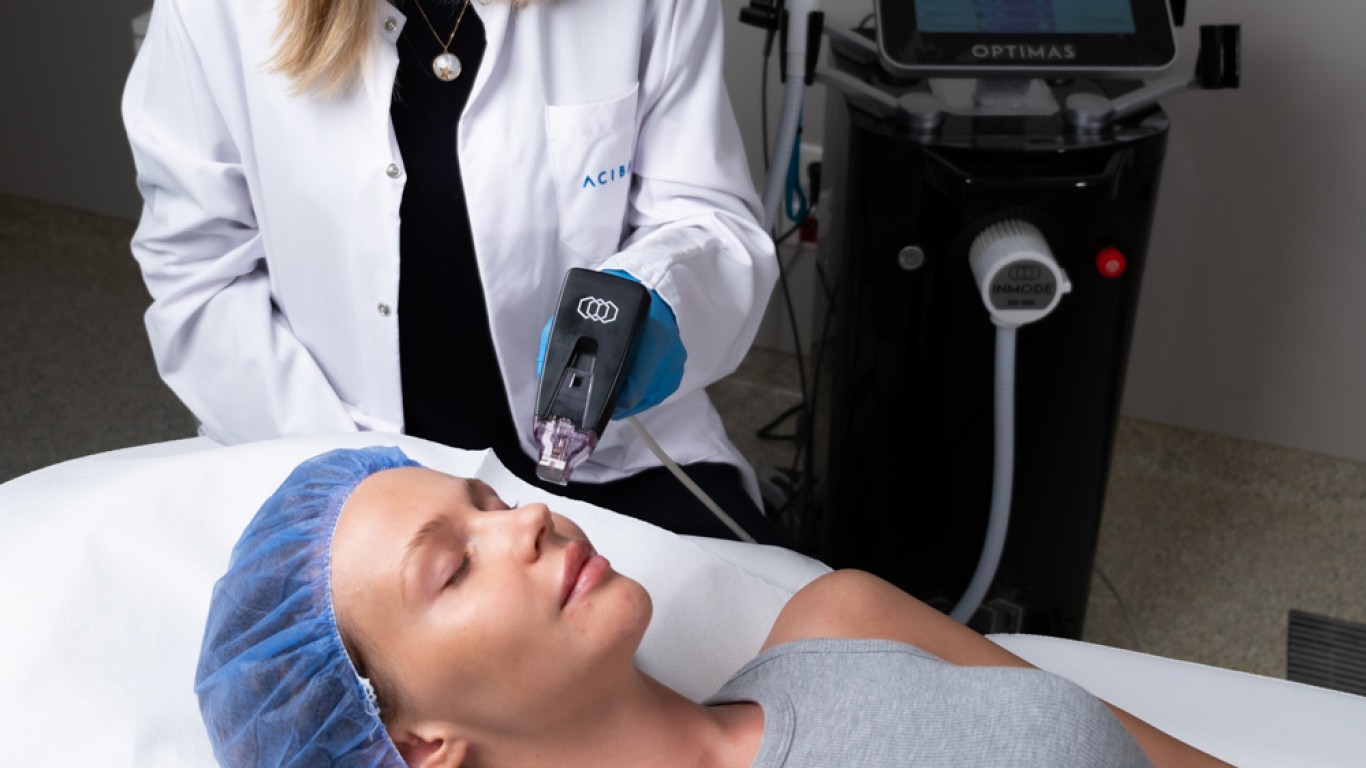
Microneedling uses a device covered in fine, short needles. These needles create controlled micro-injuries in the skin surface. The injuries are tiny. They heal within hours to days. The body responds by producing new collagen and elastin. This natural healing process is called collagen induction therapy. Microneedling acne scars treatment harnesses this response specifically. The micro-injuries stimulate remodelling beneath the scar tissue. New collagen fills in depressed areas from below. The skin surface becomes progressively smoother over multiple sessions. The treatment is performed using a derma pen or roller device. Professional devices allow adjustable needle depth. Depth settings are customised to the scar type and treatment area.
How Microneedling Acne Scars Treatment Works
Acne scars form when the skin heals improperly after inflammation. Collagen is produced in irregular patterns. Depressed scars result from too little collagen. Raised scars result from too much. Microneedling acne scars treatment addresses depressed scars most effectively. The needles break through fibrous scar tissue bands. These bands tether depressed scars to deeper structures. Releasing them allows the scar to lift. Simultaneously, the controlled injuries trigger a healing cascade. Growth factors are released. Fibroblasts produce new collagen over the following weeks. Microneedling treatment remodels the scar tissue progressively. Each session adds new collagen to the area. The cumulative effect across multiple treatments produces visible improvement in texture and depth.
Is Microneedling Acne Scars Treatment Effective?
Yes. Clinical evidence supports its effectiveness. Multiple studies demonstrate improvement in scar texture and depth after microneedling. Patient satisfaction rates are consistently positive. Microneedling acne scars treatment produces moderate improvement in most patients. Rolling scars respond most favourably. These broad, undulating scars improve well with collagen stimulation. Boxcar scars also respond positively. Ice pick scars are narrower and deeper. They respond less dramatically to standard microneedling. Combining microneedling with other treatments improves results for resistant scar types. Microneedling acne scars treatment does not produce flawless skin. Complete scar removal is not achievable with any single treatment. However, the improvement in texture is typically meaningful and visible. Most patients describe their skin as noticeably smoother after completing a course.

Microneedling Acne Scars: Treatment Course
Most patients require three to six sessions. Sessions are spaced four to six weeks apart. Each session builds on the collagen response from previous treatments. Microneedling acne scars improvement develops cumulatively. Results become more visible with each session. Some patients notice texture improvement after the first treatment. Significant visible change typically appears from session three onwards. Collagen remodelling continues for up to three months after each session. The full course effect is therefore assessed several months after the final treatment. Microneedling acne scars treatment at professional depth settings produces stronger results than home-use devices. Professional devices reach one to two and a half millimetres. Home devices typically reach only point two five to point five millimetres. The greater depth drives a more significant collagen response.
Microneedling Acne Scars vs RF Microneedling
Standard microneedling and RF microneedling are frequently compared. Both create micro-injuries. RF microneedling adds radiofrequency energy through the needle tips. This additional heat enhances the collagen response significantly. Microneedling acne scars treatment with RF produces faster and more dramatic results in most studies. The thermal energy causes immediate collagen contraction. It also drives a stronger long-term remodelling response. RF microneedling is particularly effective for moderate to severe scarring. Standard microneedling suits mild to moderate concerns. It remains effective and costs less per session. Microneedling acne scars treatment choice depends on scar severity and budget. Patients with deeper scarring benefit from the enhanced RF approach. Those with mild texture concerns may achieve their goals with standard microneedling alone.
Recovery After Microneedling Acne Scars Treatment
Recovery is straightforward. Redness is expected immediately after treatment. It resembles mild sunburn. Redness resolves within twenty-four to seventy-two hours. Mild swelling may occur for one to two days. The skin may feel tight or slightly rough during the first few days. Microneedling acne scars recovery allows most patients to return to normal activities within twenty-four hours. Makeup can usually be applied from the following day. Sun protection is essential during healing. SPF should be applied daily for several weeks. Gentle skincare products support recovery between sessions. Active ingredients should be avoided for three to five days after treatment. The practitioner provides specific aftercare instructions. Downtime is minimal compared with ablative laser treatments.
Who Suits Microneedling Acne Scars Treatment?
The treatment suits patients with mild to moderate acne scarring. Rolling and boxcar scars respond best. Microneedling acne scars treatment is safe for most skin types and tones. This is a significant advantage over some laser treatments that carry pigmentation risk for darker skin. Active acne should be controlled before starting. Treating inflamed skin risks spreading bacteria and worsening the condition. Patients with realistic expectations achieve the highest satisfaction. Microneedling acne scars treatment improves texture significantly. It does not eliminate all scarring. Consultation evaluates individual scar types and recommends the most effective approach. Some patients benefit from combining microneedling with other treatments for comprehensive scar correction.
Microneedling Acne Scars: Cost and Accessibility
The treatment is widely available. UK pricing ranges from one hundred fifty to four hundred pounds per session. A full course of three to six sessions represents the total investment. Turkey offers microneedling at competitive pricing. Turkish clinics use professional-grade devices. Experienced practitioners perform the treatment at leading aesthetic facilities. Microneedling acne scars treatment can be combined with other skin treatments during a visit. The lower pricing in Turkey makes completing the full recommended course more accessible. Professional consultation determines the most appropriate treatment plan for individual scarring. Many clinics offer personalised treatment packages for multiple sessions. This helps patients budget confidently for their complete treatment course.
Conclusion
Microneedling acne scars treatment is an effective, evidence-supported approach to improving acne scar texture. The procedure stimulates collagen production through controlled micro-injuries. Three to six sessions produce cumulative improvement. Rolling and boxcar scars respond most favourably. Recovery is minimal. The treatment is safe for most skin types. Microneedling acne scars improvement is meaningful though complete scar elimination is not achievable. RF microneedling offers enhanced results for more severe scarring. Professional consultation ensures the right treatment plan for individual concerns. Turkey offers microneedling at competitive pricing with experienced practitioners. Completing the recommended treatment course produces the most consistent long-term improvements. Good skincare habits help maintain smoother, healthier-looking skin after treatment.
For more information about microneedling and to book a consultation visit the ACIBADEM Beauty Center Skin Treatments page.
Frequently Asked Questions
It significantly improves texture. Complete removal is not achievable with any single treatment.
Three to six sessions spaced four to six weeks apart.
Yes. Microneedling is safe for most skin types and tones.
Minimal. Redness resolves within one to three days.
RF microneedling produces stronger results for moderate to severe scarring.