Ataşehir Mah. Feza Sk. No:3 İstanbul / Türkiye
 English
Introduction
Profhilo injections have become one of the most talked-about skin rejuvenation treatments in aesthetic medicine. The treatment uses hyaluronic acid. So do dermal fillers. This similarity creates confusion among patients. However, the two treatments work very differently. They address different concerns. They produce different results. Understanding how profhilo differs from fillers helps patients choose the right treatment. This article explains what profhilo is, how it works and how it compares with dermal fillers across key factors.
What Are Profhilo Injections?
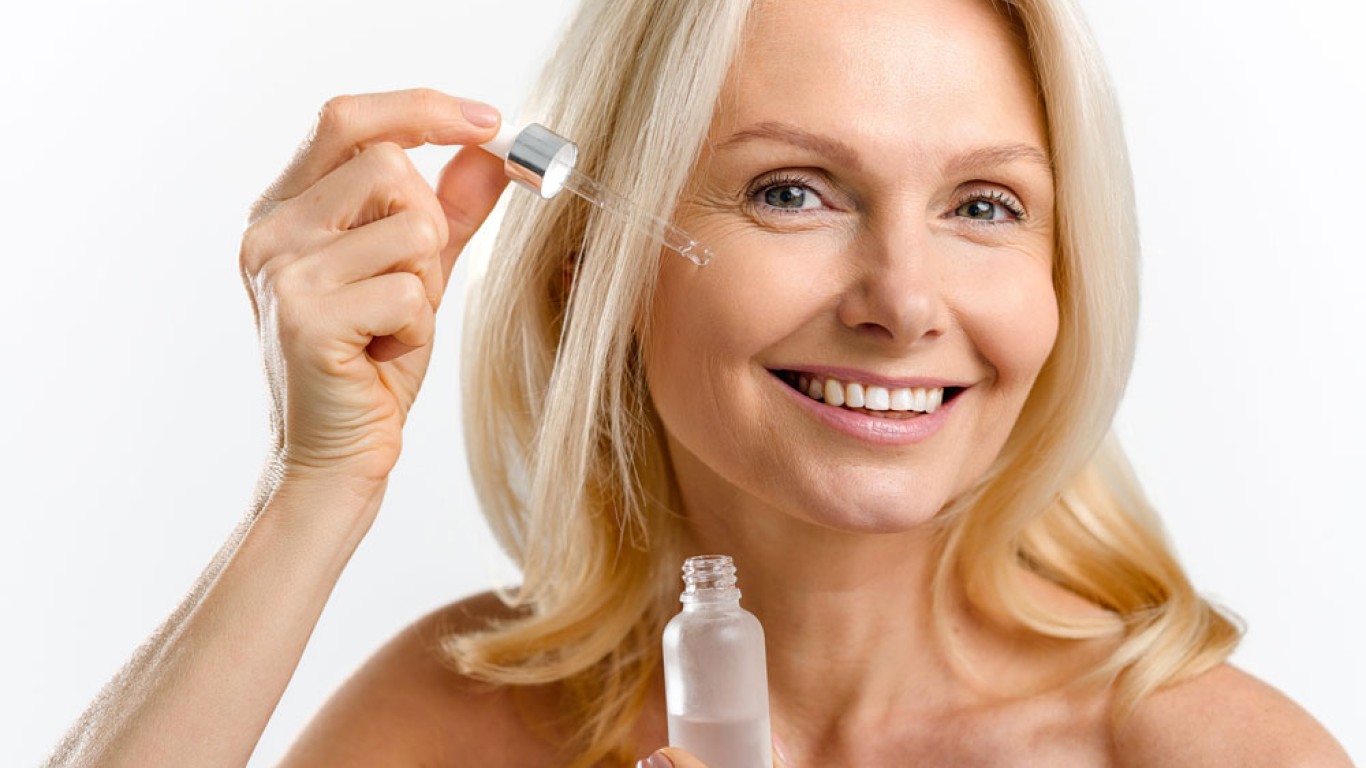
Profhilo injections use ultra-pure hyaluronic acid. The product contains one of the highest concentrations of HA available. It is not cross-linked. This means it flows freely beneath the skin rather than staying in one place. Profhilo spreads across a wide area after placement. The product hydrates the skin from within. It stimulates collagen and elastin production. The skin becomes firmer, more hydrated and more luminous over the treatment course. Profhilo does not add volume. They do not change facial structure. The treatment improves skin quality rather than altering appearance. It is classified as a bioremodelling treatment. This distinguishes it from both fillers and traditional skin boosters. The product was developed in Italy and has gained rapid global adoption since its launch.
How Profhilo Injections Work
The mechanism is distinct from other injectable treatments. Injections deliver hyaluronic acid that disperses broadly beneath the skin. The product stimulates four different types of collagen and elastin. This comprehensive stimulation remodels the skin's structural support network. Profhilo also attracts and binds moisture within the dermis. Each molecule holds up to one thousand times its weight in water. The intense hydration plumps the skin from within. Fibroblast activity increases. These cells produce the collagen and elastin that maintain skin firmness. The treatment creates a biological cascade rather than a mechanical fill. Profhilo works with the body's own repair processes. Results develop gradually as the biological response takes effect over several weeks following treatment.
How Profhilo Injections Differ from Dermal Fillers
| Feature | Profhilo Injections | Dermal Fillers |
| Purpose | Skin quality improvement | Volume addition |
| Product type | Ultra-pure hyaluronic acid | Cross-linked HA gel |
| Adds volume | No | Yes |
| Alters structure | No | Yes |
| Injection points | Five per side (BAP technique) | Variable by area |
| Sessions required | Two (four weeks apart) | One |
| Results duration | Six to twelve months | Six to twenty-four months |
The fundamental difference is purpose. Profhilo improves overall skin quality. Fillers add volume to specific areas. Profhilo does not lift cheeks or define jawlines. Fillers do not improve skin hydration or stimulate collagen across broad areas. Profhilo treats the canvas. Fillers sculpt features on that canvas. The products are formulated differently. Filler gel is cross-linked to maintain its shape. Profhilo is fluid and disperses freely. The injection techniques differ completely. Profhilo uses a standardised five-point pattern per side. Fillers are placed precisely in targeted locations. Patients often benefit from both treatments used at different times or in combination.

The Profhilo Injections Procedure
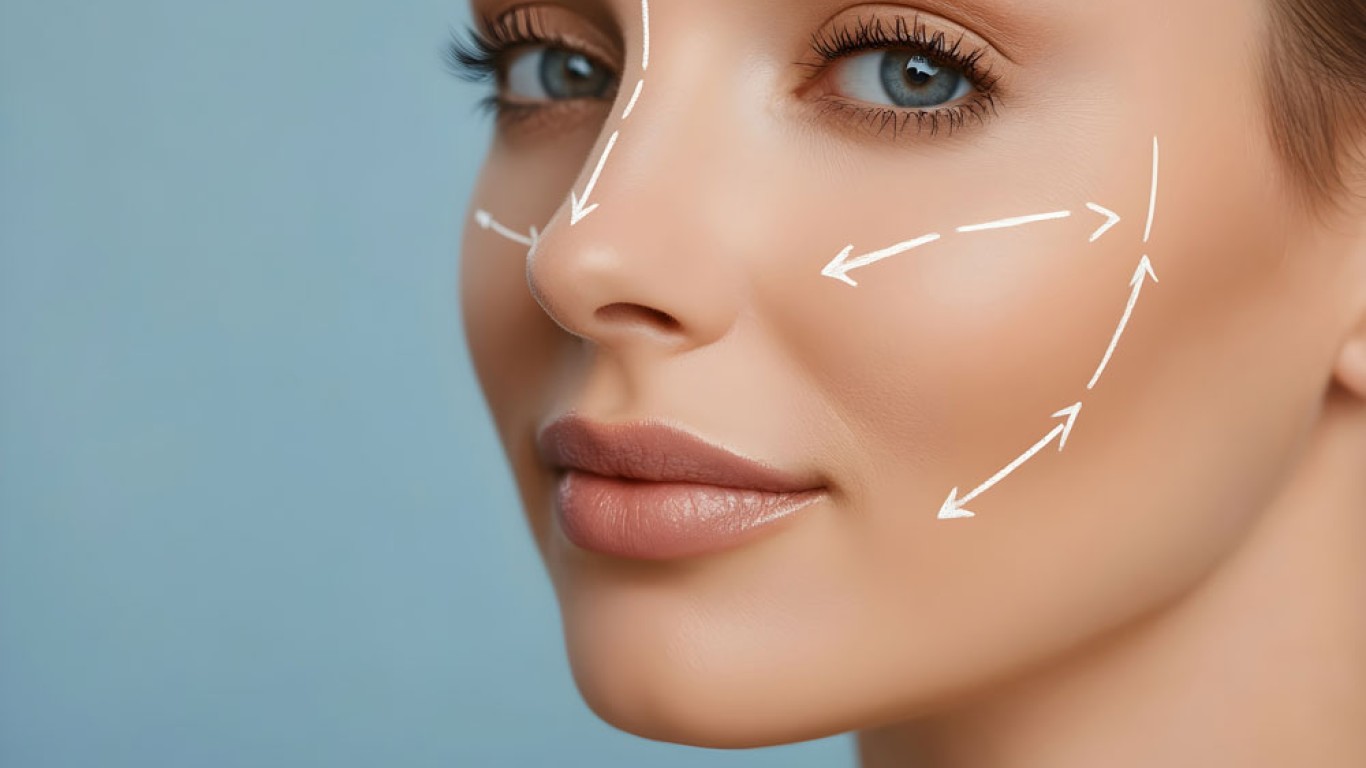
The treatment follows a specific protocol. Profhilo uses the bio aesthetic point technique. Five injection points are placed on each side of the face. These points are positioned to allow optimal product distribution. The practitioner cleanses the skin before treatment. No topical anaesthetic is usually required. Each injection is quick. Most patients describe a brief sting at each point. Profhilo takes approximately fifteen to twenty minutes. Small bumps appear at the injection sites. These flatten within twelve to twenty-four hours. Two sessions are required. They are spaced four weeks apart. The first session initiates the biological response. The second session amplifies the effect. Most patients notice visible improvement two to four weeks after the second session.
Profhilo Injections: Results and Duration
Results develop gradually. Hydration improvement appears within the first week. Skin feels dewier and more plump. Firmness improves over the following weeks as collagen stimulates. Profhilo produces peak results approximately two months after the second session. The skin appears smoother, firmer and more radiant. Fine lines soften as the skin structure strengthens from within. The overall impression is of healthier, younger-looking skin. Profhilo results last approximately six to twelve months. Duration depends on individual skin condition, age and lifestyle factors. Maintenance sessions every six to twelve months sustain the improvement. Many practitioners recommend a top-up course of two sessions annually. The treatment produces cumulative benefit. Each course builds on the previous improvement. Patients who maintain regular treatment notice progressively better skin quality over time.
Who Suits Profhilo Injections?
The treatment suits a broad range of patients. Those with dull, dehydrated or tired-looking skin benefit most. Patients noticing early loss of skin firmness and elasticity are ideal candidates. Profhilo suits patients from their early thirties onwards. Younger patients use it as a preventive skin health treatment. Older patients use it alongside other rejuvenation approaches. The treatment suits patients who want improvement without structural change. Those who dislike the idea of volume addition prefer profhilo. Profhilo works well on the face, neck, hands and decolletage. The neck responds particularly well. Crepey skin quality improves noticeably. Patients with significant volume loss need fillers rather than profhilo. Those wanting both skin quality and volume benefit from combining both treatments in a sequenced programme.
Profhilo Injections vs Skin Boosters
Patients also compare profhilo with traditional skin boosters. Both hydrate the skin. Both use hyaluronic acid. However, profhilo produces a stronger biological response. Traditional skin boosters hydrate but stimulate less collagen production. Profhilo contains a higher concentration of HA. Its unique formulation triggers more comprehensive tissue remodelling. Skin boosters require more sessions. Typically three to four are needed. Profhilo requires only two sessions per course. The treatment protocol is simpler and more convenient. Results from profhilo are generally more noticeable than from traditional skin boosters. The firmness improvement is more pronounced. Profhilo injections have largely replaced traditional skin boosters at many leading aesthetic clinics. The superior biological response and simpler protocol make it the preferred option for most practitioners. Patients seeking natural-looking improvement often prefer profhilo because facial features remain completely unchanged.
Conclusion
Profhilo injections improve skin quality through deep hydration and collagen stimulation. They differ fundamentally from dermal fillers. Profhilo does not add volume or alter facial structure. Fillers do. Profhilo injections treat overall skin health. Two sessions produce visible improvement in firmness, hydration and radiance. Results last six to twelve months. The treatment suits patients wanting healthier skin without structural change. Profhilo injections combine effectively with fillers and other treatments for comprehensive rejuvenation. Professional consultation ensures the right approach for individual concerns. Turkey offers profhilo at competitive pricing with experienced aesthetic practitioners. Regular maintenance helps preserve healthier skin quality and prolongs the visible rejuvenation achieved with treatment.
For more information about profhilo and to book a consultation visit the ACIBADEM Beauty Center Skin Treatments page.
Frequently Asked Questions
No. They improve skin quality, hydration and firmness without adding volume.
Two sessions spaced four weeks apart per course.
Six to twelve months. Maintenance courses sustain the improvement.
Yes. They complement each other. Space the treatments two weeks apart.
Most patients describe mild stinging. No anaesthetic is usually required.