Ataşehir Mah. Feza Sk. No:3 İstanbul / Türkiye
 English
  German
  Spanish
Introduction
Injectable fillers are one of the most widely performed non-surgical aesthetic treatments available. They restore lost volume, smooth lines and enhance facial contours. Despite their popularity, many first-time patients have questions before committing to treatment. This article answers the most frequently asked questions about dermal fillers. It covers how they work and what areas they treat. It also explains how long results last and what to expect during and after. Whether you are considering fillers for the first time or want to understand more, this guide provides clear answers. It addresses the questions most commonly raised during consultations.
What Are Dermal Fillers?
Dermal fillers are injectable substances used to restore volume and smooth the skin. The most widely used type contains hyaluronic acid. This is a substance that occurs naturally in the body. It attracts and retains moisture, giving skin a plump, hydrated appearance. Other filler types include calcium hydroxylapatite, which also stimulates collagen production. Poly-L-lactic acid fillers work by gradually stimulating the body's own collagen over time. Each type has specific properties suited to different areas and concerns. Hyaluronic acid fillers are the most popular because they are reversible. An enzyme called hyaluronidase can dissolve them if needed. This makes them one of the safest and most flexible non-surgical options available.
What Areas Can Dermal Fillers Treat?
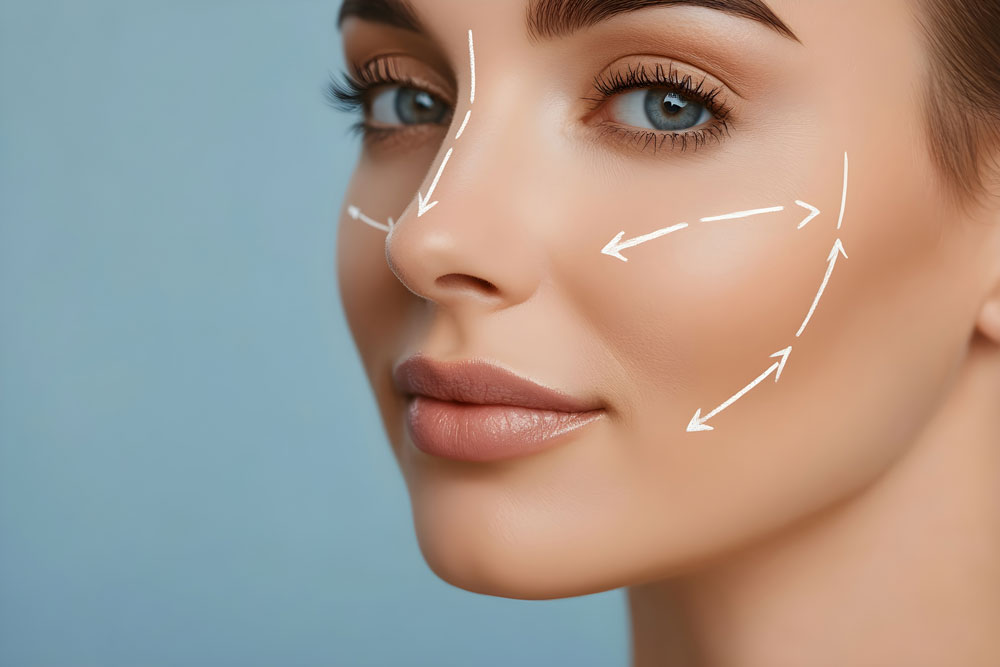
Dermal fillers can address a wide range of facial concerns. The lips are among the most commonly treated areas. Fillers add volume and define the lip border. The cheeks can be lifted and volumised to restore a youthful midface. The nasolabial folds run from the nose to the corners of the mouth. They respond well to filler. Marionette lines along the chin can be softened. The under-eye area, known as the tear trough, can be treated to reduce hollowing. Jawline can be defined and the chin projected without surgery. The temples can be filled to address hollowing that develops with age. Fillers can also be used on the hands to restore volume lost over time.
How Long Do Dermal Fillers Last?
How long dermal fillers last depends on the product type, the area treated and individual metabolism. Lip fillers typically last six to twelve months. This area breaks down product faster due to movement. Cheek and midface fillers often last twelve to eighteen months. Tear trough filler can last up to two years in some patients. Thicker, denser products placed in structural areas last longer than lighter products in mobile areas. Individual metabolism plays a significant role. Patients with faster metabolisms may find results fade more quickly. Repeated treatments over time can extend results as collagen is stimulated. Most practitioners recommend maintenance appointments every six to twelve months to keep results looking their best. Regular reviews also allow subtle adjustments that maintain natural-looking facial balance and symmetry.
Do Dermal Fillers Hurt?
Most patients experience mild discomfort during dermal filler injections rather than significant pain. Topical anaesthetic cream is applied to the treatment area beforehand. This numbs the skin and reduces discomfort considerably. Most modern hyaluronic acid fillers also contain lidocaine within the product itself. This further reduces sensation during injection. The lips are the most sensitive area and may cause more noticeable discomfort. Other areas such as the cheeks or jawline are generally better tolerated. A brief stinging or pressure sensation is normal during injection. This passes quickly once the product is placed. Most patients describe the experience as manageable. It is far less uncomfortable than many expect before their first session. Treatment sessions are usually completed quickly, which helps improve overall patient comfort.
What Are the Common Dermal Fillers Side Effects?
Side effects from dermal fillers are generally mild and temporary. Redness and swelling at the injection sites are the most common. These typically resolve within twenty-four to forty-eight hours. Bruising is possible, particularly around the lips and under the eyes. This usually fades within a week. Tenderness at the injection sites is normal for the first day or two. In rare cases, small lumps or irregularities may appear under the skin. These can often be gently massaged out or dissolved if needed. Serious complications such as vascular occlusion are rare but can occur. This underlines the importance of choosing a qualified and experienced practitioner. Always have treatment in a clinical setting with access to emergency dissolving treatment. Following aftercare advice carefully can also help minimise temporary swelling and bruising.
How Do Dermal Fillers Differ from Botox?
Dermal fillers and Botox are often confused but work in completely different ways. Botox relaxes the muscles that cause dynamic wrinkles. These are the lines formed by repeated facial expressions. Frown lines, forehead lines and crow's feet respond well to Botox. Dermal fillers restore volume and fill static lines. These are the lines and hollows present at rest. Cheek volume loss, deep nasolabial folds and lip thinning are addressed with fillers. Many patients benefit from a combination of both treatments. Botox addresses movement-related lines while fillers restore structural support and volume. Used together, they provide a more comprehensive rejuvenation than either treatment alone. A practitioner can advise on the right approach for individual concerns during consultation. Combined treatment plans are often tailored to the patient's age, anatomy and goals.
Are Dermal Fillers Safe?
These treatments are safe when administered by a qualified and trained practitioner. They should always be performed in a clinical environment. Using approved, medical-grade products from reputable manufacturers is essential. Hyaluronic acid fillers have a well-established safety record spanning many years. The reversibility of hyaluronic acid products with hyaluronidase adds an additional safety layer. Choosing a practitioner with specific injectable training reduces risk significantly. Patients should disclose all medical history and current medications before treatment. Certain blood thinning medications increase bruising risk. Pregnancy and breastfeeding are contraindications for filler treatment. Avoiding unregulated clinics or practitioners offering unusually low prices protects patients from the risks associated with substandard products. A detailed consultation helps ensure the treatment plan is both appropriate and personalised.
Choosing the Right Clinic for the Procedure
Choosing the right clinic is as important as choosing the right treatment. Dermal fillers should only be administered by a qualified medical professional. In the UK, look for practitioners regulated by the General Medical Council or equivalent body. In Turkey, seek JCI-accredited clinics with verifiable practitioner credentials. Ask to see before and after photographs of previous patients. Read independent reviews on verified platforms. The consultation should feel thorough. The practitioner should assess your facial anatomy carefully before recommending a treatment plan. Transparent pricing with no hidden costs is a positive sign. Never choose a provider based solely on price. The right combination of skill, products and clinical environment produces the safest and most natural results. Patients should also feel comfortable asking questions and discussing their aesthetic goals openly.
Conclusion
Dermal fillers are a versatile, effective and well-established non-surgical treatment. They address volume loss, soften lines and enhance facial features across a wide range of areas. Results last six months to two years depending on the product and area treated. Side effects are typically mild and temporary. Choosing a qualified practitioner using approved products is the most important safety consideration. Dermal fillers differ from Botox in mechanism and target concerns. Many patients benefit from combining both. A thorough consultation identifies the most appropriate approach for each individual. Professional treatment in an accredited clinical setting ensures the safest and most satisfying outcome.
Many patients in Turkey access dermal fillers at significantly lower cost than at home. Quality at JCI-accredited Turkish clinics is fully comparable to leading UK providers. This makes regular maintenance treatment accessible to a wider range of patients. Advances in filler technology continue improving treatment precision, comfort and overall patient satisfaction.
For more information about dermal filler and to book a consultation visit the ACIBADEM Beauty Center Dermal Fillers page.
Frequently Asked Questions
Most are made from hyaluronic acid, a naturally occurring substance in the body. Other types include calcium hydroxylapatite and poly-L-lactic acid, each with different properties and longevity.
Results vary by area and product. Lip fillers last six to twelve months. Cheek and structural fillers can last twelve to eighteen months or longer.
Most patients experience mild discomfort. Topical anaesthetic and lidocaine within the filler product make the treatment well-tolerated for most people.
Yes. Hyaluronic acid fillers can be dissolved using an enzyme called hyaluronidase. This makes them one of the safest and most flexible injectable options available.
Look for a qualified medical professional with specific injectable training. They should use a clinical setting, approved products and offer a thorough consultation before treatment.