Ataşehir Mah. Feza Sk. No:3 İstanbul / Türkiye
 French
  English
  German
  Spanish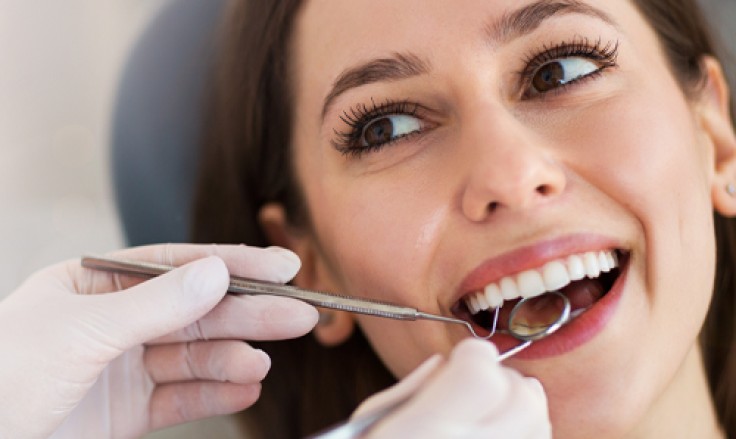
A full mouth bridge offers a complete solution for those missing several teeth. It provides stable support, balanced chewing, and improved overall comfort. Because it replaces an entire row of teeth, the treatment focuses on structure, alignment, and long-term function. This guide explains how the treatment works and who may benefit. Learn how modern technology supports predictable and natural results.
What a Full Mouth Bridge Is Designed to Do
It replaces a full arch of missing teeth using a connected restoration. It attaches to natural teeth or dental implants, depending on jaw structure. Because the bridge spans the entire jaw section, it restores balance, symmetry, and chewing strength. Dentists design the bridge to match natural contours and facial proportions.
When Full Mouth Bridge Treatment Is Considered
This treatment suits individuals missing multiple teeth across one arch. It also suits those with weakened teeth that require structured support. Additionally, it suits those who want a fixed alternative to removable dentures. Dentists evaluate gum health, bone structure, and bite alignment before recommending a full mouth bridge.
Types of Full Mouth Bridge Designs
There are several designs suited to different needs.
- Tooth-supported bridges:
- These attach to natural teeth that remain strong enough to support the bridge.
- Implant-supported bridges:
- These attach to implants placed strategically across the jaw.
- Hybrid full arch designs:
- These combine both approaches when needed.
Each design supports different structural patterns and bite forces.
How Tooth-Supported Bridges Work
Tooth-supported bridges rely on natural teeth prepared to hold the bridge. Dentists shape the support teeth to allow smooth placement. The bridge then connects securely across the arch. Because it uses natural anchors, this option suits those with some remaining tooth stability.

How Implant-Supported Full Mouth Bridges Work
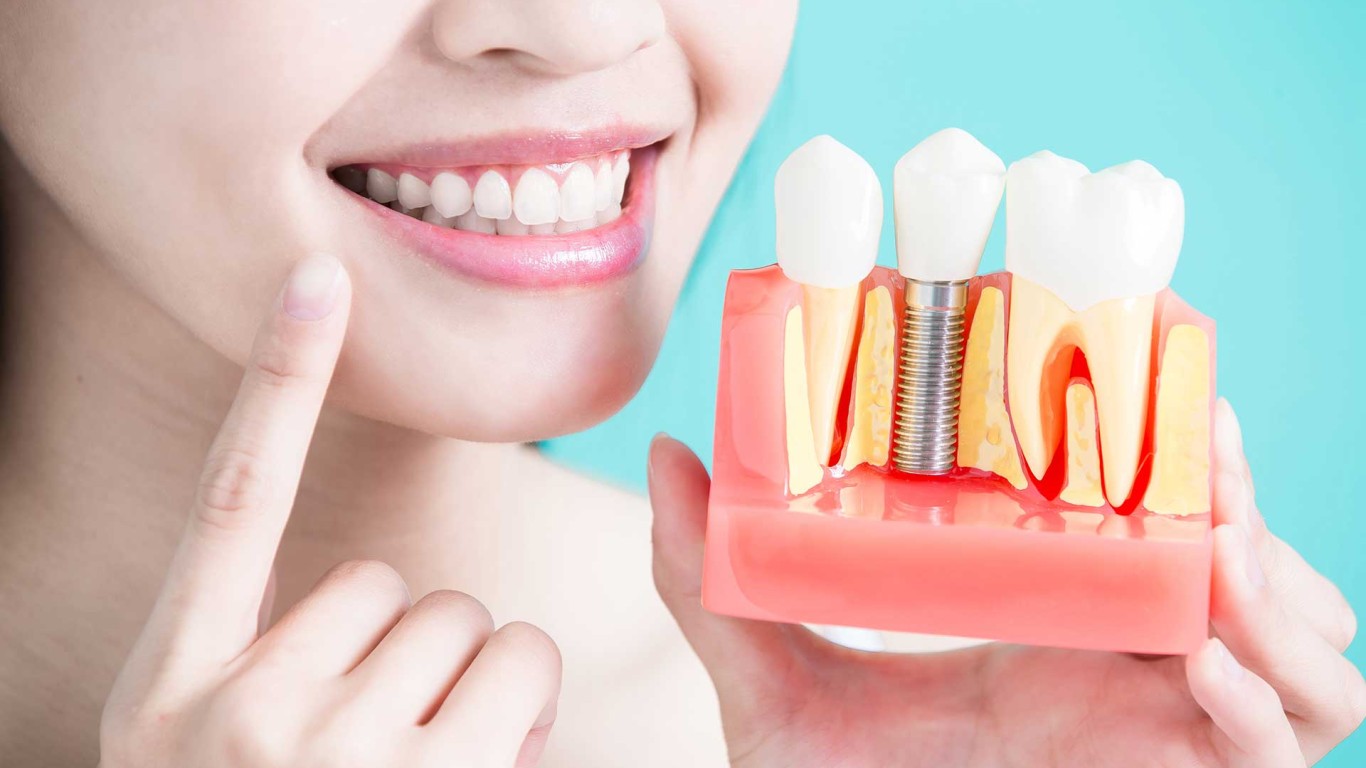
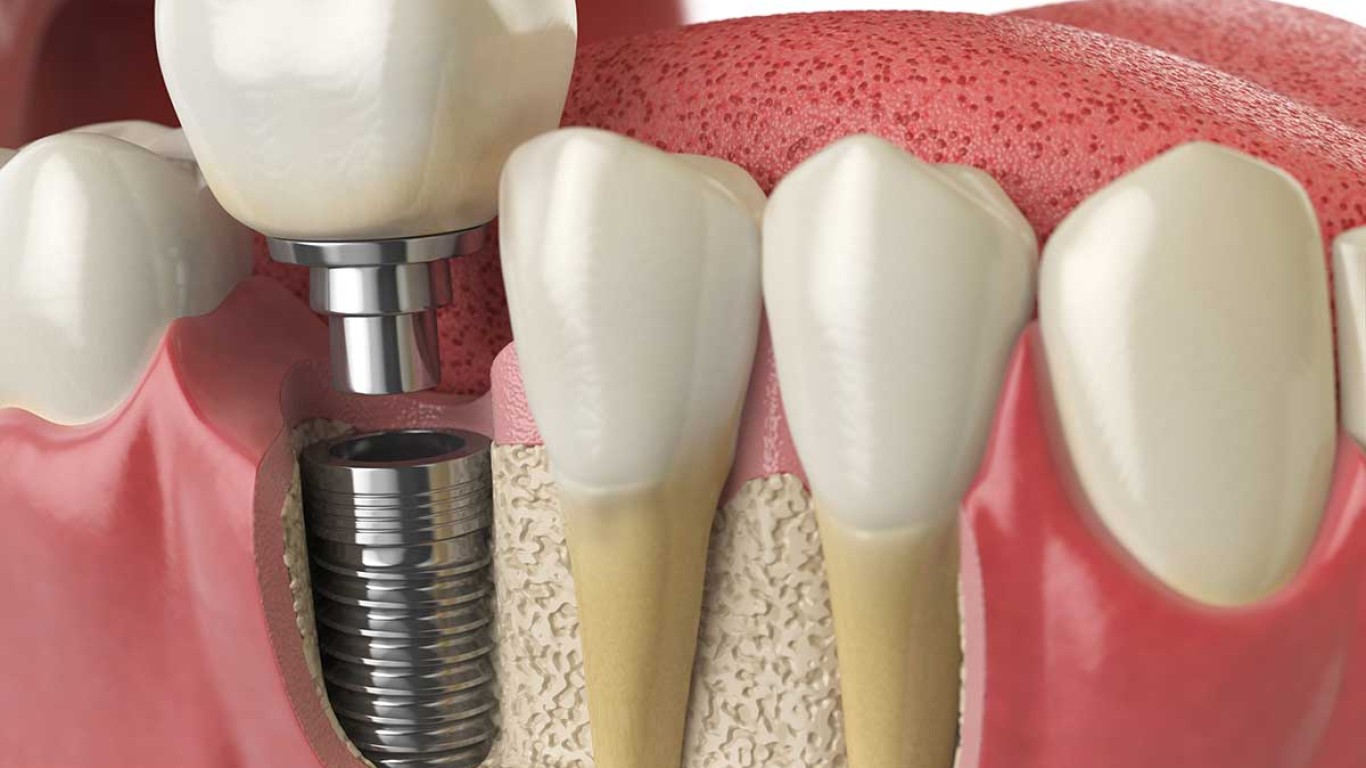
Implant-supported bridges use titanium implants positioned within the jaw. They form anchor points that hold the full mouth bridge securely. This method suits those with enough bone structure to support implants. The final bridge attaches to the implants, creating strong and stable function across the arch.
Assessment Before Treatment
Assessment includes scans, photographs, and digital bite analysis. Dentists review bone shape, tooth condition, and gum contour. Additionally, they measure spacing to ensure balanced distribution. AI tools support planning by mapping symmetry and bite alignment. These assessments guide design and long-term positioning.
Digital Planning for Improved Precision
Digital planning plays a central role in designing a full mouth bridge. Scanners capture detailed tooth and jaw shapes. Software maps ideal tooth size and alignment. AI technology predicts how the bridge interacts with bite movements. These tools help ensure comfort, stability, and smooth integration.
How the Full Mouth Bridge Is Designed
Design begins with selecting shape, shade, and structural layout. Dentists choose materials based on strength needs and aesthetic goals. Digital modelling helps visualise final contours. Because each bridge spans the entire arch, small design details influence overall comfort. Specialists refine thickness, spacing, and chewing surfaces.
Material Choices for Full Mouth Bridges
Common materials include zirconia, ceramic composites, and porcelain fused to strong frameworks. Zirconia offers excellent strength. Ceramic composites offer balanced flexibility. Porcelain provides natural translucency. Material selection depends on bite pattern, jaw structure, and desired appearance.
How a Full Mouth Bridge Restores Function
This treatment distributes bite forces evenly across the arch. This helps stabilise chewing and supports jaw movement. Because it replaces missing teeth with a connected design, it prevents shifting and maintains alignment. Many people find eating and speaking smoother with a structured full arch restoration.
Appearance Benefits of a Full Mouth Bridge
This treatment enhances symmetry, improves colour balance, and supports facial structure. Dentists design the bridge to match natural contours and proportions. Because the bridge spans the entire arch, the result looks uniform. Shade and shape selection help create a harmonious finish.
Daily Care and Maintenance
Daily brushing around the bridge helps maintain cleanliness. Interdental cleaning supports gum comfort. Regular dental check-ups help monitor bridge stability and bite alignment. Although the bridge is strong, balanced habits support long-term performance.
How Long a Full Mouth Bridge Typically Lasts
Their lifespan depends on material choice and daily habits. With regular care and consistent check-ups, a bridge can remain stable for many years. Digital assessments during appointments help ensure ongoing comfort and structural balance.
Full Mouth Bridge vs Individual Crowns
A full mouth bridge replaces many teeth at once. Individual crowns treat single teeth. Bridges connect multiple artificial teeth for full arch support. Crowns remain separate units. The choice depends on how many teeth require restoration and how much structure remains.
Full Mouth Bridge vs Dentures
Dentures rest on the gums and can be removed. A full bridge stays fixed and offers stronger stability. Because the bridge connects across the arch, it provides smoother chewing. Those seeking a fixed option often choose a full mouth bridge.
Who Benefits Most From Full Mouth Bridge Treatment
This treatment suits those with multiple missing teeth, weakened structure, or shifting alignment. It also suits those wanting fixed support without removable appliances. Dentists evaluate gum health, bone shape, and bite movement before recommending treatment.
Conclusion
A full mouth bridge offers reliable full arch support for missing teeth. It restores function, enhances chewing, and improves structural balance. Digital planning, detailed assessment, and material choice shape the final outcome. With correct care and regular check-ups, full mouth bridge treatment provides long-term comfort and symmetry.
For more information and to book a consultation visit the ACIBADEM Beauty Center Dental Treatments webpage.
Frequently Asked Questions
It replaces a full row of missing teeth.
Yes, it stays securely attached.
Yes, they are designed to match natural proportions.
It lasts with consistent care and regular check-ups.
Yes, specialists choose based on structure.