Ataşehir Mah. Feza Sk. No:3 İstanbul / Türkiye
 French
  English
  German
  Spanish
Introduction
Many people associate nasal surgery with cosmetic change alone, yet function is equally important. Breathing difficulty can affect sleep quality, exercise tolerance, and daily comfort. At the same time, nasal shape strongly influences facial balance. Functional rhinoplasty addresses both concerns within a single, carefully planned procedure. Rather than separating form and function, modern approaches treat them together. This combined focus allows patients to improve airflow while achieving a harmonious appearance. Understanding how this approach works helps clarify its growing popularity.
What Functional Rhinoplasty Means in Practice
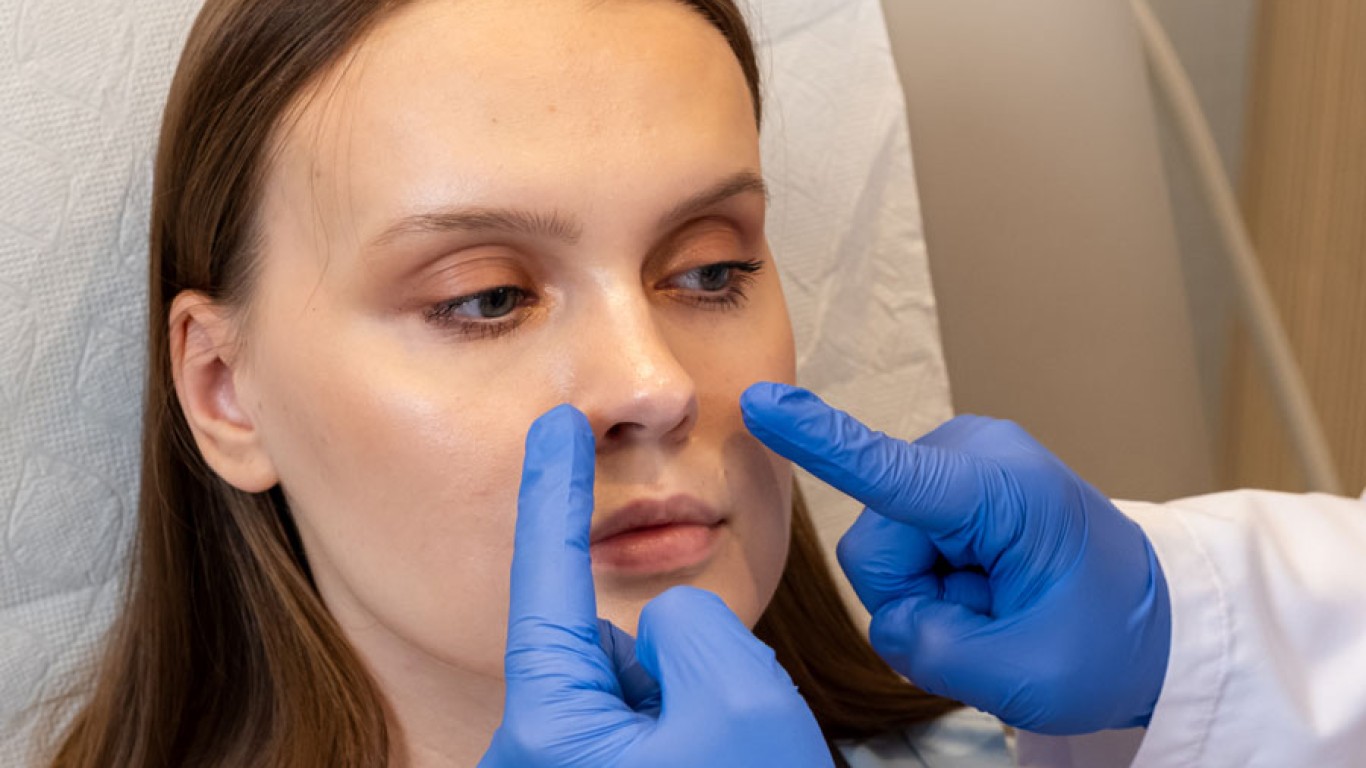
Functional rhinoplasty focuses on correcting structural issues that affect breathing. These may involve the nasal septum, internal valves, or supporting cartilage. The aim is to restore clear airflow through the nasal passages. At the same time, the external shape is refined to maintain balance. Unlike purely cosmetic procedures, planning begins with nasal function. Surgeons assess airflow, symmetry, and internal support. Shape refinement is then integrated into this framework. This ensures breathing improvements are not compromised. Balance between structure and appearance is central to this approach.
Common Breathing Issues Addressed by Functional Rhinoplasty
Many patients experience nasal obstruction without realising the cause. A deviated septum is one of the most common contributors. Narrow nasal valves can also restrict airflow. Previous trauma may alter internal structure. Functional rhinoplasty can address these issues during surgery. Internal correction improves airflow efficiency. External shape adjustments are planned alongside these changes. Treating both aspects together avoids repeated procedures. This integrated approach supports long-term comfort.
Why Shape Still Matters in Functional Rhinoplasty Surgery
Although breathing is the primary focus, appearance remains important. Structural changes inside the nose can affect external contours. Without careful planning, function-only correction may alter shape unpredictably. Functional rhinoplasty considers the nose as part of the whole face. Surgeons refine the bridge, tip, or symmetry where needed. These changes are subtle and proportion-based. The goal is natural integration rather than dramatic alteration. Shape refinement complements functional improvement.
The Role of Structural Support
Strong nasal support is essential for both breathing and appearance. Cartilage provides stability to the nasal framework. Weak or collapsed structures can restrict airflow and affect shape. Rebuilding support is often necessary. Functional rhinoplasty frequently involves reinforcing cartilage. This may include reshaping existing structures or repositioning support. Stronger internal architecture helps maintain results over time. Structural integrity supports both airflow and aesthetics. Longevity depends on this foundation.
How Assessment Differs from Cosmetic Planning
Assessment for rhinoplasty for functional reasons are more detailed than cosmetic evaluation alone. Surgeons examine airflow patterns and internal anatomy. Breathing tests or imaging may be used. This informs surgical planning. External analysis still plays an important role. Profile balance, symmetry, and proportions are reviewed carefully. Combining these assessments ensures coordinated correction. Patients gain a clearer understanding of goals. Comprehensive evaluation supports predictable outcomes.

Recovery Considerations for Combined Correction
Recovery following functional rhinoplasty reflects both internal and external work. Swelling may affect breathing temporarily during early healing. Gradual improvement follows as tissues settle. Shape refinement also develops over time. Patients are guided through recovery expectations clearly. Nasal breathing often improves progressively rather than immediately. External changes become more defined as swelling reduces. Patience is important during this phase, and structured follow-up supports reassurance.
Functional Rhinoplasty in Turkey
Turkey has become a destination for advanced nasal procedures. Clinics focus on detailed assessment and personalised planning. Functional correction and aesthetic refinement are commonly combined. This reflects international best practice. Centres such as Acibadem emphasise careful evaluation of breathing and structure. Treatment plans are tailored to individual anatomy. International patients tend to value organised care pathways. Surgeon expertise supports consistent outcomes, and overall being coordinated with planning enhances confidence.
Who May Benefit Most from This Approach
Patients with breathing difficulty and aesthetic concerns often benefit most. Those with previous nasal injury may also be suitable. Structural imbalance frequently affects both airflow and appearance. Addressing both together can be efficient. Rhinoplasty for functional reasons is not limited to severe cases. Even mild breathing restrictions may justify correction. Consultation helps determine suitability. Personal goals and anatomy guide decisions. Individualised planning is essential.
Long-Term Outlook for Function and Appearance
Long-term results depend on structural stability and healing. When support is restored correctly, breathing improvements are durable. Shape refinement also remains consistent over time. Balanced correction ages more naturally. This kind of rhinoplasty aims for harmony rather than extremes. Ongoing nasal health supports results. Follow-up assessments help monitor progress. Long-term comfort and balance are key outcomes. Integrated planning supports lasting satisfaction.
Functional Rhinoplasty and Nasal Valve Support
The nasal valves play a crucial role in regulating airflow. These narrow internal areas can collapse or narrow over time. Even small weaknesses may significantly affect breathing quality. Structural reinforcement is often required to restore proper airflow. Rhinoplasty frequently addresses nasal valve support directly. Surgeons may reshape or reposition cartilage to stabilise these areas. Improved support helps maintain open air passages during breathing. This correction also contributes to long-term structural balance. Valve-focused planning is a key component of functional success.
How Septal Alignment Affects Both Breathing and Shape
The nasal septum divides the nasal passages into two sides. When deviated, airflow becomes uneven. This can cause congestion or breathing difficulty on one side. Septal deviation may also influence external symmetry. Functional rhinoplasty often includes septal realignment. Correcting alignment improves airflow balance. It can also support straighter external contours. Septal correction provides a stable foundation for shape refinement. Addressing internal alignment benefits both function and appearance.
Cartilage Grafting and Structural Reinforcement
Cartilage provides the framework that maintains nasal shape. Weak or insufficient cartilage can compromise airflow and aesthetics. Reinforcement may be necessary in functional procedures. Grafting supports long-term stability. This kind of rhinoplasty commonly uses cartilage grafts to strengthen key areas. These grafts are shaped carefully to match anatomy. Reinforcement prevents collapse during breathing. Structural integrity supports predictable results. Grafting is planned conservatively to preserve natural appearance.
Revision Cases and Functional Rhinoplasty
Some patients seek correction after previous nasal surgery. Earlier procedures may have prioritised appearance over structure. However this can lead to breathing difficulty later. Revision planning requires careful assessment. Revision cases focus on restoring support - surgeons evaluate scar tissue and cartilage availability. Breathing improvement becomes the primary goal. Shape refinement is integrated cautiously. Revision work highlights the importance of structural balance.
The Role of Imaging and Airflow Analysis
Modern planning often includes advanced imaging tools. These help visualise internal anatomy clearly. Airflow patterns can be assessed more accurately. This data informs surgical decisions. Functional rhinoplasty benefits from this detailed analysis. Surgeons can identify exact points of obstruction. Planning becomes more precise and patients can gain a clearer understanding of the procedure. Imaging supports collaborative decision making.
Differences Between Functional and Cosmetic Recovery Focus
Recovery priorities differ slightly between functional and cosmetic procedures. Breathing improvement may develop gradually. Early swelling can temporarily affect airflow. Shape changes also evolve over time. Rhinoplasty recovery includes monitoring airflow as well as appearance. Patients are guided on breathing expectations. Follow-up focuses on both comfort and contour. Understanding this dual focus supports patience.
Long-Term Breathing Stability and Lifestyle Factors
Long-term breathing results depend on structural correction and daily habits. Nasal health can be influenced by allergies or environment. Functional rhinoplasty provides structural improvement, but maintenance matters. Patients are advised on nasal care routines. Stable support helps results age well. Long-term comfort reflects both surgery and lifestyle. Balance extends beyond the operating room.
Why Combined Planning Reduces Future Interventions
Separating function and appearance can lead to incomplete correction. Addressing both together reduces the need for additional procedures. Integrated planning considers the full nasal system. This efficiency benefits patients. Rhinoplasty for function aims to solve multiple concerns in one approach. Structural correction supports both airflow and shape. Comprehensive planning reduces long-term complications. Patients benefit from a single recovery period. Integrated thinking improves overall satisfaction.
Conclusion
Functional rhinoplasty combines breathing improvement with refined nasal shape through careful structural correction. By addressing airflow and appearance together, surgeons can achieve balanced, natural-looking outcomes. This integrated approach avoids compromise between function and aesthetics. Detailed assessment and personalised planning are essential for the procedure success. With expert guidance, patients can experience improved comfort and facial harmony within a single procedure.
For more information and to book a consultation visit the ACIBADEM Beauty Center Rhinoplasty webpage.
Frequently Asked Questions
Some external refinement may occur, but changes are usually subtle and proportion-based.
Minor corrections may have little visible impact, depending on anatomy.
Results are typically long-lasting when structural support is restored.
Improvement often develops gradually as swelling subsides.
Yes, many revision cases focus on restoring both airflow and structure.