Ataşehir Mah. Feza Sk. No:3 İstanbul / Türkiye
 French
  English
  German
  Spanish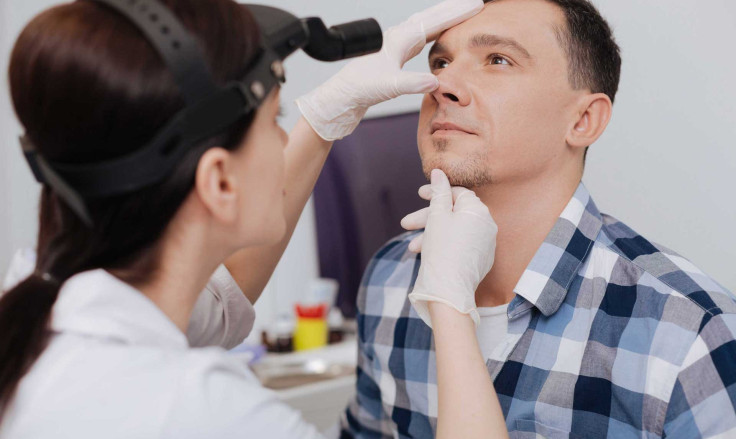
Interest in male rhinoplasty has grown steadily as attitudes toward aesthetic surgery continue to evolve. More men now view cosmetic procedures as solutions for structural refinement rather than dramatic change. Nose surgery remains one of the most requested facial procedures among male patients. Modern techniques focus on preserving masculine features while improving proportion and function. This article explores why male rhinoplasty is increasing and how current trends shape surgical planning.
Why Male Rhinoplasty Is Increasing in Popularity
Social perceptions surrounding cosmetic surgery have shifted significantly over recent years. Men increasingly prioritise appearance as part of professional and social presentation. Rhinoplasty offers noticeable yet controlled facial refinement. The nose sits centrally on the face, influencing overall balance. These factors contribute to the rising interest in male rhinoplasty.
How Male Facial Anatomy Influences Rhinoplasty
Male facial anatomy differs from female anatomy in several key ways. Men typically have thicker skin and stronger nasal cartilage. Nasal bridges are often higher and wider. Rhinoplasty planning must account for these structural differences. Preserving masculine contours remains a priority during surgical refinement.
Key Goals of Male Rhinoplasty
Male rhinoplasty focuses on proportion rather than reduction. Common goals include straightening the bridge, refining the tip, and correcting asymmetry. Surgeons avoid overly narrow or upturned results. The objective is balanced improvement that complements male facial structure.
Functional Concerns Often Drive Male Rhinoplasty
Many men seek rhinoplasty for functional reasons alongside aesthetic improvement. Breathing difficulties caused by deviated septums are common. Trauma-related nasal deformities also influence decisions. Combining functional correction with aesthetic refinement is frequent in male rhinoplasty planning.
The Influence of Professional Environments
Professional appearance plays an increasing role in surgical decisions. Men in public-facing careers value subtle enhancement. A refined nose can improve facial balance without appearing altered. This discretion aligns well with modern rhinoplasty techniques.
Masculine Nose Characteristics Surgeons Aim to Preserve
Surgeons prioritise maintaining masculine nasal features. A straight or slightly convex bridge is often preferred. Tip definition remains firm rather than delicate. Preserving these traits ensures results appear natural and appropriate for male facial proportions.
Natural Results Are the Primary Trend
Natural outcomes dominate current male rhinoplasty trends. Men prefer changes that do not draw attention. Overcorrection is avoided. Surgeons focus on gradual refinement that blends seamlessly with existing features.
Open vs Closed Rhinoplasty for Men
Both open and closed approaches are used in male rhinoplasty. The choice depends on anatomy and surgical goals. Closed techniques minimise visible scarring. Open approaches allow greater precision for complex structural changes.
Rhinoplasty for Sports-Related Injuries
Sports injuries frequently lead men to seek rhinoplasty. Broken noses may heal with deviation or obstruction. Surgery restores structure and improves airflow. Addressing both form and function makes rhinoplasty appealing after injury.
Age Trends Among Male Rhinoplasty Patients
Men of various ages pursue rhinoplasty. Younger men often correct congenital concerns or trauma. Older men may refine age-related changes. Treatment planning adapts based on skin thickness and tissue behaviour.
Ethnic Considerations in Male Rhinoplasty
Ethnic background influences nasal shape and structure. Surgeons respect cultural characteristics during planning. The aim is refinement rather than standardisation. Personalised planning supports authentic male rhinoplasty outcomes.
Recovery Expectations for Male Patients
Recovery timelines are similar for men and women. Swelling resolves gradually over several weeks. Most men return to work within two weeks. Final definition develops as tissues settle over months.
Why Men Value Predictable Outcomes
Men often prioritise predictability when considering surgery. Clear planning and realistic goals support confidence. Surgeons provide detailed explanations of expected changes. This transparency contributes to increased interest in male rhinoplasty.
The Role of Subtle Tip Refinement
Tip refinement remains a key aspect of male rhinoplasty. Surgeons avoid excessive rotation. Maintaining a firm, defined tip supports masculine appearance. Small adjustments often create significant improvement.
Non-Surgical Rhinoplasty vs Surgery for Men
Non-surgical rhinoplasty offers temporary contour adjustment. It does not correct breathing or structural issues. Surgical rhinoplasty provides permanent change. Men seeking long-term solutions often choose surgery.
Why Social Media Has Limited Influence
Unlike other procedures, male rhinoplasty trends are less influenced by social media. Men focus on practical outcomes rather than trends. Personal consultation guides decision-making more than online imagery.
Revision Rhinoplasty Among Male Patients
Some men seek revision rhinoplasty after previous procedures. Reasons include unresolved functional concerns or aesthetic imbalance. Revision surgery requires careful assessment. Conservative correction remains essential.
Long-Term Stability of Male Rhinoplasty Results
Structural rhinoplasty offers lasting results. Male nasal cartilage maintains shape well once healed. Age-related changes occur gradually. Stable outcomes contribute to satisfaction with male rhinoplasty.
How Surgeons Approach Conservative Refinement
Conservative refinement avoids excessive tissue removal. Surgeons preserve support structures. This approach reduces risk of long-term instability. Balanced correction defines modern male rhinoplasty practice.
Psychological Shift Around Male Cosmetic Surgery
Men increasingly view cosmetic surgery as routine self-maintenance. Stigma has decreased significantly. Practical motivation replaces emotional hesitation. This cultural shift supports growing acceptance of male rhinoplasty.
What Men Should Consider Before Rhinoplasty
Men should evaluate goals carefully before surgery. Understanding anatomical limitations is important. Choosing an experienced surgeon is essential. Realistic expectations ensure appropriate outcomes.
Conclusion
Male rhinoplasty continues growing as men seek refined, balanced facial structure without dramatic change. Modern techniques prioritise masculine proportions, functional improvement, and natural results. As perceptions evolve, rhinoplasty becomes a practical option for men across age groups. Careful planning ensures outcomes remain subtle, stable, and proportionate.
For more information and to book a consultation visit the ACIBADEM Beauty Center rhinoplasty webpage.
Frequently Asked Questions
Yes, techniques preserve masculine structure and proportions.
Recovery timelines are similar across genders.
Yes, functional correction is often included.
Yes, structural changes are long-lasting.
Yes, interest continues increasing worldwide.