Ataşehir Mah. Feza Sk. No:3 İstanbul / Türkiye
 French
  English
  German
  Spanish
Introduction
Gastric sleeve Turkey has become one of the most popular bariatric surgery journeys for international patients. The procedure offers life-changing weight loss for patients with obesity. Many UK patients face lengthy NHS waiting times for bariatric surgery. Private UK pricing makes the procedure prohibitively expensive for many. Gastric sleeve Turkey offers the same procedure at a fraction of the cost with experienced surgeons and modern hospitals. Understanding the complete journey helps patients prepare effectively. This article explains every stage of the gastric sleeve experience from initial assessment through surgery, recovery, dietary transitions and returning home to begin their weight loss transformation.
Initial Assessment for Gastric Sleeve Turkey
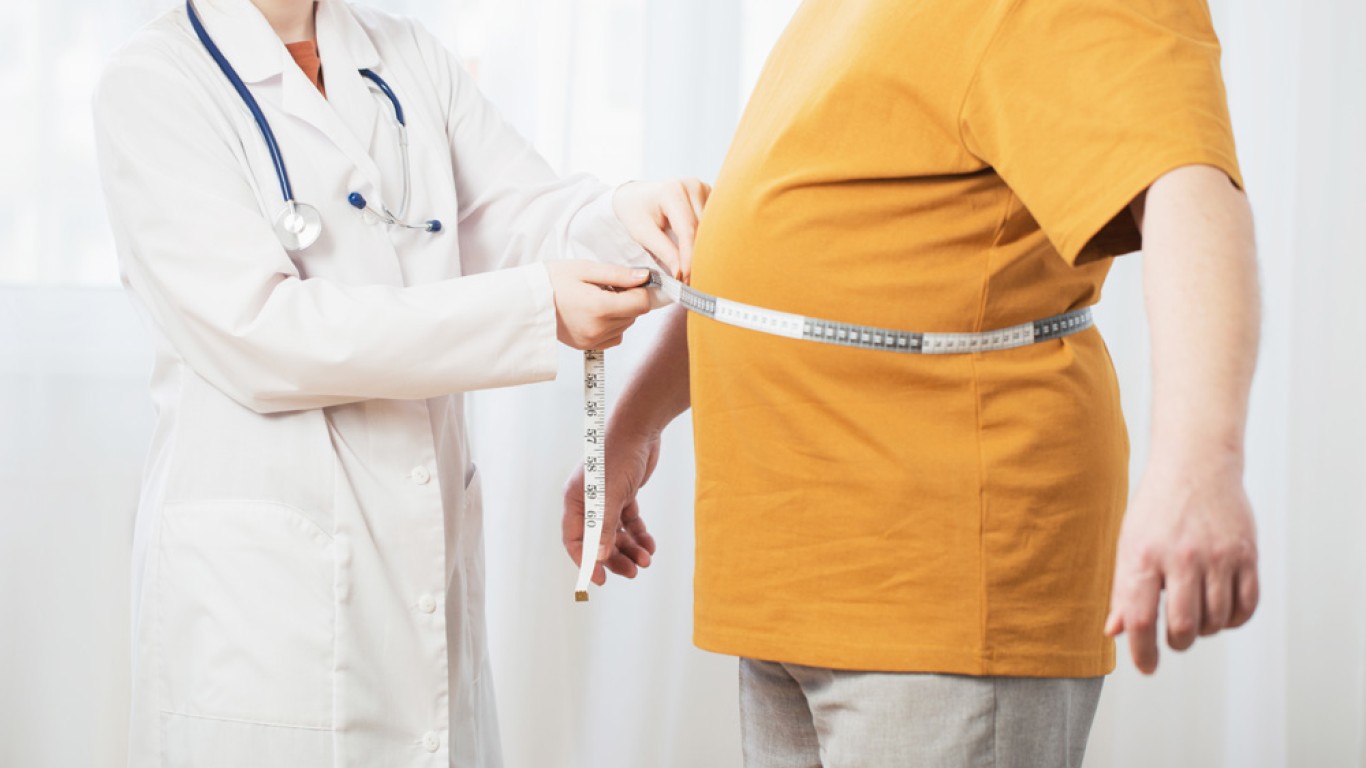
The gastric sleeve journey begins with thorough assessment. Patients typically undergo a virtual consultation with the surgical team. Medical history, current medications and previous weight loss attempts are reviewed. Body mass index is assessed to confirm eligibility. Most surgeons require a BMI of thirty-five or above. Some accept patients with a BMI of thirty with obesity-related health conditions. Blood tests and health screenings may be requested before travel. The surgical team evaluates whether gastric sleeve is the most appropriate bariatric procedure for the individual. Some patients may be better suited to gastric bypass or other options. The gastric sleeve assessment ensures patients are appropriate candidates before committing to the trip.
Planning Your Gastric Sleeve Turkey Trip
Planning the trip requires attention to specific bariatric requirements. Direct flights from the UK to Istanbul take approximately four hours. Most gastric sleeve patients stay seven to ten days. A pre-operative diet of two to four weeks before surgery is typically required. This liquid or low-calorie diet shrinks the liver to improve surgical access. Patients should begin this diet at home before travelling. Booking flexible return flights allows adjustment if needed. Travel insurance covering bariatric surgery abroad is essential. Packing comfortable loose clothing, prescribed vitamins and any current medications supports the trip. A travel companion provides support during the hospital stay and early recovery. Planning these details carefully ensures a smooth experience.
Arrival and Pre-Operative Preparation
Gastric sleeve Turkey experience typically begins with airport transfer to the hotel or directly to the hospital. The pre-operative consultation takes place on the first or second day. The surgeon examines the patient and reviews all medical documentation. Blood tests, an ECG and possibly an endoscopy are performed. The anaesthesia team assesses fitness for surgery. A dietitian may provide initial guidance on the post-operative dietary stages. Written consent is provided in English. The patient coordinator confirms the surgery schedule and explains fasting requirements. Psychological readiness may be assessed. This thorough preparation ensures patients are medically cleared and fully informed before their procedure.
The Day of Gastric Sleeve Turkey Surgery
Surgery day is the most significant moment in the gastric sleeve journey. The patient arrives at the hospital at the scheduled time. Pre-operative preparations include meeting the anaesthesia team and surgical staff. General anaesthesia is administered. The procedure is performed laparoscopically through several small incisions. Surgeon removes approximately seventy-five to eighty percent of the stomach, creating a narrow sleeve-shaped pouch. The procedure typically takes sixty to ninety minutes. The patient wakes in the recovery room and is monitored closely. Vital signs are checked regularly. Pain medication ensures comfort. Most gastric sleeve patients spend two to three nights in hospital. Mobilisation begins within hours of surgery with gentle walking encouraged.
Recovery in Turkey After Gastric Sleeve
The recovery days in Turkey are essential for the gastric sleeve Turkey journey. During the hospital stay, patients begin sipping clear liquids. The medical team monitors fluid intake and tolerance. Pain management continues with prescribed medication. Walking around the hospital ward supports circulation and recovery. After discharge to the hotel, patients continue the clear liquid phase. Protein shakes and broth form the basis of nutrition. The patient coordinator checks in regularly. A follow-up appointment with the surgeon assesses healing of the incision sites. The surgeon confirms that the patient is progressing well before approving the return flight. Most gastric sleeve patients feel well enough for light hotel-based activities by day four or five after surgery.
Flying Home After Gastric Sleeve Turkey
Flying home requires specific preparation after gastric sleeve Turkey surgery. Most surgeons recommend waiting five to seven days before flying. The short flight is generally well tolerated. Compression socks reduce deep vein thrombosis risk. Sipping water frequently prevents dehydration during the flight. Carrying permitted liquids for the dietary phase ensures nutrition continues. Avoiding carbonated drinks is important. Walking around the cabin periodically supports circulation. Having a companion to manage luggage eliminates strain on healing incisions. The patient should carry a medical summary letter in case of any concerns during travel. Most gastric sleeve patients find the return journey manageable when adequate recovery time has been allowed.
Dietary Stages After Gastric Sleeve Turkey
The dietary stages following gastric sleeve Turkey surgery are critical for long-term success. The first phase involves clear liquids for one to two weeks. Protein shakes, broth and water form the primary nutrition. The second phase introduces pureed foods over weeks two to three. Blended protein sources, yoghurt and smooth soups are introduced carefully. Soft foods follow in weeks four to six. Scrambled eggs, soft fish and cooked vegetables become options. Solid foods are reintroduced gradually from week seven onward. Protein remains the priority at every meal. Vitamin and mineral supplements begin immediately and continue for life. The dietitian from the gastric sleeve Turkey clinic provides detailed guidance and support through each dietary stage remotely.
Long-Term Support After Gastric Sleeve Turkey
Long-term support ensures lasting success from the gastric sleeve Turkey journey. Most clinics provide remote follow-up at structured intervals throughout the first year. Weight loss progress, nutritional status and any concerns are monitored. Dietitian support helps patients navigate food choices and maintain adequate nutrition. Blood tests at regular intervals check vitamin and mineral levels. Some patients join online support groups for gastric sleeve Turkey patients. These communities provide emotional support and practical tips from others on the same journey. Annual blood tests and vitamin supplementation continue for life. The surgical team remains accessible for questions. Long-term commitment to the dietary and lifestyle changes following gastric sleeve Turkey produces the best and most lasting weight loss results.
Weight Loss Expectations
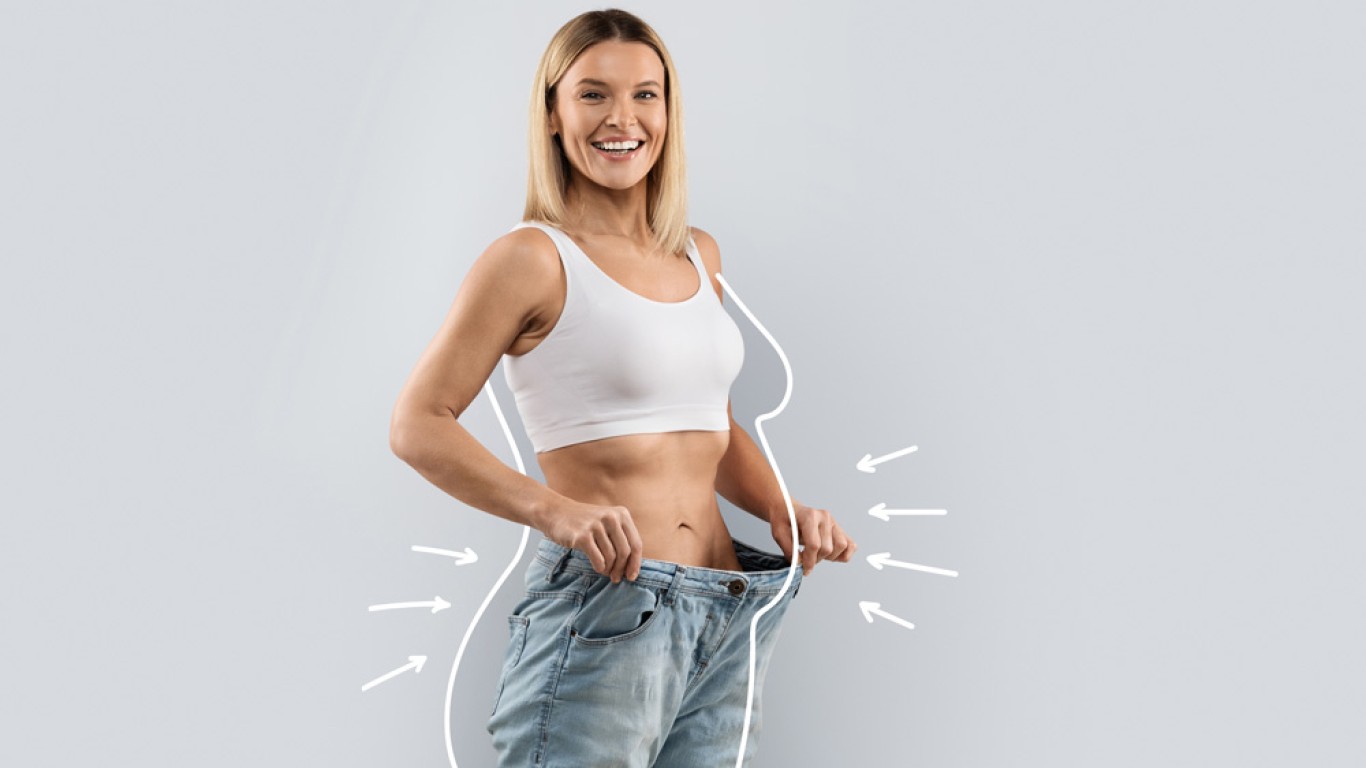
Understanding weight loss expectations supports satisfaction with the gastric sleeve Turkey journey. Most patients lose sixty to seventy percent of their excess weight within the first twelve to eighteen months. Weight loss is most rapid during the first six months. The rate slows progressively but continues throughout the second year. Some patients achieve their goal weight while others reach a healthy stable weight above their initial target. Individual results vary based on adherence to dietary guidelines, exercise habits and metabolic factors. Obesity-related health conditions including type two diabetes, sleep apnoea and joint pain often improve significantly or resolve. The transformation from gastric sleeve Turkey extends far beyond weight loss to overall health and quality of life improvement.
Cost of the Gastric Sleeve Turkey Journey
The total cost of the gastric sleeve Turkey journey represents substantial savings. Gastric sleeve surgery in Turkey typically costs three thousand to five thousand pounds including all-inclusive packages. UK private pricing ranges from eight thousand to thirteen thousand pounds. NHS funding requires meeting strict criteria and often involves waiting times of twelve months or longer. Turkish packages commonly include surgeon fees, hospital stay, pre-operative tests, dietitian consultation, hotel accommodation, airport transfers and initial follow-up. Flights add approximately one hundred to three hundred pounds. Most patients save fifty to sixty percent compared with UK private pricing. The gastric sleeve Turkey journey makes this life-changing procedure accessible to patients who cannot access it through other routes.
Conclusion
The gastric sleeve Turkey journey offers international patients a structured path to life-changing weight loss. Each stage from initial assessment through surgery, dietary transitions and long-term follow-up is supported by experienced clinical teams. Modern accredited hospitals and specialist bariatric surgeons deliver outcomes comparable to UK providers. Significant cost savings make the procedure accessible. The dietary stages following surgery require commitment but produce dramatic results. Remote follow-up ensures ongoing support after returning home. Gastric sleeve Turkey provides a comprehensive, well-organised bariatric surgery experience that transforms health, mobility and quality of life for patients committed to the journey.
For more information and to book a consultation visit the ACIBADEM Beauty Center page.
Frequently Asked Questions
Most patients stay seven to ten days for gastric sleeve surgery.
Most patients lose sixty to seventy percent of excess weight within eighteen months.
Three to five thousand pounds including surgery, hospital, hotel and transfers.
Yes, a two to four week liquid or low-calorie diet is typically required.
Yes, vitamin and mineral supplementation continues permanently after surgery.