Ataşehir Mah. Feza Sk. No:3 İstanbul / Türkiye
 English
  German
  Spanish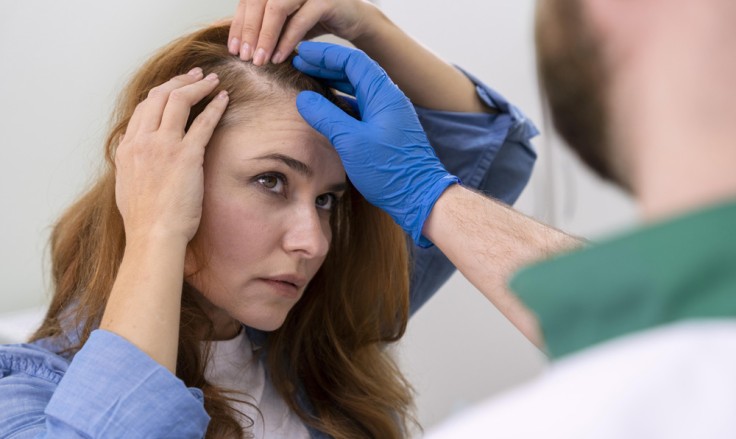
Introduction
GLP-1 receptor agonist medications have transformed weight management. Semaglutide and tirzepatide produce significant weight loss for many patients. As use has expanded, patients have reported a range of side effects. One emerging concern is hair loss. GLP-1 and hair loss reports have increased alongside the growing number of people using these medications. Understanding whether GLP-1 & hair loss are connected helps patients manage expectations and protect their hair during treatment. This article examines the evidence, explains the likely mechanisms and provides practical guidance.
GLP-1 and Hair Loss: What Patients Report
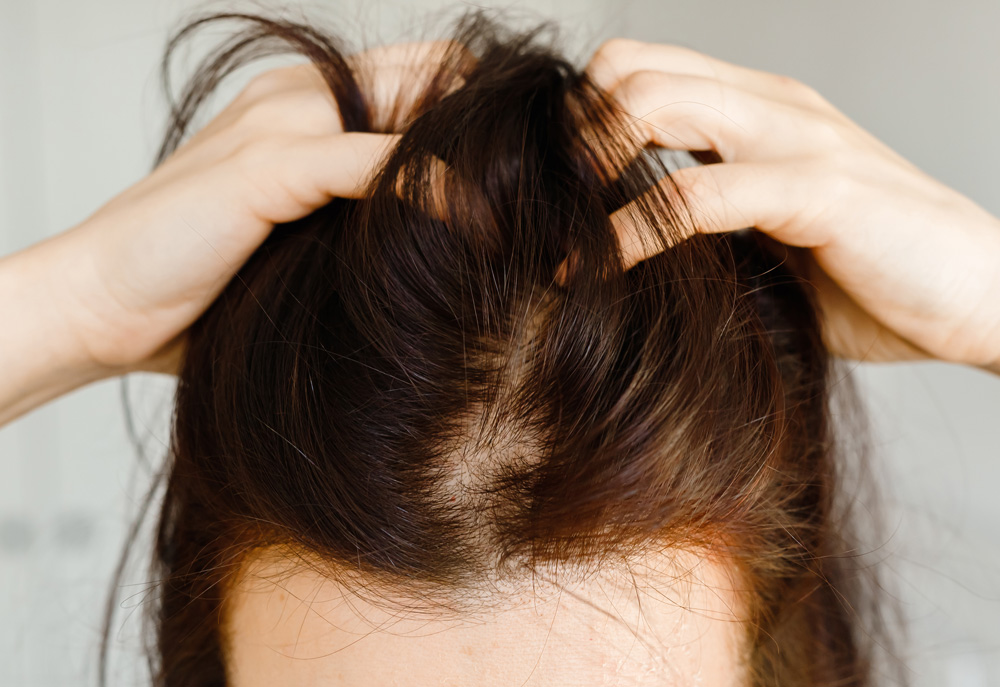
Growing numbers of patients report increased hair shedding while taking GLP-1 medications. GLP-1 & hair loss concerns appear in online forums, social media and clinical consultations. Patients describe noticeable thinning, increased hair fall during washing and brushing, and reduced overall hair density. GLP-1 and hair loss reports vary in severity. Some patients notice mild, temporary shedding. Others experience more significant thinning that causes concern. GLP-1 & hair loss has become one of the most discussed side effects alongside gastrointestinal symptoms and facial volume loss. The clinical data on GLP-1 & hair loss is still developing. Semaglutide clinical trials reported alopecia in a small percentage of participants. The incidence was higher in the treatment group than in the placebo group. GLP-1 & hair loss appears to be a genuine association rather than coincidence for a subset of users.
GLP-1 and Hair Loss: Why It Happens
The most likely mechanism is telogen effluvium rather than a direct drug effect on the hair follicle. GLP-1 and hair loss is most plausible as a response to rapid weight loss rather than a specific pharmacological effect on the hair. Telogen effluvium occurs when a significant physical stress pushes a large number of hair follicles into the resting phase simultaneously. Rapid weight loss is a recognised trigger. GLP-1 & hair loss follows this pattern. The body interprets rapid calorie deficit as a stress event.
Nutritional resources are redirected away from hair growth toward essential functions. Hair follicles enter the resting phase. Two to three months later, the resting hairs shed simultaneously. GLP-1 and hair loss from this mechanism is typically temporary. Once the body stabilises at the new weight and nutritional intake normalises, the follicles resume their growth cycle. New hair grows to replace the shed hair. The shedding episode resolves over several months.
GLP-1 and Hair Loss: Nutritional Factors
Nutritional deficiency compounds the risk. GLP-1 & hair loss may be worsened by inadequate protein intake during rapid weight loss. GLP-1 medications reduce appetite significantly. Patients eat less. Protein intake often drops below the levels needed to support healthy hair growth. Hair is composed primarily of keratin, a protein. GLP-1 & hair loss risk increases when daily protein intake is insufficient. Iron, zinc, vitamin D, vitamin B12 and biotin all support hair health. Deficiencies in these nutrients are more likely during restricted caloric intake. GLP-1 & hair loss from nutritional deficiency is preventable. Adequate supplementation and mindful protein intake protect hair during the weight loss phase. Blood tests can identify specific deficiencies. Correcting them may reduce or prevent GLP-1 and hair loss. Patients should discuss nutritional monitoring with their prescribing doctor.
GLP-1 and Hair Loss: Is It the Medication or the Weight Loss?
This distinction is important. GLP-1 & hair loss is most likely caused by the rapid weight loss rather than the medication itself. Any method of rapid weight loss can trigger telogen effluvium. Bariatric surgery patients commonly experience hair shedding at three to six months after surgery. Crash dieting produces similar effects. GLP-1 & hair loss follows the same pattern because the underlying trigger is the same. The body responds to caloric deficit regardless of the cause. GLP-1 & hair loss might therefore occur with any pharmaceutical weight loss agent that produces rapid results. It is not unique to semaglutide or tirzepatide specifically. The speed and magnitude of weight loss are the critical variables. GLP-1 & hair loss may be less likely with slower, more gradual weight reduction. Dose titration that moderates the pace of loss may reduce the shedding trigger. Patients concerned about GLP-1 and hair loss should discuss dose management with their doctor.
How to Reduce GLP-1 and Hair Loss Risk
Several strategies help protect hair during GLP-1 treatment. Adequate protein intake is the most important step. Aim for sixty to eighty grams of protein daily minimum. GLP-1 & hair loss prevention through protein ensures the body has the building blocks for hair maintenance. Prioritise protein at every meal. Eggs, fish, poultry, dairy and legumes provide high-quality protein. Supplement with iron, zinc, vitamin D and B-complex vitamins. GLP-1 and hair loss from nutritional deficiency is preventable through proactive supplementation. Blood tests before and during treatment identify specific deficiencies. Correcting them early reduces shedding risk. Gradual weight loss may reduce GLP-1 & hair loss severity. Losing weight at a moderate pace gives the body time to adapt.
The stress signal that triggers telogen effluvium may be weaker with slower loss. GLP-1 & hair loss management also includes stress reduction. Psychological stress compounds the physical stress of weight loss. Both contribute to telogen effluvium. Managing stress through sleep, exercise and support reduces cumulative burden on the hair growth cycle.
GLP-1 and Hair Loss: When to Seek Help
Most GLP-1 & hair loss is temporary. However, patients should seek assessment if shedding is severe or prolonged. A dermatologist or trichologist evaluates the hair loss pattern. Blood tests check nutritional levels. GLP-1 & hair loss from telogen effluvium typically resolves within six to twelve months once the trigger stabilises. If hair loss continues beyond this timeframe, other causes should be investigated. GLP-1 & hair loss may unmask pre-existing androgenetic alopecia. The weight loss stress reveals thinning that was developing independently. This type requires different treatment. Minoxidil, PRP and other hair loss treatments may complement GLP-1 therapy. GLP-1 & hair loss should not be ignored. Patients noticing significant shedding should inform their prescribing doctor and request nutritional assessment. Early intervention supports the best hair recovery outcome.
Conclusion
GLP-1 and hair loss is a recognised concern for some patients using weight loss medications. The most likely mechanism is telogen effluvium triggered by rapid weight loss rather than a direct drug effect. Adequate protein intake, nutritional supplementation and gradual weight loss reduce the risk. GLP-1 & hair loss is usually temporary. Hair regrows once weight stabilises. Patients experiencing significant shedding should seek professional assessment. Treatment options including minoxidil and PRP support hair during the shedding phase. Professional guidance ensures the best outcome. Turkey offers hair preservation treatments at competitive pricing.
For more information about hair loss and to book a consultation visit the ACIBADEM Beauty Center Hair Transplant page.
Frequently Asked Questions
Rapid weight loss during GLP-1 use can trigger temporary shedding. It is likely the weight loss rather than the drug directly.
Usually no. Telogen effluvium resolves within six to twelve months once weight stabilises.
Adequate protein, nutritional supplementation and moderate weight loss pace reduce risk.
Discuss with your prescribing doctor. Stopping may not be necessary. Nutritional optimisation often resolves the issue.
Yes, in most cases. Full density recovery typically takes six to twelve months after shedding stabilises.