Ataşehir Mah. Feza Sk. No:3 İstanbul / Türkiye
 English
  German
  Spanish
Introduction
Male pattern hair loss affects approximately half of all men by age fifty. The condition is progressive. Without intervention, thinning typically continues. Hair loss treatments have advanced significantly in recent years. Multiple effective options exist in 2026. Understanding how each treatment works helps men choose the right approach. This article provides a comprehensive comparison of all major hair loss treatments for men currently available. It covers mechanism, effectiveness, suitability and practical considerations for each option.
Understanding Male Pattern Hair Loss
Male pattern hair loss is caused by genetic sensitivity to dihydrotestosterone. DHT miniaturises hair follicles over time. The follicles produce progressively thinner, shorter hair. Eventually they stop producing visible hair. Hair loss treatments for men target different points in this process. Some block DHT. Others stimulate the follicles directly. Surgical options relocate resistant follicles to thinning areas. The Norwood scale classifies the progression from mild recession to extensive baldness. Hair loss treatments are most effective when started early. Follicles that are thinning but still active respond far better than those that have been dormant for years. Early intervention preserves more natural density. This reduces the amount of correction needed later. Men noticing the first signs of thinning should evaluate their options promptly.
Finasteride: The Foundation of Hair Loss Treatments for Men
Finasteride is the most established pharmaceutical hair loss treatment for men. It blocks the enzyme that converts testosterone to DHT. Scalp DHT levels reduce by approximately sixty percent. This slows or stops follicle miniaturisation in most men. Hair loss treatments using finasteride show positive results in approximately eighty-five percent of patients over two years. Some men experience regrowth. Others stabilise without further loss. Finasteride is taken as a daily oral tablet. One milligram is the standard dose. Hair loss treatments with finasteride require ongoing use. Stopping the medication allows DHT levels to rise again. Hair loss resumes within months of cessation. Side effects are uncommon but include reduced libido in a small percentage of men. Most side effects resolve when medication is stopped. Finasteride forms the foundation of most hair loss treatment programmes.
Minoxidil: Supporting Hair Loss Treatments for Men
Minoxidil is a topical medication applied to the scalp. It improves blood flow to the follicles. Hair loss treatments for men using minoxidil support existing follicle health. The medication prolongs the growth phase of the hair cycle. It may also increase the diameter of miniaturised hairs. Minoxidil is available as a liquid or foam. It is applied once or twice daily. Hair loss treatments combining minoxidil with finasteride produce stronger results than either alone. Minoxidil does not block DHT. It works through a different mechanism. The two treatments complement each other effectively. Results develop over three to six months. Shedding may increase temporarily during the first weeks. This is a recognised response to the treatment. It resolves quickly. Minoxidil must be used continuously. Stopping allows hair loss to resume. It is available without prescription in most countries.
PRP Therapy: Hair Loss Treatments for Men Using Growth Factors
PRP uses concentrated platelets from the patient's own blood. Growth factors are injected into the scalp across thinning areas. Hair loss treatments using PRP stimulate dormant follicles. Blood supply to the follicle environment improves. Hair density and thickness may increase over the treatment course. Three to six sessions are typically recommended. Sessions are spaced four to six weeks apart. Hair loss treatments for men with PRP produce positive results in approximately eighty-four percent of published studies. PRP works best for early to moderate thinning. Advanced baldness responds less favourably. PRP is often combined with finasteride and minoxidil. The triple combination represents the strongest non-surgical hair loss treatment programme for men currently available. Maintenance sessions every three to six months sustain the benefit.
Hair Transplant: The Surgical Option
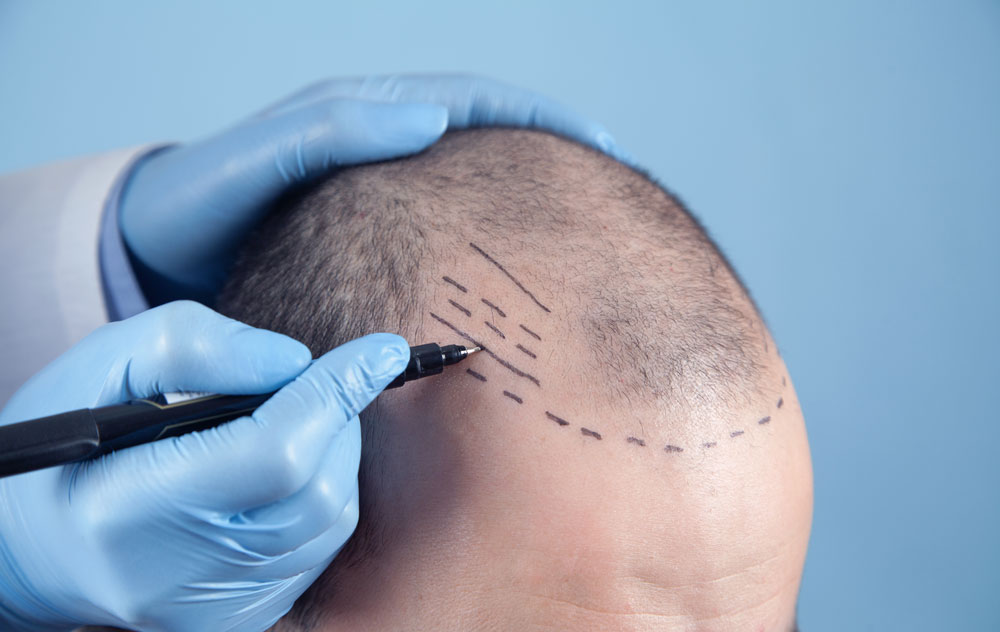
Hair transplant is the only treatment that produces permanent new hair growth in bald areas. Follicles are relocated from the donor area to thinning zones. Hair loss treatments for men using transplant produce lifelong results. The transplanted follicles are genetically resistant to DHT. They continue growing permanently in their new location. FUE and DHI are the two main techniques. FUE extracts individual follicular units. Hair loss for men through transplant suit Norwood stage three and above. Results develop over twelve to eighteen months. Most patients achieve significant density improvement. Transplant works best alongside medical treatment. Finasteride protects the non-transplanted native hair. Without medication, surrounding hair may continue thinning. This can create an unnatural pattern. Hair loss treatments for men combining transplant with medication produce the most comprehensive and lasting results.
Full Comparison
| Treatment | Mechanism | Results |
| Finasteride | Blocks DHT production | Slows/stops loss; some regrowth |
| Minoxidil | Improves scalp blood flow | Supports density; slows loss |
| PRP therapy | Growth factor stimulation | Improved density and thickness |
| Hair transplant | Surgical follicle relocation | Permanent new hair growth |
| Low-level laser therapy | Cellular energy stimulation | Supports follicle health |
| Scalp micropigmentation | Cosmetic tattoo | Illusion of density (no growth) |
Hair loss treatments for men are not mutually exclusive. The most effective approach combines multiple modalities. Finasteride and minoxidil form the pharmaceutical foundation. PRP adds regenerative support. Hair transplant provides permanent coverage where needed. Scalp micropigmentation offers a cosmetic solution for advanced loss or patients who prefer a shaved aesthetic. The right combination depends on the stage of loss, patient preferences and budget. Professional consultation determines the optimal personalised programme.
Emerging Hair Loss Treatments for Men in 2026
Research continues to produce new options. Oral minoxidil at low doses is gaining clinical adoption. It provides systemic hair growth support with convenient once-daily dosing. Exosome therapy uses cell-derived vesicles to deliver growth signals to follicles. Early data shows promise. Stem cell-based treatments remain under investigation. Hair loss treatments for men in 2026 also include topical finasteride formulations. These aim to deliver DHT reduction at the scalp level with reduced systemic absorption. The side effect profile may be more favourable. Dutasteride is a more potent DHT blocker than finasteride. It is used off-label for hair loss in some countries. Hair loss treatments for men continue to evolve. Each year brings refined options. Staying informed through professional consultation ensures access to the most current and effective approaches.
Conclusion
Hair loss treatments for men in 2026 offer more effective options than ever before. Finasteride and minoxidil provide the pharmaceutical foundation. PRP adds regenerative support. Hair transplant delivers permanent coverage. Emerging treatments continue to expand the toolkit. Hair loss for men are most effective when started early and combined strategically. Professional consultation ensures personalised treatment planning. Turkey offers all options at competitive pricing with experienced hair restoration specialists.
For more information about hair loss and to book a consultation visit the ACIBADEM Beauty Center Hair Transplant page.
Frequently Asked Questions
A combination of finasteride, minoxidil and PRP produces the strongest non-surgical results. Transplant adds permanent coverage.
Yes. Early intervention preserves more follicles and produces stronger long-term results.
Yes. Transplanted follicles grow permanently. Medical treatment protects surrounding native hair.
Stopping medication allows hair loss to resume. Ongoing treatment maintains results.
Turkey offers all hair loss treatments at competitive pricing with experienced specialists.